

If each step, squat, or twist makes you “feel your joints,” knowing your joint biomechanics can change the game. When you see how your joints are meant to move, you can tell why they feel stiff, crunchy, unstable, or worn out—and learn what to do differently today.
This guide speaks to people in America who live with constant joint discomfort, tightness, or muscle fatigue and want realistic, science-based ways to move with more confidence.
What Is Joint Biomechanics, in Plain English?
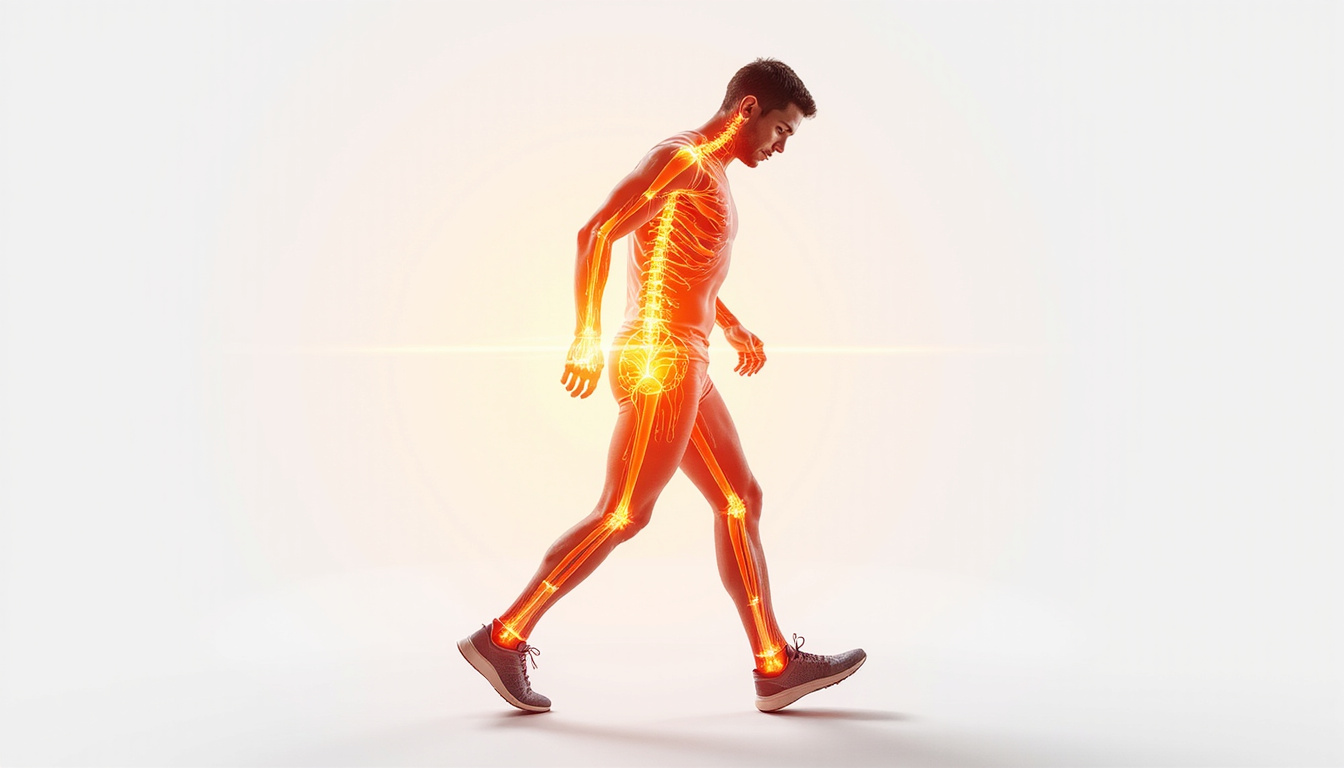
Biomechanics explains how your body moves under real forces—gravity, bodyweight, loads you carry, and even the way your feet hit the ground.
Joint biomechanics studies:
- How bones meet and slide
- How cartilage, tendons, ligaments, and muscles share the load
- How alignment and muscle balance change what you feel
When joint biomechanics work well, your moves feel smooth, light, and controlled. When they falter, you notice:
- Popping, grinding, or a “rice crispies” sound in your knees
- A worry that something might give out
- Stiffness after long sitting or standing
- Muscles that tense during simple chores
This does not always point to disease or injury—it means that how your joints handle stress might need help.
Why Joint Biomechanics Matter for Everyday Life
You do not need to be an athlete to care about biomechanics. If you:
- Grab a railing on stairs
- Avoid kneeling because getting up is hard
- Feel wiped out after a quick grocery run
- Worry that bending, lifting, or twisting might hurt you
…then your joint loading patterns are affecting your comfort, energy, and confidence.
Good joint biomechanics help you:
- Spread stress among joints and muscles, so no one area bears the brunt
- Use strong muscles instead of heavy joint stress
- Keep good posture with less effort
- Move more each day without feeling spent by evening
Over time, this makes the difference between feeling hesitant with every move and living without constant joint worry.
The Building Blocks: How Healthy Joints Move
Seeing joint biomechanics right helps you know what should happen when things work well.
1. Alignment: Where the Joints Sit
Alignment is your joints’ starting place. When your joints sit well, every move stays easier on your tissues.
- Your knees line up over the middle toes; they do not collapse in or bow out.
- Your hips remain level and do not drop on one side.
- Your spine forms a gentle S-curve instead of a constant hunch or over-arch.
- Your shoulders sit slightly back instead of rounding forward.
Even small alignment issues add extra strain. For example, if your knee caves in when you stand or go downstairs, it faces sideways forces it was not made for. Over months, this adds up to aches or twinges that many feel.
2. Mobility: How Much Motion You Have
Mobility is how much controlled movement a joint shows. Too little motion forces other areas to compensate. Too much makes joints feel unsteady.
Real-world issues include:
- Ankles that barely bend when you squat
- Hips that feel “stuck” when you tie your shoes
- Shoulders that hurt when reaching overhead
Healthy joint biomechanics work with:
- Ankles that bend enough for stairs and squats
- Hips that rotate so you can turn, pivot, and get in or out of cars smoothly
- Shoulders that lift without a pinching sensation
3. Stability & Strength: Who Does the Work?
Muscles act as shock absorbers rather than your joints.
Stable joints have:
- Muscles that start working right away
- Strength that is balanced front-to-back and left-to-right
- Endurance to last through your day
When muscles act weak, slow, or tired:
- Joints take more impact
- Ligaments and tendons bear extra strain
- You feel more “bone-on-bone” than normal
Common Biomechanics Mistakes That Make Joints Unhappy
You do not need perfect moves; you only need to stop putting extra load on your joints. Many with joint discomfort see these patterns.
1. Locked Knees and Stiff-Leg Standing
Standing with your knees locked or slightly overextended might feel stable but it:
- Shifts too much load to the knee joint
- Turns off the thigh muscles
- Can stress the lower back if standing long
A small, soft knee bend helps muscles share the load.
2. “Quad-Only” Squatting and Stair-Climbing
If you feel everything in the front of your thighs with little in your glutes:
- Your knees may lean too far forward
- Your hips might not move back correctly
- Your glutes are not working as they should
This extra load falls on the knee front, which shows on stairs or when getting out of a car.
3. Chair Slouching and Tech Neck
Slouching for hours compresses your spine and strains your neck and shoulders. Over time, it causes:
- Tight hip flexors and hamstrings
- A rounded upper back
- Shoulders that lean forward, making overhead moves harder
When you catch yourself slouching, think “grow tall” instead of sitting stiffly. A gentle, lengthened spine is easier to hold.
Practical Ways to Improve Joint Biomechanics Today
You do not need a gym to help your joints. Small changes in daily moves can add up.
1. Adjust How You Sit, Stand, and Walk
- Sitting: Keep hips slightly above knees, feet flat, and weight on your sit bones.
- Standing: Balance weight between legs, keep knees soft and buttocks engaged, and rack your ribcage over your hips.
- Walking: Take short, soft steps. Think “quiet feet.” Let your arms swing naturally instead of stiff marching.
2. Focus on Joint-Friendly Muscle Work
You can support better joint biomechanics by training muscles that stabilize joints:
- Hips & knees: Try glute bridges, side steps with a band, and controlled sit-to-stands.
- Ankles: Do calf raises and slow single-leg balances near a counter.
- Shoulders: Use scapular squeezes, light rows, and wall slides.
Aim for low to moderate effort with high control. Your muscles should work, but your joints should not feel under attack.
3. Respect Your Tissue Tolerance
Your joints and muscles change with what you ask of them. When you increase activity:
- Change one variable at a time (distance, weight, or speed).
- Follow the “10% rule”: Add no more than 10% more load per week.
- When joint discomfort arises, back off slightly and grow gradually.
The American College of Sports Medicine advises gradual, progressive loading to support joint and muscle health over time (source: ACSM).
The Role of Nutrition in Joint Biomechanics
Your joint form matters. But what you feed your joints matters, too.
Your joints and muscles need:
- Structural nutrients for cartilage, tendons, and ligaments
- Antioxidants and good blood flow for recovery from daily wear and tear
- Enough protein and micronutrients for muscle work and repair
A proper nutrition plan can support the efforts you make with exercise, posture, and pacing.
How Regenerix Gold Fits Into a Joint-Healthy Lifestyle
When you work to support joint biomechanics, it is common to include:
- A physical therapist or movement specialist for form and exercise
- A doctor to rule out serious issues
- A nutrition plan to support joint and muscle tissues
Regenerix Gold is a supplement for people who want healthy joints and muscles as a part of a broader joint-care plan.
Regenerix Gold
Why People With Joint Discomfort Are Interested in Regenerix Gold
Based on what we know:
- It is a nutrition-based solution meant to support tissues that move.
- Doctors and physical therapists have recommended it for joint and muscle health.
- It has been used for over a decade, and many users around the world praise it.
- It is not a drug. It will not diagnose, treat, cure, or prevent any disease. It is meant to support joint comfort and muscle function so you can use your body’s biomechanics wisely.
Many people with busy lives appreciate:
- A daily strategy for nutritional support
- A supplement that fits with exercise and ergonomic changes
- A joint-smart option that does not require a major life change
Always talk with your healthcare provider before starting any supplement, especially if you take prescribed medicines or have health concerns.
How to Combine Better Biomechanics with Joint Nutrition
To get the best from better movement and nutritional support, work on them in layers.
1. Clean Up the Basics of Movement
- Keep your knees in line with your toes when you stand, sit, or take the stairs.
- Use your hips as hinges when you bend. Push them back slightly instead of rounding your back.
- Break up long periods of sitting or standing with short movement breaks every hour.
2. Build a Simple Weekly Routine
Try to include:
- Two to three days of light strength work for hips, legs, and shoulders
- Daily gentle walking (even 10 to 15 minutes twice a day)
- A few minutes of mobility work for the stiffest areas (often hips, ankles, or upper back)
3. Layer in Nutritional Support
If your provider agrees, you might:
- Use a daily joint and muscle support supplement like Regenerix Gold as directed.
- Pair it with protein-rich meals and plenty of water.
- Give it time—weeks, not days—while you also fix your movement habits.
This inside-and-out approach works better than expecting one exercise or one supplement to work miracles.
Short Checklist: Are Your Joints Moving the Way They Should?
Use this quick list as a check. If many of these points sound like you, your joint biomechanics and support plan may need attention.
- [ ] Stairs feel harder going down than up
- [ ] Your knees or hips feel “rusty” after sitting, then loosen up with movement
- [ ] You avoid kneeling or squatting because it “talks back” later
- [ ] Your shoulders flare when lifting overhead or carrying bags
- [ ] Your muscles tire quickly while your joints bear the extra load
- [ ] You worry about how your joints will hold up at work or with age
If you check a few, you may benefit from joint-friendly movement patterns and some science-based nutrition support.
FAQs About Joint Biomechanics and Joint-Friendly Support
1. How can I improve joint biomechanics at home?
Begin with small, repeatable habits:
- Keep your knees from caving inward when you stand, sit, or climb stairs.
- Take shorter, smoother steps when you walk rather than pounding your feet.
- Do light, controlled strength exercises for your hips, legs, and shoulders two to three times a week.
Mix these habits with a joint-support supplement like Regenerix Gold—under guidance from your provider—for extra help.
2. What role do muscles play in healthy joint mechanics?
Muscles serve as your body’s shock absorbers. Strong and well-coordinated muscles:
- Lower the stress on cartilage, ligaments, and tendons
- Help hold joints in the proper alignment
- Allow smooth, controlled moves
That is why joint biomechanics focus on muscle balance and why good nutrition for muscles is useful.
3. Can joint support supplements help my movement feel smoother?
Joint support supplements do not treat or cure medical conditions. Many people use them to support joint comfort and muscle function so that daily movement feels easier. Products like Regenerix Gold work with good biomechanics, smart training, and medical guidance—they do not replace them.
The Bottom Line: Take Ownership of Your Joint Biomechanics
You do not need to move like a professional athlete. You only need to stop overloading your joints with the same old patterns and start backing them from the inside out.
When you:
- Fix your alignment and posture
- Use muscles to absorb stress instead of relying on joints
- Build up your activity gradually
- Support your joints and muscles with nutrition
…you join many smart, forward-thinking people who stay active even with past joint pain.
If you worry about:
- The long-term cost of medical visits and lost work days
- Staying reliable and productive every day
- Keeping up with family without constant joint pain
Then it is wise to act now.
Consider a nutrition-based joint and muscle support supplement like Regenerix Gold along with smarter biomechanics. Many who care for their joint health—and want to prevent problems instead of chasing them—choose to add this kind of support to their daily routine.
If you aim to be health-savvy and responsible, it may be time to act. Talk with your healthcare provider and, if it fits your plan, get a bottle of Regenerix Gold. Experience the benefits of a more intentional, joint-smart lifestyle in your own body.
Special Discount
If you prefer preventive nutrition to minimize expensive knee surgery and potentially addictive pharmaceuticals, Regenerix Gold is your savvy solution.
You qualify for a special discount.
Simply use the link below and a discount will automatically be applied during checkout.
Get Regenerix Gold => HERE


