

If you wince when you hear “needle in the joint,” you are not alone.
Many Americans face creaky knees, stiff hips, or cranky shoulders.
Injections help some people, but they also bring worries.
You worry about pain, infection, and long‑term damage.
Good news: you can lower these risks with clear, simple steps and feel more in control.
Below, we explain what matters before, during, and after an injection.
We show you how to speak with your provider so you feel like a person, not just a “body on the table.”
We also explain how nutrition support like Regenerix Gold fits into long‑term joint and muscle health.
Why Joint Injection Safety Matters So Much When You Already Hurt
When your joints feel bad, they may seem:
- crunchy, grinding, or “bone‑on‑bone”
- stiff like a rusty hinge in the morning
- hot, swollen, or achy after simple tasks
The last thing you want is an injection that worsens your pain.
People ask:
- “Will this injection trigger more pain?”
- “What are my chances of an infection?”
- “How many shots is too many for one joint?”
- “Could this speed up joint wear?”
These questions fall under joint injection safety. You deserve clear answers before the needle touches your skin.
Types of Joint Injections and Their Safety Profiles
Not all joint injections are alike.
Knowing what enters your joint can ease your worries and help you talk with your provider.
Common injections are:
-
Corticosteroid injections
Also called “cortisone shots.”
They calm irritation in the joint.
They lower swelling and pain.
However, they are used only a few times per joint. -
Hyaluronic acid (viscosupplement) injections
Used mostly in knees to boost lubrication.
They work like oil for a rusty hinge. -
Local anesthetic injections
They work alone or with other drugs.
They numb the area quickly during and after the shot. -
Platelet-rich plasma (PRP) and related biologic injections
Made from your own blood.
The procedure may vary.
Some plans are not covered by insurance.
Their safety relies on strict sterile methods and the provider’s skill.
For every injection, safe practice needs:
– the right patient choice,
– strict sterile technique,
– proper needle placement, and
– clear aftercare instructions.
Before the Shot: Key Steps to Improve Joint Injection Safety
Your safety starts long before the needle meets your skin.
Focus on these steps:
1. Choose the Right Provider
When you schedule your injection, ask:
– Who will perform the injection: a doctor, PA, or NP?
– How many injections do they do each week or month?
– Do they use ultrasound or X‑ray guidance to place the needle?
Providers who use guidance often hit the right spot and avoid nerves and blood vessels.
2. Disclose All Medications and Supplements
Tell your provider if you take:
– blood thinners (even mild ones like aspirin),
– anti‑inflammatory pills,
– herbal supplements or over‑the‑counter products, and
– any medications you have reacted to before.
This step is vital. It affects your safety by lowering bleeding and infection risks.
3. Get Clarity on Frequency and Limits
Ask:
– “How many times a year is it safe to inject this joint?”
– “What is the plan if the injection does not help?”
This helps you avoid a routine of “just one more shot” without a broader joint strategy.
During the Procedure: What Should Happen for a Safe Injection
You have the right to be cautious.
A clean and organized process is a must for joint injection safety.
Key points to watch:
1. Clean, Sterile Technique
You should see:
– the provider wash hands or use sanitizer,
– gloves on the provider,
– the skin cleaned with antiseptic swabs,
– a sterile needle and syringe opened before the injection.
If you feel rushed or see a sloppy process, speak up.
Say, “I worry about infection. Can you explain your sterile steps?”
2. Proper Positioning
The joint should be:
– well supported (no dangling skin),
– placed for easy access by the provider,
– not forced into a painful angle.
Poor positioning may cause you to tense up and feel more pain.
3. Guided vs. “Blind” Injections
For many joints—especially hips, shoulders, and small joints—image guidance (ultrasound or fluoroscopy) helps improve safety.
For some knee injections on superficial joints, a skilled provider can inject safely without imaging.
It is fair to ask:
– “Do you use ultrasound or X‑ray guidance?”
– “Is there a benefit or risk difference with guidance?”
Pain Control: Making the Injection Itself More Tolerable
No one wants to feel like a pincushion.
You can ease the pain during and after the injection by:
– using a topical numbing cream beforehand (ask if you can apply one early),
– mixing a local anesthetic in the injection to numb the joint right away,
– using a slow and steady injection rather than a fast push, and
– breathing deeply and relaxing your muscles to avoid extra pain.
If previous injections have made your joint flare for days, tell your provider.
They may change the technique or the injection mix.
Infection and Other Risks: What to Watch For After an Injection
Serious problems are rare, but early recognition is key.
Major groups like the CDC say that strict sterile technique and monitoring lower risks.
Call your provider or get urgent care if you notice:
– sudden joint pain that is much worse than usual,
– strong redness, warmth, or swelling around the injection site or whole joint,
– fever, chills, or a feeling of being very unwell, or
– trouble bearing weight or moving the joint without sharp pain.
Other side effects might include a temporary joint flare, minor skin changes, or a brief “jelly‑like” feel in the joint.
These are usually mild but should still be reported if you worry.
Aftercare Tips to Maximize Joint Injection Safety and Comfort
How you care for your joint at home makes a big difference.
Try these tips:
-
Relative rest for 24–48 hours
Avoid heavy lifting, high-impact exercise, or long walks on hard surfaces.
Think “pamper this joint” instead of “punish it.” -
Cold packs
Use a thin cloth between your skin and an ice pack for 10–15 minutes at a time.
Do not place ice directly on the injection site. -
Watch the site
Notice any increase in redness, warmth, or discharge.
Mark the edges with a pen to track if it grows. -
Follow activity guidelines
If your provider says, “Take the stairs but avoid running,” follow that plan.
Overdoing it can lead to setbacks. -
Log your response
Write down when the pain lessens, the amount of relief, and how long it lasts.
This log will help your doctor decide if another injection is wise.
Combining Injections with Everyday Joint Support
Injections can help, but most people do not want to depend on them forever.
A smart joint-care plan lowers your reliance on shots.
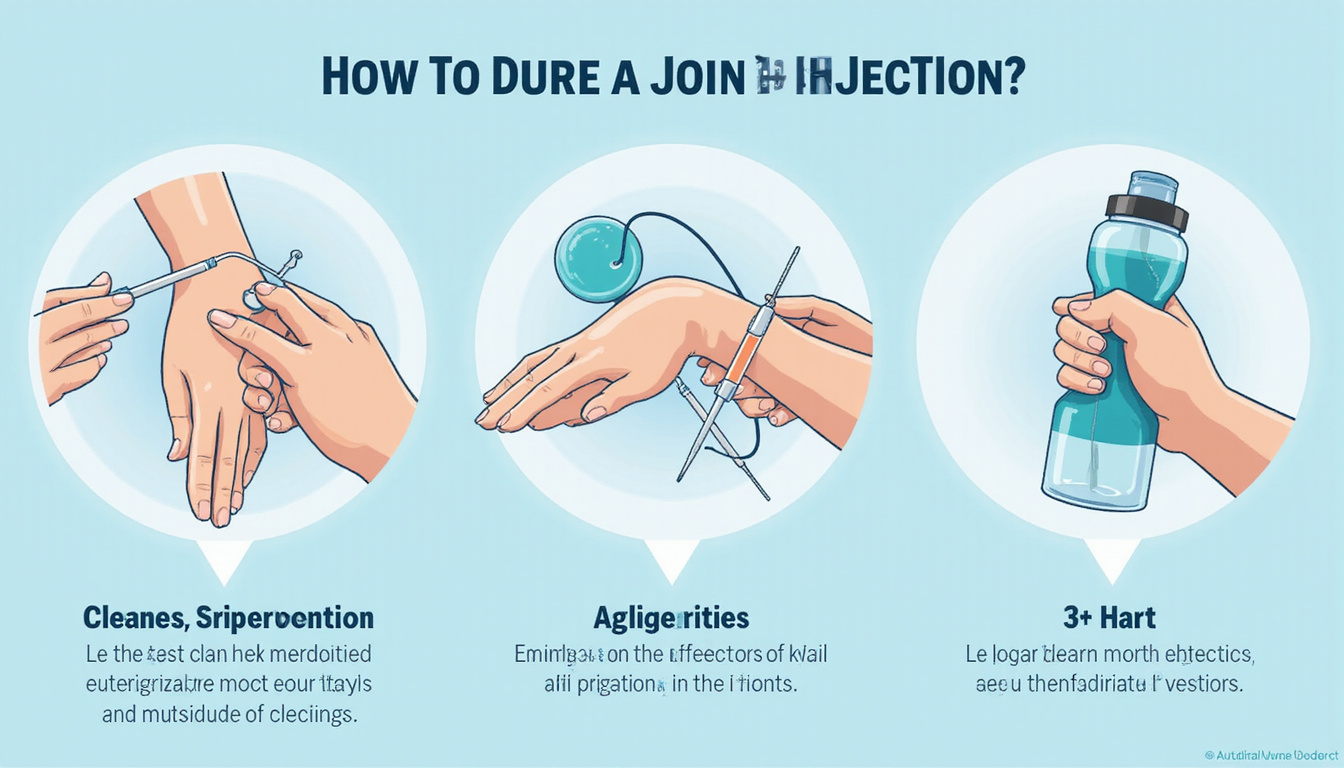
Key supports include:
– Targeted strengthening: Build muscles around the joint so they carry more load.
– Gentle mobility work: Stretch and move to prevent the joint from feeling stiff.
– Weight and load management: Losing even a little weight can ease pressure on your joints.
– Nutrition-based support: Use nutrients that help your joints and muscles stay healthy.
Where Regenerix Gold Fits into Your Joint Safety Game Plan
If you plan your day around your joint pain, if you choose errands based on your joint comfort, or if you sometimes say no to activities, you already think about the long game—not just quick fixes.
Regenerix Gold is a nutrition-based supplement made for people who want healthy joints and muscles.
It supports your plan so you do not rely only on needles or prescriptions.
– Nutrition‑focused: It has ingredients that help joint and muscle health instead of numbing pain.
– Recommended by experts: Doctors and physical therapists suggest it as part of a joint-support plan with exercise and smart activity pacing.
– Trusted for over a decade: Positive reviews come from people who have used other methods but want extra support.
Note that Regenerix Gold is a dietary supplement.
It does not diagnose, treat, cure, or prevent disease.
Instead, it works as part of a healthy lifestyle with good exercise, weight control, and joint care.
By supporting joint comfort and strength with nutrition, you may reduce your need for frequent injections.
This approach is part of a modern view of joint injection safety: use injections when needed, but have a broader plan.
Regenerix Gold
Practical Checklist: Keeping Your Joint Injections as Safe as Possible
Use this list before your next appointment:
- Write down all the medications and supplements you take.
- List any past reactions or bad experiences with injections.
- Ask who will perform the injection and how many times they have done it.
- Ask if they use imaging guidance.
- Confirm their steps for sterile technique.
- Ask about realistic benefits, risks, and limits on repeats.
- Get clear aftercare instructions before you leave.
- Decide how you will support your joints long‑term (with exercise, nutrition, and supplements like Regenerix Gold).
FAQ: Common Questions About Joint Injection Safety
1. Are joint injections safe when done repeatedly?
Repeated injections can help if timed well.
Safety depends on spacing injections, keeping to a reasonable yearly limit per joint, and adding strength and nutrition support.
Talk about long‑term plans with your provider so you do not rely only on injections.
2. How can I reduce my risk and improve injection safety for knees and shoulders?
For knee and shoulder injection safety, choose an experienced provider.
Ask about ultrasound guidance.
Follow aftercare instructions closely.
Strengthen surrounding muscles, maintain a healthy weight, and use a joint-supportive supplement like Regenerix Gold to help lower your injection needs.
3. What is the safest way to manage joint pain: injections or supplements?
There is no one‑size‑fits‑all answer.
Injections offer targeted, short‑term help under medical care.
Nutrition-based supplements like Regenerix Gold support joint and muscle health over time.
Many people use both options—daily supplements and lifestyle changes, and injections when needed.
Take Control of Your Joints—and Your Future
Ignoring your joint pain is not an option.
Shots, pills, braces, and days on the couch after pain all have costs.
There is an emotional cost and even a financial cost if your pain affects your job or leads to expensive procedures.
Focusing on joint injection safety means you stay ahead and avoid a crisis.
A smart plan includes:
– safe, well-planned injections only when needed,
– regular strengthening and movement, and
– nutrition support like Regenerix Gold to help keep your joints and muscles strong.
You join the group of proactive, informed people who plan ahead.
If you care about protecting your joints, staying mobile, and keeping your future secure, add Regenerix Gold to your joint‑health plan.
Try a bottle, use it every day, and feel the difference.
It is a small, smart step toward keeping control of your joints—not letting them control you.
Special Discount
If you prefer preventive nutrition to minimize expensive knee surgery and potentially addictive pharmaceuticals, Regenerix Gold is your savvy solution.
You qualify for a special discount.
Simply use the link below and a discount will automatically be applied during checkout.
Get Regenerix Gold => HERE


