

Unlocking Mobility: How Movement Matters for Healthy Joints As you navigate through your day, whether it's engaging in activities you enjoy or managing everyday tasks, you may find yourself increasingly aware of your joints and their role in your mobility. You’re not alone in these feelings of uncertainty or the desire to maintain your independence. Many people are seeking non-drug solutions that fit seamlessly into their routines as they age. It's important to acknowledge that changes in how we feel and move are common as we grow older or as our activity levels shift. However, these changes do not define our ability to enjoy life or engage in the activities that matter most. Embracing long-term consistency in our approach to movement and joint health is essential, rather than looking for quick fixes or immediate results. Incorporating specific types of movement into your daily life can support the normal structure and function of your joints. Let’s explore how you can enhance your mobility and well-being through movement — not only for your joints but for your overall lifestyle.

Key Takeaways
- Maintaining healthy joints is crucial for overall mobility and quality of life.
- Regular movement promotes better joint function and helps prevent stiffness.
- Sedentary lifestyles can lead to joint deterioration and increased pain over time.
- Incorporating diverse movements, such as stretching and strengthening exercises, benefits joint health.
- Daily physical activity is essential to preserve joint function and prevent future issues.
The Importance of Joint Health
As we navigate daily activities, the importance of maintaining healthy joint function cannot be understated. Whether walking, enjoying a round of golf, or simply climbing stairs, movement matters greatly for our overall well-being, especially as we age. Many of us desire to remain active and independent during these years, which often leads to a preference for supporting our bodies with non-drug options that fit easily into our routines. It’s common to feel some uncertainty about mobility changes over time; however, it’s essential to recognize that these are natural aspects of aging and activity history. Instead of allowing these shifts to dictate our capabilities, focusing on long-term, consistent habits can make a significant difference in how we maintain our vitality and engagement in life.
Understanding the Role of Movement in Joint Function
As we navigate the natural changes that come with aging, many of us find ourselves reflecting on how to maintain our independence and stay active in our daily lives. Whether it's enjoying a leisurely stroll through the park, engaging in a round of golf, or simply tackling household chores, the desire to keep moving is powerful. Yet, feelings of uncertainty about our joint health may arise, especially when our bodies don't seem to cooperate as they once did. It's important to recognize that variations in how we move are common. Factors such as our activity history and life stages can influence our flexibility and resilience. However, it's reassuring to know that these changes do not define our capabilities. Consistency in movement, rather than seeking quick solutions, can promote a greater sense of wellbeing and support long-term joint function.
'The greatest wealth is health.' - Virgil
How Lack of Movement Affects Joint Health
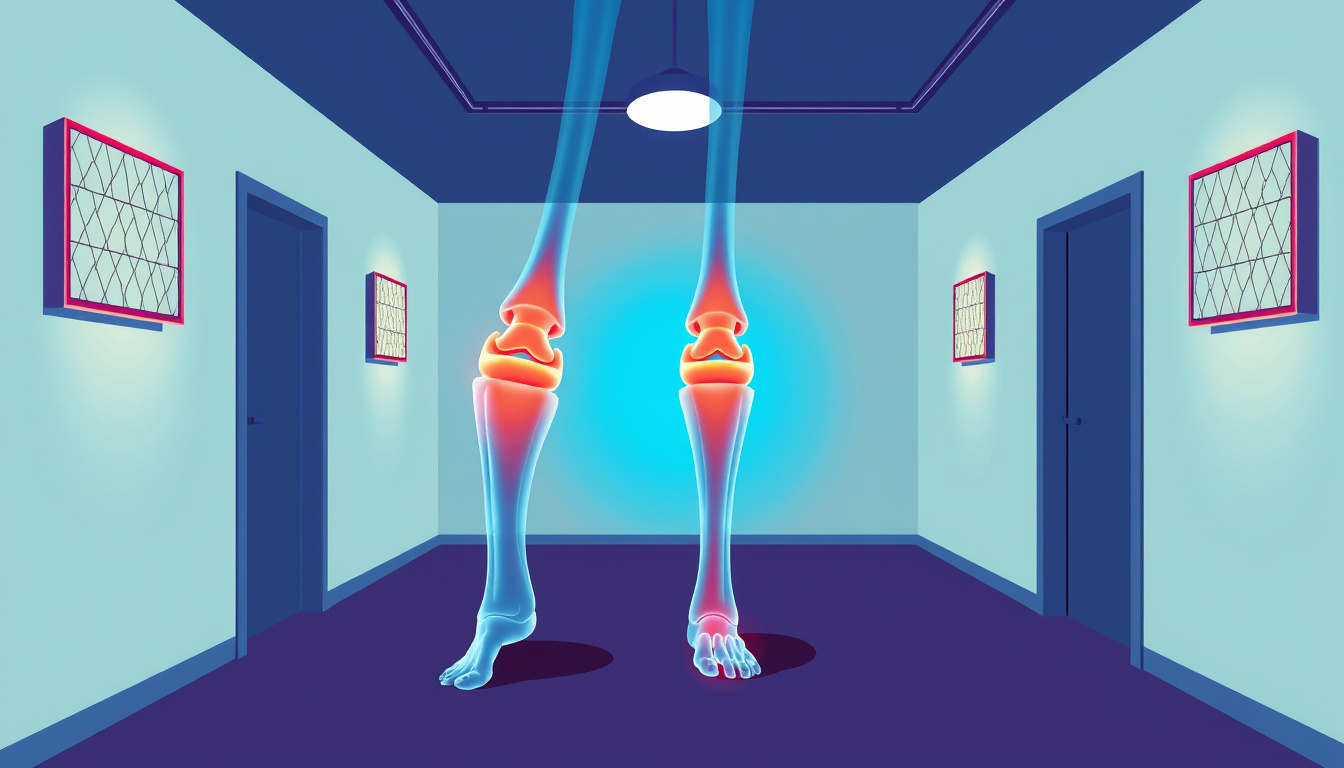
As we navigate our daily lives, whether it's taking a leisurely stroll, tackling household chores, or engaging in hobbies, the importance of regular movement becomes increasingly apparent. It's common to notice that as we age, factors such as changed routines or a decrease in physical activity can affect how our joints feel. This reduction in movement may lead to feelings of uncertainty about maintaining independence and staying active. Many individuals find themselves seeking non-drug options that can fit seamlessly into their routines, striving for a balanced lifestyle that supports their overall well-being without complicating things. Recognizing that changes in mobility are part of the natural aging process can be reassuring; it's essential to remember that structural changes do not define your overall capability. Rather, focusing on consistent, long-term practices can play a key role in supporting joint health.
Types of Movement that Benefit Your Joints
Being mindful of how we move is crucial, especially as we age. Regular, gentle movement can play a significant role in maintaining the natural resilience and flexibility of our joints. Activities like walking, swimming, or stretching not only foster physical health but also offer emotional benefits, helping maintain independence and overall well-being. As we incorporate movement into our daily routines—whether it's taking the stairs, engaging in a hobby, or participating in light sports—it's common to notice that changes in how our body feels during these activities may arise over time. This is a normal part of the aging process and doesn’t have to limit our capabilities. The key lies in developing a consistent movement practice that supports our joint health through gradual engagement, letting progress unfold naturally.
Incorporating Movement into Daily Life
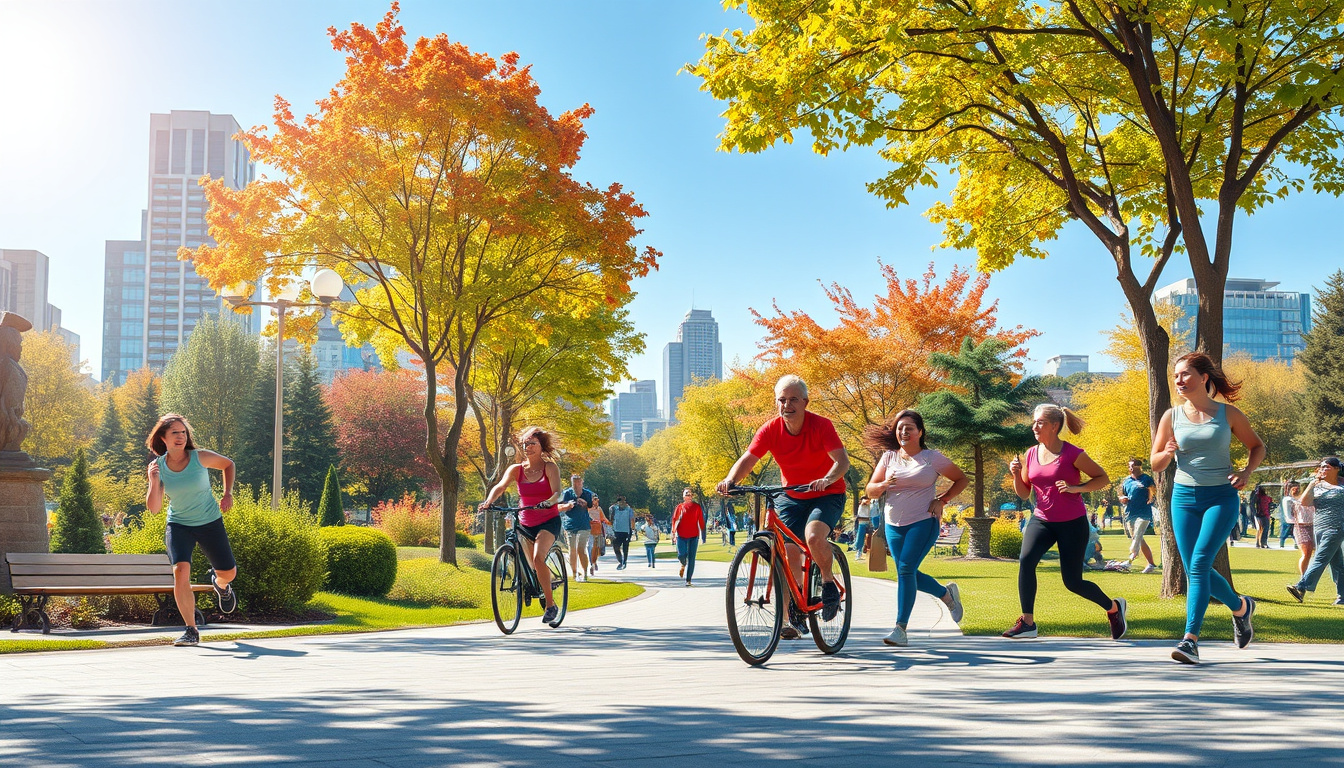
As we navigate daily life, the importance of incorporating movement becomes increasingly clear, particularly for maintaining the health of our joints. Simple activities such as taking a walk in the neighborhood, engaging in light stretching, or even participating in hobbies like gardening or dancing help keep our bodies active and responsive. Many individuals in their 50s and beyond often recognize the subtle changes in their mobility and flexibility, leading to questions about how to stay active and independent without feeling overwhelmed by complex routines. It's natural to seek options that seamlessly fit into daily life, allowing for both function and enjoyment without the need for complicated regimens.
Preventive Measures for Joint Health Through Movement
As we navigate our daily routines—whether enjoying a leisurely walk, engaging in a favorite sport, or simply tending to our gardens—it's common to notice changes in how our joints feel or move. As we age, many seek ways to maintain their independence and a sense of normalcy in activities they cherish. The realization that mobility and flexibility can shift with time can lead to uncertainties. However, it's important to recognize that these changes are a part of life and don’t have to determine one's overall capability. Emphasizing consistent movement, rather than chasing quick fixes, can be an effective approach to sustaining joint health and maintaining an active lifestyle.
- active aging concerns,
- active lifestyle joint anxiety,
- activity related stiffness,
- adapting routines for joints,
- adult wellness mindset,
- after rehab joint uncertainty,
- aging joints anxiety,
- alongside professional care,
- avoiding aggressive treatments,
- buying joint support for spouse,
- caregiver joint support concerns,
- cats claw ingredient education,
- cautious supplement decisions,
- collagen education joints,
- commuting stiffness joints,
- comparing joint ingredients,
- confused by imaging language,
- connective tissue nutrition,
- conservative buyers joint support,
- conservative joint support options,
- conservative wellness approach,
- consistency over quick fixes,
- convenience based nutrition,
- daily joint habits,
- daily joint tightness,
- declining joint flexibility,
- desk job joint stiffness,
- dietary supplement education,
- distrust supplement hype,
- education before purchase,
- evidence aware consumers,
- exercise confidence joints,
- exercise tolerance declining,
- family joint wellness planning,
- fda compliant supplement content,
- fear of losing mobility,
- fitness over 50 joint care,
- frankincense boswellia education,
- future mobility planning,
- ginger ingredient education,
- golfers joint concerns,
- hyaluronic acid education,
- imaging anxiety education,
- imaging does not equal outcomes,
- imaging education non diagnostic,
- increased recovery time joints,
- independence and joint health,
- informed supplement decisions,
- ingredient transparency importance,
- interpreting imaging context,
- joint endurance concerns,
- joint health urgency,
- joint instability worries,
- joint longevity planning,
- joint recovery slowing,
- joint resilience concerns,
- joint stiffness concerns,
- joint structure education,
- joint wellness routines,
- joints feel fragile,
- joints feel weaker,
- joints recover slower,
- lifestyle impact joints,
- lifestyle joint stressors,
- lingering stiffness worries,
- long term joint support after care,
- long term joint support mindset,
- maintaining progress after therapy,
- medical authority required imaging,
- mobility anxiety adults,
- morning stiffness concerns,
- movement confidence concerns,
- mri wording concerns,
- non diagnostic joint education,
- non drug joint approach,
- pickleball joint worries,
- plant based joint ingredients,
- post therapy joint concerns,
- proactive joint care,
- prolonged sitting joint concerns,
- quality of life joints,
- reassurance after imaging,
- recreational athletes joint longevity,
- reduced joint confidence,
- researching joint nutrition,
- routine friendly joint support,
- safe joint support mindset,
- simple joint routines,
- sitting related joint tightness,
- skeptical supplement buyers,
- slow warm up joints,
- sports minded adults joint health,
- staying active over 50,
- staying active without injury,
- stiffness after rest,
- structure function supplements,
- supplement safety education,
- supporting aging parents joints,
- travel related joint stiffness,
- trust based supplement education,
- turmeric ingredient education,
- type ii collagen education,
- ultrasound findings worry,
- workday joint discomfort,
- worried about joint decline,
- worried about joint setbacks,
- xray report anxiety


