

If you snapped a needle in the middle of a project, if you fought with stitches that skip, or if your seams “ladder” and feel weak, your needle gauge may be the quiet culprit.
Like joint pain that flares when you move the wrong way, fabric acts up when a wrong-sized needle pushes through it.
Choosing the right gauge protects your fabric. It also protects your hands, wrists, and shoulders from strain caused by poor tension and repeated work.
Below is a simple guide. Use it to pick the right needle gauge for each sewing project. This guide works especially well if your fingers, knuckles, or shoulders already ache. Sew smarter, not harder.
What Is Needle Gauge, Really?
In sewing, needle gauge means the needle’s thickness.
The gauge matters for machine sewing, hand sewing, knitting, or embroidery. It affects:
• How fast the needle goes through the fabric.
• The size of the hole it leaves.
• How much force your arms must use.
• How easily the needle bends or breaks.
If every twist in your wrist hurts, a correct gauge can mean the difference between gentle sewing and painful sessions.
Understanding Needle Gauge Systems (Machine & Hand Sewing)
Needle gauge labels differ. The labels depend on the task. Here is how you read them.
Sewing Machine Needle Sizes
Machine needles show two numbers such as 80/12 or 90/14.
• The first number (60–110) is the European size. A larger number means a thicker needle.
• The second number (8–18) is the American size.
A rough guide:
• 60/8 – 70/10 for very fine, lightweight fabrics.
• 80/12 – 90/14 for medium fabrics.
• 100/16 – 110/18 for heavy fabrics.
If stiff hands make re-threading or ripping seams a pain, a proper gauge reduces mistakes and strain.
Hand Sewing Needle Sizes
Hand sewing needles use a single number. Here, a smaller number means a thicker needle and a larger number means a finer needle.
For example:
• Size 3 is thicker than size 10.
• Needles for upholstery or leather are thick and sturdy.
• Sharps, betweens, and embroidery needles are finer.
If your thumbs ache or your knuckles are tender, use a needle that does not bend too much or feel heavy to push.
Matching Needle Gauge to Fabric Type
You would not lift a heavy box with a sore back. Do not force the wrong needle through the wrong fabric. Use these tips.
Lightweight Fabrics (Voile, Lawn, Silk, Chiffon)
• Machine: 60/8 or 70/10
• Hand: Fine sharps or milliners in higher numbers (for example, 9–10)
Why: A slim needle glides through without leaving big holes or snags. A thick needle can punch through fibers and change seam appearance.
Good signs:
• Fabric feeds well.
• Seams do not pucker.
• You feel little resistance in your hands.
Medium-Weight Fabrics (Quilting Cotton, Poplin, Linen, Light Denim)
• Machine: 80/12 or 90/14
• Hand: Medium sharps (sizes 6–8) or quilting needles (“betweens”)
Why: A medium needle is strong enough for several layers. It still keeps seams neat. If your wrists are tender, this gauge gives a balance of ease and control.
Heavy Fabrics (Canvas, Upholstery, Heavy Denim)
• Machine: 100/16 or 110/18
• Hand: Heavy-duty or upholstery needles, denim/jeans needles
Why: Thick fabrics need a thick needle. This prevents bending and snapping. For those with a weak grip or thumb pain, a needle that is too fine causes extra strain.
Stretch & Knit Fabrics (Jersey, Spandex, Sweatshirt Fleece)
• Machine: 75/11 or 80/12 using ballpoint or stretch needles
• Hand: Ballpoint hand needles in medium sizes
Why: The needle must slide between the yarns rather than cut them. A ballpoint tip and a moderate gauge keep stitches flexible and lessen skipped stitches.
Needle Gauge and Yarn Size for Knitting & Crochet
If your hands swell after tight stitches, your needle or hook gauge might be too small for your yarn or your tension.
Standard Pairings (Approximate)
• Fingering/sock yarn: US 1–3 (2.25–3.25 mm)
• Sport weight: US 3–5 (3.25–3.75 mm)
• DK: US 5–7 (3.75–4.5 mm)
• Worsted: US 7–9 (4.5–5.5 mm)
• Bulky: US 9–11 (5.5–8 mm) and up
For those with hand or joint discomfort, using slightly larger needles or hooks than the recommendation can:
• Lessen tension.
• Reduce the force needed to grip.
• Make stitches easier to see and work with.
If your fingers lock or your wrists ache after a session, try a needle or hook one size larger and note the difference.
How Needle Gauge Affects Your Body (Not Just Your Fabric)
Sewing, knitting, and handcrafts require physical effort. This effort grows when joints are sensitive. Needle gauge matters because it affects:
• The force you must use. A too-small gauge in heavy fabric means extra pushing, twisting, and gripping.
• Repetitive strain. A very fine needle forces tighter stitches and more effort per stitch.
• Control. A needle too large for thin fabric can make you grip harder to maintain control.
Over time, these small choices add up. Many people with stiff fingers, elbows, or shoulders see a real difference when they use the proper needle gauge.
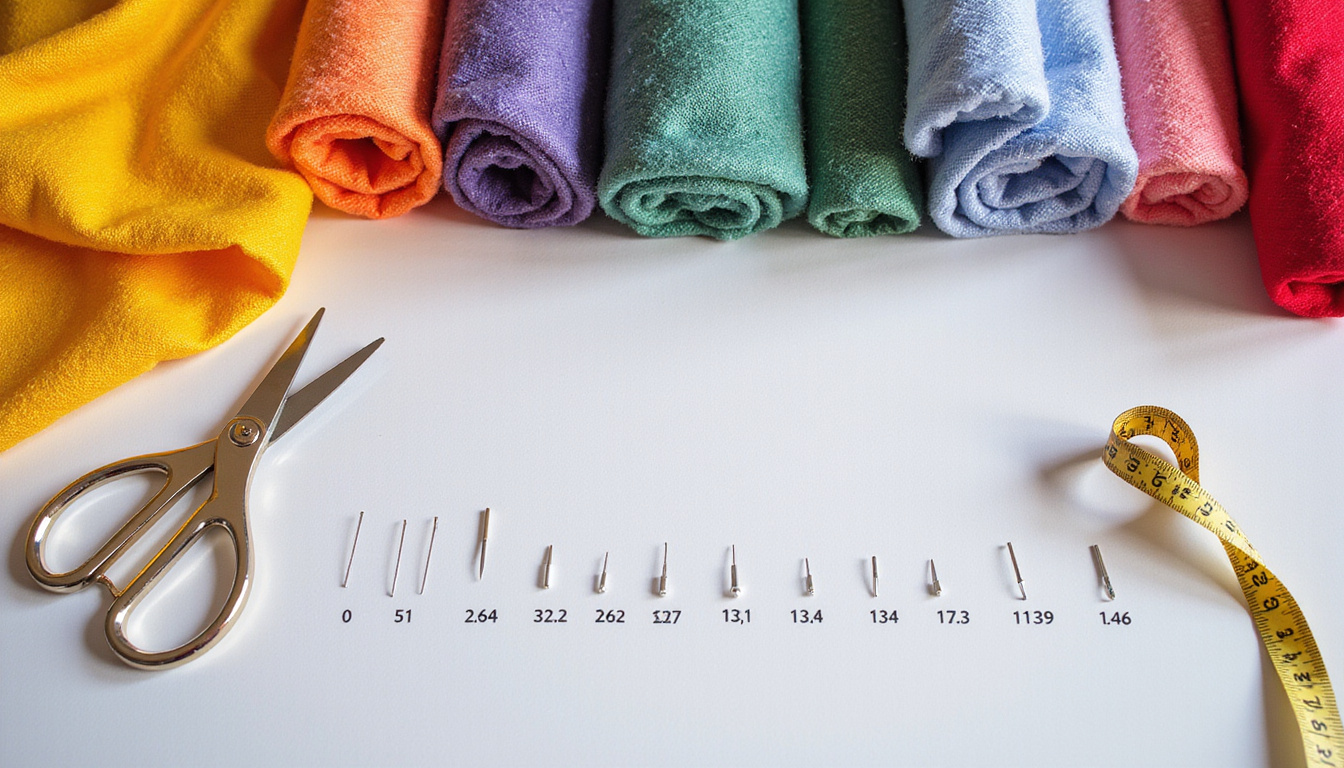
Simple Rules to Choose the Right Needle Gauge
Before you start a project, check these points:
-
Match thickness to fabric or yarn weight.
• Use thin needles for light fabrics.
• Use thick needles for heavy fabrics. -
Follow your machine or pattern’s recommendations.
• Guides from patterns and manuals help set a good starting point. -
Test on a scrap piece first.
• If you see puckering, large holes, or heavy resistance, pick a different gauge. -
Listen to your body.
• If your hands cramp or your wrists feel tired, try a larger gauge or an ergonomic needle. -
Change needles often.
• A dull needle makes you push harder. This increases discomfort and harms fabric.
Where Regenerix Gold Fits Into Your Sewing Life
If your knuckles throb after a long binding session, if your shoulders scream after wrestling with a quilt, or if your fingers do not cooperate when hand-finishing a hem, then you know that needle gauge matters. You choose a needle gauge for both fabric care and your own comfort.
Regenerix Gold is a nutrition-based supplement for people who want healthy joints and muscles. It helps you keep up with sewing, quilting, and embroidery without paying for it the next day.
Key details about Regenerix Gold:
• It is a nutrition-focused formula. It is not a drug. Its goal is to keep joints and muscles healthy.
• It is recommended by doctors and physical therapists.
• It has been used internationally for over a decade. Many users say it helps with activities that use repetitive hand and arm motions.
If you already choose the right needle gauge, use proper lighting, and take breaks, then Regenerix Gold can be part of your routine. It supports your joints from the inside while you manage technique and ergonomics from the outside. Always consult your healthcare provider before starting any supplement.
Practical Needle Gauge Tips for People with Achy Hands
Here are some clear tips that crafters with joint or muscle pain use:
• Go slightly larger. One size up can reduce strain while keeping stitch appearance close.
• Use sharp, high-quality needles. Sharp points and a consistent gauge make fabric glide easier.
• Choose ergonomic tools. Needles and hooks with thicker grips or soft handles ease finger strain.
• Work in short sessions. Shorter sessions help your joints avoid stiffness.
• Support your joints with good technique. Combine proper tools with supplements like Regenerix Gold (if appropriate) to ease strain.
Regenerix Gold
FAQ: Needle Gauge & Comfortable Sewing
• Q1: What needle gauge should I use for basic sewing projects at home?
For most medium-weight fabrics like quilting cotton or light denim, a machine needle gauge of 80/12 or 90/14 works well. If your hand hurts, try 80/12, test it on a scrap, and use a thicker gauge only if needed.
• Q2: How do I know if my needle size or hand needle gauge is wrong?
Watch for puckered seams, loud punching sounds as the needle hits the fabric, bent or broken needles, or pain in your hands after a short session. Any of these signs mean you should adjust your needle gauge.
• Q3: Is a larger needle gauge better for people with joint discomfort?
Not always. A slightly larger gauge can lower tension and friction. In sewing, always start with the recommended gauge for your fabric. You may fine-tune the size based on comfort and test results.
Bring It All Together—And Protect Your Future Sewing Time
Choosing the right needle gauge is not only a choice for your fabric. It is a choice for your comfort. When your gauge matches your fabric or yarn, your hands, wrists, and shoulders work less hard.
Pair that thoughtful choice with good posture, regular breaks, and proper tools. You then give your body a chance to keep pace with your creative work.
If you worry about missing work because your hands or back are too stiff, or if you are concerned about rising medical costs, use care now. Many health-conscious crafters add a nutrition-based joint supplement like Regenerix Gold to protect their joints and muscles. It is recommended by doctors and has been used internationally for over a decade.
When you choose the best tools—the right machine, the perfect needle gauge, quality thread—you show your body the same care. Consider Regenerix Gold and feel its benefits. Keep sewing, quilting, and creating with confidence for years to come.
Special Discount
If you prefer preventive nutrition to minimize expensive knee surgery and potentially addictive pharmaceuticals, Regenerix Gold is your savvy solution.
You qualify for a special discount.
Simply use the link below and a discount will automatically be applied during checkout.
Get Regenerix Gold => HERE


