
osteoarthritis progression: proven strategies to slow and prevent joint damage
by Zestora on Sep 21, 2026

If your joints creak, grind, or feel “bone-on-bone” daily, you know osteoarthritis progression is more than a term. It signals worry that your joints will wear down. You fear you may soon struggle to work, exercise, or climb stairs. The good news is that joint wear can slow with real, science-backed steps. These steps help cartilage stay healthy and let you stay active.
Below is a guide for Americans who face daily joint pain in the knees, hips, hands, or spine. This guide puts people first and helps you take control instead of waiting for things to get worse.
What really drives osteoarthritis progression?
You may see the signs before a doctor says “osteoarthritis.” Stiffness after sitting, noisy joints, a “weather knee,” or pain after work are clear hints. Osteoarthritis progression shows when:
• Cartilage thins slowly
• Imaging shows joint space narrowing
• Bone grows into spurs
• Movement loses its easy flow
• Flare days increase
Some factors push this process faster:
• Extra load on the joint – extra body weight or repeated heavy lifting
• Muscle weakness – especially around joints that bear weight, which causes poor alignment
• Past injuries – old sprains, strains, or impacts that never healed completely
• Repetitive strain – years of kneeling, squatting, or standing hard on your feet
• Genetic and age changes – some people’s cartilage wears faster
You cannot change your age or genes. But you can change load, strength, alignment, and nutrition. Research shows these levers can slow osteoarthritis progression. (source: NIH/NIAMS)
Why “wait and see” is risky when joints already hurt
Sometimes, you hear, “That’s just wear and tear.” Then you go home, and nothing changes. Waiting can be risky. By the time your joints stop you from enjoying life—skipping outings, avoiding stairs, or feeling pain at work—the damage may be advanced.
Watch for these red flags that your joints worsen faster:
• You need stronger over‑the‑counter pills more often
• Your joint swells or feels hot on a normal day
• The joint feels unstable, as if it may give way
• You cut back on walks, errands, or hobbies
• You lean on railings or furniture at home
Catch it early. When you feel only a bit stiff or achy, act now.
Proven lifestyle strategies to slow joint wear-and-tear
1. Smart weight management: even small losses matter
Extra pounds make extra pressure. For knees and hips, each added pound can add many pounds of force with each step.
Research shows that losing 5–10% of your body weight can:
• Lessen joint strain every day
• Make walking and stairs more comfortable
• Slow down the changes seen on imaging
Tips:
• Eat lean proteins like chicken, fish, eggs, or beans at each meal
• Swap sugary drinks with water or unsweetened tea
• Choose a steady, modest calorie cut instead of a crash diet
• Mix your diet with joint‑friendly moves like cycling or water walking
You do not need to become “thin.” Easing the load can help your joints.
2. Build joint-protective strength (without “killing” your knees)
Weak muscles force joints to work too hard. That extra strain makes every step, squat, or lift harsh on your joints. Strong muscles can lead to better alignment and less irritation.
For lower-body joints, focus on these muscles:
• Quads (front of your thigh)
• Glutes (butt muscles)
• Hamstrings (back of your thigh)
• Calves
Try these gentle exercises:
• Sit-to-stands from a chair (use your hands at first)
• Wall squats with a small range of motion
• Step-ups on a low step
• Bridges: lie on your back and lift your hips
Aim for 2–3 days a week. Start with few repetitions and build slowly. A physical therapist can help if you worry about pain. Many people find their joints feel stronger and steadier in just a few weeks.
3. Choose movement that lubricates, not punishes, your joints
Cartilage needs movement because it gets no blood supply on its own. The right type of movement brings nutrients and clears waste from joints. Too much or harsh movement may irritate them.
Try these joint-friendly cardio activities:
• Cycling on a stationary bike or outdoors
• An elliptical machine with moderate resistance
• Water walking, deep water jogging, or aquafit classes
• Walking on flat surfaces in short bursts
Tips to avoid a flare-up:
• Try the “next-day test.” Mild soreness is fine. Sharp pain or swelling means slow down.
• Break up activity. Three sessions of 10 minutes can be easier than one 30‐minute bout.
• Alternate high- and low-impact days.
If your joint feels more like sandpaper than a muscle burn, change your pace or choose another activity.
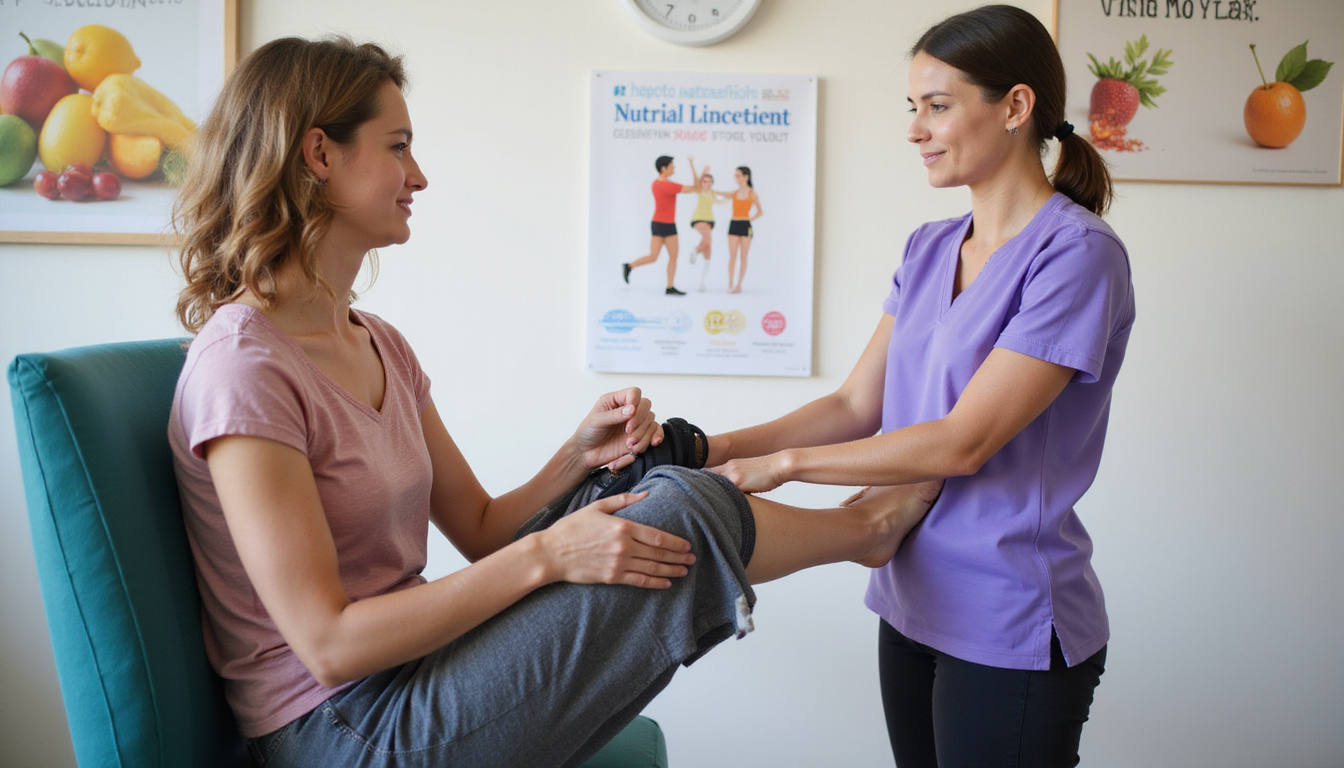
4. Joint-friendly habits at work and home
At work or home, your joints may hurt by the end of the day. Small changes can ease long-term pressure:
• Use joint supports wisely. Braces or sleeves can help sometimes but do not replace muscle strength.
• Adjust your workstation. Use the right chair height, a footrest, or an anti-fatigue mat if you stand.
• Change positions often. Do not sit, kneel, or stand too long in one spot.
• Protect your joints during tasks with kneeling pads, lifting aids, or carts.
• Wear supportive, cushioned shoes to reduce impact.
Small changes repeated often can lower irritation and slow joint wear over time.
Nutrition strategies that support healthy joints and muscles
No single food or pill can cure joint pain. But your joints do respond to the environment in your body. A good nutrition plan aims for:
• Low, steady background inflammation
• The right building blocks for cartilage and joint tissues
• Easy muscle recovery and strength
A joint-friendly diet may include:
• Colorful fruits and vegetables: berries, cherries, leafy greens, and peppers
• Healthy fats: fatty fish like salmon or sardines, walnuts, flaxseed, and olive oil
• Lean proteins: poultry, fish, eggs, Greek yogurt, tofu, and beans
• Fewer high-sugar and highly processed foods that can raise inflammation
People with joint issues often add supplements into the mix. This is where a product like Regenerix Gold may help.
Regenerix Gold: a nutrition-based option for people serious about joint health
If your joints feel stiff, crunchy, or remind you of old injuries, Regenerix Gold is a nutrition-based supplement that may support joint and muscle health. It is not a drug or painkiller, and it does not diagnose or treat diseases. Instead, it gives your body extra nutrients that many people want each day.
Key points:
• Nutrition-focused. It nourishes joints and muscles from within instead of hiding pain.
• Doctor and physical therapist recommended. Many experts add it to exercise, weight control, and activity adjustments.
• A proven record. Used for over a decade with positive reviews from users across the world who want to stay active as they age.
• Supports an active life. People who walk, lift, garden, play sports, or work physically choose it to help counter stiffness and maintain mobility.
Because it is nutrition-based, ask your healthcare provider or physical therapist before adding it. They can check whether it fits with your current routine and medicines.
Regenerix Gold
How Regenerix Gold can fit into a joint-protection plan
If you worry about osteoarthritis progression, a balanced plan has many layers:
- Movement – steady, joint-smart cardio and strength sessions
- Load management – mindful body weight, proper footwear, and work adjustments
- Recovery – good sleep and low stress
- Nutrition – a whole-food diet plus the right supplements
Regenerix Gold fits into nutrition. Many users take it daily along with these habits:
• A high-protein breakfast to fuel muscles
• Short walking or cycling sessions during the week
• Simple exercises at home recommended by a physical therapist
Over time, many report easier movement, less start-up stiffness, and more confidence with everyday tasks like yard work, travel, and time on their feet. Each person is different. This is not a cure; it is a way to help support healthy joints and muscles while you work to improve their strength and function.
Putting it all together: a simple weekly blueprint
Here is a clear plan to combine these ideas:
• Most days:
- 10–20 minutes of low-impact cardio (cycling, walking, or water exercise)
- Include anti-inflammatory foods with every meal
• 2–3 days/week:
- Do brief strength work for the muscles around your joints
- Add short sessions of stretching or mobility work in the evening
• Daily habits:
- Do not sit for more than 30–45 minutes without standing up
- Use joint-protection methods at work and home
- Take your nutritional supplement, like Regenerix Gold, as directed
You do not have to be perfect. Small, steady choices can slow osteoarthritis and keep you in charge.
FAQ: common questions about slowing joint wear and osteoarthritis progression
Q1: Can lifestyle changes really slow osteoarthritis progression in the knee?
Yes. Joints change with age, but weight loss, strength work, and low-impact movement can ease knee stress and improve movement. These changes may help slow joint wear and stiffness over time. Nutrition-based supplements like Regenerix Gold can add extra support.
Q2: How can I slow down osteoarthritis in my hips without overdoing exercise?
Focus on hip and core strength, gentle range-of-motion moves, and low-impact cardio such as cycling or water workouts. Begin slowly so you do not trigger sharp pain or swelling the next day. Adding a nutrient-dense diet and a recommended supplement can also help.
Q3: Are there natural ways to prevent joint damage from progressing?
Yes. Staying at a healthy weight, doing regular joint-friendly activities, building muscle strength, and eating an anti-inflammatory, whole-food diet all support joint health. Many people also use nutrition-based supplements. Regenerix Gold is one option recommended by doctors and therapists with a long history of use.
Why now is the right time to act on your joint health
If joint pain is already making you change your daily choices—parking closer, avoiding stairs, or passing up certain work—your body asks for change. Waiting until the pain is severe can cost you more work days, higher bills, and fewer options down the line.
People who act early with a smart movement plan, joint-protective habits, good nutrition, and a supplement like Regenerix Gold often feel more in control. They feel more informed and less at the mercy of their joints.
If you want to continue working, remain independent, and delay more invasive treatments, now is a good time to care for your joints. Consider adding Regenerix Gold to your routine. With this step, you support your joints and muscles and show that you make smart moves to protect your health, your money, and your future mobility.
Special Discount
If you prefer preventive nutrition to minimize expensive knee surgery and potentially addictive pharmaceuticals, Regenerix Gold is your savvy solution.
You qualify for a special discount.
Simply use the link below and a discount will automatically be applied during checkout.
Get Regenerix Gold => HERE


