

If you play pickleball often, your pelvis supports your whole game. A strong pelvis stops back pain. It links your legs with your core. It sends force into each serve and drop shot. It stops your back from suffering later.
This guide helps American Picklers who feel tightness, soreness, or naggy pain in the low back, hips, or glutes after long rec play, tournaments, or league nights. We explain pelvic stability in simple steps. You will learn why it matters for pickleball, daily moves to start now, and how Regenerix Gold may support your joints and muscles.
Why pelvic stability matters on the pickleball court
Pelvic stability means that you keep your pelvis controlled while you move. It is the link between your lower and upper body.
For pickleball players, strong pelvic stability helps you:
- Load and explode into groundstrokes without straining your back
- Split step, change direction, and lunge at the kitchen without hip pain
- Rotate for overheads and drives without low-back pinches
- Stay balanced in long rallies instead of falling apart by game three
When your pelvis is weak, your low back and knees take the strain. Over time, this may lead to:
- Deep, dull low-back fatigue after play
- Stiff hips after heavy rec nights
- Tightness on one side in the glute or hamstring
- A locked-up feeling when you bend or twist
You do not need perfect form or a pro training program. You need a stable pelvis so that your low back does not do all the work.
The pickleball movement patterns that stress your pelvis
Think of a typical 2‑hour session:
- You split step hard and shuffle left-right near the NVZ
- You lunge suddenly for a sharp angle dink
- You twist and reach for an overhead
- You backpedal, stop, and rotate for a reset
- You repeat these moves hundreds of times
Some moves stress your pelvis more:
-
For rotational drives and overheads, your pelvis pivots. If it wobbles, your low back feels the twist.
-
For asymmetric lunges at the kitchen, you stretch for off-line dinks with a long stride. Without stability, your spine twists under load.
-
For constant start-stop footwork, you plant and push again and again. When your hips and core tire, your low back does the hinging.
-
For serving and big returns, you load one leg, rotate your torso, and finish with a slight extension. This can strain the spine if your pelvis is not stable.
You cannot avoid these moves. Instead, you train your pelvis to stay stable during them.
Simple daily moves to improve pelvic stability
These moves use little equipment and can be done on court. They are for Picklers. Do them daily or on non-playing days. Most moves take 5–10 minutes.
1. Supine pelvic tilts (baseline control)
Why Picklers need it:
It teaches you to move your pelvis without overusing your low back. It is like an “on/off switch” for pelvic control.
How to do it:
- Lie on your back. Keep your knees bent, feet flat, and spine neutral.
- Gently flatten your low back to the floor by tucking your tailbone (posterior tilt).
- Slowly arch away from the floor (anterior tilt) without pain.
- Move smoothly between the two in a small range.
- Reps: 10–15 slow cycles
- Frequency: Daily, before or after play
Focus on smooth control, not big movement. You learn to “find neutral” for your pelvis.
2. Glute bridge with mini hold
Why Picklers need it:
Your glutes hold your pelvis steady for lunges, pushes, and split steps. Strong glutes mean less low-back strain.
How to do it:
- Start in the same position as pelvic tilts.
- Press through your heels and squeeze your glutes. Lift your hips until your shoulders, hips, and knees form a gentle line.
- Hold for 2–3 seconds while you breathe, then lower slowly.
- Reps: 2–3 sets of 8–12
- Frequency: 3–5 times per week
Keep your back from arching too much. Think “glutes up,” not “low back up.”
3. Side-lying clamshells
Why Picklers need it:
This move works your gluteus medius. It helps with side shuffles, split steps, and one-leg stability.
How to do it:
- Lie on your side with knees bent and hips stacked.
- Keep your feet together and slowly lift your top knee like a clam. Do not roll your pelvis backward.
- Lower your knee with control.
- Reps: 2 sets of 12–15 per side
- Frequency: 3–5 times per week
If you feel the move in the front hip more than on the side, shorten the movement. Keep your core slightly braced.
4. Dead bug (Pickler core control)
Why Picklers need it:
It trains your core to steady the pelvis while your arms and legs move—like when you reach for balls while your lower body shifts.
How to do it:
- Lie on your back with hips and knees bent at 90°. Place your arms up.
- Draw your ribs gently down and brace your core as if a cough is coming.
- Slowly extend one leg and the opposite arm while keeping your low back flat.
- Return and switch sides.
- Reps: 2–3 sets of 5–8 per side
- Frequency: 3–5 times per week
Move slowly. Quality is more important than quantity.
5. Single-leg stance with rotations
Why Picklers need it:
This move mimics serving, finishing a drive, or planting while your upper body rotates.
How to do it:
- Stand on one leg with a soft knee and level pelvis.
- Hold your paddle or a light object in front of you.
- Slowly rotate your torso a few inches left and right, while your pelvis stays steady.
- Do not let your hips sway. Imagine a cup of water on your pelvis that must not spill.
- Reps: 2 sets of 20–30 seconds per leg
- Frequency: 3–5 times per week
As you get better, try it barefoot or on a slightly unstable surface like a folded towel.
6. Hip hinge with dowel (pickleball-friendly patterning)
Why Picklers need it:
It trains you to bend from your hips instead of rounding your low back when picking up balls, reaching low, or loading into shots.
How to do it:
- Stand tall with a broomstick or dowel along your spine. It should touch the back of your head, mid-back, and tailbone.
- Soften your knees.
- Push your hips backward while keeping the three contact points on the stick.
- Hinge until you feel a stretch in your hamstrings, then return.
- Reps: 2–3 sets of 8–10
- Frequency: 3–5 times per week
This movement alone can save post-session stiffness.
A quick daily pelvic stability routine for Picklers
Put it together in under 10 minutes:
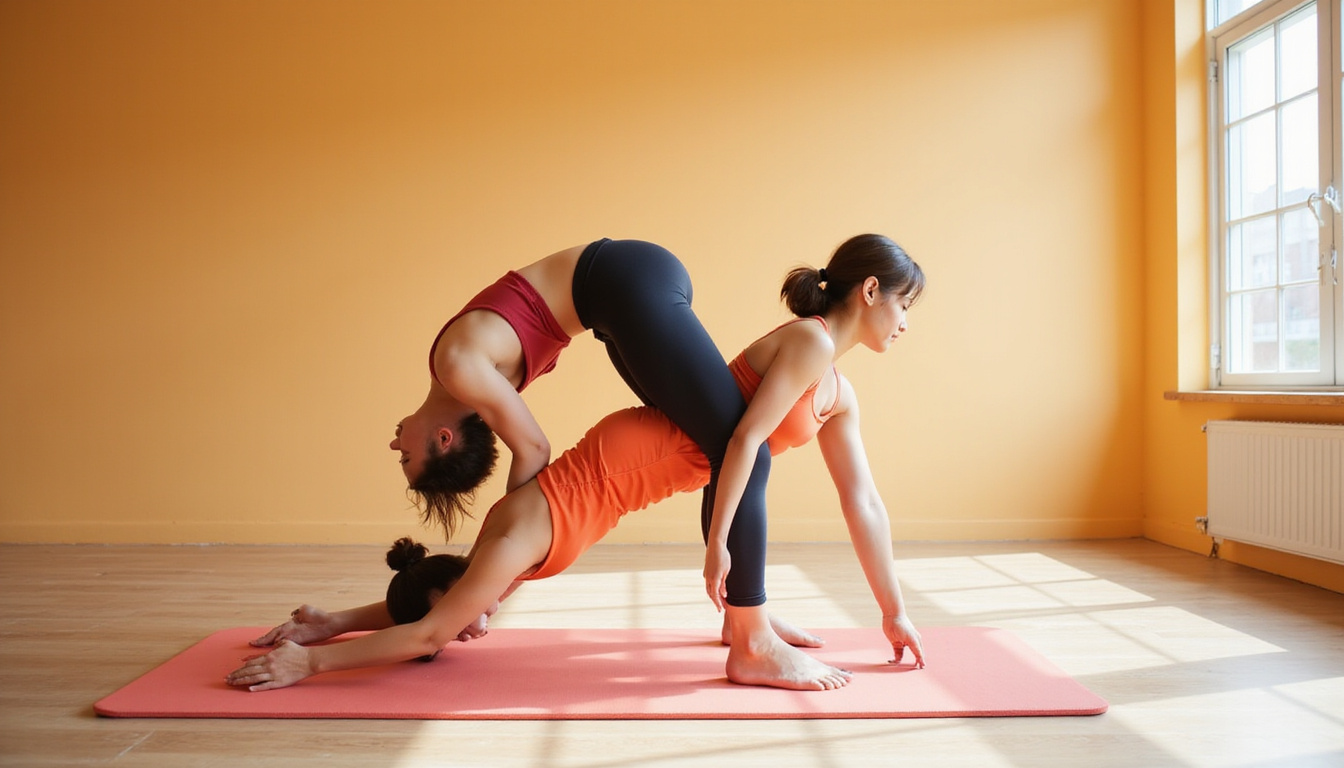
- Pelvic tilts – 10 slow reps
- Glute bridges – 10 reps with a 2–3 second hold
- Clamshells – 12 reps per side
- Dead bugs – 6 reps per side
- Single-leg stance with rotations – 20 seconds per leg
- Hip hinges – 8 slow reps
Do this:
- On non-playing days to build strength
- As a warm-up before play (using moves 2, 3, 5, and 6)
- As a cool-down with fewer reps after play
How nutrition supports pelvic stability and resilient joints
Your muscles and joints around the pelvis and spine work hard when you play. Movement and recovery are key, but so is good nutrition.
Pelvic stability needs:
- Muscles that activate, support, and recover
- Joints and connective tissue that handle stress
- A body environment that resists flare-ups
A balanced diet with enough protein, proper hydration, and targeted supplements can affect how you feel after tough sessions. Many active adults add joint and muscle-supporting supplements to their training and mobility work to play longer (source: https://ods.od.nih.gov/).
Regenerix Gold: nutrition-based support for Picklers’ joints and muscles
For players who seek pelvic stability, low-back comfort, and confident court movement, Regenerix Gold offers nutrition-based support. It supports your joints and muscles and is not a quick fix or drug.
Key points for Picklers:
-
Joint and muscle-focused formula:
It supports the structures you rely on to lunge, pivot, twist, and recover—your hips, spine, knees, and soft tissues. -
Endorsed by doctors and physical therapists:
Health pros recommend Regenerix Gold to active adults. It helps maintain healthy joints and muscles while you play. -
A decade of real-world use:
For more than 10 years, users around the world have praised Regenerix Gold for keeping them active, mobile, and on court. -
Supports your whole “pelvic engine”:
When your hips, glutes, and low-back muscles feel supported, your pelvic stability improves with your daily moves.
Important: Regenerix Gold is a dietary supplement, not a medication. It is not meant to diagnose, treat, cure, or prevent any disease. Always talk to your healthcare provider before use.
Video: Learn more about Regenerix Gold
Regenerix Gold
On- and off-court habits that help your pelvis and back
Exercises and nutrition are important, but your everyday habits also help.
Try these changes:
-
Warm up with purpose:
Spend 3–5 minutes on light jogging, side shuffles, and dynamic hip openers before you play. -
Rotate smart:
When reaching, turn both your hips and shoulders. Do not twist only from your low back. -
Pick up balls with a hip hinge or lunge:
Use your hinge pattern so that each ball pickup feels like a mini strength move, not a strain. -
Alternate sides:
Switch sides when serving or carrying bag to avoid always loading the same side. -
Respect warning signs:
Reduce hard swings if you feel back or hip tightness. Focus on placement and resets instead of always using power.
FAQ: pelvic stability and pickleball
-
How does pelvic stability help with lower back pain in pickleball?
Pelvic stability lets your hips and core share the load. This stops your low back from taking every twist, lunge, and sudden stop. With a steady pelvis, your spine bends less, which can reduce post-play pain. -
What are the best pelvic stability exercises for pickleball players?
Good moves include glute bridges, clamshells, dead bugs, single-leg stance with rotations, and hip hinges. These exercises train your glutes, deep hip muscles, and core to work as one unit. -
Can supplements help support pelvic stability and back comfort?
Supplements do not replace good training or medical care. However, joint and muscle-supporting supplements like Regenerix Gold can be a smart addition. They help support joint health and muscle function so you may recover faster after tough sessions. Always check with your healthcare provider before starting a supplement.
Time to protect your “pickleball engine”
Your pelvis is the hidden MVP behind every sharp dink, deep drive, and agile save. If you feel back tension creeping into your game, now is the time to work on pelvic stability—before pain slows you down.
- Try a 5–10 minute daily stability routine
- Use smarter movement patterns on court
- Choose good nutrition and support with Regenerix Gold
Together, these steps help you keep playing longer, with more strength and less worry about the next morning’s pain.
If you are a savvy Pickler who plans ahead, protect yourself from high medical bills, lost work time, and long-term back issues. Pick up a bottle of Regenerix Gold and add the simple daily moves from this guide. Give your hips, back, and game a few weeks to respond. You already sharpen your paddle and shoes; now give your joints and muscles the same care.
https://youtu.be/mGrH5UWFxUs?si=X9bScbG6dvejGkZf
Health Note
Always consult a licensed medical doctor for your health issues.
Special Discount
If you prefer preventive nutrition to minimize expensive knee surgery and potentially addictive pharmaceuticals, Regenerix Gold is your savvy solution.
You qualify for a special discount.
Simply use the link below and a discount will automatically be applied during checkout.
Get Regenerix Gold => HERE


