
pharmacodynamics Demystified: Understand Drug Effects, Dosing, and Responses
by Zestora on Oct 30, 2026

If you’ve ever swallowed an anti‑inflammatory, a muscle relaxer, or a pain pill and wondered “why does this work for my joints but not for my friend?”, you’re already thinking about pharmacodynamics—even if you don’t know the term. For anyone in America dealing with creaky knees, stiff hips, or that “can’t-get-out-of-bed” back ache, understanding pharmacodynamics can help you make smarter decisions about drugs, dosing, and even nutrition-based support like Regenerix Gold.
What Is Pharmacodynamics in Simple Terms?
Pharmacodynamics is the science of what a drug does to your body:
- How a drug attaches to targets in your body (like receptors on cells)
- What kind of response it triggers (pain relief, muscle relaxation, reduced stiffness)
- How strong that response is at different doses
When you take something for your joints or muscles—whether it’s a prescription, an over-the-counter pill, or a supplement—the pharmacodynamics determines:
- How fast you feel it
- How intense the relief is
- How long it lasts
- Why you sometimes get side effects
If you live with daily joint niggles—grinding knees on stairs, stiff neck when you wake up, or that dull, constant ache in your lower back—pharmacodynamics is at work every time you reach for a bottle in your medicine cabinet.
Pharmacodynamics vs. Pharmacokinetics: Why Both Matter for Achy Joints
These two terms sound technical, but they’re very different:
-
Pharmacodynamics: What the drug does to your body
– Example: How an anti‑inflammatory drug reduces joint tenderness. -
Pharmacokinetics: What your body does to the drug
– Example: How fast your stomach absorbs it, how your liver breaks it down, and how your kidneys clear it.
Both matter if you’re trying to manage:
- Morning stiffness that takes an hour to “loosen up”
- Pain that flares after a long day on your feet or at your desk
- Soreness that wakes you up in the middle of the night
If a drug doesn’t reach the joint tissues (pharmacokinetics), its pharmacodynamics can’t help you. And if it binds poorly to its targets, you might swallow pills with very little payoff.
How Drugs Actually Work: Receptors, Signals, and Your Joint Pain
Most drugs work by binding to receptors—special proteins on or inside cells that act like locks. The drug is the key. When it fits:
- It can turn activity up (agonist)
- Or turn activity down (antagonist)
For joint and muscle discomfort, you’re often dealing with drugs that:
- Block pain signals
- Reduce inflammatory signaling
- Relax overworked or tight muscles
Common Pharmacodynamic Actions in Musculoskeletal Drugs
-
Pain relievers (analgesics)
Many work by:- Blocking pain signal transmission in the nervous system
- Changing how your brain perceives the discomfort from that cranky knee or tight shoulder
-
Anti‑inflammatory drugs
These often:- Interfere with enzymes that drive inflammatory signaling
- Help bring down swelling, warmth, and that “puffy joint” feeling
-
Muscle relaxers
Typically:- Work on the central nervous system to reduce muscle overactivity
- Help with spasms, tight low-back muscles, and those “locked up” neck episodes
All of these effects are classic pharmacodynamics: the drug changes how your cells or nerves behave, which you feel as less stiffness, less grinding, or less throbbing.
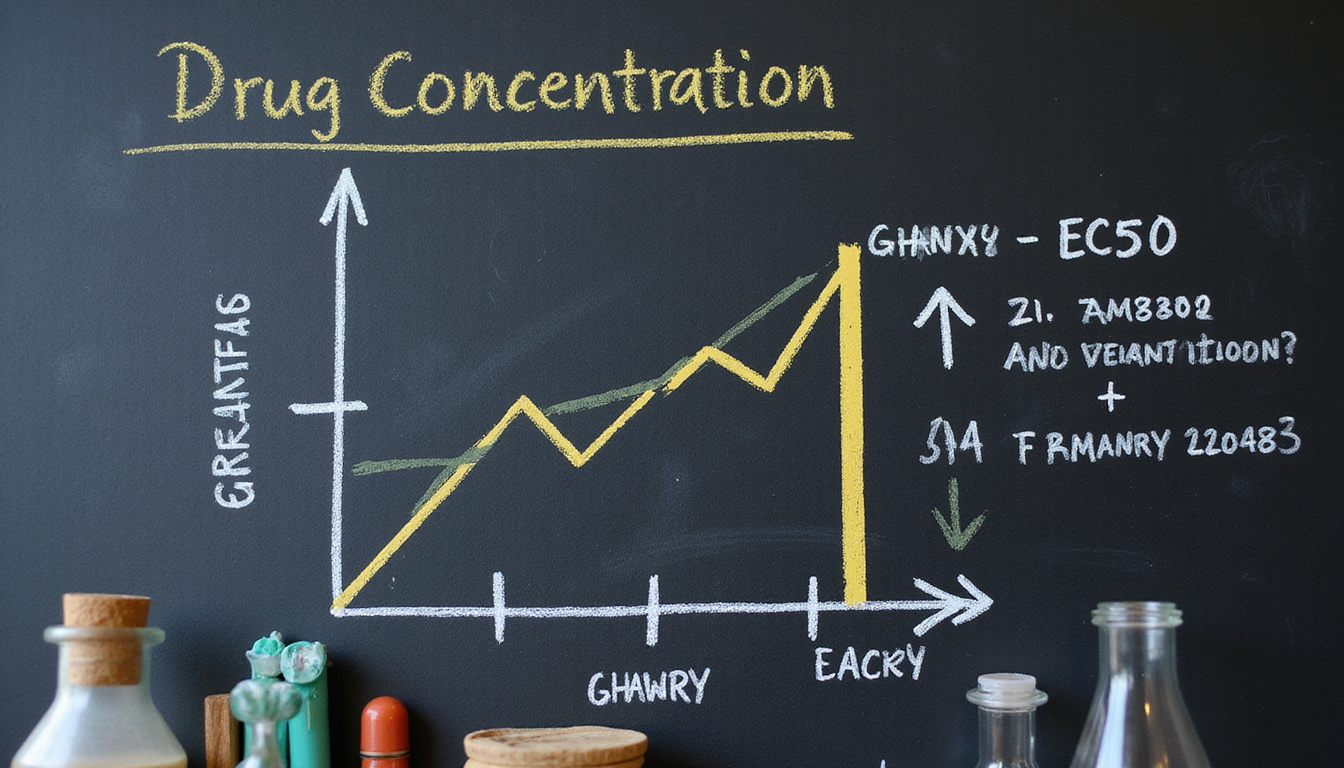
Dose–Response: Why “More” Is Not Always “Better”
If you’ve ever thought “one pill helped, maybe two is better,” you’re bumping into another core concept of pharmacodynamics: the dose–response relationship.
The Unified Idea
- At low doses, you might not feel much.
- At moderate doses, you reach the “sweet spot” where relief is solid but side effects are still manageable.
- At higher doses, benefits often flatten out, while the risk of side effects climbs.
This is why your doctor or physical therapist warns you, “Don’t just double the dose if you’re still sore.”
For joint and muscle issues, you want:
- Enough drug or nutrient activity to help you bend, lift, and walk with less resistance
- Not so much that you run into unnecessary side effects or stress other organs
Sensitivity, Tolerance, and Why the Same Drug Feels Different Over Time
Two important pharmacodynamic ideas explain why your body’s reaction can change:
-
Sensitivity
Some people are very sensitive to a medication—they feel dizzy, sleepy, or get an upset stomach from even a standard dose. Others feel almost nothing.Reasons can include:
- Genetic differences
- Age
- Overall health
- Other meds or supplements you’re taking
-
Tolerance
Over time, your body can adapt. The same dose might:- Feel weaker
- Not last as long
This can tempt people to “up the dose on their own,” which can be risky without guidance.
Both sensitivity and tolerance are pharmacodynamic effects—changes in how your body responds, not how you absorb or clear the drug.
Why People With Joint Problems Should Care About Pharmacodynamics
If you live with:
- Crunchy knees every time you squat
- Hip stiffness that makes getting in and out of the car a chore
- Shoulder or elbow discomfort that limits lifting or reaching
- A lower back that locks up if you sit too long
…then you’re probably mixing:
- Prescribed meds
- Over‑the‑counter pain relievers or topicals
- Supplements for joint comfort
- Lifestyle changes and physical therapy
Understanding pharmacodynamics helps you:
- Respect dosing instructions instead of “winging it”
- Realize why your friend swears by one drug that does nothing for you
- Talk more clearly with your doctor or PT about what actually helps
- See the value of non-drug options that support joint tissues from a nutritional angle
Nutrition-Based Joint Support vs. Drugs: Different Pathways, Same Goal
While many pain and anti‑inflammatory drugs act quickly on nerve signals or enzymes, nutrition-based joint solutions focus on supporting the structures themselves:
- Cartilage
- Tendons
- Ligaments
- Surrounding muscles
This isn’t about diagnosing or treating any specific medical condition. Instead, it’s about giving your body nutrients that:
- Support normal joint and muscle function
- Help you maintain comfortable, fluid movements
- Fit into a long‑term strategy rather than only short, reactive “take a pill when it hurts” moments
Here, pharmacodynamics is still relevant—nutrients and bioactives can interact with receptors, signaling pathways, and tissue processes—but typically in a gentler, more supportive way compared to many drugs.
Where Regenerix Gold Fits In
Regenerix Gold is positioned as a nutrition-based solution for people who want healthy joints and muscles and want to stay active, climbing stairs, carrying groceries, or getting through workdays without being completely wiped out by discomfort.
Key positioning points:
- It is not a drug and is not intended to diagnose, treat, cure, or prevent any disease.
- It is formulated to support joint and muscle health nutritionally.
- It has been recommended by doctors and physical therapists as a complementary option for individuals focused on maintaining joint comfort and mobility.
- It has been used for over a decade with positive reviews from users internationally, including those who describe:
- Less day-to-day stiffness
- Easier movement in weight-bearing joints
- More confidence with physical tasks
From a pharmacodynamic perspective, the focus is on:
- Providing ingredients chosen to support healthy joint function
- Complementing, not replacing, any treatment plan you and your clinician decide on
- Supporting the tissues that are under constant stress from walking, lifting, twisting, and bending
Always discuss new supplements with your healthcare provider or physical therapist, especially if you’re on prescription meds; they know your full health picture and can help you make safe choices.
Regenerix Gold
Putting It All Together: How to Use Pharmacodynamics to Your Advantage
When you understand the basics of pharmacodynamics, you can be more strategic and less frustrated.
Practical Steps for People With Joint and Muscle Discomfort
-
Follow dosing instructions exactly
Don’t adjust prescription doses on your own. The “sweet spot” is based on careful study of dose–response relationships. -
Track your responses
Note what time you take a product, when you feel relief, and how long it lasts. This can reveal your personal pharmacodynamic pattern. -
Watch for patterns in side effects
If you get recurring side effects, bring detailed notes to your clinician; these are pharmacodynamic responses, and alternatives may be available. -
Layer in supportive nutrition and movement
Don’t rely only on “rescue meds.” Combine:- Exercise and stretching recommended by your PT
- Weight management if advised
- Joint-supportive nutrition like Regenerix Gold
-
Reassess as you age or your job changes
Pharmacodynamics can change with age, hormonal shifts, and workload (e.g., more standing, more lifting, or more sitting). What worked at 35 might need adjusting at 55. ---
FAQ: Common Questions About Pharmacodynamics and Joint Support
1. How does pharmacodynamics affect joint pain medications?
Pharmacodynamics explains how joint pain medicines act on your body—how strongly they block pain signals, reduce inflammation pathways, or relax muscles. Two drugs with similar labels can have very different pharmacodynamic profiles, which is why one may feel smoother and more tolerable for you than another.
2. What’s the difference between pharmacodynamics and drug dosing for muscle and joint support?
Pharmacodynamics is the response side—what the drug does to your body. Dosing is how much you actually take. Good dosing is based on pharmacodynamic research: enough exposure to get meaningful relief of stiffness or soreness, but not so much that side effects overshadow the benefits.
3. Do supplements for joint and muscle comfort have pharmacodynamic effects too?
Yes. Even nutrition-based products that support joint and muscle health can have pharmacodynamic effects, because their nutrients can interact with cellular pathways. The difference is that they are intended to support normal structure and function, not to treat any medical condition. Always check labels and talk with a healthcare professional before combining multiple products.
A Quick Word on Safety and Evidence
Authoritative bodies like the U.S. National Center for Complementary and Integrative Health emphasize that supplements should be used alongside, not instead of, professional care, and that people should discuss them with their clinicians to avoid interactions and choose quality products (source: NCCIH).
That applies equally to:
- Prescription medications
- Over‑the‑counter joint pain products
- Nutrition-based support options like Regenerix Gold
Why Now Is a Smart Time to Act on Your Joint Health
Healthcare isn’t getting cheaper, and joint and muscle issues can threaten:
- Job security if you struggle with physical duties or even just sitting at a desk all day
- Financial stability if discomfort escalates and leads to more doctor visits, imaging, or procedures
- Day‑to‑day independence—from getting down on the floor with kids or grandkids, to carrying groceries, to climbing stairs without gripping the handrail in pain
Understanding pharmacodynamics helps you see that pills alone are rarely the full answer. A smarter approach blends:
- The right medications, used correctly
- Movement and strengthening
- Body‑weight and posture management where needed
- Nutrition-based joint and muscle support, such as Regenerix Gold, to help you maintain healthy function over the long haul
If you see yourself as someone who wants to stay ahead of problems—not just react once things get bad—then it makes sense to add a well-regarded, doctor- and PT-recommended supplement into your routine.
Consider getting a bottle of Regenerix Gold and evaluating how it fits into your own joint and muscle comfort plan. It’s a move that signals you’re thinking long‑term, protecting yourself from the rising cost of medical care, and taking the kind of proactive, health‑savvy step that many people only wish they’d taken years earlier.
Special Discount
If you prefer preventive nutrition to minimize expensive knee surgery and potentially addictive pharmaceuticals, Regenerix Gold is your savvy solution.
You qualify for a special discount.
Simply use the link below and a discount will automatically be applied during checkout.
Get Regenerix Gold => HERE


