
pickleball court surfaces: Ultimate Guide to Speed, Grip, and Durability
by Zestora on Feb 27, 2026

If you’ve felt the dink bug bite, you know this truth: not all pickleball courts serve you equally.
Your shoes meet the court, and the surface controls the bounce, speed, grip, and even how your knees feel after a few skinny singles.
For U.S. pickleball players with aching muscles and joints, court surfaces matter.
They join with your body step by step.
Smart nutrition and support—like Regenerix Gold—give your body extra help to play pain‑free, long‑term.
Below, we show how surfaces shape your game, affect your body, and influence joint comfort.
We also note how proper nutrition supports you during rec play, ladders, and tournaments.
Why Court Surface Matters So Much for Your Body
Many players fixate on paddles and balls before they note the court.
Yet, every step, every plant, every split‑step makes the surface speak to your body.
Key ways surfaces touch your joints and muscles:
• Impact forces—hard surfaces push shock up through your feet, ankles, knees, hips, and back.
• Friction and grip—the surface that feels too slick makes you slip; one that is too grippy can hold your foot when your body moves.
• Consistency of bounce—low or uneven bounces force awkward lunges that stress your joints.
• Fatigue—tough surfaces drain you and leave you sore, especially after many rounds.
If your knees feel all the pain at the end of open play, the surface played a big part in that story.
The Main Types of Pickleball Court Surfaces
Let us look at common U.S. surfaces—from church gyms to built courts—and see how each feels in speed, grip, and durability.
1. Outdoor Asphalt Courts (Coated)
Where you see them:
Pickleball facilities, converted tennis courts, HOA courts, and parks.
• Build: An asphalt base with an acrylic coating that may have light texture.
• Speed: Medium to fast, as texture and ball type guide it.
• Grip: Good. The top coat adds bite without harshness.
• Durability: High, though cracks and fade can come with freeze–thaw cycles and sun.
Pros for aching players:
• Steady footing and bounce mean fewer awkward lunges.
• The textured coat may mix with cushioning (see cushioned acrylic below).
Cons:
• A thin coat on asphalt can still feel harsh on joints over long play.
• Sun heat can add extra fatigue.
2. Cushioned Acrylic Systems
Where you see them:
High‑end clubs, new pickleball complexes, and serious rec centers.
This surface builds on asphalt or concrete with extra cushion layers under acrylic.
It is designed to offer a bit of “give.”
• Speed: A touch slower than bare asphalt, often called “comfortably quick.”
• Grip: Excellent, as it feels grippy but not sticky.
• Durability: Very good if done right; cushion layers may compress over heavy use.
Why players with joint woes love this court:
• Extra cushioning cuts harsh impacts from split‑steps, pivots, and stops.
• Many players report less stiff knees, hips, and lower backs after play.
When building or resurfacing a court, cushioned acrylic stands out as a joint‑friendly choice.
3. Concrete Courts (Coated or Uncoated)
Where you see them:
Converted parking lots, older spots, and budget builds.
• Speed: Fast—concrete is very stiff, so energy quickly returns to the ball.
• Grip: Varies. A coat can help; uncoated concrete often feels slick when wet or dusty.
• Durability: Very lasting, though surface cracks may appear.
Pros:
• If maintained well, bounce stays consistent.
• They need less upkeep than some surfaces.
Cons for your joints:
• Concrete is one of the harshest surfaces, with little forgiveness.
• Long play on concrete can leave you more beaten up if you play 3–5 days a week.
If your local courts are concrete, be extra careful with shoes, warm‑ups, and recovery. Nutrition may also support your joints and muscles.
4. Indoor Wood Gym Floors
Where you see them:
School gyms, YMCAs, rec centers, churches.
• Speed: Medium‑fast—finish and ball type shape the play.
• Grip: Good when clean; sweat or dust can make them slick.
• Durability: High, though maintenance and refinishing keep them safe.
How your body feels:
• Wood is a bit more forgiving than outdoor concrete or asphalt.
• It stays firm but less punishes your joints than old outdoor courts.
Tradeoffs in play:
• Bounces can be lower or very lively, based on finish.
• Multiple sport lines may crowd the view.
For players with mild foot, ankle, or knee pain, wood offers a welcome break compared with tough asphalt.
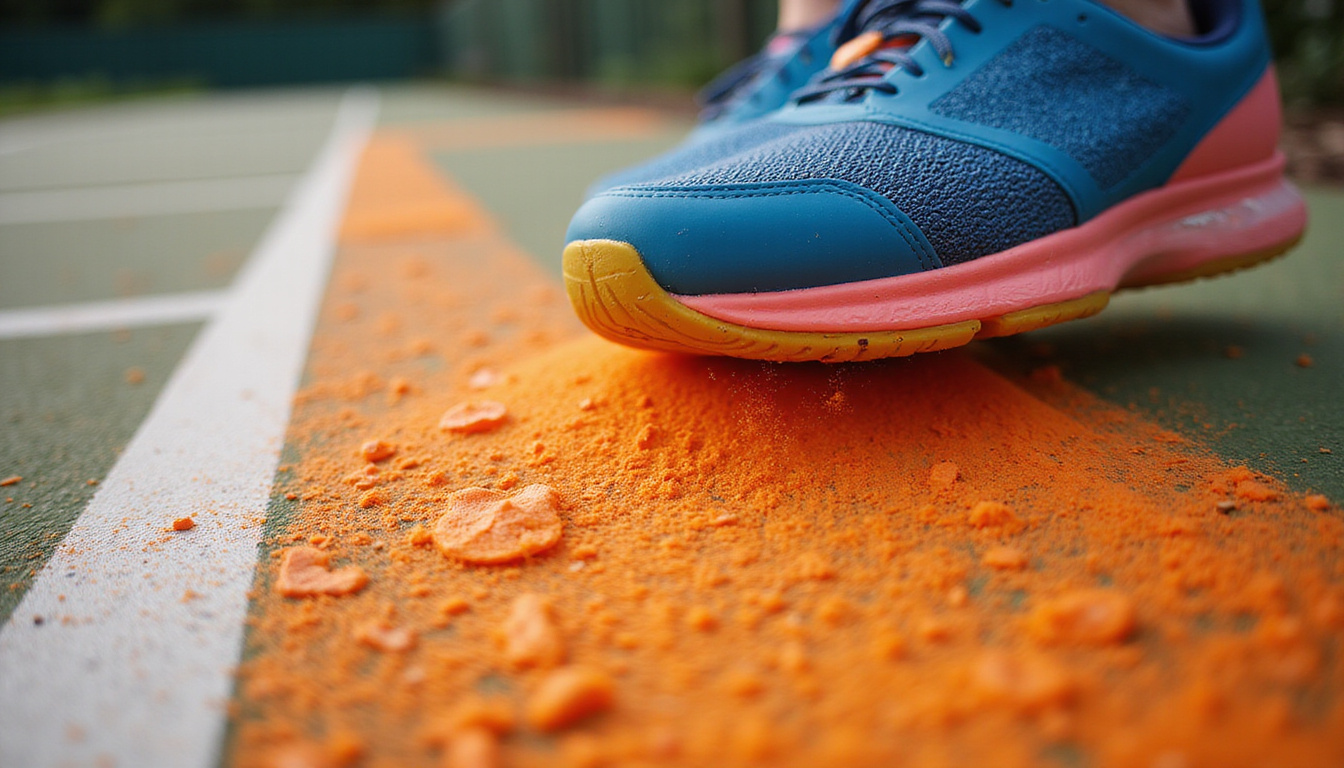
5. Modular Plastic Tile Systems
Where you see them:
Multi‑use gyms, rooftop courts, tournament setups, and some backyard areas.
Tiles snap together over a hard slab or compacted base.
• Speed: Medium‑slow to medium‑fast, as tile and ball decide.
• Grip: They offer traction, though some designs feel grippier than others.
• Durability: Strong, and you can replace a tile if needed.
Pros:
• Some tile designs include shock absorption that cuts impact.
• Good drainage helps with outdoor setups.
Cons:
• Cheaper systems can feel “slappy” or uneven, adding stress to ankles and knees.
• Poor installation may let gaps catch the edge of your shoes.
If your facility uses tiles, note how your body feels after consecutive play days. Small movement changes can add up.
Speed, Grip, and Durability: How to Match Surface to Your Style
Every pickler prefers a certain “feel” on foot.
If you listen to how your knees work, consider three main factors:
Speed
• Faster surfaces (like hard concrete or slick acrylic) boost quick plays, aggressive drives, and sharp third shots. They also increase stress on your body from quick movements.
• Slower, cushioned surfaces help longer rallies and gentler moves. They lessen impact on joints and muscles.
Grip
• High‑grip surfaces let you plant firmly but can challenge stiff ankles or hips because the foot may lock.
• Lower‑grip surfaces feel smoother and ease knee stress, yet they might increase the risk of slips.
Durability and Maintenance
Well‑kept surfaces are safer.
Cracks, dead spots, peeling coatings, or dust all affect how your body moves.
Ask your local facility about cleaning and maintenance.
Report cracks or rough spots to keep your joints safe.
Older, worn surfaces often push more shock to your body and change your movement slightly over time.
Protecting Your Joints and Muscles on Any Court
You might not choose every surface you play on, but you can get your body ready.
-
Move Like an Athlete, Not Just a Weekend Warrior
Even if you play mainly for fun, your body works hard.
• Warm up with 5–10 minutes of dynamic moves like skips, lunges, and hip circles.
• Move your ankles, knees, and hips gently before you grab your paddle.
• Walk and stretch slowly after long matches. -
Be Shoe‑Smart
Your shoes act as the first barrier between your joints and the court.
Look for:
• Shoes that offer side‑to‑side support.
• Good cushioning that matches your court’s hardness.
• Outsoles that give steady grip without a stuck feeling.
Replace worn pairs so your midsoles do not send extra shock into your body. -
Support Your Body From the Inside: Nutrition and Supplements
Healthy joints and muscles depend on more than the court.
Your body also needs proper fuel to work with.
Many U.S. picklers turn to nutrition-based support for:
• Smooth joint movement
• Strong muscles and connective tissue
• Fast recovery for frequent play
This is where a supplement like Regenerix Gold helps.
Why Many Picklers Choose Regenerix Gold for Joint and Muscle Support
Regenerix Gold is a nutrition supplement that supports healthy joints and muscles, especially for those who play hard.
Key reasons it appeals to pickleball players:
• It is designed to support the joints and muscles that bear weight every split‑step, lunge, and pivot.
• Many doctors and physical therapists recommend nutrition support as part of a complete plan with exercise, stretching, and rest.
• It has been used for over a decade around the world with positive feedback from active adults.
• It fits a proactive approach—support your joints before pain forces you off the court.
Always talk to your healthcare provider before starting any new supplement.
The goal is to help your body work as it should, not to diagnose or treat a disease.
Regenerix Gold
Quick Checklist: Making Any Surface Work for You
No matter what pickleball court you face at your local club, this checklist can help you play comfortably:
- Know your surface: Whether it is asphalt, cushioned acrylic, concrete, wood, or tile, learn how it feels and how your body behaves after play.
- Dial in your footwear: Choose shoes with cushioning and grip that match your usual court.
- Warm up and cool down: Treat every match like an athletic event, not just casual time.
- Cross‑train smartly: Add strength work for your hips, glutes, and core to better face on‑court stress.
- Support your joints nutritionally: Consider joint and muscle supplements like Regenerix Gold with advice from your doctor.
- Listen to your body: If you feel ongoing discomfort, adjust play volume or surface, and seek professional advice.
FAQ: Pickleball Court Surfaces and Joint-Friendly Play
Q1: What are the best pickleball surfaces for bad knees or sore joints?
Cushioned acrylic courts often work best for those with knee or joint pain. They offer a bit of give without losing a true bounce. Well‑maintained wood gym floors can also be soothing compared with hard concrete. When playing on very hard surfaces, choose smart shoes, warm up well, and support your joints nutritionally.
Q2: Are indoor court surfaces easier on the body than outdoor ones?
Indoor surfaces like wood can be a bit kinder than old outdoor asphalt or concrete. Some tile systems also include cushioning. Yet, indoor floors may turn slick with dust or sweat. Joint‑friendly means feeling safe with a good, consistent grip.
Q3: How do I choose a court for my home if I want to protect my joints?
If you build a home court, use a quality asphalt or concrete base with a cushioned acrylic top. This mix gives durability, steady ball behavior, and impact reduction. Pair your court with smart lighting, routine cleaning, strength work, stretching, and possibly supplements like Regenerix Gold for overall joint support.
When you know the difference between a banger and a dinker, you also care about the court under your feet.
Taking care of your joints and muscles with better surfaces, smart shoes, proper warm ups, and nutrition support such as Regenerix Gold gives you an edge.
While others may slow down from wear and tear, you will keep showing up, feel good on the court, and hold your spot among the best.
Consider a bottle of Regenerix Gold and see its benefits for yourself.
Smart care now means less pain later and more time on the court—running the kitchen while others rest on the sidelines.
https://youtu.be/mGrH5UWFxUs?si=X9bScbG6dvejGkZf
Health Note
Always consult a licensed medical doctor for your health issues.
Special Discount
If you prefer preventive nutrition to minimize expensive knee surgery and potentially addictive pharmaceuticals, Regenerix Gold is your savvy solution.
You qualify for a special discount.
Simply use the link below and a discount will automatically be applied during checkout.
Get Regenerix Gold => HERE


