
pickleball impact mitigation: Essential Shoes, Techniques, and Injury Prevention Tips
by Zestora on Mar 17, 2026

Pickleball impact mitigation matters. More rec players, weekend warriors, and tournament grinders now play hard. They spend many hours on courts. When your knees ache after a third-shot drop or your heels burn after a long match, your joints send a clear message. Hard courts hit your body over time—especially for American Picklers who started with desk work instead of gym work.
This guide shows you how to lower impact on joints and muscles. It explains smart shoe choices, better court movement, and simple prevention tips. It also shows how a nutrition supplement like Regenerix Gold may help your joints and muscles, letting you stay in the game longer.
Why Pickleball Impact Mitigation Matters
New Picklers sometimes call the game “easy tennis.” They soon find that their body feels worn out after a few weeks. Here is what happens:
• Hard courts load your feet, ankles, knees, hips, and spine often.
• Sudden starts, stops, split-steps, and lunges put big forces on your joints.
• Dinking, bending, and reaching stress your lower back, shoulders, and wrists.
Over time—and especially if you are 40+, work at a desk, or just play more—this impact builds up. You may feel stiffness, soreness, and discomfort. Mitigating impact means managing this load so you can:
• Play more days every week.
• Recover faster after tough matches.
• Dodge one bad move that stops play.
This does not demand pro-level training, only long-term thinking from a Pickler who wants to play for years.
Court Shoes 101: Your First Line of Defense
Change one thing for better impact mitigation: your shoes. What you wear on your feet matters. It can mean quick recovery or a limp on the way out.
Running Shoes vs. Court Shoes
Many beginners choose running shoes. They feel soft but are made for straight runs. Courts require side-to-side moves.
Running shoes have:
• A high, soft heel cushion.
• Weak side support.
• A squishy feel on quick cuts.
Court shoes (for pickleball or tennis) have:
• A lower platform for better balance.
• Strong side support for shuffles and split-steps.
• Outsole patterns for court grip and safe slides.
For proper impact mitigation, pick court-specific shoes. They spread impact across your foot and protect your ankles and knees.
What to Look For in Impact-Friendly Pickleball Shoes
When trying on shoes, think of each rally. Your feet split, shuffle, plant, push-off, and may sprint suddenly. Good impact-mitigating shoes usually offer:
• Cushioning that is firm but not hard. It absorbs impact and gives stable support.
• Strong lateral (side-to-side) support. Reinforced sidewalls keep your ankles safe.
• A locked-in heel design. Your heel stays in place during moves.
• A roomy yet snug forefoot. Your toes spread when lunging or stopping.
• A court-appropriate outsole. It is designed for controlled movements on hard courts.
Rotate your shoes if you play three to four times per week. Worn cushioning transfers more impact to your joints.
On-Court Movement Techniques to Reduce Impact
Even with the best shoes, your movement affects how much shock gets sent through your legs and back. Small technique changes can make play feel easier on your body.
1. Master the Soft Split-Step
Watch high-level players. Their small hop as their opponent makes a shot is a split-step. It is a key tool.
• Stay on the balls of your feet, not on your heels.
• Take a small, soft hop when your opponent strikes.
• Land with slightly bent knees to push off quickly.
This method spreads impact through muscles and avoids joint shock.
2. Bend Your Knees, Not Your Back
If your lower back aches after playing, check your stance at the kitchen line:
• Hinge at the hips and soften your knees.
• Keep your chest up and your back straight.
• Stand in an athletic, ready position rather than a slumped one.
Use your legs to lower yourself for dinks instead of bending at your waist.
3. Use Short, Choppy Steps Instead of Big Lunges
Big lunges can harm your knee, hip, and groin. Train yourself to:
• Use short, quick steps for adjustments.
• Accept and let one ball go if you might injure yourself.
• Focus on reading the ball early to avoid long lunges.
Better footwork means less impact on your joints.
4. Learn Smooth Deceleration
Stopping quickly often hurts more than starting fast. To ease the stop:
• Take two or three small braking steps instead of one big stop.
• Keep your center of gravity low by bending your knees.
• Avoid twisting your upper body while one foot remains in contact with the court.
Smooth stops help your ankles, knees, and hips stay happy.
Pre-Game & Post-Game Routines for Impact Control
Many Picklers stretch cold or skip a warm-up. This makes games feel harsher afterward. A proper warm-up and cool-down lower the feeling of being beaten up the next day.
Efficient Warm-Up (5–8 Minutes)
Before you start, do this:
- Light jog and side shuffles for 2–3 minutes.
- Dynamic leg swings in front-to-back and side-to-side motions.
- Arm circles and cross-body swings to activate your shoulders.
- Bodyweight squats or mini lunges for hips and knees.
You do not need to exhaust yourself. Just warm your muscles so they absorb impact better.
Cool-Down for a Smoother Recovery
After play, especially following intense sessions, take 5 minutes to:
• Walk a few laps to lower your heart rate.
• Stretch your calves, quads, hamstrings, and hips gently.
• Use a ball or foam roller for your feet if they feel sore.
This routine can reduce next-day stiffness and speed recovery.
Off-Court Strength & Mobility: Your Long-Term Cushion
Your muscles act as shock absorbers. The stronger and more flexible they are, the less pounding your joints feel.
Focus Zones for Picklers
Work on these muscle groups regularly:
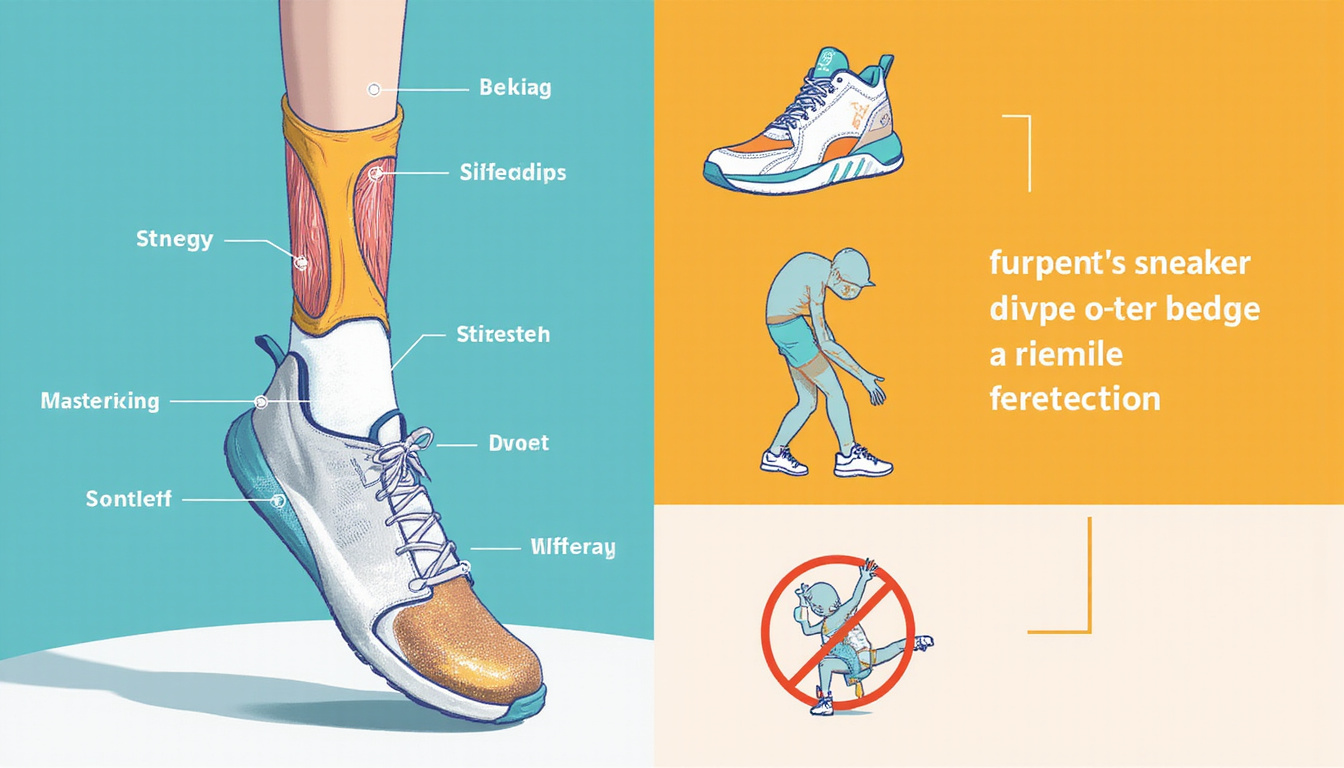
• Glutes and hips with squats, hip bridges, and monster walks.
• Quads and hamstrings with step-ups, split squats, or deadlift moves.
• Calves with both straight-leg and bent-knee calf raises.
• Core with planks, side planks, and stabilizing exercises.
Even two short sessions per week (20–30 minutes) can help your resilience on court.
Don’t Skip Foot & Ankle Work
Strong feet and ankles spread out the impact and secure your balance:
• Practice single-leg balance (first with eyes open and then closed).
• Do towel scrunches or pick up small objects with your toes.
• Perform light exercises with a resistance band in many directions.
These small muscles do big work during split-steps and rapid changes of direction.
Nutrition-Based Support: Where Regenerix Gold Fits In
Gear, technique, and training are your front-line tools. Many American Picklers also choose nutrition-based support for long-term joint and muscle health.
Regenerix Gold is a supplement for active people who want:
• Help with joint comfort and flexibility.
• Nutritional support for muscles that work hard on the court.
• An extra boost to support both on-court and off-court routines.
Key points about Regenerix Gold are:
• It is a nutrition-based solution, not a quick pain reliever.
• Doctors and physical therapists often recommend it for active adults and recreational athletes.
• It has a long history of safe use and positive user feedback worldwide.
• It suits those who want to stay active and avoid sidelining injuries.
No supplement can guarantee that injuries will not occur. However, many players like the daily routine that helps their joints and muscles work better. Check with your healthcare professional before you start any new supplement.
Regenerix Gold
Putting It All Together: A Pickler’s Impact Mitigation Checklist
Use this simple list to reduce extra impact on your body right away:
-
Shoes
• Choose court-specific shoes rather than worn running sneakers.
• Ensure they offer strong side support and stable cushioning.
• Replace them when the cushioning feels flat or the outsole wears. -
Movement
• Practice a soft, well-timed split-step.
• Keep low with bent knees and a straight back.
• Favor short, choppy steps over long lunges.
• Decelerate with a few small braking steps, not a big stop. -
Preparation & Recovery
• Warm up for 5–8 minutes with dynamic movements before every session.
• Cool down with gentle walking and stretching afterward.
• Guarantee at least one or two days off each week to recover. -
Strength & Mobility
• Include lower-body and core workouts twice per week.
• Focus on glutes, hips, calves, and core stability.
• Add foot and ankle strengthening exercises for balance. -
Nutrition & Supplementation
• Eat a balanced diet to support muscle recovery.
• Consider a joint and muscle support supplement like Regenerix Gold after consulting your healthcare provider.
Good impact mitigation does not mean wrapping yourself in bubble wrap. It means playing smart today so you can play for many tomorrows.
FAQ: Your Pickleball Impact Mitigation Questions Answered
Q1: What is the best way to reduce joint impact in pickleball?
A1: Use several strategies. Wear court shoes with firm cushioning, warm up dynamically, use proper footwork (split-step and short adjustment steps), and build strength in your hips, legs, and core. Many Picklers also add a daily nutrition supplement such as Regenerix Gold after consulting their doctor.
Q2: How can I improve impact absorption in my legs and feet?
A2: Strengthen your glutes, quads, hamstrings, calves, and feet. Practice soft landings with a proper split-step. Court-specific shoes help spread the load evenly. Nutritional support may also boost readiness for hard-court play.
Q3: Are there injury prevention supplements for pickleball players?
A3: No supplement can promise to stop injuries. Supplements should not replace good shoes, proper technique, and strength training. Still, some players choose products that support joint comfort and muscle health. Regenerix Gold is one option, and many doctors recommend it. Always check with your healthcare professional before starting any supplement.
Your Next Move: Play Like Someone Who Plans to Be Here in 10 Years
Many players think of impact mitigation only when pain strikes. You do not have to wait. Upgrade your shoes, improve your footwork, warm up properly, and strengthen your body now. This approach is less expensive in time, money, and frustration than long time-outs and medical visits later (source: American Academy of Orthopaedic Surgeons, aaos.org).
If you book your open play early, tweak your paddle grip for better control, and follow your local ladder ranking, then you know the value of a smart approach. Taking care of your joints and muscles gives you an edge on the court.
That is when a nutrition-based support like Regenerix Gold fits into your routine. With over a decade of use, positive reviews worldwide, and recommendations from doctors and physical therapists, it is a practical choice for players who plan to be in the game for years.
Pick up a bottle and notice the benefits for yourself. Think of it as one smart investment—like a good paddle or the right shoes—that lets you play longer, protects your body from extra impact, and saves you from future pains and costs. Play smart now, and let your future self enjoy every match.
https://youtu.be/mGrH5UWFxUs?si=X9bScbG6dvejGkZf
Health Note
Always consult a licensed medical doctor for your health issues.
Special Discount
If you prefer preventive nutrition to minimize expensive knee surgery and potentially addictive pharmaceuticals, Regenerix Gold is your savvy solution.
You qualify for a special discount.
Simply use the link below and a discount will automatically be applied during checkout.
Get Regenerix Gold => HERE


