
Pickleball microtrauma: Hidden Injuries Sabotaging Your Game and Recovery
by Zestora on Jul 11, 2026

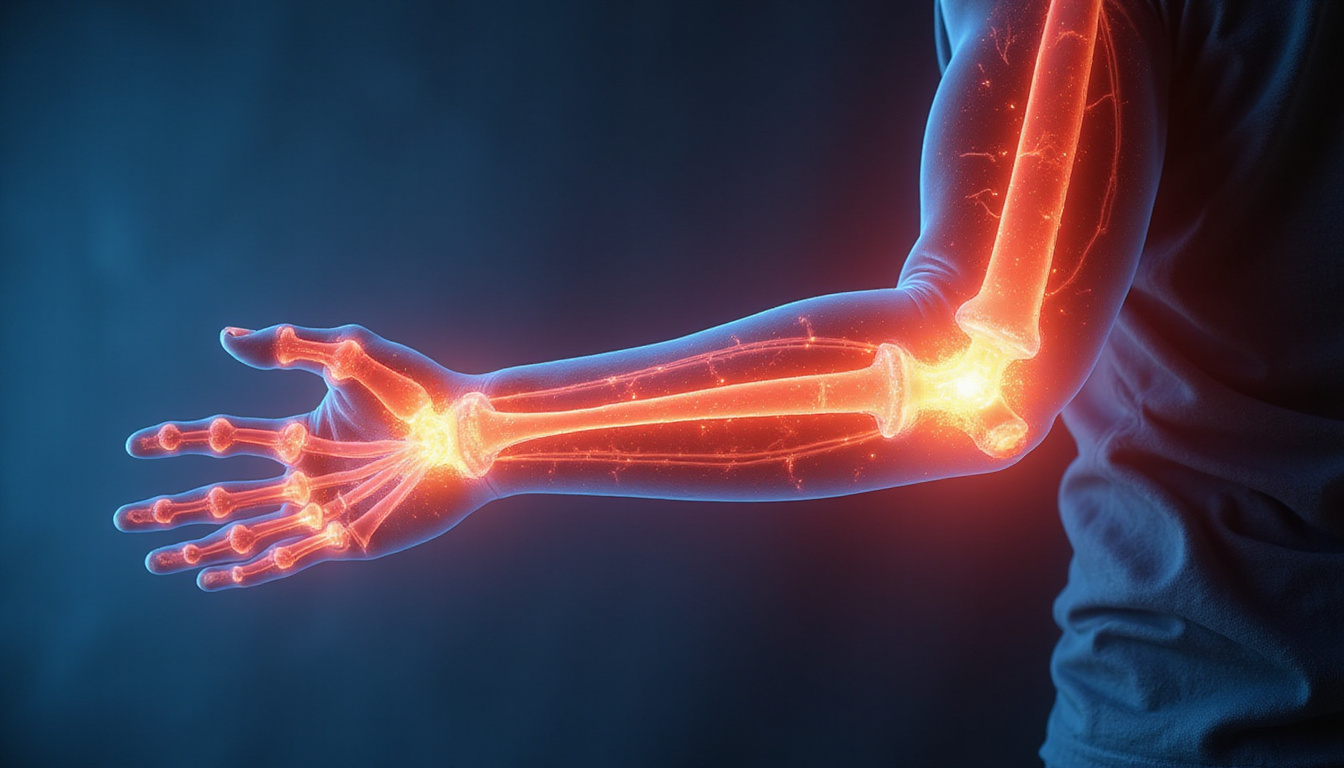
If you spend hours on the pickleball courts and feel like your body is worse for wear, you may have pickleball microtrauma. Tiny stresses build up in your joints, muscles, and tendons. They come from your dinks, drives, lunges, and split-steps. You do not need a hard fall to get hurt. Small strains can slow your game, your recovery, and your future court time.
This guide is for American Picklers who love the game, feel its wear and tear, and want smart, simple ways to play longer.
What Is Pickleball Microtrauma, Really?
It is not one big moment. It is a build-up of small strains.
- You repeat the same third-shot drop motion.
- You jump for overhead hits many times.
- You plant and pivot on the same knee every point.
- You stop and go at the kitchen line again and again.
Each action puts tiny strain on muscles, tendons, ligaments, and cartilage. On its own, the strain is normal; with poor recovery, weak support, or bad technique, the strain adds up.
You might notice it when you wake:
- Stiffness in the morning.
- Joints that feel “rusty” in your first game.
- Soreness that lingers long after play.
- A body that does not bounce back like it once did.
That is your microtrauma knocking at the door.
Why Microtrauma Hits Picklers So Hard
Pickleball is intense. It may look easy from the side, but once you play the battle is real.
Microtrauma comes from:
- Short bursts and quick direction changes. Quick shuffles, lunges, and recoveries stress your knees, ankles, and hips.
- Many hours of play. Picklers often play almost every day with little off-court work.
- Repetitive strokes. Forehand drives, backhand blocks, and overhead slams use the same muscles and joints.
- Hard surfaces. The court transfers impact from your feet to your knees, hips, and back.
- Playing as you grow older. Many Picklers are 40+ or 50+ and now play harder than before.
Microtrauma does not care about your fitness. When your court time and intensity exceed your recovery, the strain shows in your shoulders, elbows, knees, Achilles, hips, or lower back.
Hidden Signs Your Game Is Being Sabotaged
A major injury is not needed to see the problem. Look for these clues:
- You need a longer warm-up than before to feel normal.
- Your first game feels stiff, but by game three, you loosen up.
- You change your serve or stroke to avoid pain.
- You skip certain shots like overheads or sharp lunges.
- Soreness lasts into the next day or even two.
- You use pain relievers just to get through play.
When these signs become routine, your body asks for better recovery and support.
The Recovery Gap: Where Most Picklers Go Wrong
Many Picklers follow this simple pattern:
- Arrive to the court cold.
- Play hard for 2–4 hours.
- Stretch for 30 seconds at best.
- Go home, sit, and stiffen up.
- Repeat the very next day.
This gap between stress and recovery lets microtrauma grow. It comes from:
- Weak mobility work. Limited motion in your hips, ankles, or upper back forces joints to move poorly.
- Underpowered support muscles. Glutes, core muscles, and small stabilizers may lag behind your play.
- Incomplete nutrition. Your joints and muscles need proper building blocks to repair and maintain themselves.
- Lack of rest. Playing several days in a row without lighter days stresses your body.
You do not need to live like a pro, but small, smart tweaks reduce hidden wear.
Smart Court Habits to Reduce Pickleball Microtrauma
This is your pickleball longevity checklist.
1. Treat Warm-Up Like Part of the Match
Before you touch a ball, start with:
- A 2–3 minute brisk walk or light jog around the court.
- Dynamic leg swings, hip circles, and ankle rolls.
- Arm circles, shoulder rolls, and band pull-aparts if you have a band.
- 10–15 air squats or light lunges.
Then, warm up on court in steps: begin with dinks, move to soft volleys, then resets, drives, and overheads.
2. Keep Your Lower Body Strong and Stable
Off the court, 2–3 times each week, focus on:
- Bodyweight or chair squats.
- Glute bridges or hip thrusts.
- Calf raises.
- Side steps with a mini-band.
- Core work such as planks, dead bugs, or side planks.
Stronger legs and hips absorb more impact and help spare your knees and lower back.
3. Respect Recovery Days
You do not have to rest all day, but plan days that are lighter:
- Enjoy easy walking or cycling.
- Do gentle stretching or yoga.
- Use light resistance training.
- Practice mobility drills for your hips, shoulders, and spine.
Your body adapts and rebuilds during recovery, not when you push through every game.
Nutrition: The Missing Piece in Microtrauma Management
Court time and strength work tell only part of your story. Your joints and muscles need steady nutrition too.
Focus on these key steps:
- Hydration: Water is essential for proper muscle and joint function.
- Protein: It helps maintain and repair muscles.
- Healthy fats: These support joint and tissue health.
- Targeted supplements: Specific nutrients can help support joints and muscles over time (source: National Institutes of Health).
This is where Regenerix Gold comes in for Picklers who want a nutrition-based edge.
Why Many Picklers Choose Regenerix Gold for Joint and Muscle Support
Regenerix Gold
If you feel stiff, sore, or slow to recover, you might search for more than ice packs or extra stretching.
Regenerix Gold is a nutrition-minded aid for joint and muscle support. It is made for active Picklers who put in long hours on the court.
Important points include:
- Doctor & PT recommended – Doctors and physical therapists add it to their joint and muscle care plans.
- Over a decade of use – It has helped Picklers around the world for more than ten years.
- Designed for joint and muscle support – Its ingredients help maintain joint structure, muscle comfort, and mobility.
- Fits into a daily routine – It works with your warm-up, recovery, and healthy diet.
Remember, Regenerix Gold is not meant to diagnose, treat, cure, or prevent any disease. Check with your doctor if you have health concerns.
How Regenerix Gold Fits Into a Pickler’s Routine
Think of your microtrauma plan as a four-part system:
- Smart court habits – Good warm-up, proper shoes, and a measured play volume.
- Strength & mobility – Consistent off-court training.
- Recovery discipline – Regular sleep, lighter days, and gentle movement.
- Nutritional support – Healthy eating, hydration, and targeted supplements.
Regenerix Gold belongs in bucket #4. Many Picklers use it to:
- Support joint comfort during long rec sessions.
- Back up their muscles during leagues, ladders, or tournaments.
- Maintain mobility so they can play with younger partners or in higher skill brackets.
- Feel proactive rather than just reacting to soreness.
Used routinely, it quietly supports your game like a good warm-up or a pair of solid shoes.
Practical Checklist for Pickleball Microtrauma Prevention
Copy this quick list:
- Warm up before every session (at least 5–10 minutes).
- Replace your shoes before they wear out.
- Add off-court strength work 2–3 times a week (targeting legs, core, and shoulders).
- Plan lighter play or rest days every week.
- Address form issues early (especially with serves, overheads, and lunges).
- Support your body with daily nutrition, hydration, and supplements like Regenerix Gold if needed.
- Listen to your body and rest when it says “not today.”
FAQs About Pickleball Microtrauma and Joint Support
1. What is pickleball microtrauma and how do I know if I have it?
It is the build-up of tiny stresses in your muscles and joints from repeated play. That includes serves, volleys, lunges, and quick moves. Signs are stiffness, lingering soreness, or needing extra warm-up time. It is the normal wear that shows up when recovery is weak.
2. Can a supplement help with microtrauma from pickleball?
Supplements can support overall joint and muscle health by giving your body the nutrients it needs to repair. Many Picklers add supplements like Regenerix Gold to a plan that also has smart training, mobility work, and good sleep. They do not replace proper medical care.
3. How can I protect my joints from pickleball microtrauma as I get older?
Focus on three parts:
- Movement quality – Use good technique, warm up well, and play at a reasonable pace.
- Strength and stability – Build strong hips, legs, core, and shoulders so they share the load.
- Nutrition and supplements – Eat a balanced diet, stay hydrated, and consider joint support supplements like Regenerix Gold, which many doctors and physical therapists recommend.
Your Edge Against Hidden Injuries
Microtrauma does not have to be the cost of playing pickleball. The players who last the longest quietly invest in their health.
If you:
- Hate being sidelined when your game is at its peak,
- Want to outlast your peers and keep playing for years,
- Understand that smart care helps save money and health in the long run,
then it is time to take joint and muscle support seriously.
Dial in your warm-up, strength, and recovery. Consider adding Regenerix Gold as a nutrition-focused way to support your joints and muscles. Many players around the world have already made it a part of their routine. If you want to be in that prepared and health-savvy group, now is the time to act.
Get a bottle of Regenerix Gold and see how proactive support helps you play harder, recover faster, and stay in the game longer—while others sit on the sidelines wishing they had started caring for their bodies sooner.
https://youtu.be/mGrH5UWFxUs?si=X9bScbG6dvejGkZf
Health Note
Always consult a licensed medical doctor for your health issues.
Special Discount
If you prefer preventive nutrition to minimize expensive knee surgery and potentially addictive pharmaceuticals, Regenerix Gold is your savvy solution.
You qualify for a special discount.
Simply use the link below and a discount will automatically be applied during checkout.
Get Regenerix Gold => HERE


