
Pickleball Motion Control Secrets: Improve Footwork, Accuracy, and Power
by Zestora on Sep 02, 2026

If your body talks back after long rec battles and weekend tournaments, adjust your pickleball motion control. Better control brings smooth, smart moves. It brings better footwork, precise dinks and drives, and power that spares your joints and muscles.
This guide serves American Picklers. They feel wear in knees, hips, shoulders, elbows, or lower back. They play rec games, ladder leagues, and tournaments for years.
What Is Pickleball Motion Control, Really?
In pickleball, motion control means you place your feet and body well. It means you control your paddle’s speed and path through the ball. It means you shift your weight with care. It means you stop and start without skidding.
It powers:
• Clean split-steps at the NVZ
• A balanced third-shot drop
• Under-controlled overheads (not wild smashes)
• Smooth shuffles, not lunging or reaching
When control fails, you feel it as:
• A late step to a ball you usually reach
• Rushed swings, mishits, or pop-ups
• Achy knees or hips after a few games
• Tight shoulders or forearms from trying too hard
The good news is that your motion control trains. It trains your nervous system, footwork, and even your daily nutrition.
Footwork First: The Foundation of Motion Control
You cannot control shots unless you control your feet. Top Picklers make one choice: they place their feet early and keep their paddle relaxed because their body is in place.
1. Own the Split-Step
The split-step is the mini-hop you make as your opponent hits the ball. It resets your on-court stance.
• Time the split-step so your feet land exactly when your opponent hits.
• Land with feet a bit wider than your shoulders, knees soft, and weight on the balls of your feet.
• From that stance, push forward for a dink or back for a lob.
Without a strong split-step, your body reacts late. You then lunge, twist, and stretch in ways that strain your joints and muscles.
2. Shuffle, Don’t Cross Over (Most of the Time)
In the kitchen, crossing your feet hands your opponent a free attack.
• Take quick, small lateral shuffles along the NVZ.
• Keep your chest facing the net so your paddle stays ready.
• Reserve crossover steps only for quick retreats on deep lobs.
This steady lower-body work stops sudden twists that hurt your knees and hips.
3. Shorten Your Stride in the Transition Zone
From the baseline to the NVZ, smart footwork uses short, quick steps. It avoids giant lunges.
• After serve or return, take baby steps to keep balance.
• Hold your paddle high in front of your chest so your hands support your move.
• Think “glide forward” rather than “dive forward.”
Short, quick steps keep your center of gravity stable, easing stress on joints and giving you control.
Stroke Mechanics: Accuracy and Power Without Over-Swinging
When your feet are steady, your strokes come with ease and without extra muscle strain.
Compact Swings for Better Control
Watch top Picklers. Their swings stay small in the kitchen and transition areas.
• Use a compact backswing on dinks and blocks.
• Let your shoulder and core guide each stroke, not just your wrist or elbow.
• For drives, twist through your hips and torso, not by swinging your arm alone.
Controlled strokes keep joints safe and provide steady performance.
Use Your Core, Not Just Your Arm
Power in pickleball grows from the ground upward.
- Load energy in your legs.
- Rotate your hips and trunk.
- Channel that energy into your shoulder, arm, and paddle.
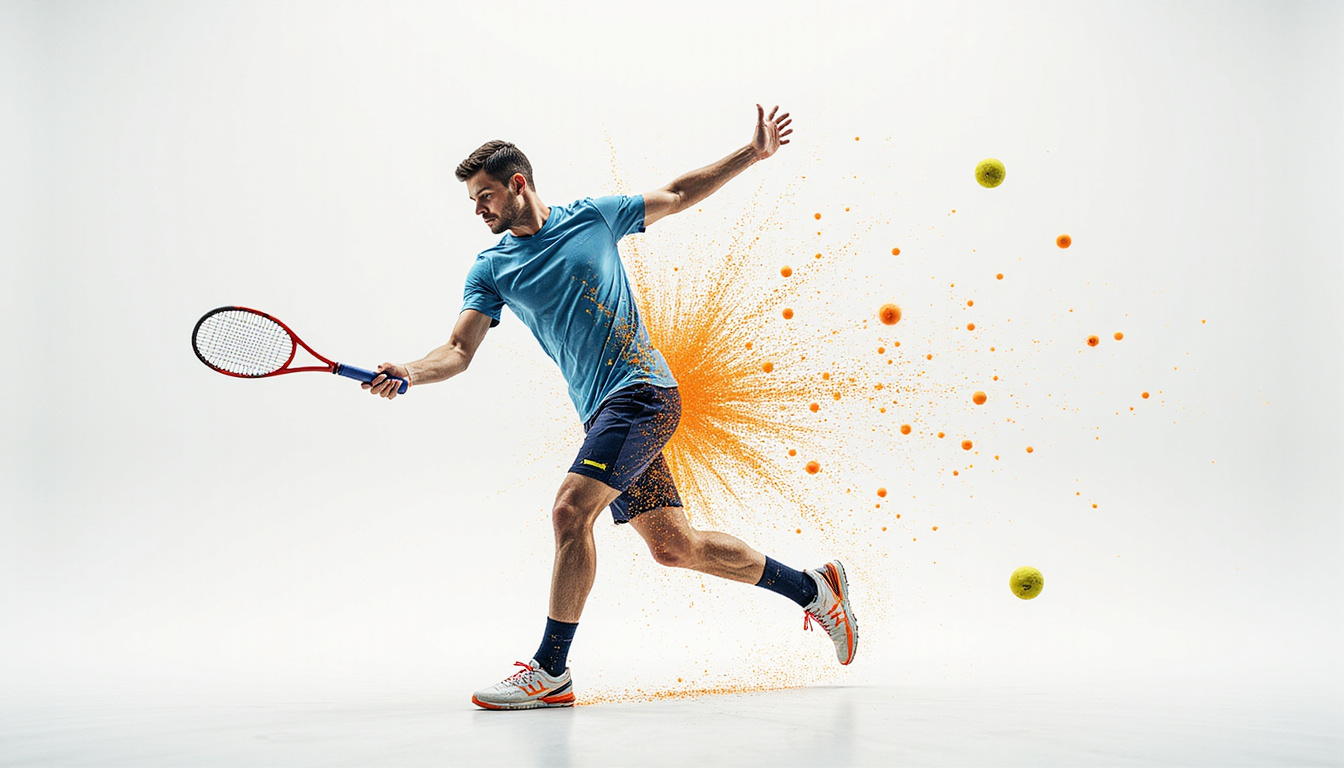
When you swing with your arm alone, you overload your shoulder, elbow, and wrist. With good motion control, your arm connects smoothly to the play.
Balance and Stability: Your On-Court Shock Absorbers
Pickleball makes you decelerate fast, change direction suddenly, and reach in awkward ways. Strong balance and stability protect your game and your body.
Simple Balance Drills for Picklers
Try these drills off the court 2–3 times per week:
• Single-leg stands: Balance on one leg for 20–30 seconds, then switch. Increase the challenge by closing your eyes or turning your head.
• Heel-to-toe line walks: Walk in a straight line like on a tightrope, each heel touching the next toe.
• Lateral mini-squat shuffles: Take 8–10 small steps sideways in a mini-squat, then back.
These drills train your nervous system to make small corrections. They help you stop, plant, and push on court with control.
Pain Signals vs. Training Smart
Many American Picklers push through pain because “it's just rec play.” However, ongoing pain is your body saying: fix your motion control, recovery, or support.
Dial back when you:
• Limp or favor one side after playing.
• Feel pain or tightness for more than 24–48 hours.
• Feel unstable when planting or pivoting quickly.
Smart players listen to these signs. They rework technique, adjust intensity, and support joint and muscle health with recovery and good nutrition.
Nutrition-Based Support for Motion Control: Why It Matters
Your joints and muscles bear every split-step, lunge, and overhead. Skill work matters, but strong tissue quality also matters.
According to the National Institutes of Health, a diet that supports your joints, muscles, and mobility aids long-term performance and comfort (source: NIH).
A nutrition-based solution can boost your pickleball motion control from the inside out.
Regenerix Gold: A Doctor-Recommended Option for Picklers
For Picklers who play hard and need joint and muscle support, Regenerix Gold comes in. It is a premium, nutrition-based supplement.
• It is crafted for joint and muscle health. It supports the daily demands on your musculoskeletal system during every rally and firefight.
• Doctors and physical therapists recommend it. They add Regenerix Gold to a plan that includes exercise, technique work, and healthy living.
• It has seen over a decade of international use with positive feedback from active adults and athletes.
• It supports players on court frequently, helping them move with comfort, control, and freedom.
Remember, Regenerix Gold does not diagnose, treat, cure, or prevent any disease. Many use it for extra nutritional support as a part of overall training, rest, and smart technique work.
Practical Pickleball Motion Control Routine (On and Off Court)
Bring these ideas together in a simple routine that mixes technique and support.
Before You Play
• 3–5 minutes of light jogging or brisk walking.
• Dynamic leg swings and arm circles.
• 10–15 slow dinks per side to wake up your hands and feet.
On-Court Motion Control Focus
During warm-up or drills, choose one of these:
- Kitchen shuffle drill
• Two players stand at NVZ and dink cross-court.
• Work on the split-step and small lateral shuffles to track the ball. - Third-shot drop footwork drill
• One player feeds deep balls while you practice the third-shot drop.
• Focus on short steps toward the ball and a balanced finish. - Controlled overhead drill
• A partner tosses lobs. You practice overheads using 60–70% power.
• Aim for smooth rotation instead of brute force.
Off-Court Support
• Do lower-body and core strength work 2–3 times weekly (squats, hip hinges, planks).
• Practice the balance drills mentioned above.
• Eat nutrition that supports your joints and muscles. Some Picklers add a supplement like Regenerix Gold after discussing it with a healthcare professional.
Regenerix Gold
FAQ: Pickleball Motion Control and Joint-Friendly Play
Q1: How can I improve my pickleball motion control without overloading my joints?
A1: Focus on efficient footwork—split-step, shuffles, and short strides. Keep your swings compact and train your balance off court. Many add supplements like Regenerix Gold to support joints and muscles.
Q2: What drills help with motion control in pickleball for aging players?
A2: Use low-impact drills. Try kitchen shuffle drills, third-shot footwork patterns, and controlled volley exchanges. Add balance and stability work at home to keep joints ready for play.
Q3: Can better motion control in pickleball reduce post-game soreness?
A3: Yes. Improved motion control makes your moves smooth and efficient. Combine it with proper warm-ups, cool-downs, and nutrition to support your joints and muscles. Many players feel more comfortable after playing.
Take the Health-Savvy Route: Upgrade Your Motion Control and Support Your Body
Pickleball does not slow down. As you climb from 3.0 to 4.0 and beyond, every split-step, reset, and overhead matters. Every ache and twinge also matters.
You now face a choice:
• Keep playing with the same habits and hope your body keeps up, or
• Train your motion control smartly and support your joints and muscles with the right nutrition.
If you see yourself as the health-smart player who plans to play for years—rather than pay later for costly visits—consider adding Regenerix Gold to your support plan.
Pick up a bottle. Test it for yourself. Feel the difference when you move with confidence, control, and comfort. While others may shrug off their soreness, you can quietly invest in staying mobile, powerful, and ready for the next game—today and for many seasons to come.
https://youtu.be/mGrH5UWFxUs?si=X9bScbG6dvejGkZf
Health Note
Always consult a licensed medical doctor for your health issues.
Special Discount
If you prefer preventive nutrition to minimize expensive knee surgery and potentially addictive pharmaceuticals, Regenerix Gold is your savvy solution.
You qualify for a special discount.
Simply use the link below and a discount will automatically be applied during checkout.
Get Regenerix Gold => HERE


