
pickleball patellar tendinopathy: Symptoms, Treatment, and Return-to-Play Plan
by Zestora on Sep 18, 2026

If you play hard, grind your rec play, and live for league nights, you face a real risk. You might develop pickleball patellar tendinopathy. Some call it “jumper’s knee.” This pain sits just below your kneecap. It hurts during dinks, drives, and especially during late-game kitchen attacks. Your legs feel tired, but you push for one more winner.
This guide is for American Picklers. It helps you protect your knees, joints, and muscles. You will use smart training, smart recovery, and nutrition support like Regenerix Gold.
What Is Pickleball Patellar Tendinopathy?
In pickleball, tendon irritation happens when you overuse the tendon that joins your kneecap to your shinbone. It occurs when you:
- Do split-steps and sudden stops
- Lunge repeatedly into the kitchen
- Backpedal quickly to track lobs
- Play on hard surfaces over and over
This pain does not come in one shock. It builds slowly. Your body whispers about it until the pain shouts.
Common Symptoms Picklers Notice
Most players do not wake up injured. They feel little red flags and try to ignore them.
You may feel:
- Front-knee pain just under the kneecap
- Stiffness at the start of moving
- Discomfort during squats, lunges, or deep bends (like low volleys or Erne landings)
- Pain when you load the leg explosively—serves, overheads, poaches, or kitchen attacks
- Tenderness when you press the patellar tendon
- Pain that eases as you warm up but may worsen later
Many Picklers say, “The first few games hurt, then my knee feels loose. But the next day, going down stairs is brutal.”
If pain comes on suddenly, is strong, or follows a fall, get a medical check to rule out serious problems.
Why Pickleball Players Get Patellar Tendon Pain
Pickleball may seem low-impact, but it stresses your knee. The game brings many stressors:
1. Constant Stop-and-Go
Your quick sprints from the baseline to the NVZ, your plant-and-push moves on dinks, and sudden turns all add strain to your patellar tendon.
2. Hard Courts and Long Sessions
Public park courts and converted tennis courts are harsh. Couple that with:
- Back-to-back open play sessions
- Weekend round-robins
- Tournaments where you stand all day
Your tendon takes repeated hits with little recovery.
3. Quad-Dominant Movement
Many Picklers use their quads more than their hips and glutes. Each time you slow down or explode toward the kitchen, your quads pull extra on the tendon.
4. Equipment and Technique Issues
Poor shoes or trainers and bad techniques can hurt your knee. Think about:
- Shoes with little cushioning and support
- Worn-out trainers instead of proper court shoes
- A very low ready position with too much knee bend
- Over-rotating or braking hard with a straight leg
These habits add extra work for your tendon.
Immediate Steps When Your Knees Start Talking
Listen to your body. Early action can stop mild tendinopathy from becoming chronic.
Try these steps:
- Back off intensity (without quitting): Fewer explosive moves and controlled rallies help.
- Watch your pain level: Use a 0–10 scale. Stay low during and after play.
- Modify your load temporarily: Cut down on games or days per week for a short period.
- Apply ice after sessions: Short icing sessions can ease post-play discomfort.
- Talk with a healthcare professional: Especially one who knows racquet or paddle sports.
If you see swelling, locking, giving way, or night pain that stops your sleep, get professional help.
A Smart Treatment Approach for Picklers
Resting until pain stops is not enough. A smart plan manages load, builds strength, and supports your tissues.
1. Load Management (Not a Full Shutdown)
Stopping all play can weaken your tendon and muscles. Instead, use relative rest:
- Shorten long sessions and tournaments for a while
- Avoid deep squats, full-court lunges, and high-jump drills
- Stay active with low-impact exercise such as light cycling, gentle walking, or pool work
2. Progressive Strength Training
Rehab strategies recommend gradual, progressive loading (source: American Physical Therapy Association). Many Picklers add:
- Isometrics early on to calm the tendon
- Slow, controlled strengthening of quads, hips, and calves
Examples include:
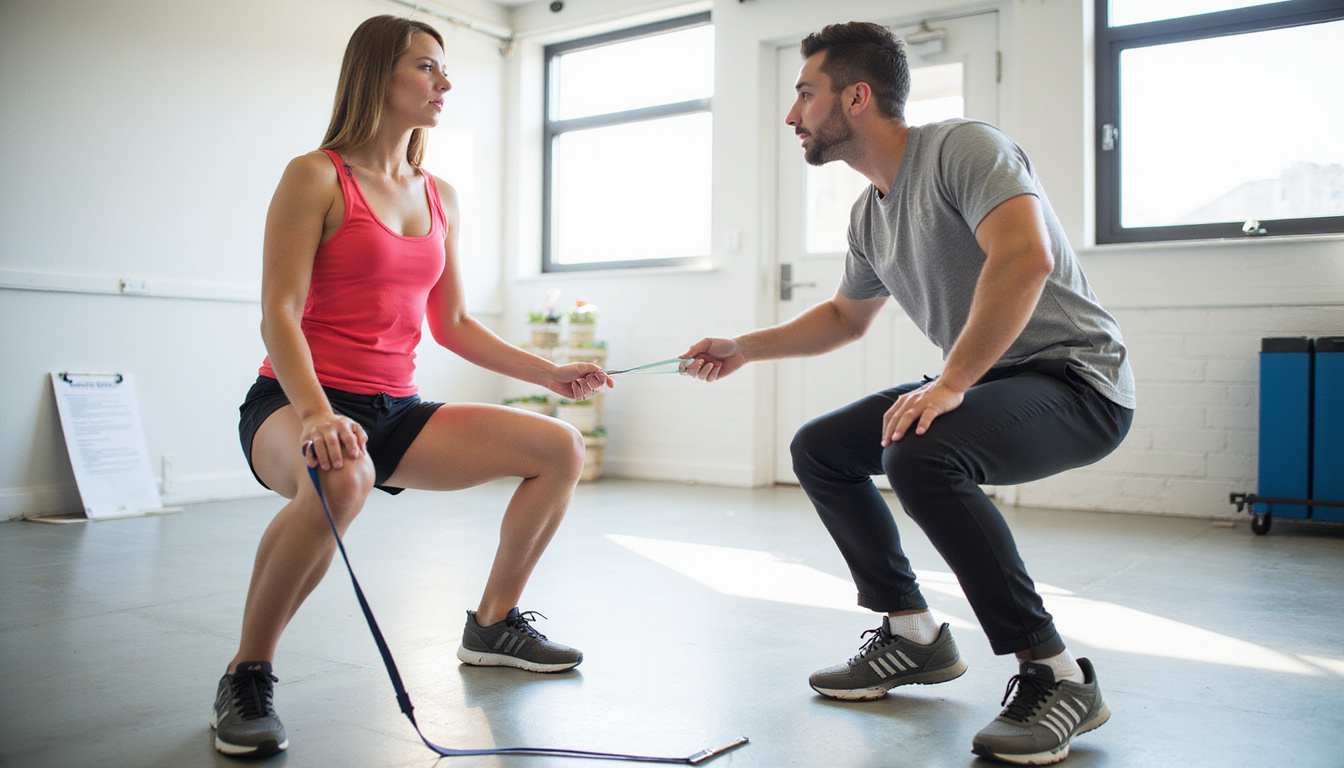
- Wall sits: Hold for a short time in a pain-manageable range
- Slow step-downs: Control your movement off a low step
- Hip bridges and side leg lifts: Build supporting muscles so your knees share the load
- Calf raises: Try both straight-knee and bent-knee versions
3. Technique and Footwear Tune-Up
- Choose properly fitted court shoes with good cushioning and side stability
- Work with a coach on footwork to cut down on jumps and use efficient moves
- Warm up with dynamic moves like skips, shuffles, and light karaoke steps before your first dink
Where Nutrition and Supplements Fit In
Training well and using smart load management matter. Nutrition also plays its part in joint and muscle health.
This is where Regenerix Gold comes into play.
Regenerix Gold
Regenerix Gold: Nutrition Support for Pickleball Knees
Regenerix Gold is a nutrition-based supplement. It is for people who want to:
- Support healthy joints and muscles
- Stay active in sports like pickleball
- Give their bodies help with on-court stress
Key points for Picklers:
- Doctors and physical therapists have recommended it for joint and muscle wellness.
- It has over a decade of use and positive reviews from users worldwide.
- It is not a quick fix or a drug. It fits in a long-game plan for joint and muscle health alongside training, rest, and good mechanics.
Remember, supplements like Regenerix Gold do not diagnose, treat, cure, or prevent disease. They support your body’s normal structure and function.
Before starting any supplement, you should:
- Read the ingredient list
- Discuss it with your healthcare provider if you take medications or have health issues
- Use it as directed, and give your body time to adjust
A Sample Return-to-Play Plan for Pickleball Patellar Tendinopathy
Every knee is different. Work with your clinician for a plan that fits you. Here is a simple framework many Picklers follow.
Phase 1: Calm and Control
Goals: Lower irritation and keep light conditioning.
- Cut down or pause high-intensity pickleball
- Add isometric exercises, like wall sits or gentle leg extension holds
- Do light, low-impact cardio if you can
- Start or continue a joint-supportive nutrition plan (like Regenerix Gold) with professional guidance
You may play short, low-intensity sessions if your provider agrees and pain stays low.
Phase 2: Build Strength and Tolerance
Goals: Strengthen your tendon and muscles around the knee. Improve your movement.
- Slowly add gentle strengthening for your quads, hips, and calves
- Work on your technique with footwork drills and proper positioning
- Return to low-intensity pickleball with controlled rallies and dinks
Phase 3: Return to Full Pickleball
Goals: Play your typical game style without flare-ups.
- Slowly increase:
- Days per week
- Number of games
- Intensity with serves, overheads, and quick direction changes
- Include sport-specific drills:
- Practice split-steps and lateral shuffles
- Approach the kitchen line carefully
- Reintroduce jumps slowly if that is your style
Always check how your knee feels during play, later that day, and the next morning. Mild discomfort that wanes is acceptable. Increasing pain means you are pushing too hard.
On-Court Habits to Protect Your Knees Long Term
To stay in the game for years, you should:
- Warm up properly: Spend 5–10 minutes with light cardio and dynamic moves before your game.
- Respect rest days: Recovery is part of training.
- Rotate shoes regularly: Don’t wait until they are worn out.
- Cross-train: Off-court strength, mobility, and balance work pay off on-court.
- Support your body nutritionally: A balanced diet and smart supplements like Regenerix Gold can keep you ready for the next match.
Quick Checklist for Picklers With Front-Knee Discomfort
If you feel signs of pickleball patellar tendinopathy, you should:
- Reduce volume and intensity for a few weeks.
- Add structured strength work (with guidance).
- Improve your footwork and ready-position.
- Upgrade your footwear if needed.
- Talk about joint and muscle nutrition – including Regenerix Gold – with a health professional.
FAQ: Pickleball Knee Pain and Tendon Issues
Q1: How do I know if my knee pain is tendonitis or just soreness?
Mild soreness is diffuse and fades in one or two days. Tendon pain is focused just below the kneecap and shows with squats, stairs, or quick moves. Because different issues can feel alike, see a healthcare professional if your pain lasts or worsens.
Q2: Can I keep playing with patellar tendinopathy from pickleball?
Many players play at a modified level. They manage the load and work on strength and technique. Your provider may suggest staying below a certain pain level and adjusting your play until your knee feels better.
Q3: Are there natural ways to support pickleball patellar tendon pain?
Yes. Natural methods include progressive strengthening, smart load management, good sleep, balanced nutrition, and joint-support supplements. A product like Regenerix Gold is used by active adults and has a long history of support from doctors and physical therapists when combined with proper training and rest.
Level Up Your Knee Game—and Your Pickleball Game
The cost is not just a paddle or a court fee. It is time lost to pain, missed league nights, medical visits, and fear of not keeping up with your passion and responsibilities.
By:
- Listening to early signs of tendinopathy
- Training smart instead of just hard
- Supporting your joints and muscles nutritionally with a tried and tested supplement like Regenerix Gold
…you become a savvy Pickler. You not only stay in the game today, but you protect yourself for tomorrow.
If you are the player who loves “just one more game,” now is the time to plan ahead. Consider getting a bottle of Regenerix Gold. Experience the joint and muscle support it offers. It is a small, proactive step against big costs in pain and lost game time.
Give your knees the same care you give your paddle and spin game. Your future, still fighting in the NVZ, will thank you.
https://youtu.be/mGrH5UWFxUs?si=X9bScbG6dvejGkZf
Health Note
Always consult a licensed medical doctor for your health issues.
Special Discount
If you prefer preventive nutrition to minimize expensive knee surgery and potentially addictive pharmaceuticals, Regenerix Gold is your savvy solution.
You qualify for a special discount.
Simply use the link below and a discount will automatically be applied during checkout.
Get Regenerix Gold => HERE


