
pickleball pre-match routine to Boost Focus, Power, and Consistency on the Court
by Zestora on May 15, 2026

If you grind games and hop from open play to league nights, your results may still feel streaky. Your pickleball pre-match routine could be the missing link. Many Picklers focus on paddles, shoes, and spin serves. The best players share one fact: they use a simple, repeatable routine. This routine ties your mind and body before the first “0-0-2.”
Below is a practical, on-court routine for American Pickleball players. It helps when joints and muscles feel stiff but you still want to keep winning.
Why a Pickleball Pre-Match Routine Matters More as Your Body Talks Back
As you play, your body sends alerts. Your joints and muscles push back with morning stiffness, tight calves, cranky shoulders, or a low back that grumbles after long rec play. A consistent pre-match routine does three things:
• It warms your joints and muscles for explosive dinks, lunges, and overheads.
• It sharpens your focus so you do not give away free points in the early rallies.
• It builds confidence with familiar moves before the score counts.
• It cuts the risk of tweaks from sudden full-speed actions.
Your routine works like a third shot drop. You do not wing it. You follow a clear process.
Phase 1: Mental Reset – Arrive on the Court Before the Ball Does
Many Picklers run from the parking lot to the court with thoughts of work emails, traffic, or a lost match. Begin your routine with a brief mental reset.
1–2 minutes: Court-side mindset check
Stand by the baseline or on a bench and do the following:
- Take 5–10 slow breaths in and out.
• Inhale: think “lock in.”
• Exhale: think “let go.” - Release thoughts of the last match, bad calls, partner drama, or work stress.
- Choose 1–2 focus points for this match, for example:
- “Play patient at the NVZ.”
- “Move my feet on every ball.”
- “Call every ball early and loud.”
You shift from being a hurried adult holding a paddle to a player who has a clear plan.
Phase 2: Dynamic Warm-Up – Wake Up Joints and Muscles (5–7 Minutes)
Static stretches on cold muscles do not work well. You need a warm-up that activates the moves you will use. You will link split-steps, shuffles, lunges, reaches, and quick starts.
Do this on the sideline or an empty court:
Lower body activation (2–3 minutes)
• Marching high knees (30–45 seconds)
– Drive your knees up and swing your arms. This fires up your hips and core.
• Butt kicks (30 seconds)
– Bring your heel to your glutes, stay light on your feet, and wake your hamstrings.
• Lateral shuffles (2 x 15–20 feet each direction)
– Stay low and athletic like you guard the kitchen line.
• Walking lunges with reach (8–10 each leg)
– Step forward, lunge, and raise your arms toward the ceiling. Keep it smooth.
Upper body and core (2–3 minutes)
• Arm circles
– Do 20 small circles forward, 20 small circles backward; then big circles.
– This loosens your shoulders for drives, drops, and overheads.
• Torso rotations (20 total)
– Stand athletic with your paddle and rotate from side to side like you shadow groundstrokes.
• Scap squeezes (15–20 reps)
– Squeeze your shoulder blades back and down as if tucking them into your back pockets. This helps your posture.
Light footwork patterns (1–2 minutes)
• Mini split-step hops (30 seconds)
– Bounce on the balls of your feet, landing balanced and ready.
• Forward-back and diagonal steps (4–6 reps)
– Step forward, then backpedal, and finally step diagonally as if chasing a dink. Keep it smooth and controlled.
By the end, you feel warm, your heart beats faster, but you do not feel exhausted.
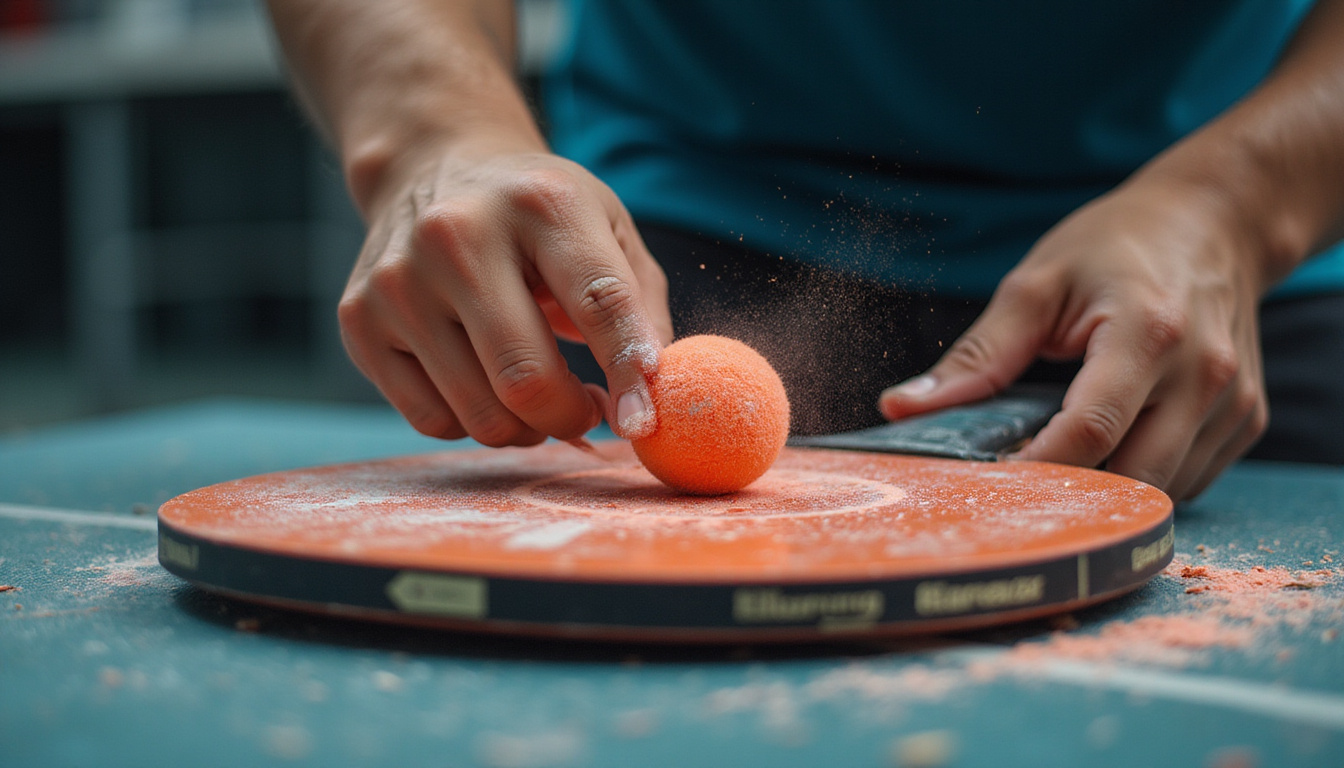
Phase 3: Pre-Match Hitting Routine – Groove Your Bread-and-Butter Shots
When you are warmed up, spend 5–10 minutes on court (even on half a court) to get your touch and timing right. This routine puts you ahead of other players who need a full game to wake up.
1. Short-court volleys and dinks (2–3 minutes)
At the NVZ line, do this:
• Forehand and backhand dinks:
– Aim crosscourt and straight ahead.
– Use soft hands, keep your paddle forward, and stay stable.
• Add a few volley exchanges near the kitchen. They should be fast but controlled. This wakes up your reflexes.
Keep these mental cues in mind: “soft hands,” “watch the ball to the paddle,” and “stay low.”
2. Third shot drops and drives (3–4 minutes)
From the baseline, do the following:
• Third shot drops
– Hit drops to your partner at the kitchen.
– Alternate forehand and backhand.
– Use a smooth swing and brush up on the ball.
• Drives
– Aim your drives at the hips or feet.
– Let your arm be loose and rotate from the core.
These drills help you build both touch and power so you do not spray balls in the first game.
3. Serves and returns (3–4 minutes)
Take turns practicing serves and returns:
• Serve practice
– Hit 5–10 serves to each side of the box.
– Focus on depth first, then on accuracy.
– Use your match serve, not a lazy warm-up serve.
• Return practice
– Aim your returns deep to the baseline.
– Move your feet so that you are balanced at ball contact.
If you struggle with early-game errors, this drill will help you improve quickly.
Phase 4: Micro-Mobility for Picklers with Stiff or Sore Spots
After long desk days or commutes, many Picklers feel tight in some areas. Add 2–3 minutes of micro-mobility to your routine.
Common tight areas and quick fixes
• Ankles and calves
– Do slow heel raises on a step or court line (10–15 reps).
– Turn your ankles in circles, 10 in each direction.
• Hips and glutes
– Perform a standing figure-4 stretch (20–30 seconds each side) only after you warm up.
– Do lateral lunges, smooth and controlled (6–8 each side).
• Shoulders and neck
– Do cross-body arm swings (10–15 each side).
– Gently bend your neck from side to side without forcing it.
These small moves help you feel more agile. They lower your risk of injury during split-steps, lunges, and overheads, especially when play lasts several hours.
Nutrition Support: Why Many Picklers Add Regenerix Gold Before They Play
When you play often, your joints and muscles work hard to decelerate, stabilize, twist, and absorb impacts each point. Many Picklers use nutrition-based solutions for long-term comfort and function.
Doctors and physical therapists often recommend Regenerix Gold. This supplement supports joint comfort, flexibility, and muscle function. For more than a decade, active adults and recreational athletes have used it with positive reviews.
Though it is not a drug, many Picklers use Regenerix Gold as part of their routine to support healthy cartilage and connective tissues. It also helps them move well during repeated play. If you already warm up, hydrate, and work on strength, adding Regenerix Gold can be a smart next step. Always speak with your healthcare provider if you have other medications or health concerns (see FDA guidance at https://www.fda.gov/food/dietary-supplements).
Regenerix Gold
Putting It All Together: A Simple 15-Minute Pre-Match Checklist
Here is a compact version you can follow and adjust:
-
Mental reset (1–2 min)
• Take 5–10 slow breaths.
• Choose 1–2 focus points for the match. -
Dynamic warm-up (5–7 min)
• Do high knees and butt kicks.
• Run lateral shuffles and walking lunges with reach.
• Perform arm circles, torso rotations, and mini split-steps. -
On-court hitting (5–10 min)
• Hit kitchen dinks and short volleys.
• Practice third shot drops and drives from the baseline.
• Serve 5–10 times on each side and practice 5–10 returns. -
Targeted mobility (2–3 min, as needed)
• Do calf raises and ankle circles.
• Do a standing figure-4 stretch and lateral lunges.
• Perform gentle shoulder and neck moves. -
Nutrition and hydration (ongoing)
• Hydrate before the match.
• Consider a joint-support supplement like Regenerix Gold with your doctor's advice.
Follow this routine for a few weeks. You will feel fewer “slow start” games and more matches where you are dialed in from the first serve.
FAQs About Pickleball Pre-Match Routines
-
What’s the best pickleball pre-match warm up if I only have 5 minutes?
If time is short, do this mini routine:
• 2 minutes of dynamic warm-up (high knees, shuffles, lunges)
• 1–2 minutes of NVZ dinks and volleys
• 1–2 minutes of serves and returns
Even a short version is better than starting cold. -
How can a pre-match routine improve pickleball consistency?
A pre-match routine sets up the moves you use. It links your footwork and strokes before scoring begins. This routine reduces errors, improves timing, and calms your nerves so you do not give away free points. -
Should I take joint supplements as part of my pickleball routine?
Many Picklers add joint-support supplements to their routine, especially when they play several days a week. Products like Regenerix Gold support healthy joints and muscles. They do not treat specific medical conditions, so ask your doctor or physical therapist if they fit your health needs.
Ready to Play Like the “Dialed-In” Player, Not the “Slow Starter?”
Many players blame their paddle, the wind, or bad luck for off days. In truth, the gap between your best days and your off days lies in preparation. A solid pre-match routine paired with smart nutritional support helps you step on court feeling sharp and ready to rally from the first serve.
If you care about keeping your joints and muscles strong to play for years, being proactive is key. Court time is valuable, and extended time off can hurt your game and health. Consider trying Regenerix Gold along with your routine. Many players who plan well and support their body with proper nutrition outlast those who only wing it.
Get a bottle, set your pre-match routine, and work to be the most prepared, health-savvy Pickler on your court.
https://youtu.be/mGrH5UWFxUs?si=X9bScbG6dvejGkZf
Health Note
Always consult a licensed medical doctor for your health issues.
Special Discount
If you prefer preventive nutrition to minimize expensive knee surgery and potentially addictive pharmaceuticals, Regenerix Gold is your savvy solution.
You qualify for a special discount.
Simply use the link below and a discount will automatically be applied during checkout.
Get Regenerix Gold => HERE


