
session RPE: The Simple Effort Metric That Supercharges Your Workouts
by Zestora on Oct 26, 2026

If you’re a Pickleball addict who lives for dinks, drives, and firefights at the kitchen line, you’ve probably had days where your body feels way more smoked than your stat sheet suggests. That’s where session RPE (session Rating of Perceived Exertion) becomes a game‑changer. It’s a simple, science-backed way to track how hard a workout or match really felt to your body—so you can play more, hurt less, and keep leveling up.
Below, we’ll break down how session RPE works, why it matters for Picklers dealing with nagging aches, and how to use it to build a smarter training and recovery plan—with help from joint-supporting nutrition like Regenerix Gold.
What Is session RPE, in Plain Pickleball Terms?
session RPE is a single number you give to your entire workout or match based on how hard it felt overall.
- “RPE” = Rating of Perceived Exertion
- “session” = the whole practice, drill day, gym workout, or match block
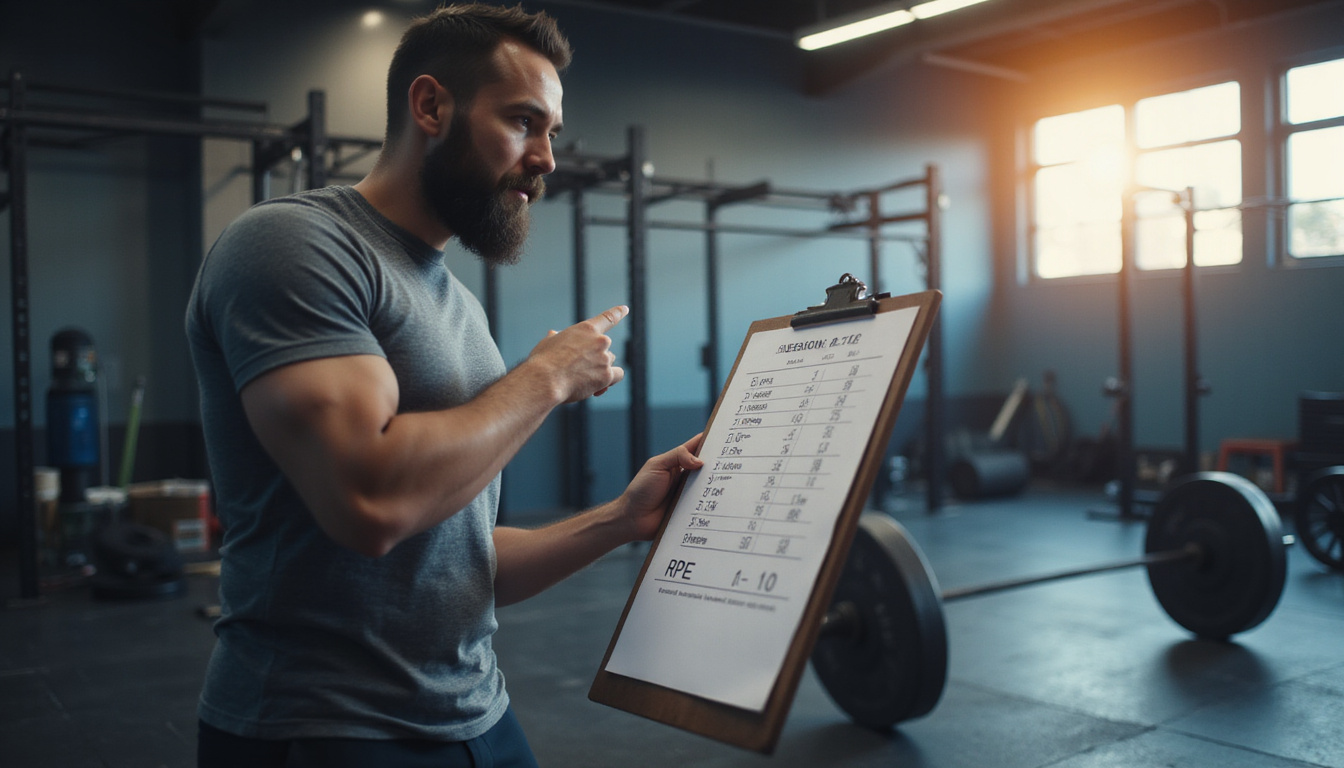
You’re basically asking yourself afterward: “How hard was that session for my body and brain?” Then you give it a score, traditionally from 0–10:
- 0 = Rest, no effort
- 3–4 = Easy rallying, relaxed dinking, light drill
- 5–6 = Solid practice, some breathing, but comfortable
- 7–8 = Hard league night, intense drilling, serious sweat
- 9–10 = Tournament grind, brutal conditioning, all‑out effort
Unlike steps, heart rate, or “games played,” session RPE captures your full experience—the heat, lack of sleep, sore joints, tough opponents, and even stress from work that you carried onto the court.
Why Picklers Should Care About session RPE
If you’re in that “Pickleball three‑days‑a-week turned into six” phase, your body is quietly keeping score—even when your watch or app doesn’t.
session RPE helps you:
- Avoid overdoing it when your joints or muscles are already grumbling
- Spot overload trends before discomfort turns into time off the court
- Balance court time and strength training so you’re building durability, not just burning energy
- Train like serious athletes do—because top pros track internal load, not just hours
Sports science has used RPE for years to monitor training load in athletes across many sports (source: National Strength and Conditioning Association). You’re just applying the same idea to your Pickleball life.
How to Calculate session RPE (It’s Stupid‑Simple)
Here’s the classic formula:
Training Load = session RPE × Duration (in minutes)
Example:
- 2‑hour (120‑minute) ladder league
- You rate the whole session a 7 out of 10 (hard but not death)
Training Load = 7 × 120 = 840
That 840 is your training load for the day—your body’s internal “bill” for the session.
Step‑by‑Step for Pickleball
-
Finish your session
Match play, drilling, gym, or cross‑training—wait 10–30 minutes. -
Ask one question
“On a scale of 0–10, how hard did that whole thing feel?” -
Write it down
Use your phone notes, a spreadsheet, or a journal. -
Multiply by minutes
That number is your load score for the day.
In under 30 seconds, you now have a concrete way to compare:
- A sweaty Saturday ladder vs a chill Wednesday drill
- A humid outdoor session vs a climate‑controlled indoor run
- Tournament day vs casual rec play
The Hidden Problem: Court Hours Don’t Tell the Whole Story
Two three‑hour sessions can hit your body very differently:
-
Session A: Mostly dinking, teaching a beginner, lots of chatting.
- RPE = 4, Duration = 180 minutes → Load = 720
-
Session B: Full‑tilt rec, constant firefights, chasing lobs in the heat.
- RPE = 8, Duration = 180 minutes → Load = 1,440
Same amount of time, double the internal load.
If you only look at “I played three hours,” you miss the stress your joints, muscles, and connective tissue actually experienced. session RPE gives you that missing piece, especially important if your knees, shoulders, or low back already feel taxed.
Using session RPE to Protect Your Joints and Muscles
Many Picklers in America are juggling:
- League nights
- Open play
- Tournaments or round robins
- Strength or cardio sessions
Layer on age, work stress, sleep quality, and those subtle joint complaints… and it’s easy to cross the line from “healthy stress” into “too much.”
A Simple Weekly Load Check
Use session RPE to eyeball your weeks:
- Add up daily loads to get a weekly total
- Compare week to week
If your weekly total suddenly jumps—say from 3,000 to 4,800—that’s a 60% spike, and your body will definitely notice, especially if joints and muscles are already touchy.
Aim for gradual changes, not giant jumps. Many coaches like to keep weekly load changes somewhere around 10–20% at most—especially for adults who also have jobs, families, and real‑life stress.
Sample Week for a Pickleball‑Obsessed Player Using session RPE
Imagine a busy rec+league player:
-
Mon – Open Play (2 hours)
- Felt moderate: RPE 6 → 6 × 120 = 720
-
Tue – Strength + Mobility (45 min)
- Solid effort: RPE 7 → 7 × 45 = 315
-
Wed – Skills Drilling (90 min)
- Technical, medium: RPE 5 → 5 × 90 = 450
-
Thu – Ladder League (2.5 hours)
- Tough matches: RPE 8 → 8 × 150 = 1,200
-
Sat – Tournament (4 hours actual play)
- Grueling: RPE 9 → 9 × 240 = 2,160
Weekly Load Total = 720 + 315 + 450 + 1,200 + 2,160 = 4,845
Now imagine the next week you add:
- Extra rec night (2 hours, RPE 7 → 840)
- Extra gym day (40 min, RPE 7 → 280)
New Weekly Load: 4,845 + 840 + 280 = 5,965
That’s almost a 25% jump—worth paying attention to, especially if:
- Knees or shoulders are already a bit cranky
- You’re not sleeping great
- You sit a lot for work
With session RPE, you can see it clearly and decide: “Maybe I should cut one session down, or lighten the gym day.”
Pairing session RPE With Recovery and Nutrition
Tracking effort is one side of the coin. Supporting your body so it can handle that load is the other.
Most Picklers who play multiple times per week quickly realize:
- A warmup of a couple of lazy groundstrokes isn’t enough
- Stretching after actually matters
- Nutrition for joint and muscle health is not optional if you want longevity on the courts
Where Regenerix Gold Fits In
Regenerix Gold is a nutrition‑based supplement recommended for people who want to support healthy joints and muscles—exactly the system you’re stressing every time you slide for an Erne or lunge for a sharp angle dink.
Key points for Picklers:
- It’s formulated as a nutrition support solution, not a drug
- It has been recommended by doctors and physical therapists as part of a broader approach to joint and muscle wellness
- It has over a decade of use internationally, with positive reviews from active users who want to stay in the game longer
- It’s designed for people who want to keep moving, training, and competing while supporting their body’s everyday joint and muscle function
Combined with smart use of session RPE, Regenerix Gold can be part of a holistic “play more, hurt less” strategy: intelligent load management, regular strength and mobility work, good sleep, and targeted nutritional support.
How to Start Using session RPE This Week
You don’t need new apps, heart rate monitors, or spreadsheets (unless you like that stuff). Do this:
-
Pick your scale
Use 0–10. Keep it consistent. -
Score every session for 2–4 weeks
Matches, drills, gym, even long conditioning walks. -
Record it
Note:- Date
- Type (rec, ladder, tournament, drilling, gym, etc.)
- Duration
- session RPE
- Training load (RPE × minutes)
-
Look for patterns
- Which days are always 8–9?
- Do your joints complain more when you stack three high‑load days?
- Does your body like alternating heavier and lighter days?
-
Make one small change
Examples:- Drop one rec session from 3 hours to 90 minutes on heavy weeks
- Lower a gym day from RPE 8 to RPE 6 during tournament weeks
- Add a dedicated mobility day after your highest‑load session
The goal is not to play less; it’s to play smart so your body can handle more of the fun stuff without constantly feeling beat‑up.
Simple Ways to Lower Load Without Losing Court Time
If you’re hooked on the social side and don’t want to skip days, use these tweaks:
- Swap one all‑out rec night for a “skills & drills” focus session with lower intensity
- Play shorter games (to 9 instead of 11) when joints feel taxed
- Rotate in more dinking and third‑shot practice on blistering hot days
- If you double‑dip (morning and evening), make one block a lighter RPE day on purpose
- Pace tournament warmups so you’re not already at a 6/10 before your first match
session RPE helps you dial all this in without obsessing over tech.
Video: Learn More About Regenerix Gold
Regenerix Gold
FAQ: session RPE for Pickleball Players
Q1: How do I know if my session RPE is accurate?
Your first few ratings might feel random, but that’s normal. Over a couple of weeks, you’ll develop your own internal “calibration.” What matters most is consistency—use the same scale, ask the same question after each session, and compare you to you, not you to someone else.
Q2: What’s a good session RPE range for older Pickleball players?
For many adult and older adult Picklers, a sustainable weekly mix often centers around RPE 4–7, with only occasional dips into the 8–9 range for tournaments or big events. The right mix depends on your history, how your joints and muscles feel, and what your health professional recommends. If you’re unsure, stay on the conservative side and gradually progress.
Q3: Can session RPE help prevent overtraining or burnout in Pickleball?
session RPE can’t guarantee anything, but it’s a powerful early warning system. If you see your weekly load jump sharply—or you string together several 8–9 RPE days—and you’re also more sore, more tired, or less motivated, it’s a sign to back off slightly, focus on recovery habits, and lean on nutrition and joint‑support strategies like Regenerix Gold to help your body keep up.
Put It All Together—and Stay on the Court Longer
You don’t need to train like a pro to think like one. session RPE is a simple tool that lets you:
- Respect what your body is actually feeling
- Balance “just one more game” with long‑term joint and muscle health
- Build weeks that challenge you without grinding you down
- Align your on‑court obsession with smarter off‑court recovery and nutrition
If you’re serious enough about Pickleball to track your paddle, shoes, and rating, you’re serious enough to track the one thing that truly determines your longevity: how hard your body is actually working.
If you want to go beyond guesswork—and you care about staying ahead of expensive medical visits, missed work days, or losing your regular court slot—this is a smart moment to upgrade both your tracking and your nutritional support.
Use session RPE to manage your effort intelligently, and consider adding Regenerix Gold to your daily routine to nutritionally support healthy joints and muscles the same way countless active people around the world have for over a decade.
You’ve already invested in paddles, shoes, and court fees. Get yourself a bottle of Regenerix Gold and start treating your body with the same level of strategy you bring to every third shot. The savvier Picklers—the ones who are still playing strong years from now—are the ones who start making these choices today.
https://youtu.be/mGrH5UWFxUs?si=X9bScbG6dvejGkZf
Health Note
Always consult a licensed medical doctor for your health issues.
Special Discount
If you prefer preventive nutrition to minimize expensive knee surgery and potentially addictive pharmaceuticals, Regenerix Gold is your savvy solution.
You qualify for a special discount.
Simply use the link below and a discount will automatically be applied during checkout.
Get Regenerix Gold => HERE


