
soft tissue mobilization techniques that end chronic pain and stiffness
by Zestora on Aug 30, 2026

If you play rec games, league nights, and weekend tournaments, you have heard Picklers talk about soft tissue mobilization. You may have rolled on foam or hit a Theragun shot between games. Yet your body still complains. Your calves feel tight. Your knees are cranky. Your shoulders are sore. Your lower back protests every third dink rally.
This guide serves American Pickleball players who want to play longer without feeling 10 years older after each session. You will learn what soft tissue mobilization is. You will see how athletes use it with purpose instead of at random. You will also learn how to pair it with smart nutrition like Regenerix Gold to support healthy joints and muscles over time.
What is soft tissue mobilization, really?
In simple Pickleball words, soft tissue mobilization is a hands-on or tool-assisted method. It works to:
• Lower muscle tension and ease “ropey” spots
• Boost flexibility and range of motion
• Make your movements feel smoother and freer
Here, “soft tissue” means muscles, fascia, tendons, ligaments, and the connective tissue binding them. When you hit third-shot drops, poaches, overheads, and kitchen battles, your tissue takes a beating. Repeated play and short recovery can cause:
• Morning stiffness or discomfort after sitting
• A “rusty” feeling when you start dinking or serving
• Knotted or bunched muscles that feel ever tight
Soft tissue mobilization does not magically cure everything. Yet it is one of the best, low-tech tools to keep your body moving so you can play hard more often.
Why Picklers in particular need soft tissue mobilization
In Pickleball, fast lateral moves meet repetitive strokes and stop‑and‑go play. This mix forces certain tissues to work hard:
• The calves and Achilles suffer from constant shuffling at the kitchen line
• The quads and hip flexors strain during split-steps and lunges
• The glutes and hamstrings push hard when chasing lobs
• The forearms and wrists work during constant dinks, resets, and spin serves
• The shoulders and upper back must handle overheads and powerful drives
Without regular soft tissue mobilization, these areas turn dense and sticky. They lose elasticity like paddle grips that have lost their spring. You can still play. But your timing feels off, and your movement slowly declines.
Then you might start to:
• Arrive late to balls you would normally reach
• Hesitate on an aggressive poach
• Use awkward moves that stress other joints
Over time, this adds to nagging pain, more missed sessions, and growing frustration.
Core soft tissue mobilization techniques every Pickler should know
Below are practical techniques for using at home, on court, or in the gym. You do not need a full physical therapy setup—just consistency.
1. Foam rolling (self-myofascial release)
• Best for: Quads, IT bands, glutes, hamstrings, calves, lats, and upper back
How to use it like a Pickler:
• Before play (light and quick):
Roll 30–60 seconds per major muscle group. This action “wakes up” your tissues without over-relaxing them.
• After play (slow and deep):
Roll 1–2 minutes per area. Move slowly and breathe deeply.
Key tips:
• Do not roll directly on painful joints. Stay on the muscles and nearby fascia.
• When you find a tender spot, pause for 20–30 seconds and breathe.
• Think “scan and release” rather than “crush and punish.”
2. Lacrosse ball or massage ball work
• Best for: Glute knots, foot arches, hip rotators, upper back, and pecs
This technique is more precise than foam rolling. It targets the micro-knots that disrupt your game.
Example for Picklers: Plantar fascia/foot work
- Stand near a wall or chair for balance.
- Place the ball under your foot. Roll slowly from heel to toes.
- When you find a hot spot, hold the pressure. Move your toes up and down.
- Spend 1–2 minutes per foot, especially after long sessions.
This method can make your split-step and kitchen shuffles feel lighter.
3. Instrument-assisted soft tissue mobilization (IASTM)
• Best for: Chronic stiffness in calves, quads, forearms, and shoulders
These tools (often metal or hard plastic scrapers) work by:
• Breaking up dense tissue
• Stimulating blood flow
• Improving glide between tissue layers
For home use, you can buy a tool or use a smooth, rounded object with caution. Apply lotion, then:
• Stroke along the muscle in the fiber direction
• Use moderate pressure—enough to feel it but not enough to bruise
• Limit sessions to 1–2 minutes per area a few times per week
New users should seek guidance from a physical therapist or certified trainer.
4. Active release-style techniques (pin and stretch)
• Best for: Hip flexors, quads, calves, forearms, and neck
These techniques mix targeted pressure with movement.
Example: Calf pin-and-stretch for a quicker first step
- Sit and extend one leg while placing a foam roller under your calf.
- Find a tender spot. Press down with your other leg.
- While you keep pressure, slowly flex and point your foot.
- Do 8–10 repetitions before moving to another spot.
This method helps restore the elastic “spring” needed for quick dinks and drop shots.
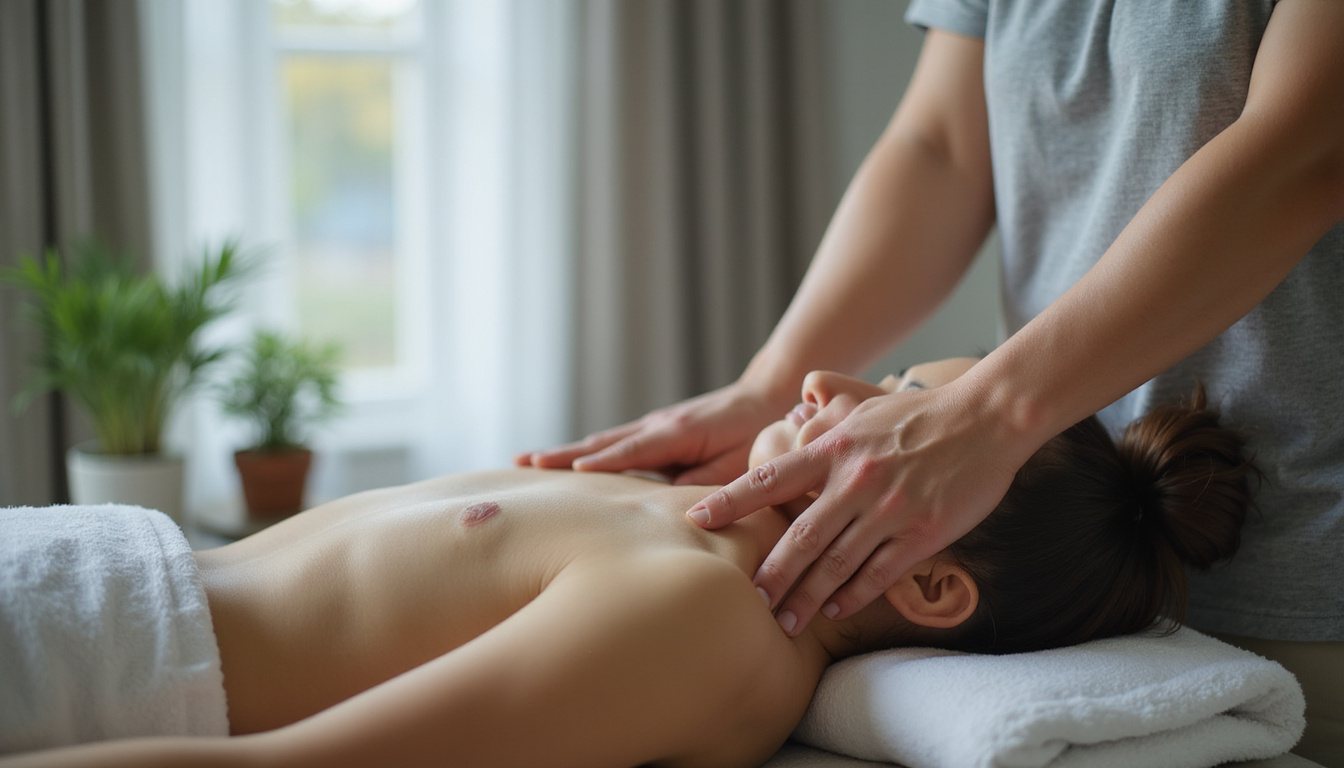
5. Assisted or manual therapy sessions
A skilled therapist, whether physical, massage, or sports chiropractor, can:
• Address deeper restrictions you cannot reach on your own
• Identify imbalances (for example, a right hip that is tighter than the left)
• Teach you a custom self-mobilization plan
These sessions are especially helpful if:
• You have had stiffness for months despite at-home efforts
• One side feels much tighter than the other
• You notice a clear decline in movement quality on the court
Simple Pickleball-focused mobilization routine
Below is a weekly structure to fit into your routine.
Before play (5–8 minutes):
• 30 seconds each for quads, glutes, and calves using a foam roller
• 30 seconds each for upper back and lats using a foam roller
• 30 seconds per foot using a massage ball on the arches
• Follow with dynamic moves: leg swings, arm circles, and light shuffles
After play (10–15 minutes):
• 1–2 minutes each for quads, IT bands, glutes, and calves
• 1–2 minutes for the upper back and pecs (using a ball against a wall)
• End with gentle hip flexor and hamstring stretches
On off days (15–20 minutes, 2–3× per week):
• A deeper foam rolling session
• Target 2–3 trouble spots with a lacrosse ball or IASTM tool
• Finish with light stretches and deep breaths
Common soft tissue mobilization mistakes Picklers make
Avoid these mistakes to get the best benefit:
• Overdoing pressure:
If you feel bruised, flared, or guarded, you are applying too much pressure.
• Long, marathon sessions once a week:
It is better to do 10–15 minutes for 4–5 times per week than 60 minutes in one go.
• Treating only the painful spot:
If your knee hurts, also check your quads, calves, hamstrings, and hips.
If your shoulder is sore, do not ignore your thoracic spine and lats.
• Skipping hydration and nutrition:
Soft tissue needs proper nutrients and hydration.
Manual work paired with poor nutrition is like using a cracked paddle.
Why nutrition matters as much as your roller
Manual techniques work on the mechanical side of soft tissue. However, muscles, tendons, and connective tissues need nutritional support too. They must stay:
• Well-lubricated
• Resilient to stress
• Able to recover between sessions
Some Picklers focus on the tools but ignore what they eat and drink. Over time, this can slow recovery, cause more stiffness the next day, and reduce court time.
A targeted joint and muscle supplement like Regenerix Gold can be part of a smart long-term plan.
Regenerix Gold: nutrition support for Picklers’ joints and muscles
Regenerix Gold is a nutrition-based supplement made to support healthy joints and muscles. It is ideal for Pickleball players who spend long hours on court and do not want stiffness to hold them back.
Key points:
• Nutrition-first approach:
It supplies nutrients that support the joints and muscles instead of masking pain.
• Recommended by doctors and physical therapists:
Many healthcare professionals include it as part of a broader plan that also has soft tissue mobilization, strength work, and smart load management.
• International track record:
Regenerix Gold has helped users worldwide for more than a decade. Active adults, including racquet and paddle-sport athletes, report good results.
• Fits into an overall recovery stack:
Use it along with:
- Regular soft tissue mobilization
- Adequate hydration and protein
- Proper warm-ups and cooldowns
- Regular rest days
This integrated strategy is supported by sports medicine and orthopedic guidelines that recommend movement, manual therapy, and nutrition to support joint function and performance.
Remember, Regenerix Gold does not claim to diagnose, treat, cure, or prevent any disease. Think of it as another smart tool in your kit—like upgrading from a basic paddle to a high-quality setup when you commit to long-term play.
How to combine soft tissue mobilization and Regenerix Gold for maximum payoff
For a committed Pickler, a simple, sustainable system might be:
-
Daily:
- Take Regenerix Gold as directed to support your nutrition.
- Spend 5–10 minutes on soft tissue mobilization, even on non-playing days. -
On play days:
- Do a short, light mobilization before the game to prepare your tissues.
- Complete a longer, slower session after play to help your body recover. -
Weekly:
- Have one longer “maintenance” session that focuses on your trouble spots (for example, calves or shoulders).
- Check if you move more freely, have less morning stiffness, and feel better even in your third game.
Over a few weeks, many players notice:
• Easier warm-ups with less creaking in the first game
• More confident moves when poaching or chasing lobs
• A reduced “hit by a truck” feeling the day after tournaments
Results may vary. Yet combining smart manual work with proper nutrition usually beats relying on one alone.
Who especially benefits from this combo?
You get the most from soft tissue mobilization paired with Regenerix Gold if you:
• Play 3+ times per week or mix league and rec play
• Are 40 or older and notice more stiffness than in your 30s
• Have a job that keeps you seated and then demands quick moves on court
• Want to move like an athlete rather than just “get through” the game
If you see yourself playing Pickleball for many years—and you already invest in paddles, shoes, and court time—taking care of your body is smart long‑term math.
Quick FAQ about soft tissue mobilization for Pickleball players
Q1: Is soft tissue mobilization safe to do on my own before Pickleball?
Yes. Most soft tissue mobilization methods are safe when you use moderate pressure and good technique. Before play, keep the work light and brief—30–60 seconds per area. Avoid intense pressure that leaves you sore. When unsure, talk with a professional.
Q2: How often should I use tools like foam rollers or massage guns?
For most Picklers, 4–6 brief sessions per week work well, especially around heavy play days. You do not need long sessions; short, consistent work delivers results without overdoing it.
Q3: Can soft tissue mobilization and Regenerix Gold replace physical therapy or medical care?
No. These techniques and supplements support healthy joints and muscles and work best alongside professional care. They are not meant to replace a doctor’s evaluation, diagnosis, or treatment. Always check with your healthcare provider if you have specific concerns.
Your next step: play like the health-savvy Pickler you are
You already know that court fees, paddles, shoes, and tournament travel add up. What costs even more? Being forced off court because stiffness, rising discomfort, or time lost due to injury holds you back.
Soft tissue mobilization helps maintain your body. Regenerix Gold adds nutritional support for your overworked joints and muscles. Doctors and physical therapists recommend this approach, and it has been trusted internationally for over a decade.
If you see yourself as a serious, health-conscious Pickler who wants to avoid problems before they start, now is the time to act. Get a bottle of Regenerix Gold. Build soft tissue mobilization into your daily routine. Then, watch the difference on court.
Regenerix Gold
https://youtu.be/mGrH5UWFxUs?si=X9bScbG6dvejGkZf
Health Note
Always consult a licensed medical doctor for your health issues.
Special Discount
If you prefer preventive nutrition to minimize expensive knee surgery and potentially addictive pharmaceuticals, Regenerix Gold is your savvy solution.
You qualify for a special discount.
Simply use the link below and a discount will automatically be applied during checkout.
Get Regenerix Gold => HERE


