
tendon resilience: Simple Daily Habits to Strengthen and Protect Your Tendons
by Zestora on Aug 07, 2026

If you play pickleball often, your body feels the truth. Your tendons work hard during every dink and drop. Ache in your elbows after heavy drives, sore Achilles when you chase lobs, or a tense shoulder from overhead shots all point to stressed tendons. The good news is that a few daily habits can build stronger tendons. This lets you stay on court longer and feel better after the game.
This guide speaks to American Picklers who work hard on the court, feel the wear and tear, and want to keep hitting strong drives and sliding into the kitchen without worry.
Why Tendon Resilience Matters So Much for Pickleball
Pickleball pushes your tendons over time:
- Dinks and topspin drives stress your wrist and elbow tendons.
- Split-steps, shuffles, and lunges stress your knee and hip tendons.
- Sudden sprints and stops stress your Achilles and foot tendons.
- Overheads, serves, and quick moves stress your shoulder and biceps tendons.
Tendons adapt slowly. Muscles may grow strong in a few weeks, but tendons take months to adjust. This gap is why many Picklers feel a nagging discomfort when they add play too fast. More play means more stress on tendons that need time to catch up.
Tendon resilience means:
- Handling higher loads without pain.
- Recovering faster between sessions.
- Playing consistently instead of swinging between “in play” and “off court.”
Let us share simple habits that help keep your tendons strong.
Habit 1: Warm Up Like You Actually Mean to Move Fast
Many Picklers do a few dinks and start playing. That warm-up does not help tendon strength.
A proper warm-up should:
- Raise your body temperature.
- Activate the muscles and tendons that will work.
- Prepare the movement patterns you will use on court.
Try this 5–8 minute routine before your game:
-
Light cardio (1–2 minutes)
- Walk briskly around the courts, jog lightly, or do fast side-steps.
-
Dynamic mobility (2–3 minutes)
- Do leg swings forward and sideways.
- Do small to big arm circles and cross-body arm swings.
- Do gentle torso rotations, like shadow forehands and backhands.
-
Tendon wake-up (2–3 minutes)
- Do 10–15 calf raises (first with both feet, then try one leg).
- Do 10–15 mini squats.
- Do 10–15 gentle forearm turns with your paddle.
This warm-up is like heating an oven. Cold and stiff tendons will protest when you start chasing those sharp angles.
Habit 2: Respect the “Load Ramp” – Especially After a Layoff
Picklers love long sessions. When you return from a break, you might jump into three leagues in one week. Tendons do not like sudden increases.
Tendons grow stronger with gradual progress. Follow a simple rule:
- Raise your total weekly play time by no more than 10–20% when you ramp up.
Example:
- Week 1: 3 hours total.
- Week 2: 3.5–4 hours.
- Week 3: 4–5 hours.
If you add a new, intense session, adjust your other play times. Add extra recovery work and watch for early warning signs. Signs include lingering stiffness, sharp pain with some shots, or discomfort that comes earlier than usual. Listening to these flags can help your tendons grow and heal.
Habit 3: Do Targeted Strength Work (10–15 Minutes, 2–3x Per Week)
Strong muscles share the load with your tendons. This work is not about bodybuilding. It is about strength that serves your pickleball game.
Key areas for Picklers:
- Forearm/elbow: Helps with dinks, drives, and spins.
- Shoulder/rotator cuff: Aids serves, overheads, and speed.
- Hips and glutes: Support lateral moves and stability.
- Calves and feet: Power push-offs and stops.
Try this simple routine (2–3 times per week):
-
Eccentric heel drops (calves/Achilles)
- Stand on a step. Rise with both feet. Slowly lower with one foot over 3–4 seconds.
- Do 2–3 sets of 8–12 reps per leg.
-
Slow squats or split-squats (knees/hips)
- Use your body weight. Lower in 3 seconds, rise in 1 second.
- Do 2–3 sets of 8–10 reps.
-
Wrist curls and reverse wrist curls (forearm/elbow)
- Use a light dumbbell or band.
- Do 2–3 sets of 10–15 reps each way.
-
External rotations (shoulders/rotator cuff)
- Use a band. Keep your elbow at your side and rotate your forearm outward.
- Do 2–3 sets of 10–15 reps on each arm.
Move slowly and control the lowering phase. This method is key to tendon resilience.
Habit 4: Stay Loosely Mobile, Not Gumby-Flexible
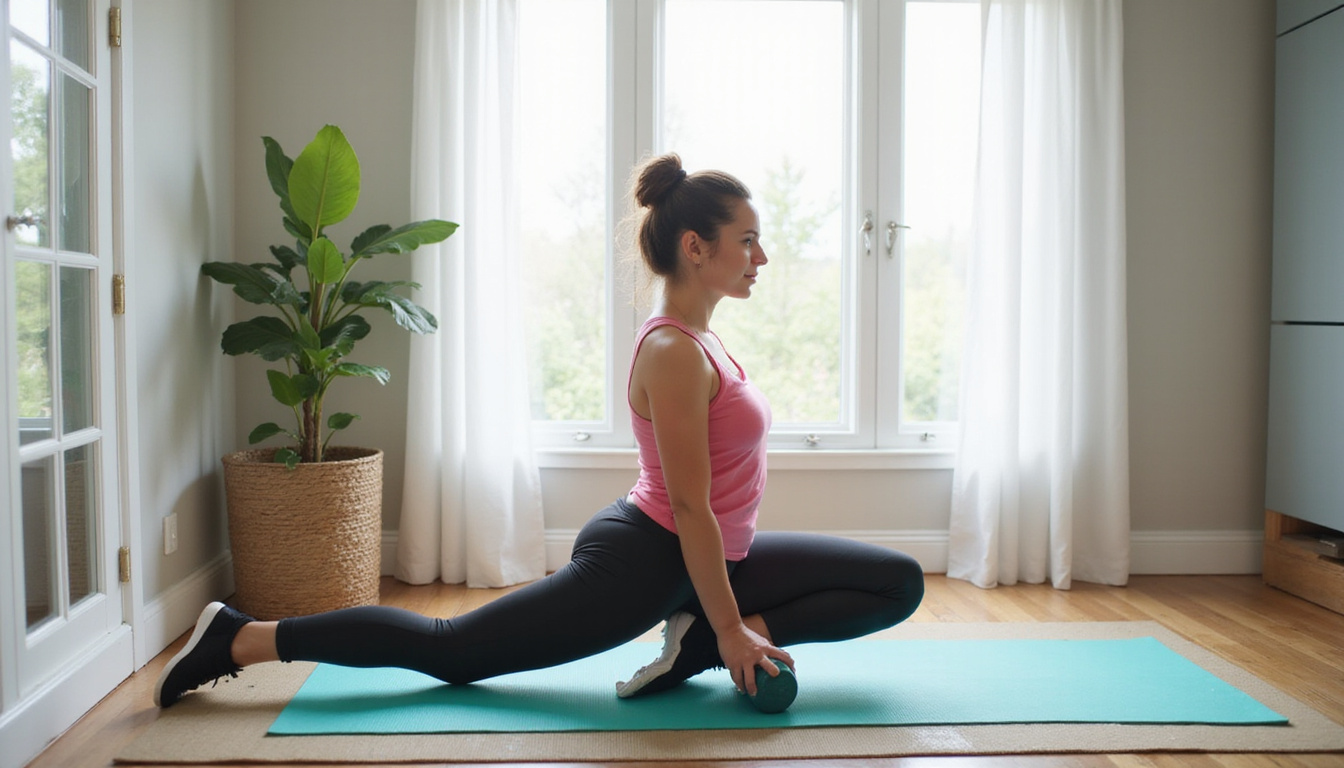
Many Picklers stretch too hard. They think more stretch means better. For tendons, smooth motion is more important than extreme bending.
Focus on these points:
- Use gentle, short-duration stretches (15–30 seconds) after play.
- Stretch your calves, quads, hamstrings, glutes, forearms, and chest.
- Do not push into painful, long holds.
Keep it easy, frequent, and relaxed.
Habit 5: Post-Play Cooldown and Recovery Ritual
After the match, you are tired and ready to snack. But don’t skip the cooldown that helps your tendons recover.
Take 3–5 minutes to cool down:
- Walk for 1–2 minutes instead of sitting immediately.
-
Do gentle stretches for muscles you worked:
- For calves, press your heel down and lean into a wall.
- For quads, pull your heel to your butt while holding a fence.
- For glutes, use a seated figure-4 stretch on a bench.
- For forearms, gently pull your fingers back, then make a soft fist and flex your wrist.
- Hydrate and have a healthy snack if a meal is not soon.
A regular cooldown can reduce morning stiffness and unwanted aches.
Habit 6: Support Tendon Resilience With Smart Nutrition
Tendons are living tissues. They need proper fuel and care.
Follow these nutritional tips:
- Have enough protein throughout the day. Protein helps muscle and tissue repair. Active adults often need around 1.2–1.6 g per kg of body weight. Check with a healthcare expert for your needs.
- Eat a range of colorful fruits and vegetables for antioxidants and nutrients.
- Stay hydrated. Even a small loss in fluids can slow recovery and make work harder.
Regenerix Gold: A Nutrition-Based Ally for Pickleball Tendons and Joints
Many US Picklers now look to nutrition to support their joints and muscles.
Regenerix Gold is a nutrition-based supplement. Some doctors and physical therapists recommend it to active adults who want to support:
- Healthy joints.
- Healthy muscles and connective tissues.
- Overall mobility to keep enjoying long pickleball sessions.
Key points for Picklers:
- It is not a quick fix but one part of a long-term health strategy.
- It has been used worldwide for over a decade, with positive feedback.
- Many players pair it with a good warm-up, steady load progression, and strength work.
Always consult a healthcare professional before starting any new supplement if you have health concerns.
Regenerix Gold
Habit 7: Choose Gear and Surfaces That Don’t Beat You Up
Small gear choices add up to big changes in how your tendons feel.
-
Paddle choice:
- Very stiff or heavy paddles can shock your wrist and elbow.
- Look for paddles with good vibration dampening and a comfortable weight.
-
Grip size:
- A grip that is too big or too small forces you to overgrip.
- Many players adjust their grip size to match their hand.
-
Shoes:
- Use court-specific shoes with good cushioning and lateral support.
- Replace worn-out shoes early to reduce impact.
-
Surface:
- Hard concrete courts add extra strain.
- Mix in play on softer surfaces when possible.
Habit 8: Use Pain as Data, Not a Badge of Honor
Play hard, but do not ignore pain. There is a difference between normal fatigue and tendon overload.
Watch for these signs:
- Morning stiffness that lasts longer than a few minutes.
- Sharp pain on certain shots, like serves or backhands.
- Soreness that grows over weeks instead of lessening.
When you feel this pain, use it as a guide. You can:
- Temporarily lower your play volume or intensity.
- Increase strength work and recovery.
- Talk to a sports professional early before damage increases.
Quick Daily Checklist for Tendon Resilience
Keep this simple list in mind:
- [ ] 5–8 minute warm-up before your game.
- [ ] 2–3 strength sessions per week (10–15 minutes each).
- [ ] Gentle mobility work and a 3–5 minute cooldown after play.
- [ ] Gradual increase of weekly play time.
- [ ] Good nutrition and staying hydrated.
- [ ] Thoughtful gear choices (paddle, grip, shoes).
- [ ] Adjust play when your tendons send warning signals.
- [ ] Consider a joint and muscle support supplement like Regenerix Gold if advised by your healthcare professional.
FAQ: Tendon Resilience for Pickleball Players
Q1: How can I improve tendon resilience without quitting play?
You usually do not need to stop playing unless a doctor advises. Focus on a proper warm-up, lower play intensity when needed, do 2–3 weekly strength sessions, and give yourself time to recover. These changes help build tendon resilience while you keep playing.
Q2: What exercises best build resilient tendons for pickleball?
Slow, controlled exercises work best. Try eccentric heel drops for your Achilles, slow squats or split-squats for your knees and hips, wrist curls (and reverse curls) for your elbows, and banded external rotations for your shoulder. Consistency is key to lasting results.
Q3: Can supplements help tendon and joint resilience for Pickleball players?
Supplements cannot replace good training habits. Still, many active players use nutrition-based products to support joint and muscle health. Regenerix Gold is one such option used with proper play, strength work, and recovery. Always check with your healthcare provider first if you have any concerns.
Bring It All Together – And Stay on Court
You put time and energy into your game. You focus on strong third shots, practice reset moves, and choose good partners for tournaments. Protecting your tendons is part of that winning mindset.
Building tendon resilience does not need a big life change. It takes:
- A short warm-up.
- Brief, targeted strength work a few times per week.
- A smart and gradual play schedule.
- Basic nutrition and recovery steps.
- Thoughtful use of support tools like Regenerix Gold.
If you want to stay on court, avoid extra medical bills, and protect your ability to work and play, treat your tendons as valuable gear. Consider a bottle of Regenerix Gold along with these daily habits. Many players worldwide do this to support healthy joints and muscles. You get the edge on court, in your long-term health, and in the peace of mind that your tendons receive the care they deserve.
https://youtu.be/mGrH5UWFxUs?si=X9bScbG6dvejGkZf
Health Note
Always consult a licensed medical doctor for your health issues.
Special Discount
If you prefer preventive nutrition to minimize expensive knee surgery and potentially addictive pharmaceuticals, Regenerix Gold is your savvy solution.
You qualify for a special discount.
Simply use the link below and a discount will automatically be applied during checkout.
Get Regenerix Gold => HERE


