

Standing desks are trending in education reports. Yet when you are a teacher, adding another piece of furniture to a cramped classroom or small home office can be hard. The good news is you can enjoy the benefits of a standing desk in small spaces. You will not waste your money or change your entire room setup.
This guide speaks directly to American teachers. You stand all day, feel muscle or joint pain, and work in tight spaces. You plan lessons, grade papers, and answer emails.
Why standing desks matter for teachers’ bodies
For years you have:
• Worked at lab tables
• Sat on student chairs during conferences
• Bent over stacks of essays on your dining table
Your neck, back, and shoulders now send you signals. Long hours of sitting and poor posture cause stiffness and pain. Research shows that mixing sitting with light movement and standing can keep you more comfortable and alert (source: CDC – Physical Activity & Health).
Standing desks let you:
• Change your posture during prep and grading
• Break long sitting periods
• Stay alert during emails and lesson planning
For teachers with little space, a standing desk is not about a fancy setup. It is about a sensible, compact choice for your body and teaching.
The main challenges: small classrooms and tiny home offices
Teachers know well that:
• “Desk space” usually is a small rectangle buried under IEP folders, copy requests, and student work.
• Your “home office” might be a rolling cart with a laptop on a kitchen counter.
• Fire codes and room rules limit new furniture.
When you consider standing desks for small spaces, you balance three things:
- Footprint – How much floor space will it use?
- Flexibility – Can you move it between classrooms or pack it away?
- Ergonomics – Will it help your body without causing new aches?
Let’s look at the types of standing desks that work for you.
Best kinds of standing desks for small spaces
1. Desk converters: Turn your teacher desk into a standing station
Desk converters sit on your existing desk. They raise your laptop or monitor to a standing height.
Why they work for teachers:
• You keep your current desk and drawers.
• You do not need approval for new furniture in some districts.
• You can easily slide it aside when you need more table space.
Key features to check:
• A compact base that does not cover the entire desktop.
• A smooth, up‑and‑down mechanism you can adjust in moments.
• Enough surface for your laptop, document camera, and a grading stack.
This option fits if your classroom space is fixed but your administration allows personal ergonomic tools.
2. Mobile standing desks: The cart that works for you
Many teachers own rolling carts. Mobile standing desks build on that idea and add ergonomics. Think of a narrow, height‑adjustable podium on wheels.
Benefits for teachers:
• Roll it among your main desk, the projector, and different student groups.
• Park it by the door for greeting students and taking attendance.
• Use it on professional development days when you work in another classroom.
For small spaces, choose:
• A slim footprint that slides between student rows.
• Locking wheels for stability.
• A height range that lets you stand or sit on a perch‑stool.
This desk can also serve as your “sub station” for lesson plans and materials.
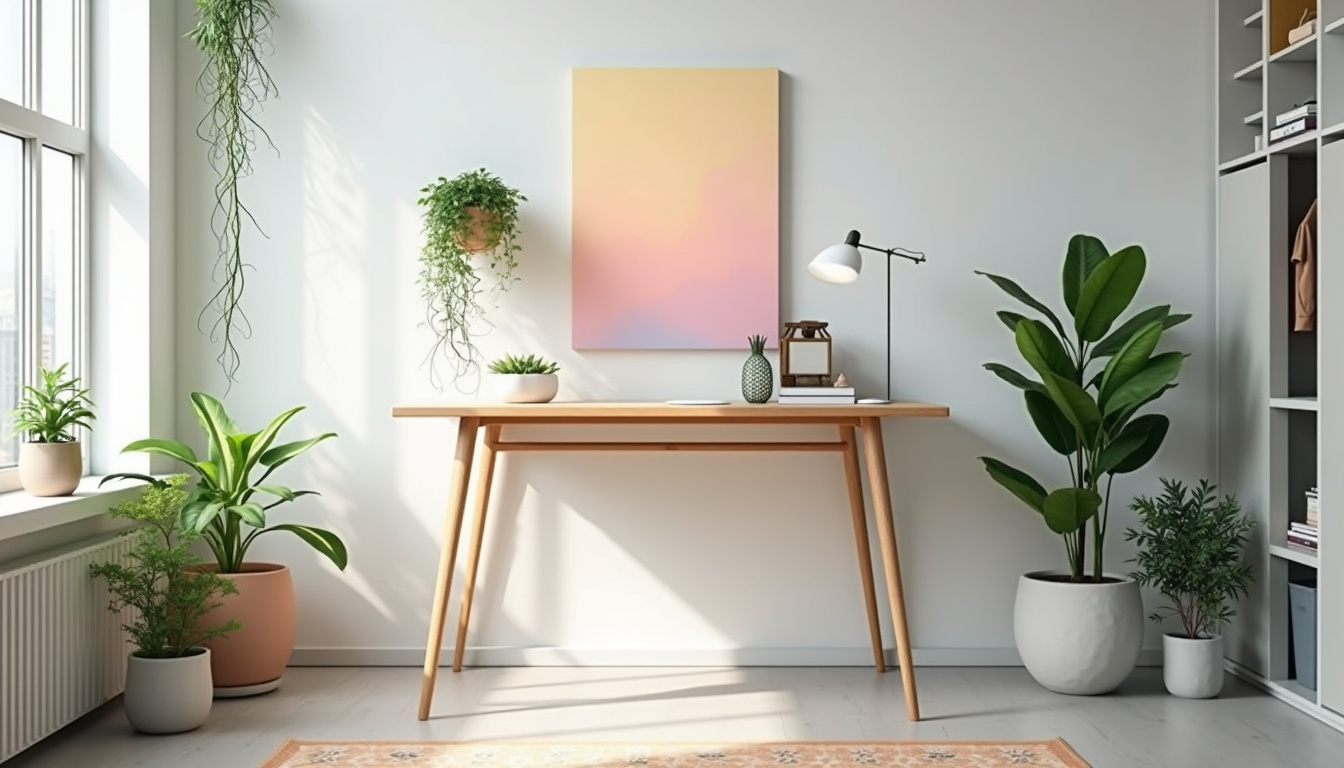
3. Compact electric standing desks: Tiny but powerful
If you make a dedicated workspace at home, a compact electric standing desk is smart. It lets you change height with a push‑button in a small corner.
Look for:
• A width around 32–40 inches for bedroom or hallway use.
• Quiet motors that work while others sleep during late‑night grading.
• Memory presets so you can switch between sitting and standing easily.
If your home “office” is just a wall and an outlet, this desk gives you standing options without taking over the room.
4. Wall‑mounted or fold‑down standing desks: The space ninjas
Some desks mount to the wall and fold down when not in use. They are great for teachers who:
• Share offices or teacher workrooms.
• Do not have a permanent workspace at home.
• Need to tuck away their work station at the end of class.
A wall‑mounted unit with a fold‑down top can turn a hallway, closet, or nook into a planning station. Be sure to follow district rules for wall mounting.
Ergonomic setup tips for teachers using standing desks
Standing desks only help if you set them up for good posture. Teachers already spend long hours on their feet. The goal is healthy variation—switching among sitting, standing, and light movement.
Aim for a neutral posture:
• Place your screen at or near eye level.
• Keep your elbows near a 90‑degree angle when typing.
• Keep your wrists straight as you work through emails.
Protect your joints and muscles:
• Wear supportive shoes.
• Use an anti‑fatigue mat if you stand for many minutes.
• Shift your weight, bend your knees, and do not lock your joints.
Start gradually:
- Begin with 15–20 minutes of standing during a class or planning block.
- Alternate between sitting and standing often.
- Listen to your body and adjust if you feel discomfort.
Fitting a standing desk into an already crowded classroom
You do not need to change your entire room layout. Think like a teacher who uses every square foot:
• Use dead space: corners near the whiteboard, or small gaps by a file cabinet or window can host a narrow standing station.
• Replace, don’t add: swap an old podium or AV cart for a mobile standing desk.
• Think vertical: use wall shelves above a compact standing desk to hold materials instead of spreading out.
Many teachers now use a standing desk as their main “tech station” for laptops, document cameras, and gradebooks. Their traditional desk becomes a storage and meeting area.
Making the most of standing desks during a teacher’s day
You can work standing or sitting as needed:
• Morning bell work: Stand by the projector and greet students, checking homework online.
• Planning period: Start with a standing position for email checks and switch to sitting for deeper lesson planning.
• After school: Use standing time for quick tasks like attendance corrections or copying assignments.
Pair short standing blocks with micro‑movement breaks. For example, do calf raises while reading student reflections, shoulder rolls during breaks, or a few steps while listening to voicemails.
Standing desks, overall wellness, and supportive supplements
For teachers with joint or muscle discomfort from long teaching days, small changes add up:
• Alternate between sitting and standing.
• Stay hydrated throughout the day.
• Stretch gently before and after school.
• Eat a varied, nutrient‑rich diet.
Some teachers add dietary supplements to support joint and muscle health. In the United States, supplements support overall wellness and do not treat or cure diseases. If you consider a supplement, you should:
• Talk with your healthcare provider, especially if you take medications or have health issues.
• Read labels carefully and follow serving directions.
• Choose products from reputable companies that value quality and safety.
A standing desk is one part of a strategy to feel better as you teach, plan, and grade.
Quick checklist: choosing standing desks for small spaces
When shopping or making a DonorsChoose wishlist, use this list:
[ ] Footprint fits your classroom or home office nook.
[ ] Height range suits both your standing and sitting needs.
[ ] Stable base that does not wobble when you type.
[ ] Easy height adjustment you can control quickly.
[ ] Enough surface for your laptop, planner, and maybe a grading stack.
[ ] Compatible with your existing tech, like monitor arms or document cameras.
[ ] Approved by your school or district if required.
[ ] Works with your typical footwear and floor type.
FAQ: Teachers and standing desks in small spaces
Q1: Are standing desks really worth it for teachers who already stand a lot?
Even if you stand much of the day, you often lean, hunch, or perch on student desks. Standing desks help you find a better posture for screen tasks like grading and planning. They also let you switch between sitting and standing, which helps reduce stiffness and pain.
Q2: What type of standing desk is best for a very small classroom?
Many teachers choose a compact desk converter or a slim mobile standing desk. Both use little space and let you stand during planning or whole-group instruction.
Q3: How long should a teacher stand at a standing desk during prep time?
There is no fixed answer. Many teachers begin with 15–20 minutes and then change positions throughout the day. The key is to listen to your body, adjust to a comfortable height, and move gently.
Regenerix Gold: an insider choice for teachers who want healthy joints and muscles
As you set up your classroom or home workspace with a smart standing desk, think about your overall joint and muscle health. Many teachers invest in better chairs, quality shoes, and ergonomic keyboards. They know that their body is their most important tool.
Regenerix Gold is a premium supplement for joint and muscle health. It supports flexibility and comfort as part of a balanced lifestyle. It does not treat or cure any medical condition, and it is not a substitute for professional care. Instead, it works with your smart choices: setting up a proper standing desk, moving more during the day, and eating a nutritious diet.
Teachers who care about long-term self‑care often choose high‑quality solutions. By choosing a well-made supplement like Regenerix Gold, you show that you value both your health and your time. You invest in prevention and everyday support rather than pay later in lost energy and comfort. If you are an educator who makes the most of every resource and wants to teach at your best for years, talk with your healthcare provider about Regenerix Gold.
Regenerix Gold
Health Note
Always consult a licensed medical doctor for your health issues.
Special Discount
If you prefer preventive nutrition to minimize expensive knee surgery and potentially addictive pharmaceuticals, Regenerix Gold is your savvy solution.
You qualify for a special discount.
Simply use the link below and a discount will automatically be applied during checkout.
Get Regenerix Gold => HERE


