

If you play Pickleball many hours each week, you feel a tingle, numbness, or pain in your paddle hand, elbow, shoulder, or even your leg. That buzzing, “pins and needles” feeling can derail your dink game, weaken your third-shot drop, and drain the fun from rec play. One gentle move that more players use is nerve gliding—simple, close-range motions that help your nerves shift well among nearby tissues.
This guide shows how nerve gliding fits into a smart Pickleball routine. It also explains how nutrition support like Regenerix Gold helps keep your joints and muscles ready for more play.
What Is Nerve Gliding and Why Should Picklers Care?
Nerve gliding (or “nerve flossing”) uses controlled moves that let your nerve slide through its tunnel and nearby tissues. It works by:
- Moving the nerve gently back and forth
- Boosting blood flow around the nerve
- Cutting down on tight, stiff, or “stuck” feelings
This practice does not stretch muscles. Instead, nerve gliding focuses on smooth motion. It helps your nerve slide nicely as you flex and extend your joints.
For Pickleball players, this matters because you repeat the same strokes, serves, and dinks for long periods. You grip your paddle hard, sometimes longer than you expect. You stand in a semi-crouch that loads your hips, hamstrings, and lower back. Over time, your tissues around nerves—from the wrist to the ankle—feel tight or irritated. Nerves do not like to be cramped; they respond with tingling, numbness, or zinging discomfort.
Nerve gliding is not a cure for medical issues and is not a replacement for professional care. Yet, it is a low-impact tool that can support everyday comfort for active players.
Safety First: When to Be Cautious
Before adding nerve gliding into your warm-up routine:
- Get evaluated: If your symptoms persist, worsen, or keep you awake at night, see a healthcare provider first.
- Avoid pain: Nerve gliding should give you a mild stretch or gentle tension. It should never cause a sharp, burning, or electric pain.
- Go slow: Think “slow kitchen rally” and not a hard hit to the body.
Once a provider or therapist says it is safe, start with low repetitions and a small range of motion. Then build up slowly.
Upper Body Nerve Gliding for Pickleball Players
Long hours of dinking, volleys, and overhead shots make your arm and paddle hand a hot spot for tingling or numbness. Here are common upper extremity nerve gliding drills that players usually do with advice from therapists or trainers.
1. Median Nerve Glide (Front of Wrist / Palm-Side Nerve)
This nerve controls most of the palm and the fingers. It is essential for paddle control.
How to do it (standing or sitting):
- Stand tall with relaxed shoulders.
- Extend your arm straight out to the side, and keep your palm forward.
- Gently pull your wrist back, as if you signal “stop.”
- Slowly tilt your head away from that arm to increase tension, then tilt it back toward the arm to ease tension.
- Move your head side-to-side slowly, like a metronome.
- Do 5–10 slow repetitions.
- Keep the motion gentle. You should feel only a mild stretch.
2. Ulnar Nerve Glide (Inside of Elbow / “Funny Bone” Route)
This nerve runs near your “funny bone” at the elbow and reaches the ring and little fingers. It can be stressed by strong grips or awkward backhands.
How to do it (the “waiter tray”):
- Extend your arm to the side with your elbow bent at 90 degrees.
- Turn your palm up as if you carry a tray.
- Slowly bring your hand toward your face, letting your fingers approach your cheek, then move it away.
- Optionally, tilt your head gently away from and back toward that arm as you move.
- Do 5–10 very controlled repetitions.
3. Radial Nerve Glide (Back of Forearm / Wrist Extensors)
If backhand volleys or resets make the back of your forearm feel tight, try this glide.
How to do it:
- Stand with your arm at your side and keep the elbow straight.
- Turn your arm so your palm faces behind you.
- Gently flex your wrist so your fingers move toward the floor.
- Slowly tilt your head toward that arm to ease tension, and tilt it away to increase tension.
- Move your head slowly in small repetitions.
- Perform 5–10 light repetitions to start.
Lower Body Nerve Gliding for Court Movement
Shuffles, split-steps, and lunges load your lower body during play. If you feel tingling down your leg or foot, your provider may suggest lower-body nerve mobility exercises.
4. Sciatic Nerve Glide (Back of Leg / Hip to Foot Route)
The sciatic nerve goes from your lower back, through your glutes, and down the back of your leg.
Seated version (often used in rehab settings):
- Sit up straight at the edge of a chair. Keep your feet flat and your hands on your thighs.
- Extend one knee so that the leg straightens and your heel stays on the floor.
- As you straighten the leg, gently pull your toes toward you (ankle dorsiflexion).
- While you do this, tuck your chin slightly toward your chest. As the leg bends back, let your chin lift again.
- Think of it as trading motion: leg extends and ankle flexes as your neck bends, then the motions reverse.
- Do 5–10 smooth and slow repetitions.
5. Tibial / Peroneal Nerve Variations (Ankle & Foot Area)
Good footwork needs clear, comfortable sensations under your feet.
A simple ankle glide:
- Sit or lie down with your leg supported.
- Point your toes gently away (plantarflex) and then pull them up (dorsiflex).
- If it feels fine, add a small side-to-side rotation.
- Optionally, coordinate this with a gentle neck move if advised by your therapist.
Do not force the movements. You gently guide the nerve along its natural path without trying to pull it too hard.
How to Fit Nerve Gliding into Your Pickleball Routine
Think of nerve gliding as part of your pickleball prep and recovery rather than a magic cure.
A common routine is:
-
Before play (pre-match)
- Warm up dynamically for 3–5 minutes: do arm circles, leg swings, and sidesteps.
- Do 2–3 gentle nerve gliding drills on any areas that feel stiff.
-
During long sessions
- Between games, do a few light reps of a nerve glide instead of scrolling on your phone.
- Shake out your hands, open and close your fingers, and do a few wrist circles.
-
After play (cool-down)
- Stretch lightly: focus on calves, hamstrings, forearms, and shoulders.
- Repeat a couple of low-intensity nerve gliding sets to help your body settle.
Always remember: more is not always better. Your goal is to nudge your nervous system, not to overwhelm it.
Supporting Nerves, Joints, and Muscles from the Inside: Regenerix Gold
Nerve gliding is about smooth motion. Yet, smart Picklers care about what they put in their body, too.
Regenerix Gold is a nutrition-based supplement that many Pickleball players use. It supports:
- Comfortable joints during long rec sessions
- Muscular resilience and recovery after play
- Overall mobility so you can keep chasing lobs and defending the kitchen
Key points for Picklers:
- It is a supplement, not a drug. It does not diagnose, treat, cure, or prevent any disease.
- It has been recommended by doctors and therapists for active adults who want to support healthy joints and muscles.
- It has been used for over a decade. Players around the world share positive feedback because they demand a lot from their bodies.
Instead of hoping “rest and ice” will carry you through the season, many players combine smart court habits (warm-up, nerve gliding, strength work) with smart nutrition, such as Regenerix Gold, to keep up with their passion.
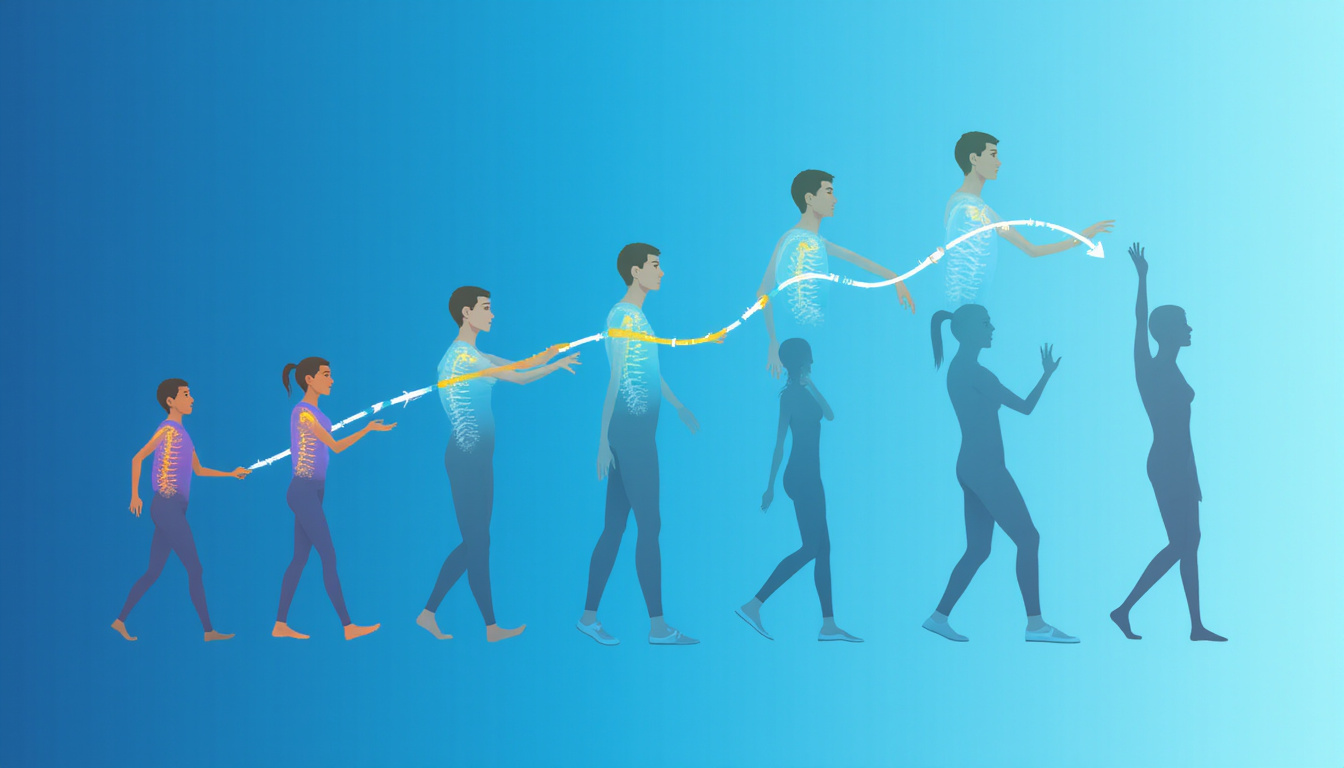
Why Picklers in Particular Benefit from a Combined Approach
Pickleball stresses very specific areas with very repeatable moves:
- A tight paddle grip and wrist angle stress the small joints and tendons in your hand and forearm.
- The ready position and quick lateral moves load your hips, knees, and ankles.
- Aggressive overheads, serves, and drives stress your shoulders and upper back.
When you combine:
- Technique: smoother mechanics that reduce overexertion
- Nerve gliding: smoother nerve motion and comfort
- Strength and mobility work: robust muscles around vulnerable joints
- Nutritional support with Regenerix Gold: internal joint and muscle support
…you build a layered defense against stiffness and discomfort that can sneak up on you.
According to the American Academy of Orthopaedic Surgeons, strong muscles and flexible soft tissues are key for long-term joint comfort and function (source: https://orthoinfo.aaos.org).
Practical Checklist: Daily Habits for Court-Ready Nerves and Joints
Use this quick Pickler’s checklist:
- Warm up for 5–10 minutes before every session.
- Do 1–3 nerve gliding drills on your trouble spots.
- Build in two strength sessions per week (for legs, core, shoulders, and forearms).
- Cool down after play with light stretching and gentle nerve gliding.
- Wear supportive footwear and check your grip size, paddle weight, and balance.
- Stay well-hydrated and focus on whole foods.
- Consider adding Regenerix Gold as a daily supplement to support healthy joints and muscles, with guidance from your healthcare provider.
Nerve Gliding + Regenerix Gold: A Smart Combo for Serious Players
If you book play blocks days in advance, know every regular on your local courts, and hate sitting out because of nagging tingling, then minimal care for your body is a risky play.
Adding nerve gliding to your routine takes little time or energy. It can help you move smoother and more confidently. Team this with a long-standing, professionally recommended supplement like Regenerix Gold, and you send a clear message:
“I do more than just show up to play—I invest in staying on court.”
Do not wait until discomfort forces you to cancel work, skip tournaments, or take long breaks. Protect your ability to play, compete, and work by being proactive now, when you still have choices.
“Regenerix Gold” Video
Regenerix Gold
FAQ: Nerve Gliding for Pickleball Players
Q1: How often should I do nerve gliding exercises for Pickleball?
A1: Most players start with 1–2 sessions per day. They focus on 1–3 nerve gliding drills with 5–10 repetitions each. Tailor the frequency and intensity with help from a healthcare or rehab professional.
Q2: Can nerve gliding help with tingling in my paddle hand?
A2: Yes. Nerve gliding for the arm and wrist may help your nerves move more comfortably. Combine these moves with better grip habits, rest, and joint and muscle support. Check with a clinician if the tingling persists or worsens.
Q3: Should I use nerve glide stretches before or after playing?
A3: Many Picklers use gentle nerve gliding before play during warm-up and again after play in a lighter way for recovery. Keep movements controlled and do not push into pain.
If you want to keep stacking wins and playing long rec sessions—without worrying that each twinge will lead to lost income or rising medical bills—it makes sense to plan ahead.
Add nerve gliding to your on-court and off-court routine. Consider a bottle of Regenerix Gold to experience how a nutrition-based, professionally recommended supplement can support your joints and muscles. This is the kind of smart, forward-thinking move that separates casual dabblers from truly savvy, long-haul Picklers.
https://youtu.be/mGrH5UWFxUs?si=X9bScbG6dvejGkZf
Health Note
Always consult a licensed medical doctor for your health issues.
Special Discount
If you prefer preventive nutrition to minimize expensive knee surgery and potentially addictive pharmaceuticals, Regenerix Gold is your savvy solution.
You qualify for a special discount.
Simply use the link below and a discount will automatically be applied during checkout.
Get Regenerix Gold => HERE


