
patellar stabilization: Proven Exercises, Surgery Options, and Faster Recovery
by Zestora on Oct 24, 2026

If your knees bark at you after a long day on the pickleball courts, you’re not alone. Patellar stabilization is a big issue for many American Picklers, especially those who split-step hard, lunge for kitchen dinks, or play back‑to‑back rec nights and weekend tournaments. When your kneecap isn’t tracking smoothly, you feel it every time you stop, start, or load for an overhead.
This guide breaks down what patellar stabilization really means for pickleball players, which exercises are proven to help, when surgery enters the chat, and how to speed up recovery—plus how a joint-focused nutrition strategy like Regenerix Gold can support healthy knees so you can stay in the game.
What Is Patellar Stabilization (In Pickleball Terms)?
The patella is your kneecap. Patellar stabilization is about keeping that kneecap gliding smoothly in its groove at the front of the knee as you bend and straighten your leg.
On the court, poor patellar control usually shows up as:
- “Front of the knee” discomfort when you crouch at the kitchen
- A weird, unstable feeling when you pivot or sidestep for a wide dink
- Soreness when walking down stairs or stepping off the curb post-match
Most of the time for Picklers, this comes from a mix of:
- Weak or unbalanced quad and hip muscles
- Tight tissues around the knee
- Repeated lunges, split-steps, and directional changes on hard surfaces
- Strength imbalances between your playing and non‑playing leg
Patellar stabilization work aims to rebuild the muscle balance and movement control that keep your kneecap where it should be—especially during fast, reactive movements you do on every point.
Why Pickleball Stresses Patellar Stability
Pickleball isn’t just “easy tennis.” For your knees, it’s a unique mix of:
- Short, explosive sprints from the baseline to the NVZ
- Constant mini-squats in ready position
- Side shuffles and crossovers on grippy surfaces
- Sudden lunges for low balls at the kitchen line
All of these moves load your patella over and over, especially if:
- You ramped up volume too fast (league + ladders + open play)
- You play mostly on concrete or very hard outdoor courts
- Your shoes are worn or not court-specific
- You’ve got “desk job quads” and tight hips
Targeted patellar stabilization training helps your quads, hips, and core share the load so your kneecap isn’t doing all the work.
Proven Patellar Stabilization Exercises for Picklers
Always clear new exercises with your healthcare or rehab provider, especially if your symptoms are significant, sudden, or worsening. Done correctly, these moves are go‑tos for better kneecap tracking and knee control.
1. Quad Activation: Straight Leg Raise with Patellar Focus
Why it helps: Wakes up the inner quad (VMO) that helps guide your patella.
- Lie on your back, one leg bent, the “working” leg straight.
- Tighten your thigh and gently pull the kneecap up toward your hip.
- Lift the straight leg about 12–18 inches, hold 2–3 seconds, lower slowly.
- 2–3 sets of 10–15 reps each side.
Tip: If the front of the knee complains, reduce the height or shorten the hold.
2. Wall Sits for Controlled Loading
Why it helps: Builds endurance in the quads without a lot of impact.
- Lean against a wall, feet about 2 feet out, shoulder width.
- Slide down until your knees are ~45–60 degrees (not full 90° if that flares things).
- Hold 20–45 seconds, keeping knees lined up over middle toes.
- 3–5 rounds with 30–45 seconds rest.
Focus on keeping your knees from collapsing inward—this is real‑time patellar stabilization practice.
3. Step‑Downs: Game-Like Patellar Control
Why it helps: Mimics stepping off the kitchen or moving down from a lunge.
- Stand on a low step (2–4 inches to start).
- Slowly bend the standing knee, lowering the other heel toward the floor in front.
- Tap the heel lightly and return to start.
- 2–3 sets of 8–12 reps each leg.
Key cues:
- Keep your kneecap tracking over your second/third toe.
- Don’t let the knee cave inward; imagine a “laser line” straight ahead.
4. Hip Strength: Side‑Lying Leg Raises & Monster Walks
Patellar stabilization isn’t just about the knee; strong hips keep the femur from rotating too much under the kneecap.
Side‑lying leg raise
- Lie on your side, bottom knee bent, top leg straight.
- Lift top leg slightly behind you, foot pointed forward, not up.
- 2–3 sets of 12–15 reps each side.
Monster walks (with mini‑band)
- Place a loop band around your ankles or just above knees.
- Quarter‑squat in ready position, chest up.
- Step diagonally forward to the side: right, then left, staying low.
- 10–15 steps each way, 2–3 rounds.
You’ll recognize the “ready stance” from the kitchen line—this trains what you actually do on court.
5. Controlled Single-Leg Balance for Stability
Why it helps: Better control through the whole leg, especially during quick decelerations.
- Stand on one leg, soft knee bend.
- Hold 30 seconds without letting the knee drift inward.
- Progress: add small arm reaches, head turns, or hold your paddle and simulate a dink.
- 3 rounds each leg.
This is low impact but directly improves those awkward “stop on a dime” movements.
Smart On-Court Tweaks for Happier Knees
You don’t have to quit pickleball to care about patellar stabilization. A few smart adjustments can keep you playing while you build strength.
-
Warm up like you mean it.
5–10 minutes of brisk walking, butt kicks, high knees, and lateral shuffles before hitting serves. Cold quads = cranky patella. -
Check your footwear.
Use proper court shoes with good support and side‑to‑side stability. Retire them when the tread or cushioning fades. -
Watch your volume.
If your front‑of‑knee symptoms spike after third straight day of play, schedule a true rest or light drill day. -
Modify patterns.
Take smaller steps instead of giant lunges. When in doubt, let one ball go instead of doing a dramatic split-slide. -
Surface awareness.
Indoors on wood or cushioned courts is generally kinder than rough concrete. Rotate venues if you can.
When Patellar Stabilization Might Involve Surgery
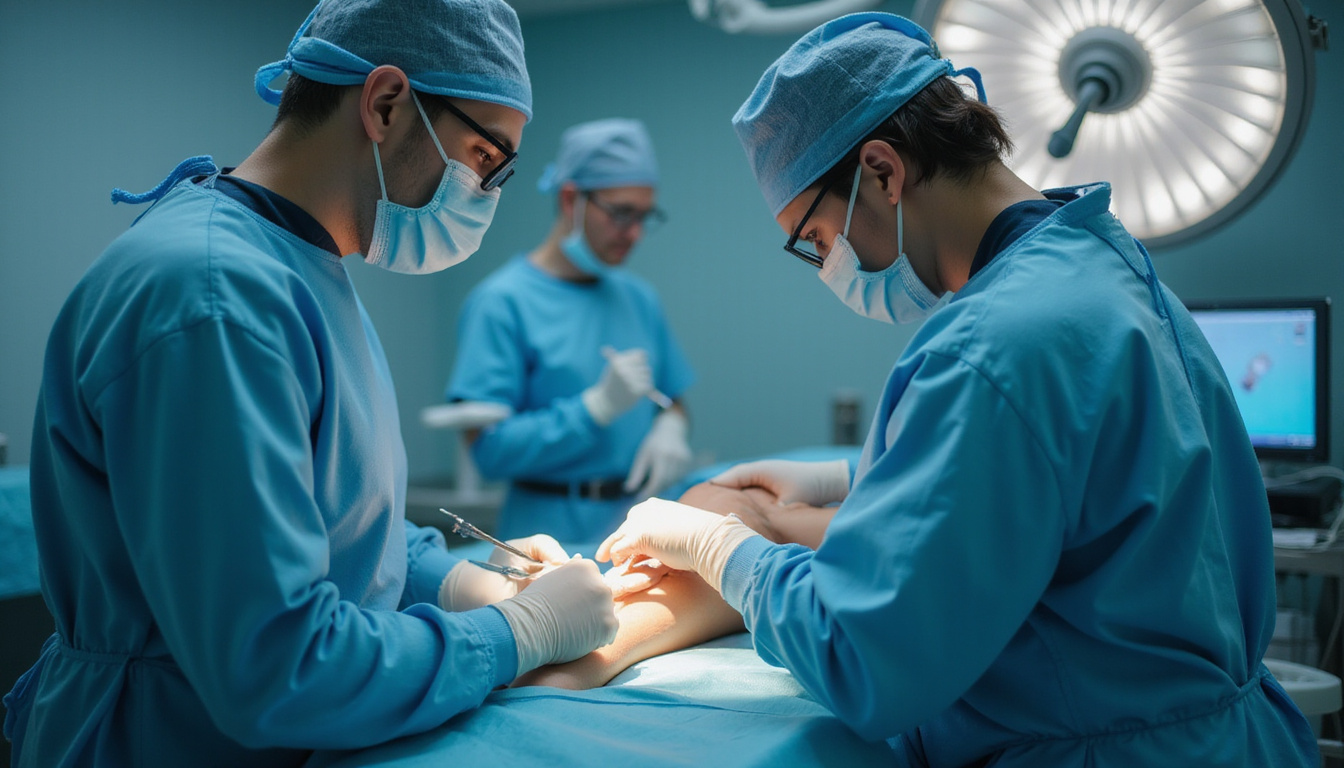
Most Picklers improve with well-designed rehab and training focused on patellar stabilization. But in some cases—particularly with structural alignment issues or repeated kneecap slips—orthopedic surgeons may discuss surgical options.
Common surgical categories around patellar stabilization include:
-
Soft-tissue procedures
Tight structures (like lateral retinaculum) may be released, or ligaments reconstructed to help keep the patella centered. -
Bony alignment procedures
In certain structural patterns, surgeons might adjust where the patellar tendon attaches on the shinbone to improve tracking. -
Cartilage procedures
If there is notable cartilage wear or defects, they may address the joint surface.
If your symptoms are severe, disrupting normal life or work, or not improving with conservative care, a sports medicine physician or orthopedic surgeon familiar with court athletes can evaluate your situation. They will typically review your movement patterns, imaging, and response to good rehab before recommending surgery.
Always ask:
- “What are my non-surgical options?”
- “What does recovery and return to pickleball look like?”
- “How many of these procedures have you done, and on court-sport athletes?”
Faster Recovery: Rehab, Lifestyle, and Nutrition
Whether you’re rehabbing a stubborn knee or coming back from a patellar stabilization surgery, your recovery isn’t just about exercises. It’s a full‑body project.
Core Elements of Faster Recovery
-
Follow a structured rehab plan.
Work with a licensed physical therapist who understands rotational and stop‑start sports like pickleball. Progressions should feel challenging but not brutal. -
Respect the healing timeline.
Tissues adapt over weeks and months, not days. Trying to “win” recovery by rushing back into tournament play almost always backfires. -
Sleep and stress management.
High quality sleep supports physical recovery; chronic stress can slow it down (source: American Council on Exercise). -
Nutrition that supports joints and muscles.
Your knees do better when your whole body has the building blocks it needs.
How Regenerix Gold Fits into a Patellar Stabilization Strategy
For many Picklers, adding a joint-supporting supplement is part of a “smarter, not just harder” plan for staying on court. Regenerix Gold is positioned specifically as a nutrition-based solution for players who care about healthy joints and muscles.
Key points relevant to pickleball players:
-
Nutrition-first support.
Regenerix Gold is designed to provide targeted nutrients that support joint and muscle health. It’s not a painkiller or a quick fix; it’s part of a daily wellness routine. -
Recommended by doctors and physical therapists.
Many clinicians incorporate joint-support supplements like Regenerix Gold into broader programs that include exercise, mobility work, and good training hygiene. -
Trusted for over a decade.
Regenerix Gold has been used internationally for more than ten years, with positive feedback from users who want to keep moving comfortably and stay active into their 40s, 50s, 60s and beyond. -
Aligned with pickleball goals.
If you’re doing your patellar stabilization exercises, improving your movement patterns, and watching your workload, adding a joint-support supplement can complement what you’re already doing.
Important: Supplements in the U.S. are not intended to diagnose, treat, cure, or prevent any disease. They’re best used as part of an overall lifestyle that includes smart training, rest, and appropriate medical care where needed.
How to Integrate Regenerix Gold Into Your Knee Routine
Many Picklers structure their joint-care plan like this:
- Daily movement & drills – Warm-ups, patellar stabilization exercises, and lower-body strength work 3–4 days per week.
- Court time – Intentional mix of play, drilling, and true rest days.
- Recovery habits – Efficient cool-downs, light stretching, and regular sleep routines.
- Nutritional support – A balanced diet plus a joint-focused supplement such as Regenerix Gold, taken consistently as directed.
This approach respects your body’s need for both mechanical (exercise-based) and nutritional support, instead of relying on one or the other.
“Regenerix Gold” – Learn More in This Video
Regenerix Gold
Sample Weekly Plan for Patellar-Friendly Pickleball
Here’s an example of how an “average” competitive rec player might build patellar stabilization into a normal week:
- Monday – Light strength + patellar stabilization drills (wall sits, step-downs, side-lying leg raises)
- Tuesday – Rec play, 2–3 hours max, full warm-up and cool-down
- Wednesday – Rest or gentle cross-training (cycling, swimming, or walking)
- Thursday – Drills + short mini‑games; add single‑leg balance work
- Friday – Strength day (focus on hips, glutes, core, and quads)
- Saturday – Open play or league match, monitor knee response
- Sunday – Active recovery; stretching, light mobility, and recovery nutrition
Adjust volume to your level and schedule, and work with your PT or trainer to modify reps and loads.
FAQs About Patellar Stabilization for Pickleball Players
Q1: What are the best patellar stabilization exercises for pickleball knees?
Look for moves that strengthen your quads and hips while training good kneecap tracking: wall sits, controlled step‑downs, straight leg raises with focus on the inner quad, hip abductor exercises (side‑lying raises, monster walks), and single‑leg balance work. Always start with low pain and high control and progress gradually.
Q2: How long does patellar stabilization take before I feel better on court?
Many players notice improvements in control and comfort within 4–6 weeks of consistent work, but meaningful tissue changes and strength gains often take 8–12 weeks or more. Combine exercises, smart court scheduling, good footwear, and supportive nutrition (including a joint supplement like Regenerix Gold if appropriate) for best results.
Q3: Can patellar stabilization prevent future kneecap problems in pickleball?
No strategy can guarantee prevention, but strong quads, hips, and core; good balance; and thoughtful workload management significantly lower your risk of recurring kneecap issues. Regular patellar stabilization drills, attention to technique (avoiding knee cave during lunges), and ongoing joint nutrition support are some of the best tools you have.
Your Next Step: Play Like the Savvy, Long-Game Pickler You Are
Plenty of players try to “tough out” knee issues until they’re forced off the courts—and then face bigger bills, more time off work, and long rehab. You don’t need to join that club.
You can choose the smarter path:
- Commit to consistent patellar stabilization work
- Upgrade your warm-up, shoes, and weekly schedule
- Support your joints and muscles from the inside out with a proven, doctor- and PT‑recommended nutrition-based supplement like Regenerix Gold
If you’re serious about staying on court, protecting your knees, and avoiding the financial and emotional stress of extended time out for joint problems, it makes sense to stack every advantage in your favor.
Get yourself a bottle of Regenerix Gold and put it to the test in your own game. You’ll know you’re not just another weekend warrior winging it—you’re the health-savvy Pickler who treats their body like they plan to be winning at the kitchen line for years.
https://youtu.be/mGrH5UWFxUs?si=X9bScbG6dvejGkZf
Health Note
Always consult a licensed medical doctor for your health issues.
Special Discount
If you prefer preventive nutrition to minimize expensive knee surgery and potentially addictive pharmaceuticals, Regenerix Gold is your savvy solution.
You qualify for a special discount.
Simply use the link below and a discount will automatically be applied during checkout.
Get Regenerix Gold => HERE


