

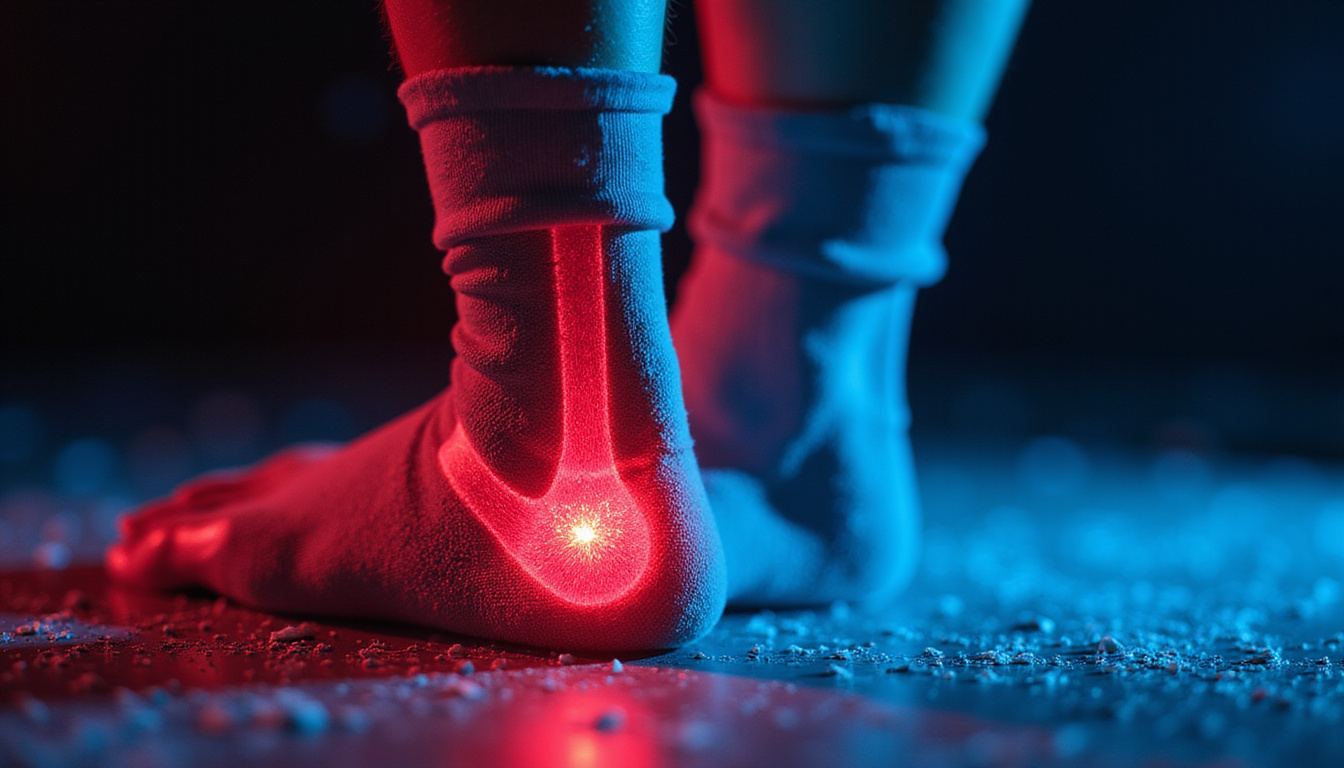
If you ride hard and feel a burning or stabbing ache just above your heel when you clip out, know that Achilles tendonitis may be starting.
For cyclists, Achilles tendonitis is more than an annoying pain. It is a red flag from your lower leg. It shows that your setup, training load, or recovery needs attention. The good news is that many riders can ease the discomfort and protect their tendons using smart, evidence‑based home techniques.
Below is a guide for cyclists. It offers practical, at‑home ways to support tendon comfort and function. It also gives tips on when to see a professional and how a well‑designed supplement routine may help joint and muscle health.
────────────────────────────
Why Cyclists Get Achilles Tendonitis
The Achilles is a workhorse tendon. It links your calf muscles (gastrocnemius and soleus) to your heel. Each downstroke and upstroke loads the tendon. This is very true when you push big gears, sprint out of the saddle, or climb long hills.
Cycling may trigger Achilles tendon pain by these factors:
• Saddle too high – It forces you to reach for the bottom of the pedal. This over‑stretches the tendon.
• Cleats too far forward – This increases the lever arm and strain on the Achilles.
• Sudden jump in mileage or elevation – Big weekend rides, training camps, or early‑season enthusiasm stress the tendon.
• Big‑gear grinding – Low cadence 'diesel' efforts overload your lower leg.
• Poor recovery habits – Minimal mobility work, tight calves, and few rest days worsen the condition.
Change your bike setup and training factors. This change helps your tendon heal instead of only masking the pain.
────────────────────────────
First 48–72 Hours: Calm the Flare‑Up
When Achilles tendonitis flares up, lower the irritation. Do not push through the pain. That "one more interval" may lead to more damage.
Ease the Load
• Lower your riding intensity. Ride light gears or take a break if pedaling hurts.
• Avoid explosive work. Sprints, standing climbs, and quick efforts spike the tendon load.
• Reduce high‑impact cross‑training. Skip running, jumping, or tough gym work when the tendon is irritated.
Home Comfort Measures
Within general wellness rules, many cyclists use these strategies for comfort:
• Cool packs: Use a cool pack wrapped in a thin towel on the tendon. Do not put ice directly on your skin.
• Gentle compression: Wear a soft wrap or sleeve on your lower leg. It should feel supportive but not tight.
• Relative rest: Do not stop moving completely. Light movement, such as easy walking or gentle spinning, keeps the muscles loose.
If pain intensifies, or if you lose function or feel a snap, seek medical help immediately.
────────────────────────────
Fix the Root: Bike Fit and Technique Tweaks
Often, cyclists try many stretches while ignoring setup and technique. Before you ride more miles, check your contact points.
Check Your Saddle Height and Fore‑Aft Position
• Too high: Your heel hangs low at the stroke’s bottom, which stresses the Achilles.
• Too far back: You may overuse your toes to reach the pedals.
A good starting point is a slight knee bend at the bottom of your stroke. Watch a video of yourself on a trainer. Your heel should remain neutral and not drop too much.
Adjust Cleat Position
For riders with Achilles pain, a small cleat change can help:
• Slide your cleats slightly back on your shoe. This moves the pedal spindle closer to the mid‑foot.
• Check that you do not have an excessive toe‑in or toe‑out twist.
A skilled bike fitting professional, who understands overuse issues, can help you make these adjustments.
Improve Your Pedal Technique
• Focus on spinning instead of stomping. A cadence near 85–95 rpm on flats and 75–90 rpm on hills works for many.
• Aim for a round pedal stroke instead of mashing down hard with your toes forward.
A smooth pedaling style reduces the micro‑stress on your tendon over long rides.
────────────────────────────
Build a Strong, Resilient Achilles at Home
After the pain calms, load your tendon gradually. Research favors progressive loading over endless stretching.
Step 1: Gentle Movement
Begin with movements that do not spike pain:
• Ankle circles and pumps: While seated or lying down, circle your foot and pump your toes up and down.
• Towel stretch (gentle): Sit with your leg straight. Loop a towel around the ball of your foot. Pull gently toward you. Stay below pain threshold.
This movement maintains mobility without provoking a flare‑up.
Step 2: Calf Strengthening (Cyclist Edition)
Cyclists often build strong quads but can undertrain their calves. Home exercise can help the Achilles.
-
Double‑leg calf raises:
• Stand and hold a chair or wall.
• Rise onto both forefeet, pause, then lower slowly.
• Begin with 2–3 sets of 10–15 reps if it feels comfortable. -
Single‑leg calf raises:
• When double‑leg raises feel easy, progress to single‑leg raises.
• Move slowly and avoid bouncing. -
Eccentric heel drops (on a step) – advanced:
• Stand on a step with the balls of both feet and your heels hanging off.
• Rise using both legs.
• Shift your weight onto the affected leg. Then lower slowly below the step level.
• Use the other leg only to help you get back up.
• Build slowly. Many protocols suggest 2–3 sets of 10–15 reps, once or twice a day.
Stop or scale back if you feel sharp pain. A health professional can offer a plan tailored to you.
Step 3: Support from Hips and Core
Weak glutes and core muscles can force your Achilles to work harder. Add these exercises:
• Glute bridges
• Side‑lying leg raises or clamshells
• Planks and side planks
A strong core and glutes keep excess stress from reaching the Achilles.
────────────────────────────
Smart Stretching for Cyclists with Achilles Tendonitis
Stretching can help tight calves, but harsh stretching may worsen an irritated tendon. Be smart: stretch gently and consistently.
Many cyclists use these stretches:
• Wall calf stretch (straight knee): It targets the gastrocnemius.
• Wall calf stretch (slightly bent knee): It focuses on the soleus.
Use these guidelines:
• Hold each stretch for about 20–30 seconds.
• Feel mild tension without sharp pain.
• Do 2–3 repetitions per side, once or twice daily if it feels good.
Pair stretching with strengthening. Your tendon likes steady, controlled load more than endless passive stretching.
────────────────────────────
Daily Habits That Protect Your Achilles
Your Achilles works on and off the bike. Small daily habits can protect it.
• Wear supportive shoes when you are off the bike. Unstructured, flat shoes may increase strain.
• Warm‑up properly. Spend 5–10 minutes spinning slowly and gently raising your cadence.
• Cool‑down. End your ride with a few minutes of light spinning and some calf mobility work.
• Respect your training load. Do not jump quickly in volume or hill work. Many riders increase by no more than about 10–15% at a time.
Listening to early signals from your tendon can save you from long recovery breaks.
────────────────────────────
Where Supplements Fit for Joint and Muscle Health
While exercises and fit changes are key for managing Achilles pain, many cyclists also consider supplements. These supplements may support joints and muscles as part of a long‑term plan.
They may help by:
• Supporting nutrient levels needed for normal collagen and connective tissue health.
• Aiding recovery after large training blocks.
• Helping aging athletes keep joints comfortable over long races or seasons.
Always discuss supplements with your healthcare provider before you begin, especially if you take other medications or have health issues.
────────────────────────────
Regenerix Gold: A Premium Option for Serious Cyclists
Many American cyclists now look beyond basic vitamins. They seek targeted formulas for joint and muscle support. Regenerix Gold is a premium supplement made for riders who demand more—both on and off the bike.
It is for cyclists who:
• Ride hard on the trainer and the road
• Want to support their joints and muscles under repeated load
• Prefer to spend time riding rather than sitting on the sidelines
• Worry about the long‑term cost of injuries, medical visits, and missed work
A joint and muscle support supplement can be a smart, proactive move. Regenerix Gold does not replace a proper warm‑up, strength work, or a good bike fit. It is one part of a strategy that shows you care about your performance and long‑term mobility.
Regenerix Gold
────────────────────────────
When to See a Professional About Achilles Tendonitis
Most mild cases of Achilles pain get better with home care. However, see a healthcare professional if:
• The pain is sharp, worse over time, or constant.
• You see swelling, heat, or sudden bruising.
• You feel a “pop” or a sudden loss of strength when pushing off.
• Walking or standing becomes very painful.
• Symptoms persist after several weeks of careful self‑management.
A sports‑savvy doctor can rule out serious problems and tailor a rehab plan to your needs.
────────────────────────────
Quick Checklist: Home Game Plan for Achilles Relief
• Adjust your saddle height and cleat position to reduce strain.
• Choose spinning over grinding heavy gears.
• Use relative rest, not complete inactivity, during flare‑ups.
• Gradually progress from gentle mobility work to calf and hip strengthening, and then to advanced loads as you feel ready.
• Build warm‑up, cool‑down, and stretching into your daily routine.
• Consider a joint and muscle support supplement like Regenerix Gold as part of your long‑term plan after talking with your healthcare professional.
────────────────────────────
FAQ: Achilles Tendonitis for Cyclists
-
Can Achilles tendon pain from cycling improve with home treatments?
Many cyclists see improvements in mild cases with bike‑fit adjustments, progressive strengthening, and training changes. Persistent or severe pain needs a healthcare professional’s attention. -
How long does overuse Achilles pain take to improve?
Recovery time varies. Some riders feel better in weeks with reduced training and targeted exercises. Others may need several months. Stick to a smart plan and avoid big training spikes. -
Are supplements useful for Achilles tendonitis in cyclists?
Supplements do not diagnose, treat, or cure tendon injuries. Some cyclists choose joint and muscle support formulas to help keep their bodies healthy while managing tendon discomfort. Always check with a healthcare professional before starting any new supplement.
────────────────────────────
Ride Longer, Spend Less on Problems Later
You have already invested in carbon wheels, a smart trainer, and a pro bike fit. Protect your own “hardware” – your joints, tendons, and muscles. This is one of the smartest upgrades you can make. Ignoring Achilles tendonitis can lead to missed events, canceled trips, and high medical costs.
If you are the rider who plans ahead and fixes small issues before they become big, you should treat your recovery and joint health with the same care as your training. Along with smart training, bike fit, and strength work, Regenerix Gold can be part of your plan. It supports healthy joints and muscles, giving you more ride time and fewer worries about downtime.
Choosing good self‑care is not just about comfort. It is about riding and living with the confidence of someone who values their body as their most important tool.
Health Note
Always consult a licensed medical doctor for your health issues.
Special Discount
If you prefer preventive nutrition to minimize expensive knee surgery and potentially addictive pharmaceuticals, Regenerix Gold is your savvy solution.
You qualify for a special discount.
Simply use the link below and a discount will automatically be applied during checkout.
Get Regenerix Gold => HERE


