

Golf Footwear Secrets: Boost Accuracy and Comfort on Every Hole
If you feel tight, sore, or “off” from the first tee to the 18th green, your golf footwear may play a large role. The wrong shoes change your posture. They disturb your weight shift. They strain your joints and muscles. The right shoes help you swing solidly. They make you walk the course with ease. They protect your body through a long season.
Below is a golfer’s guide. It shows how to choose and use golf shoes. This way, you can move better, hit cleaner, and feel stronger after each round.
Why Golf Footwear Matters for Your Swing and Your Body
Golf often feels “low impact.” Walk 18 holes in the heat or play 36 holes, and you know the toll it takes on your feet, ankles, knees, hips, and back. Your golf footwear sits between your body and the turf for four to five hours. This matters for:
- How you grip the ground on full swings and wedge shots
- How you load and unload your joints in backswing and downswing
- How much stress moves through your ankles, knees, hips, and lower back
- How fresh your legs feel after walking from tee to green
The American Orthopaedic Foot & Ankle Society notes that proper shoe support and fit boost comfort. They also help keep your joints healthy. For golfers, this means more stable swings and less post-round stiffness.
Stability vs. Mobility: Finding Your Sweet Spot
Every golfer feels the moment: a small slip can make the ball veer off; being too stiff makes the shot flip left. The right golf footwear gives you both stability and mobility.
When You Need More Stability
You gain from a stable shoe if you:
- Hit the ball with aggressive power from the ground up
- Notice your lead foot twisting during the swing
- Play on wet, hilly, or uneven courses
- See your trail foot slide on downhill lies or in bunkers
Stable shoes often have:
- A wider base and a firm midsole
- Strong lateral support to stop your foot from rolling
- Replaceable soft spikes or deep traction lugs
These features let you plant your lead side and keep a steady swing arc without extra strain on your ankles or knees.
When You Need More Mobility
You may choose a flexible shoe if you:
- Have a smooth tempo and do not push at 110%
- Like to feel the ground and use finesse in your short game
- Walk most rounds, especially in summer
- Suffer from foot or calf tightness by the back nine
Mobile shoes typically have:
- A flexible forefoot and lighter materials
- A lower profile that shows you the turf’s feel
- Spikeless or hybrid traction that is gentle on your joints during long walks
These shoes favor comfort first. They help your body feel fresher after many rounds.
Spiked vs. Spikeless Golf Footwear: Performance and Comfort
Choosing spiked or spikeless golf footwear is not just about grip. It is also about how your joints and muscles feel during play.
Spiked Shoes
Pros:
- They grip maximum in wet or soft conditions
- They give you an anchored feel for powerful drives
- They help players who lose posture or slide during the swing
Consider these shoes if you:
- Play early in the morning or after rain
- Find it hard to stay balanced on sidehill lies
- Need to keep your lower body steady
Watch out:
- They may feel stiffer underfoot
- They might cause pressure if the midsole is not well cushioned
Spikeless Shoes
Pros:
- They are very comfortable for walking 18–36 holes
- They spread pressure evenly under the foot
- They let you switch to the clubhouse, car, or range without changing shoes
Consider these shoes if you:
- Have sensitive feet or feel beat-up after long walks
- Play mostly in dry conditions
- Want a smooth, natural feel with the turf
Watch out:
- They give less grip on slick or muddy ground
- Their outsoles may wear faster if used much off the course
Many golfers use two pairs. They choose spiked shoes for tough rounds and spikeless shoes for casual play. This way, they protect their joints all season.
Fit First: How to Dial In Your Golf Footwear
Even the best shoe technology is no help if the shoe does not fit. A poor fit can cause hot spots, blisters, and compensate your swing, which stresses your joints.
Try this checklist when fitting your next golf footwear:
- Length: Leave about a thumb’s width of space from your longest toe to the shoe’s end. Too short, and your toes hit the front; too long, and your foot slides forward.
- Width: If your foot feels squeezed or the shoe bulges, try a wide size. Cramped toes change how you load your lead side.
- Heel Lock: Keep your heel snug with no movement. If your heel slips during a step or swing, expect blisters.
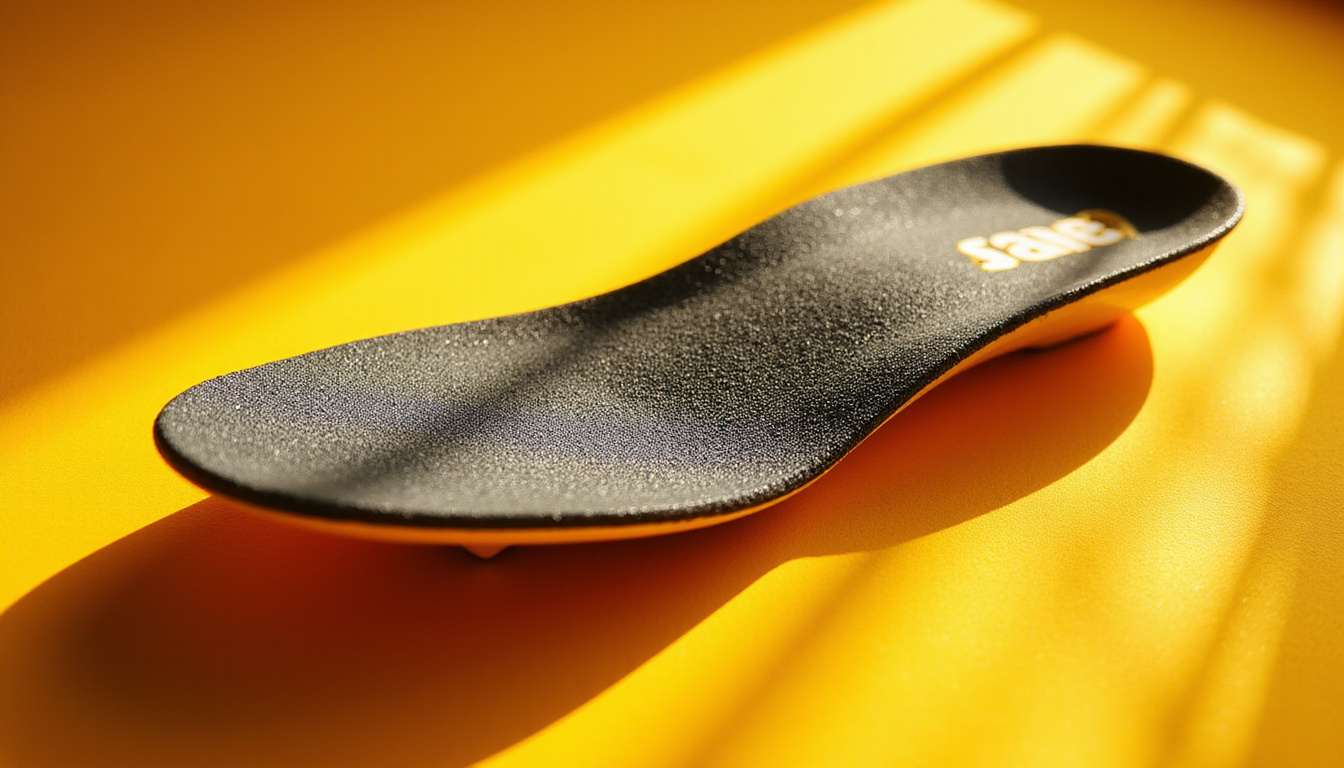
- Arch Support: Find an insole and midsole that hold your natural arch. If your arches tire fast, try an aftermarket insole.
- On-Course Test: If you can, test the shoes on turf. Hit a few shots, walk on slopes, and try a bunker. The range tells only part of the story.
A good fit reduces extra muscle tension. Your body works less when you are stable and comfortable.
Course Conditions, Swing Shape, and Your Body
Different golfers have different swings and play on different turfs. Matching your golf footwear to your style and course helps your body. It makes your ball-striking more predictable.
For Power Hitters
If you are known for powerful drives:
- Choose shoes with strong lateral stability and grip.
- A firmer shoe helps stop twisting.
- Ensure your lead foot stays planted during driver swings.
This helps distribute load well. It stops small slips from causing extra torque on your knees and hips.
For Precision Players and Short-Game Experts
If you shape shots and use finesse:
- Look at lighter, flexible shoes that let you feel the green’s slopes.
- A low profile gives better balance on chips and putts.
- Avoid shoes that are too stiff and limit natural motion.
A better ground feel builds confidence and eases tension in your ankles and calves.
For Walkers vs. Riders
- Walkers: Choose cushioning, breathability, and light weight. A soft midsole absorbs thousands of steps and cuts tightness.
- Riders: Use structure and grip more. Though you do not walk as much, you still stand and move from ball to ball.
Caring for Your Golf Footwear to Protect Your Body
Good shoes are an investment in your game and your joints. Basic care keeps their support and structure strong:
- Dry them completely between rounds. Damp shoes break down faster and lose support.
- Clean their outsoles and spikes. Mud and grass reduce grip and may cause slips.
- Rotate pairs if you play often. Let each pair rest between rounds to keep the cushioning.
- Replace worn spikes or outsoles. When grip fades, your body must use more energy to stay balanced.
Listen to your body. If your feet or joints hurt with one pair, it may be time to retire those shoes.
Beyond Footwear: Supporting Joints and Muscles from the Inside
Even with the right golf footwear, long swings, long walks, and uneven lies add stress to your joints and muscles. This hits your ankles, knees, hips, and lower back.
Smart golfers add inner support along with great shoes. They try high‑quality dietary supplements that help healthy joints, cartilage, and muscles. Remember:
- Supplements are not medicines. They do not diagnose, treat, cure, or prevent disease.
- Speak with a healthcare professional before using any new supplement.
- Choose trusted brands with quality and science‑backed ingredients for joint comfort, mobility, and muscle recovery.
When you combine the right shoes, good warm‑ups, regular mobility work, and wise nutrition, you give your body the best support from practice range to final putt.
Regenerix Gold – Video Overview
Regenerix Gold
FAQ: Golf Footwear and Comfort on the Course
Q1: What type of golf footwear is best for walking 18 holes regularly?
Look for lightweight, spikeless or hybrid shoes. They should give solid cushioning and good arch support. A flexible forefoot and breathable upper cut foot fatigue and keep joints fresh on long walks.
Q2: How often should I replace my golf footwear if I play weekly?
If you play once a week, many golfers change shoes about every 12–18 months. This depends on the mileage, whether you walk or ride, and the course conditions. Replace them when grip fades, cushioning flattens, or new aches appear.
Q3: Can better golf footwear improve my accuracy?
Yes, indirectly. Shoes that keep you stable, balanced, and comfortable help repeatable swings. When your feet grip the ground and your joints do not protest, you can hold posture better, control your low point, and keep your clubface square. This leads to tighter shots.
Play Smarter, Feel Better, and Protect Your Edge with Regenerix Gold
Golf is hard enough. Your feet, joints, and muscles should not hold you back. Choosing the right golf footwear is a strong first step to protect your body and improve your shots. If you care about every bit of performance—and want to walk 18 holes with ease—add inner support that matches your gear.
Regenerix Gold is a premium dietary supplement. It is designed for adults who want healthy joints and muscles so they can play longer. It suits golfers who demand smooth swings, comfortable walks, and the freedom to play without extra wear. Although Regenerix Gold does not diagnose, treat, cure, or prevent any disease, it fits a proactive, health‑savvy life.
If you invest in top‑tier clubs, custom‑fit golf footwear, and smart training, consider Regenerix Gold as part of that high‑standard routine. It is for players who value long‑term performance and a balanced life both on and off the course.
Health Note
Always consult a licensed medical doctor for your health issues.
Special Discount
If you prefer preventive nutrition to minimize expensive knee surgery and potentially addictive pharmaceuticals, Regenerix Gold is your savvy solution.
You qualify for a special discount.
Simply use the link below and a discount will automatically be applied during checkout.
Get Regenerix Gold => HERE

