
joint preservation: essential strategies to relieve pain and boost mobility
by Zestora on Dec 30, 2025

Below is the rewritten text. In this version, each word connects closely to its neighbor. We use short, direct sentences that show clear links between subjects, verbs, and objects. The style follows dependency grammar ideas while keeping the original formatting and aiming for a Flesch reading score between 60 and 70. --------------------------------------------------
If your knees hurt when you go down stairs, if they feel “crunchy” when you squat, or if they stiffen after sitting too long, you are not alone. Many people in America face knee pain and limits on movement. The good news is that joint preservation—protecting what you have and supporting smooth movement—is possible at almost any age.
This article gives practical, real‑world ways for calming your knees, moving more freely, and keeping your joints strong over time. It also shows how a nutrition‑based supplement like Regenerix Gold can join a smart knee‑care routine.
What “joint preservation” really means (in everyday knee language)
Doctors and physical therapists use joint preservation to mean:
- They lower daily wear on your knees.
- They support the tissues that help your knee move smoothly.
- They help you stay active without long days of soreness.
If you say:
- “My knees feel grindy or crunchy.”
- “I need to hold the railing to go down the stairs.”
- “When I kneel, I am stuck for a minute.”
…then joint preservation is what you want to work on. It does not rewind time. It protects your current state so you can walk, work, and enjoy life without fear that your knees will let you down.
Step 1: Respect your pain signals—but don’t stop moving
People with knee problems know there is a difference between:
- The mild soreness after effort.
- The sharp, catching, or buckling pain.
Joint preservation starts by hearing your body but not overreacting.
Helpful motion vs. harmful motion
- Helpful motion: Smooth bending and straightening, low‑impact walking, riding a stationary bike, and gentle strengthening that wakes up knee muscles.
- Harmful motion: Deep, heavy squats with poor form, jump‑heavy workouts, repeated kneeling on hard floors, or twisting when your foot is planted.
If your day has many stairs, heavy lifts, or low-to-ground activities, you do not need to quit your life. You only need ways to cut down the strain.
Step 2: Strengthen the muscles that protect your knees
Weak muscles force your knee to carry more load with every step. This idea makes physical therapists push knee strengthening.
Key muscle groups include:
- Quadriceps (front of the thigh). They help you straighten your knee, stand up, and go upstairs.
- Hamstrings (back of the thigh). They control bending and protect your knee from sudden shocks.
- Glutes (hips and butt). They keep your legs steady so your knees do not cave or twist.
- Calves. They help push off when you walk and support your leg.
Simple, knee‑friendly exercises
Check with your healthcare provider first. Many people with knee pain do these exercises:
- Seated leg extensions (without weights). Slowly straighten your knee and hold. Focus on the muscle, not on locking the joint.
- Mini‑squats at a counter. Use a small range of motion while holding a steady surface. Keep your knees in line with your toes.
- Side‑lying leg raises. This move works your glutes and lines up your knee.
- Step‑ups on a small step. Move slowly and control the step. Start with your strong leg and then use the other leg later.
- Riding a stationary bike at low resistance. This often feels smoother than walking, especially on uneven ground.
Doing these exercises consistently builds a “muscle brace” around your knee that works all day.
Step 3: Use weight, footwear, and surfaces to your advantage
People with knee issues learn that small changes can help a lot.
Body weight and load
The Arthritis Foundation explains that when you walk, the force on your knee is about three to four times your body weight. A small weight loss can mean a big drop in that force with every step.
You do not need a drastic diet. Slow, steady changes in your eating and activity can ease knee impact.
Footwear and surfaces
- Choose supportive shoes with cushioning and a stable heel.
- Avoid worn‑out shoes. Uneven tread can hurt your alignment.
- Use cushioned insoles if you work on hard floors.
- When possible, walk on flat, soft surfaces instead of steep hills or rough terrain.
These changes cut down on impact and twisting forces on the knee. Both are big threats to joint preservation.
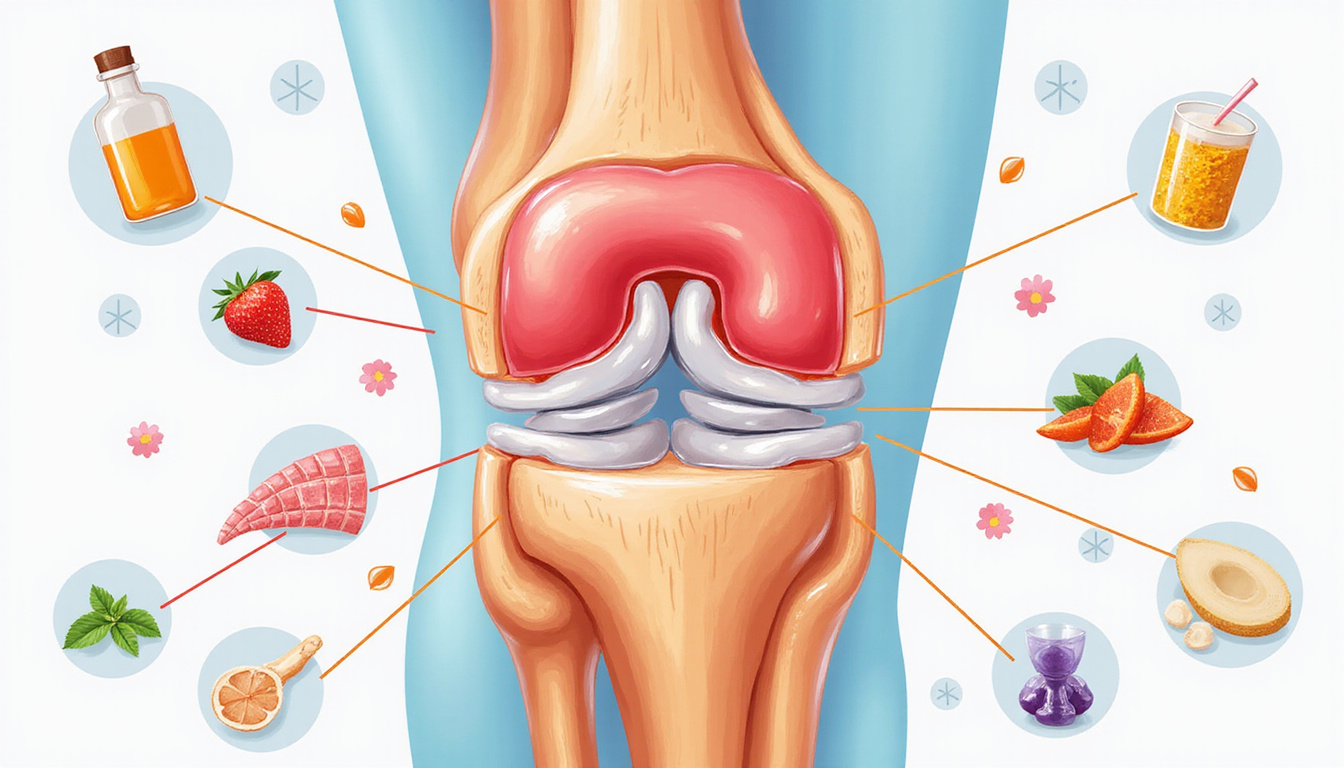
Step 4: Smart activity planning so your knees last the whole week
Many busy Americans pack their activity into weekends or bursts. They then pay with swelling and stiffness. A joint preservation view relies on slow, steady movement rather than boom‑and‑bust exercise.
Try these ideas:
- Break long sitting periods with short walks or leg stretches.
- Rotate activities. For example: walk one day; cycle or do water exercise the next.
- After a heavy knee day (yard work, home repairs, or a long outing), plan a lighter day.
Pacing yourself is not weakness. It is a smart plan so your knees can keep working for you.
Step 5: Nutrition and joint preservation – why what you take in matters
Your knees are living tissue. They break down and rebuild every day. Your body needs nutrients for that work.
Why many people consider a joint supplement
Good food always comes first. But many people with knee pain add a nutrition‑based supplement because it can support:
- Healthy cartilage and connective tissue.
- Smooth, flexible joint movement.
- Muscle function so that you can stick with your exercises.
This is why a product like Regenerix Gold becomes part of a larger plan for joint preservation.
Regenerix Gold: a nutrition-based ally for knee joint preservation
Regenerix Gold is a supplement for people who want to support their knee joints and muscles. It has clear benefits for joint preservation:
- Nutrition‑based approach. It supplies nutrients to support joints and muscles. It does not work fast like a numbing agent.
- Endorsed by doctors and physical therapists. Many professionals who see knee issues support targeted nutrients alongside exercise, weight control, and good movement habits.
- A decade of use. Regenerix Gold has been used internationally for over 10 years. Users report more comfort and mobility each day.
People with knee pain often say, “I do not want to wait for more invasive options.” Regenerix Gold fits that mindset. It helps support joint preservation before pain controls your choices.
Regenerix Gold
How Regenerix Gold fits into a realistic knee‑care routine
Most people do not need a new or complex system. A simple routine may include:
- Daily low‑impact movement and specific strengthening exercises.
- Thoughtful use of stairs, loads, and surfaces.
- Attention to body weight and the shoes you wear.
- Consistent use of Regenerix Gold for daily joint and muscle support as directed.
This combo does not claim to treat or cure any condition. It follows what many practitioners say: a multi‑factor plan supports your body’s natural work.
Step 6: Everyday protection habits that help your knees last
Small actions, done again and again, matter as much as big changes.
Try to build habits like these:
- Use the handrail on stairs. You do this not because you are old, but because you are wise about load.
- Squat with your hips back. This stops your knees from moving too far forward.
- Avoid twisting when your knee is planted. Instead, move your feet.
- Use a garden kneeler, cushioned mat, or small stool for ground‑level work.
- Begin workouts or long walks with a gentle warm‑up.
These steps do not make you fragile. They make you strategic. People who protect their knees today often walk comfortably tomorrow.
Step 7: When to consult a professional about your joint preservation plan
Self‑care is strong, but sometimes a check‑in is needed:
- Your knee suddenly swells, locks, or feels unstable.
- Pain wakes you at night or grows much worse.
- You skip work or home activities because of knee pain.
- Home exercises seem to increase your pain instead of reducing it.
A visit with a doctor or a physical therapist can fine‑tune your joint plan, rule out serious issues, and offer personalized exercise tips. Many professionals support using nutrition‑based supplements like Regenerix Gold as part of a plan.
Quick checklist: Are you actively preserving your knee joints?
Use this list as a snapshot of your current actions:
- [ ] I do gentle leg strengthening at least 2–3 times a week.
- [ ] I avoid deep, heavy squats or high‑impact moves that hurt my knees.
- [ ] My shoes are supportive and not worn out.
- [ ] I break long sitting or standing with short movement breaks.
- [ ] I watch my weight and food choices.
- [ ] I use a nutrition‑based joint supplement like Regenerix Gold for extra support.
- [ ] I talk with a professional if my symptoms are severe or quickly changing.
The more boxes you can check honestly, the more you act to preserve your joints instead of just hoping your knees hold up.
FAQ: joint preservation and knee support
Q1: What is joint preservation in the knee?
A: Joint preservation means taking steps to lower wear on your joint. It supports tissues like cartilage, ligaments, and muscles. This includes smart exercise, managing your weight, moving well, and sometimes adding a nutrition‑based supplement.
Q2: How can I improve joint preservation and mobility at home?
A: Use low‑impact activities such as walking, cycling, or water exercise. Do gentle exercises for your quadriceps, hamstrings, glutes, and calves. Use railings on stairs, avoid deep knee bends with heavy loads, and choose supportive shoes. Many people also add a joint preservation supplement like Regenerix Gold to support movement and muscle function.
Q3: Are joint preservation supplements safe for long‑term use?
A: Many joint support supplements are meant for ongoing use. Always follow the product directions and speak with your healthcare provider, especially if you take other medications or have health conditions. Regenerix Gold is a nutrition‑based option that has been used internationally for more than 10 years and is often recommended by professionals as part of a broader knee‑care plan.
Take ownership of your knees—before someone else does
If you rely on your knees to work, care for family, or enjoy life without pain, joint preservation is not optional. It protects your independence and finances.
Medical procedures, lost work time, and reduced movement all have real costs. People who invest a little now in smart movement, daily habits, and targeted nutritional support like Regenerix Gold often stay ahead. They act before the problems grow.
If you are ready to take control of your knee future—and be the person who moved smartly while others waited—consider a bottle of Regenerix Gold. Work it into a steady joint preservation routine. Your knees, your wallet, and your long‑term mobility may all thank you later.
Health Note
Always consult a licensed medical doctor for your health issues.
Special Discount
If you prefer preventive nutrition to minimize expensive knee surgery and potentially addictive pharmaceuticals, Regenerix Gold is your savvy solution.
You qualify for a special discount.
Simply use the link below and a discount will automatically be applied during checkout.
Get Regenerix Gold => HERE


