
kinesiology tape Guide: Ultimate Application Tips for Faster Recovery
by Zestora on Dec 25, 2025

If you hike many miles, descend steep slopes, and navigate tight switchbacks, you have likely heard fellow trail lovers praise kinesiology tape. Taped knees at the trailhead and colorful strips peeking under trekking pants show that this stretchy tape supports hikers and backpackers who keep moving despite aches, tight muscles, and joint pain.
This guide is built for American hikers who grab a pack, chase peaks, and feel every mile in their joints. You will learn how the tape works, when to use it, and the best way to apply it so you recover fast and return to the trail with confidence.
Why Hikers Are Turning to Kinesiology Tape
Long days on rough trails can wear you down. Heavy packs, rocky climbs, long descents, and side hills force your joints and soft tissue to work hard—more than everyday life does.
Hikers report:
- Sore, tired knees after long descents
- Stiff, tight calves on climbs
- Aching shoulders and upper backs from pack straps
- Tender feet, arches, and ankles after long days
Kinesiology tape does not replace training, smart mileage, or proper rest. Yet many hikers add it as a tool to:
- Support tired muscles and joints during and after long days
- Maintain smooth, natural movement on uneven ground
- Lessen the “heavy leg” feel after tough climbs or multi-day trips
Used correctly, it helps you feel stable and comfortable, so you can hike more often and recover faster.
How Kinesiology Tape Works (In Hiker Terms)
You do not need a sports science degree to understand kinesiology tape. Think of it this way:
• Elastic assist: The tape stretches much like your skin and muscles. With gentle tension, it gives a soft “recoil” that supports tired tissue without locking your joint like a brace.
• Skin lift: When you apply the tape properly, it lifts the top layer of skin. Many athletes and hikers feel this lift improves comfort, awareness, and blood flow.
• Proprioception boost: The light tug on your skin keeps your brain aware of that spot. On tricky descents, this extra notice helps you move safely.
What kinesiology tape is NOT:
- It does not cure injuries or medical conditions.
- It does not replace professional healthcare advice.
- It does not make you invincible to overuse or bad training.
Think of it as a lightweight, smart helper—not a magic fix.
When Hikers Might Use Kinesiology Tape
On or off the trail, hikers reach for tape when they:
- Feel muscle fatigue or tightness in quads, calves, or shoulders
- Need extra support for knees and ankles on steep days
- Are easing back into mileage after a hard stint or break
- Want to keep moving while caring for healthy joints and muscles
If you experience persistent or worsening pain, consult a qualified healthcare provider before taping yourself.
Prepping Your Skin: Make the Tape Actually Stick
Often, tape “fails” because it does not stick through sweat, heat, and pack rub. Good skin prep is key:
- Clean the area: Use soap and water or an alcohol wipe before leaving town. On the trail, wipe off sweat, sunscreen, and dirt, then let the skin dry.
- Trim excess hair: Short hair helps the tape stick better and come off more comfortably.
- Keep skin dry: Tape won’t adhere on damp or sweaty skin. Pat the area dry before applying.
- Round the corners: If you cut your own strips, use scissors to round the edges. This reduces peeling under pack straps or pant legs.
- Apply 30+ minutes before hiking: Let the adhesive warm to your body temperature before you start moving and sweating.
Basic Kinesiology Tape Principles for Hikers
No matter which body part you tape, these simple rules help:
• No stretch on the ends: The first and last 1–2 inches (the anchors) should have zero stretch. This avoids skin irritation and peeling.
• Moderate stretch in the middle: A gentle pull (around 25–50% of the tape’s max stretch) is enough for most hiking support.
• Smooth it down: Rub the tape lightly from the center outward to warm the adhesive.
• No wrinkles: Keep the tape smooth. Wrinkles can cause hotspots and blisters, especially when your pack moves over them.
• Stop if it feels wrong: If you feel burning, tingling, or numbness, remove it. Your comfort matters first.
Common Kinesiology Tape Applications for Trail Use
Below are common taping methods for hikers. These are not medical instructions but typical patterns. If you are unsure, consult a physical therapist or sports medicine professional.
1. Knees That Complain on Descents
Long downhills may make the front of your knees sore.
Typical method:
- One strip runs vertically along the side or center of the kneecap
- A second strip forms a “Y” or “U” shape around the kneecap, with a light stretch in the midsection
Goal: Maintain natural tracking and comfort while allowing full bending and flexing for scrambling or stepping off rocks.
2. Quads and Hamstrings After Big Climbs
If your thighs scream on day two of a trip, gentle taping can help.
Quads:
- Two strips run from just above the kneecap up toward the hip following the front of the thigh
- Light stretch over the belly of the muscle, with no stretch at the anchors
Hamstrings:
- One or two strips run from just below the sit bone down the back of the thigh toward the knee
Hikers say this gives a “held together but still free” feeling on steep uphills and rough paths.
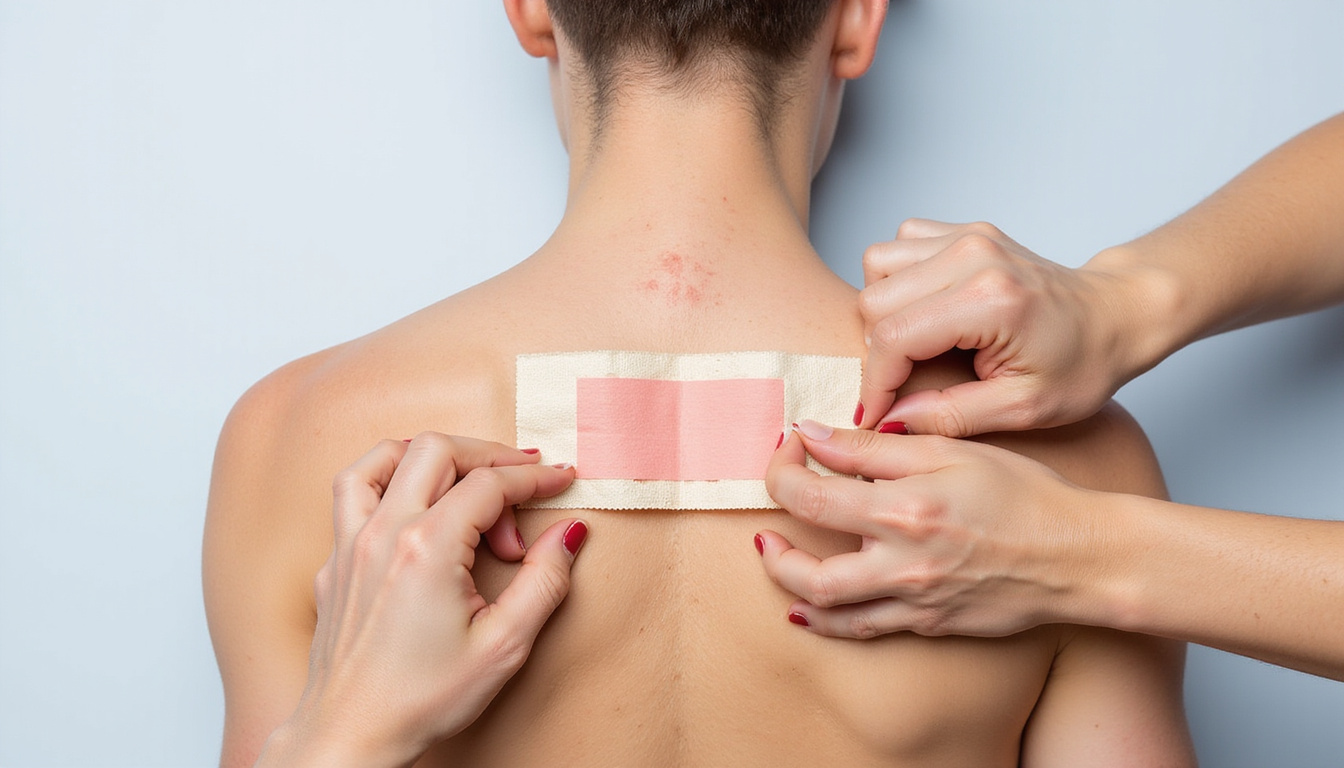
3. Calves That Threaten to Cramp
Steep switchbacks and heavy packs can make calves tight and twitchy.
Common method:
- One strip runs from just above the heel up the center of the calf toward the knee
- Optional side strips go along the inner and outer calf if extra support feels right
This method helps you feel smoother on long ascents, especially later in the day.
4. Ankles on Rocky, Rooty Trails
Uneven ground puts a lot of strain on your ankles, especially with a loaded pack.
Simple support:
- Two short strips cross over the outside and inside of the ankle in an “X” pattern
- An optional longer strip runs from the bottom of the foot (arch) up the side of the lower leg
The goal is to remind your ankle where the center is, without locking it like a rigid brace.
5. Shoulders and Upper Back From Pack Rub and Load
If pack straps burn your shoulders:
- One vertical strip runs along the top of the shoulder from near the neck toward the upper arm
- A second strip crosses the back of the shoulder blade at a slight angle
This helps improve posture under load and reduces the “hunched over” fatigue.
What to Pack: Kinesiology Tape in Your Trail First-Aid Kit
For weekend warriors and thru-hikers alike, kinesiology tape is a smart, ultralight tool in your repair kit.
Pack:
- A small roll or a few pre-cut strips
- Tiny scissors or a small multitool with scissors
- A few alcohol wipes to clean the skin before application
- A small zip bag to keep the tape dry and free of dirt
On a multi-day trip, one modest roll may cover both knees and calves multiple times if needed.
Common Mistakes Hikers Make With Kinesiology Tape
Avoid these trail-tested errors:
- Overstretching the tape: More stretch does not mean more support. Too much tension can irritate the skin and make the tape peel off faster.
- Taping over hot spots or broken skin: Do not tape over blisters, cuts, or any damaged skin.
- Ignoring persistent discomfort: If pain continues or worsens, do not simply re-tape. Get it checked by a professional.
- Applying tape right before hiking in hot weather: Allow time for the tape to bond before you sweat heavily.
How to Remove Kinesiology Tape Without Trashing Your Skin
After days of dust, sweat, and stream crossings, you will want to remove the tape:
• Loosen in the shower: Warm water helps soften the tape’s bond.
• Peel low and slow: Do not yank it off like a bandage. Gently roll or pull the tape while supporting the skin.
• Use oil if needed: A bit of oil or lotion can help dissolve the adhesive if it sticks too firmly.
• Check your skin: If you see redness, itching, or irritation, give that area a break before re-taping.
Pairing Kinesiology Tape With Smart Recovery Habits
Kinesiology tape works best when it is part of a smart recovery routine. Follow these basics that every seasoned hiker knows:
- Gradually increase your mileage and elevation
- Work on strength, especially in your hips, core, and lower legs
- Stay well hydrated and use electrolytes
- Stretch, do post-hike mobility work, and massage gently
- Allow enough rest days between big efforts
Some hikers add joint and muscle support supplements like Regenerix Gold into their routine. Always read labels and talk to a healthcare provider if you have questions about any supplement.
Video: Kinesiology Tape & Joint Support for Hikers
Regenerix Gold
FAQ: Kinesiology Tape for Hikers
Q1: Is kinesiology tape good for hiking and backpacking trips?
Yes. Many hikers and backpackers use kinesiology tape as a light tool to support muscles and joints on long days. It helps keep movement smooth and body awareness high during climbs, descents, and on uneven ground. Use it alongside smart training, proper footwear, and rest.
Q2: How long can I leave kinesiology tape on while hiking?
Most brands are designed to stay on for 3–5 days, even with sweat and showers. On the trail, you can leave it on as long as your skin feels comfortable and the tape does not peel or cause irritation. If you notice discomfort, remove it.
Q3: Can kinesiology tape replace professional care for joint and muscle problems?
No. Kinesiology tape is a tool for comfort and support, not a substitute for professional healthcare. If you have persistent or serious pain, consult a qualified professional. Use tape as one part of a broader care routine.
Hike Smarter, Recover Faster: Why Savvy Hikers Look Beyond Just Tape
Your body is your main gear. Upgrading poles, packs, and boots matters, but keeping your joints and muscles healthy is vital. Ignoring small aches now can lead to higher costs later—in medical bills, missed work, or lost adventures.
Kinesiology tape is a sharp tool in your kit, but the best hikers do more. They fine-tune their strength work, recovery routines, nutrition, and daily care. Many serious hikers choose to add a premium supplement like Regenerix Gold to protect their ability to move freely and stay ready for long days. If you plan ahead and value your active life, consider making Regenerix Gold part of your daily regimen. It helps you move freely and keeps your body in top shape for every trail adventure.
Health Note
Always consult a licensed medical doctor for your health issues.
Special Discount
If you prefer preventive nutrition to minimize expensive knee surgery and potentially addictive pharmaceuticals, Regenerix Gold is your savvy solution.
You qualify for a special discount.
Simply use the link below and a discount will automatically be applied during checkout.
Get Regenerix Gold => HERE


