

If you run, jump, lift, or cut side‑to‑side, your body signals.
Your knee moves.
Understanding knee biomechanics is not extra; it is survival.
That dull ache after pickup basketball, that sharp pain on stairs, or that grinding when you squat deep—all tell you: your knee is loading in a certain way.
For active people in America who feel that constant “twinge” or “catch,” knowing how your knee works can keep you in the game instead of on the sidelines.
How Your Knee Really Works: The Basics of Knee Biomechanics
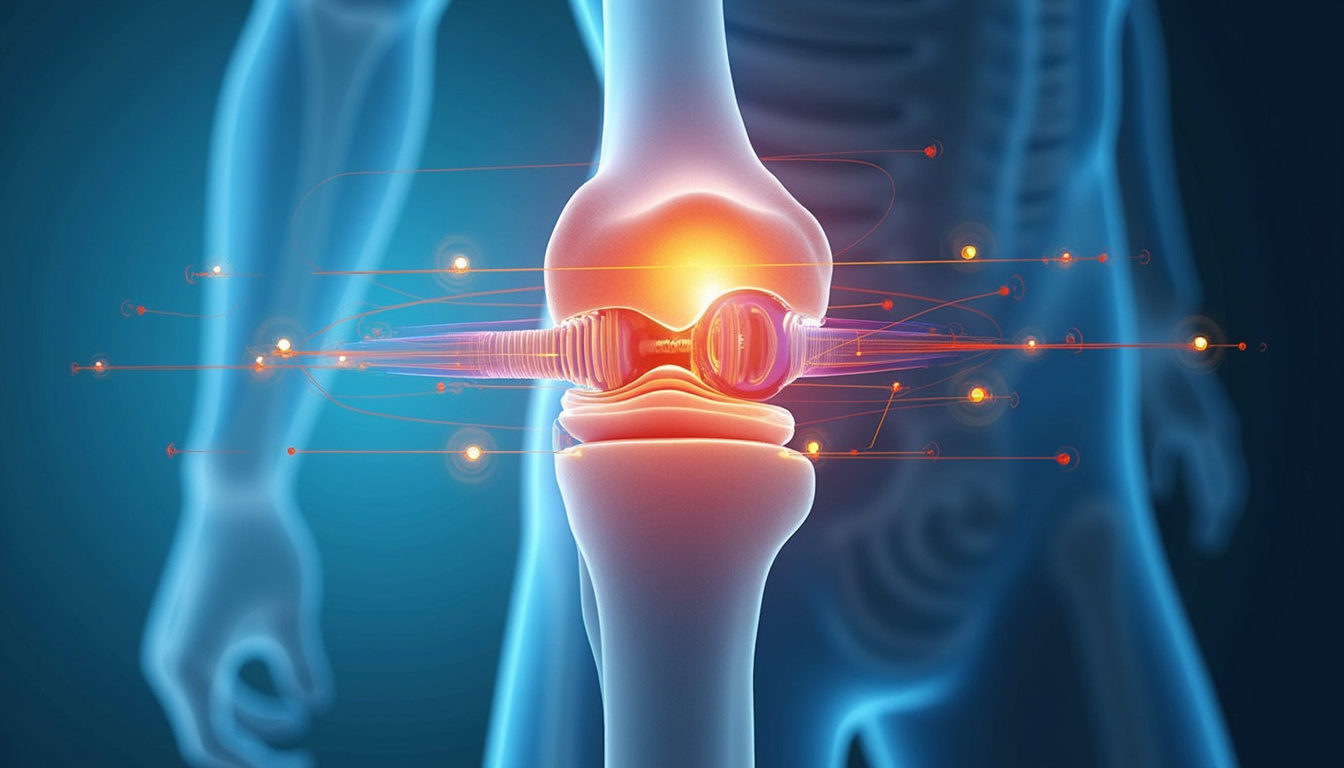
At its core, knee biomechanics shows how bones, cartilage, ligaments, tendons, and muscles work together.
They move.
They share the load.
Your knee consists of:
- Bones: thigh bone (femur), shin bone (tibia), and kneecap (patella)
- Shock absorbers: meniscus (the “cushions” inside the joint)
- Stability straps: ligaments on the sides and inside the knee
- Muscle drivers: quadriceps, hamstrings, calves, and hip muscles
When all parts work well, your knee bends and straightens with ease.
The kneecap glides in its groove.
The load spreads evenly.
When any part goes off, you feel it as:
- A “pinchy” pain in the front when you go down stairs.
- A “knife‑like” twinge inside when you twist.
- Stiffness in the morning or after long sitting.
- A feeling that your knee is “wobbly,” “clicky,” or “about to give.”
These signals point to a biomechanics problem, not merely aging.
Common Knee Biomechanics Issues Athletes Feel Every Week
Most athletes do not speak in technical terms.
They speak in feelings:
- “My knees scream when I go downstairs after leg day.”
- “A sharp jab hits under my kneecap when I squat heavy.”
- “My knee feels crunchy when I kneel; it grinds.”
- “I can run straight, but cutting sideways leaves me unstable.”
These words link to a few key biomechanics issues:
-
Poor kneecap tracking
The patella does not glide smoothly.
Muscle imbalances or tight outer thigh tissue often cause this. -
Quad–hamstring imbalance
Many lifters and runners rely too much on their quads.
The hamstrings and glutes do not pull enough.
The knee then bears too much load from the front. -
Weak hips, busy knees
When hip muscles do not guide your thigh, your knee caves inward.
Squats, jumps, and landings become harsh on the knee. -
Limited ankle mobility
Tight calves or stiff ankles force extra twist or bend.
This extra load comes up into the knee.
You need not wait for a diagnosis.
You feel the pattern: play hard, then your knees complain even harder.
The Three Planes of Movement Your Knees Have to Survive
Many see the knee as a simple hinge.
But the knee faces stress in three planes:
-
Sagittal plane (bending and straightening)
- Actions: running, walking, cycling, squatting, climbing stairs
- When issues occur, you feel aching at the front, stiffness when rising, or difficulty locking the knee.
-
Frontal plane (side‑to‑side)
- Actions: cutting, shuffling, playing defense in basketball, lateral lunges
- Problems show as the knee caving in, sharp inner or outer pain, or soreness after side‑steps.
-
Transverse plane (twisting/rotation)
- Actions: pivoting, turning, swinging, changing direction
- Issues appear as a grabbing or catching feeling or when something moves oddly.
If your training only covers forward–back, yet your sport asks for twisting and cutting, your knee takes on extra stress in unprepared ways.
Everyday Movement Patterns That Quietly Wreck Your Knee Biomechanics
Many people build habits that strain the knees:
-
Desk‑sitting with bent knees all day
The quads stay short, hip flexors tighten, and the knees never rest. -
Always crossing the same leg
This twist rotates the hip and changes knee alignment over your foot. -
Toe‑out walking and squatting
Every step or rep makes the knee twist a bit more. -
Only training the “mirror muscles”
You build big quads.
You do little work on hamstrings and glutes.
The knee then pulls forward, unbalanced from the back.
Over time, these habits make your knees feel old, even when you are young.
Simple Alignment Cues That Make Knees Happier Immediately
You do not need to change your entire routine.
Start with small fixes.
People with knee issues often feel better right away:
-
Knees track over middle toes
When you squat, lunge, or climb stairs, let your knee follow the line of your middle toe.
Do not allow it to cave in or collapse out. -
Weight through mid‑foot, not toes
Push from your heel and mid‑foot.
This eases the stabbing pressure at the front. -
Soft landings with bent knees and hips
When you jump or do plyometrics, land softly.
A deeper bend in your hips and knees reduces jarring forces. -
Do not “lock” your knees when standing
Avoid hyper‑extending.
Letting your knee lock puts too much stress on the joint.
Small changes, repeated over many steps and reps, add up to lasting knee comfort.
Building Strong, Knee‑Smart Muscles: Training That Respects Biomechanics
Support your knee biomechanics by focusing on the muscles that center and control your knee.
It is less about how heavy you lift and more about how well you build support.
Key Areas to Strengthen
-
Glutes and hip abductors
They stop your thigh from collapsing inward.
Strong glutes and hips keep knees aligned. -
Hamstrings
They act as natural brakes and support the back of the knee.
They balance the strong quads. -
Calves and ankle stabilizers
Good ankle control means less twist reaching the knee. -
Core and trunk
A steady trunk keeps your knee from having to correct a wobbly upper body.
Sample “Knee‑Smart” Exercise List
- Glute bridges or hip thrusts
- Side‑lying leg raises or banded side steps
- Romanian deadlifts
- Hamstring curls (machine or stability ball)
- Split squats / reverse lunges (with a short range, and good form)
- Calf raises and controlled step‑downs
- Planks and suitcase carries
Focus on clear form, a controlled pace, and a range of motion free of pain.
You train your biomechanics and not just chase soreness.
Why Nutrition Matters for Knee Biomechanics
Even with perfect technique, your knees endure thousands of steps and reps daily.
The tissues in your joint—muscles, cartilage, and connective tissue—need proper nutrients to stay strong, resilient, and comfortable.
People who care for their knees notice:
- A poor diet makes their knees feel stiff and rusty.
- Less hydration makes joints tighter.
- Skipping protein slows recovery after leg work or long runs.
A balanced diet and enough protein help overall health.
Many also look for nutrition‑based support for joint comfort and muscle function.
Regenerix Gold: Nutrition‑Based Support for Healthy Knee Joints and Muscles
For active adults in America who negotiate with their knees every day—wondering, “Can I squat today?” or “Will stairs hurt tomorrow?”—supporting knee biomechanics goes beyond exercise.
It is also about what you fuel your body with.
Regenerix Gold is a nutrition‑based solution that helps people:
- Support healthy knee joints and cartilage
- Maintain comfortable movement in daily and athletic activities
- Build muscles that stabilize the knee
Key points about Regenerix Gold:
- It is recommended by doctors and physical therapists as part of a knee‑friendly lifestyle.
- It has been used for over a decade with positive reviews from users worldwide—active people who put many miles and reps on their knees.
- It is not a drug and is not intended to diagnose, treat, cure, or prevent any disease.
Instead, it provides nutritional building blocks that aid joint and muscle health.
Many knee‑sensitive athletes think of this supplement like protein powder: not magic, but a smart support tool that works with what they already do in the gym and on the field.
How Regenerix Gold Fits into a Knee‑Smart Routine
For the best joint‑support, people who feel great follow a few steady steps:
-
Use it daily as directed
Nutritional support works best as a routine.
Do not wait until your knees hurt. -
Combine it with knee‑smart training
Warm up properly, load smartly, and use good form.
This avoids pushing your knees past safe limits. -
Support recovery
Sleep well, hydrate, and eat balanced meals.
This helps your body use the nutrients efficiently. -
Listen to your knees
Watch for changes in stiffness, how stairs feel, or how your knees fare during long workdays or sports.
If you already stretch, strengthen, foam‑roll, and adjust workouts around your knees, adding nutritional support like Regenerix Gold can enhance your overall strategy.
Evidence‑Based Lifestyle Habits That Help Knee Biomechanics
Research shows practical habits that aid your knees:
-
Maintain a healthy body weight
A lower weight means less load on your knee with every step.
(Source: CDC – Joint Health) -
Keep moving regularly and moderately
Walking, cycling, or swimming helps keep joints lubricated and muscles active. -
Avoid sudden spikes in activity
Do not triple your weekly miles or jumps suddenly.
This protects your biomechanics from overload.
Combining these habits with smart training and nutrition creates a knee‑friendly environment from the outside in and the inside out.
Watch: Regenerix Gold and Knee Health
Regenerix Gold
FAQ: Knee Biomechanics and Joint‑Support Questions
-
What is knee biomechanics in sports, and why should I care?
Knee biomechanics shows how your knee moves and handles forces when you run, jump, cut, and lift.
If your alignment or muscle balance is off, your knee feels sore, stiff, or unstable after workouts.
Knowing your biomechanics helps you adjust your technique, training, and nutrition so that your knees work better. -
How can I improve my knee joint biomechanics naturally?
Strengthen the hips, hamstrings, and calves.
Improve your squat and landing techniques.
Stay active while avoiding sudden, huge spikes in activity.
Maintain a healthy body weight.
A nutrition‑based supplement like Regenerix Gold may support these efforts. -
Are knee biomechanics exercises enough, or do I also need joint supplements?
Exercises that work on strength, mobility, and form are key.
Many active people also choose joint‑support supplements for extra nutrition on joints and muscles.
Regenerix Gold is one option.
However, supplements should not replace professional medical advice or treatment.
Take Action: Don’t Wait for Your Knees to Decide for You
If you plan your workouts around what your knees allow, you face more than isolated aches.
You deal with a full knee biomechanics issue.
Athletes and active workers who act early:
- Learn how their knees really work.
- Train smarter, not only harder.
- Use nutritional support along with knee‑smart exercise.
Skipping proper care can lead to costly medical care, imaging, time off work, and missed games.
Invest today in healthy movement and nutrition.
This is often cheaper than waiting until discomfort controls your choices, hobbies, or time with family.
If you see yourself as someone who plans ahead, consider adding Regenerix Gold to your daily routine.
Buy a bottle, take it regularly along with knee‑smart training, and experience how intentional support can give you control over knee comfort and athletic longevity.
Health Note
Always consult a licensed medical doctor for your health issues.
Special Discount
If you prefer preventive nutrition to minimize expensive knee surgery and potentially addictive pharmaceuticals, Regenerix Gold is your savvy solution.
You qualify for a special discount.
Simply use the link below and a discount will automatically be applied during checkout.
Get Regenerix Gold => HERE


