

If you spend weekends glassing ridgelines, stalking elk, or riding rocky switchbacks, your knees feel the load. A proper knee wrap supports your joints and muscles. It helps you haul heavy loads with confidence instead of forcing you to hobble back. Used well, the wrap eases stress so you can stay on the trail longer with less worry.
This guide shows you how to choose, fit, and use wraps correctly. You will also learn how nutrition support like Regenerix Gold works with your gear and preparation.
Why Knee Support Matters for Hunters and Hikers
Knees work hard in the backcountry. Every time you:
- Cross a loose shale slope
- Drop into a steep drainage
- Heel‑plant with a heavy pack
- Climb deadfall with a full load
…your knees bear load and torque. Over time, heavy use can cause discomfort, stiffness, or a “crunchy” feeling when you squat or kneel.
A knee wrap does not make you superhuman but it can:
- Steady your joint under heavy loads
- Allow smooth movement
- Give you control on steep descents or uneven ground
- Support muscles during constant stress
For many Americans who work outdoors or spend long days on foot, this small piece of gear boosts confidence when the terrain pushes back.
Types of Knee Support Wraps: Which One Fits Your Style of Use?
Not all knee wraps serve the same role. They work like boots. Upland, mountaineering, and rubber boots fit different needs. You choose them by matching the wrap to your hunt.
1. Elastic Compression Wraps
These wraps are long elastic bands you wind around your knee.
Good for:
- Day hunts with moderate loads
- Long hikes on mixed terrain
- General ease for stiff or tired knees
Pros:
- You can adjust the compression
- They pack small in a daypack or pouch
- They work over base layers or on bare skin
Cons:
- You must practice to wrap them properly
- They might loosen if not anchored well
2. Neoprene Sleeves
These are slide-on sleeves made of neoprene or a similar material.
Good for:
- Cold weather hunts where warmth helps
- Long periods sitting in a stand or blind
- Hikers who need mild compression and warmth all day
Pros:
- They are easy to put on and remove
- They keep the joint warm and soothe pain
- They stay in place under hunting pants or softshells
Cons:
- They can feel hot during early-season or desert hunts
- They offer less adjustability than wrap-style supports
3. Hinged or Rigid-Braced Wraps
These wraps have built-in supports or hinges.
Good for:
- Heavy pack-outs on steep slopes
- People whose knees feel unstable on sidehills
- Technical terrain with tricky foot placements
Pros:
- They add side-to-side stability
- They boost confidence on rough descents
Cons:
- They may feel bulky under pants or gaiters
- They add weight and need more pack space
How to Choose a Knee Support Wrap That Matches Your Terrain
When you browse Cabela’s, REI, or a local store, think about your movement outdoors.
Consider your terrain:
- Steep, loose, or scree slopes: Choose wraps that give good stability, especially on sidehills.
- Rolling hills and logging roads: A light compression sleeve or elastic wrap may suit you.
- Cold late-season days: Neoprene sleeves add warmth along with support.
Consider your load:
- Heavy pack-outs, long elk drags, or hauling stands: Look for supportive designs and think about a wrap plus strength training.
- Daypack trips or scout outings: A light compression wrap may work well.
Consider your body and history:
- Notice where you feel pressure around your knee on long hikes.
- Reflect if your knees feel tired at the end of a day.
- Decide if you prefer a firm, locked-in support or a gentler fit.
Many hunters and hikers in America begin with a reliable elastic wrap or medium-compression sleeve and adjust later if needed.
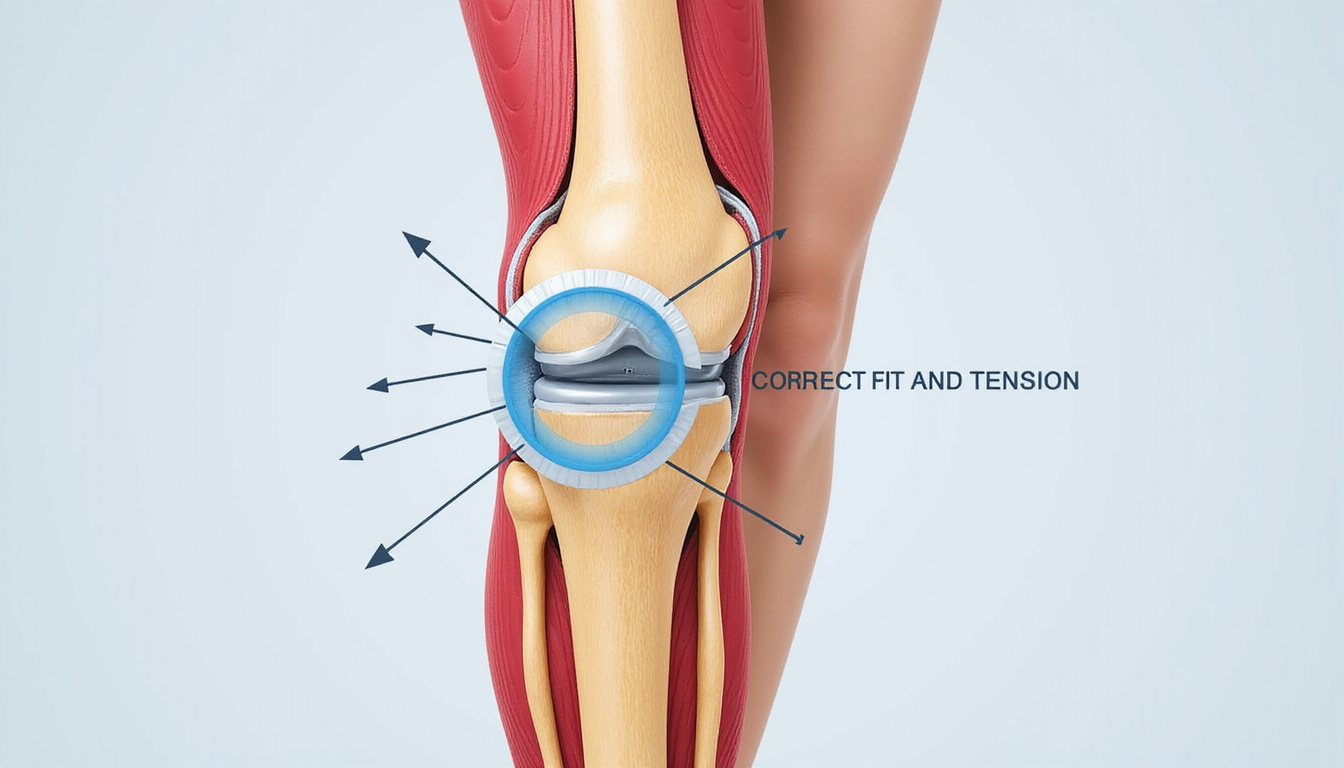
How to Fit a Knee Support Wrap So It Actually Helps
A poor-fitting wrap is like a loose boot lace. Follow these steps for a secure and comfortable fit.
Step 1: Measure Correctly
Most brands need your thigh and calf measurements.
- Measure about 4 inches above your kneecap for the thigh
- Measure the widest part of your calf
- Use the brand’s size chart to compare
Do not size down for extra support. If the wrap cuts circulation, it is not right.
Step 2: Position the Wrap or Sleeve
- Place any opening or padding over your kneecap
- Make sure the fabric lays flat with no folds behind your knee
- For wraps, start below the knee and work upward. Overlap each layer by about 50%
Step 3: Check for Hot Spots and Circulation
After you wear it:
- Walk a few steps and do deep knee bends
- Check for tingling, numbness, or cold toes. These are signs of too much tightness
- On the trail, check the wrap during breaks, especially if you change layers
Using Knee Support Wraps to Help Prevent Injury on the Trail
Knee support is not just a quick fix when pain starts. A well-used knee wrap belongs in your overall plan for long seasons.
Technique matters with gear:
- On descents: Shorten your stride. Keep your knees slightly bent instead of locking them out.
- Under load: Keep your weight near your center. Use trekking poles when you can.
- Sidehilling: Keep your feet flat when possible. Alternate sides to avoid stress.
Warm up before you load up:
Spend 5 minutes before leaving:
- Do easy bodyweight squats
- Swing your legs front-to-back and side-to-side
- Try light lunges or step-ups on a rock or tailgate
With a knee wrap, warm muscles and supported joints face the first climb with ease.
Backcountry Checklist: Knee-Friendly Habits
Remember these tips before every long trip:
- Pack your knee wrap or sleeve (and a spare if you use one)
- Wear good boots that support your feet on descents
- Bring trekking poles to reduce knee stress
- Avoid overloading your pack
- Take short breaks to adjust your layers and gear, including your knee support wrap
Why Nutrition-Based Support Matters for Knee Comfort
Gear only tells part of the story. What you eat supports healthy joints and muscles.
You would not drive a truck on poor fuel. Do not run your body on poor nutrition. Many active Americans use a balanced diet, regular movement, and smart supplements to care for their joints (source: National Institutes of Health, Office of Dietary Supplements).
This is where Regenerix Gold comes in.
Regenerix Gold: Nutrition-Based Knee Support Backed by Pros
Regenerix Gold offers nutrition-based knee support for those who demand active performance. It helps keep joints and muscles healthy so you can hike remote basins or haul a deer cart.
Key points for hunters and hikers:
- Supports healthy joints and muscles: It helps maintain smooth movement and joint function during an active life.
- Recommended by doctors and therapists: Health professionals trust Regenerix Gold as part of a complete joint care plan.
- Over a decade of use: Many users report benefits over more than ten years worldwide.
- Easy to integrate: Once part of your routine, you do not need to carry it up the mountain.
Regenerix Gold is a supplement meant to support joint and muscle health. It is best used with smart training, good movement habits, and the proper knee wrap when needed.
Regenerix Gold
Building a Complete Knee-Smart System
Think of your knees like your main sporting gear. Your system is made of several parts:
- Hardware: Knee support wrap, boots, trekking poles, and a well-fitted pack
- Software: Your movement patterns, warm-ups, and how you travel on tough ground
- Fuel: Good hydration, quality food, and supplements like Regenerix Gold to keep joints and muscles healthy
When all parts work well, you are less likely to cut a hunt short because of aching knees.
FAQs About Knee Support Wraps and Joint Support
-
How tight should a knee support wrap be for hiking and hunting?
A wrap should feel snug but not tight. You must be able to kneel, crouch, and climb without pain. Do not let it cause tingling, swelling, or discoloration. -
Can I wear a knee support wrap all day on long backcountry trips?
Yes, if your circulation stays normal and you check your skin. Many users loosen or remove it during breaks to let the skin breathe. If you have concerns, talk to a healthcare professional. -
Do I still need a knee brace or wrap if I take a joint support supplement?
Supplements like Regenerix Gold work from the inside. A knee wrap works from the outside. They serve different roles in your overall plan. Many hikers use both together.
Time to Protect the Knees That Carry Your Season
Serious hunters and dedicated hikers know gear and fuel cost much less than lost time or medical bills. Protecting your knees is not a luxury. It is essential to keep hunting and hiking year after year.
Find the knee wrap that works for you, learn to fit it well, and support it with good movement habits and nutrition like Regenerix Gold. This approach separates the weekend warrior who burns out early from the seasoned professional who climbs strong season after season.
If you want to stay ahead in your sport—physically and financially—consider adding Regenerix Gold to your routine. Treat it as an essential part of your kit. A sound knee support system now can save you trouble later.
Health Note
Always consult a licensed medical doctor for your health issues.
Special Discount
If you prefer preventive nutrition to minimize expensive knee surgery and potentially addictive pharmaceuticals, Regenerix Gold is your savvy solution.
You qualify for a special discount.
Simply use the link below and a discount will automatically be applied during checkout.
Get Regenerix Gold => HERE
