

If you’re a tennis player working hard on serves, open-stance forehands, and split-steps, a labral tear can feel like your season just lost power. It hurts the hip when you serve or the shoulder when you hit topspin. Labral issues creep in quietly. They make every hit remind you that something is off.
This guide shows what American tennis players must know about labral tears. It explains symptoms, treatment options, and ways to recover quickly. It also helps protect your game, wallet, and body.
What Is a Labrum and Why Tennis Players Should Care
The labrum is a ring of cartilage. It deepens the socket at your shoulder and hip joints. It holds the ball of the joint in place as you move, rotate, and hit shots.
- Shoulder labrum: Holds the ball in place when you serve, hit an overhead, or swing a high forehand or backhand.
- Hip labrum: Holds your hip joint steady when you load, slide, and rotate for forehands, backhands, or serves.
A labral tear occurs when that ring gets hurt. Repetitive motion, overload, or a single twist, lunge, or fall can cause the damage.
Common Labral Tear Symptoms in Tennis Players
Labral tear symptoms start small. They hide in everyday tennis moves until the pain becomes clear.
Shoulder Labral Tear–Type Symptoms
Look for these signs during tennis play:
- Deep shoulder ache after serving or overhead hits
- Pain, or a catching feel, when you reach back in the “trophy position”
- A flat first or kick serve
- A shoulder that feels loose, unstable, or ready to slip
- Clicking, catching, or a grinding noise when you rotate your shoulder
- Late-match fatigue or discomfort when you try heavy topspin
Hip Labral Tear–Type Symptoms
Check these hip signs on court:
- Groin or deep hip pain when loading the outside leg on wide shots
- A sharp pinch or catch when you pivot or split-step
- Hip stiffness after matches that does not go away with normal soreness
- Pain with extreme rotation in open-stance forehands or wide backhands
- Clicking, catching, or locking in the hip while moving
- Trouble sitting on long tournament drives or flights
If pain or mechanical symptoms like clicking or instability continue, stop guessing. Talk to a qualified healthcare professional.
What Causes a Labral Tear in Tennis Players?
Tennis moves load your shoulder and hip in a special way. Over time, that load stresses the labrum.
Overhead and Serve Mechanics
Repetitive high-speed serving and kicking serve actions stress the joint. Weak scapular control or a weak rotator cuff adds extra strain. Tired mechanics at match end worsen the load.
Footwork and Hip Loading
Open-stance forehands need heavy rotation. Wide defensive slides on hard courts and sudden stops also load the hip. Muscle imbalances among the glutes, hips, and core add to the problem.
Training and Lifestyle Factors
A quick jump in weekly play can hurt. Little off-court strength and mobility training adds risk. Ignoring small signs and masking pain with over-the-counter remedies further load the joint. Playing through pain—because of a league match or USTA event—makes matters worse.
Sometimes joint structure or old injuries create the tear. A full evaluation is needed.
How Labral Tears Are Evaluated and Diagnosed
A licensed medical professional must diagnose a labral tear. The evaluation brings several steps:
- History and symptom review: When the pain started, what motions hurt, and how long it has lasted.
- Physical exam: Tests that stress the labrum by moving the joint.
- Imaging: X-rays for bone structure or an MRI (sometimes with contrast) to see the labrum. (Source: American Academy of Orthopaedic Surgeons)
If you are a high-level player or coach, share your training volume, court surfaces (clay or hard), and specific stroke patterns. This helps your provider understand your load.
Treatment Options: From Conservative Care to Surgery
Treatment depends on the tear’s location, severity, your goals, and the doctor’s advice. Many players improve with conservative care, though surgery might be an option.
Conservative, Non-Surgical Approaches
These methods support the joint and lessen labrum stress.
-
Activity modification
- Reduce heavy serving or deep open-stance moves for a time
- Adjust practice intensity and court time
-
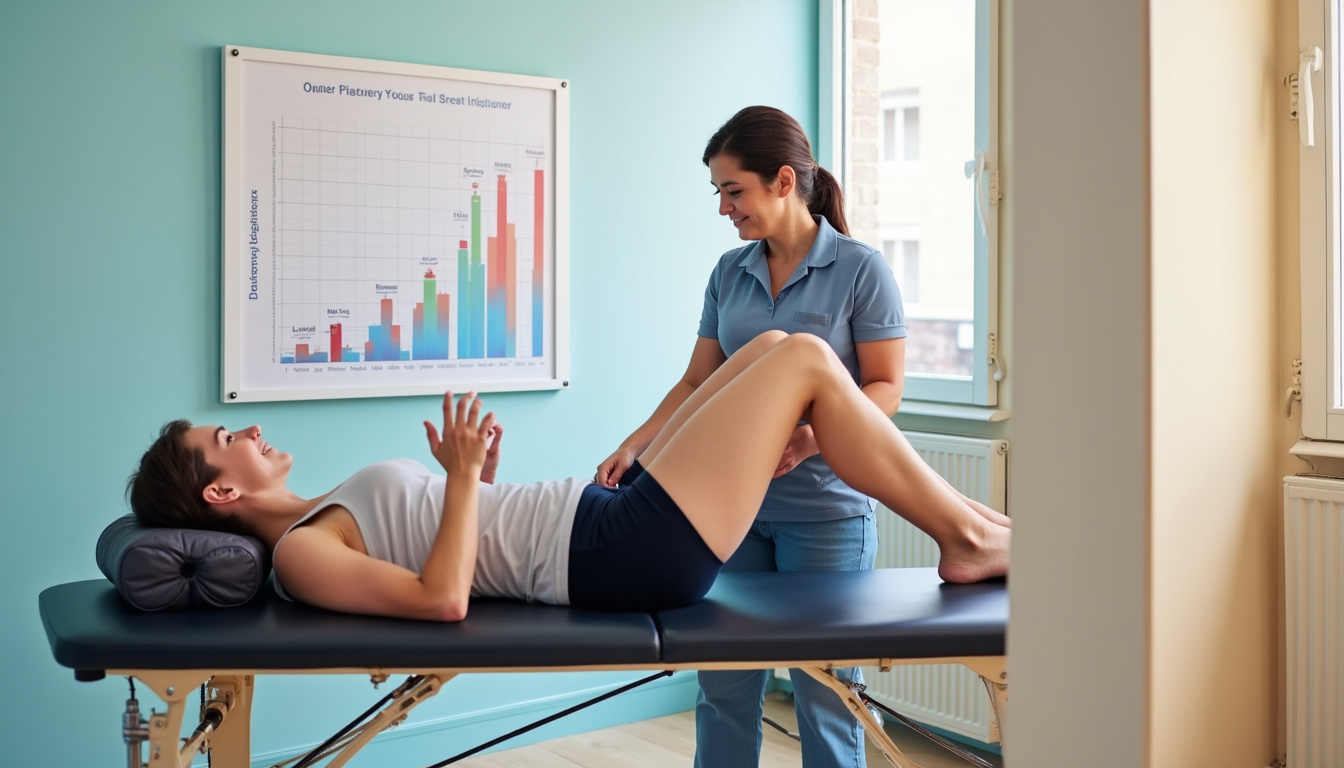
Physical therapy and rehab
- Strengthen muscles like the rotator cuff, scapular stabilizers, glutes, hips, and core
- Improve joint balance, control, and movement
- Boost shoulder and hip mobility in tennis strokes
- Follow a gradual return-to-play plan
-
Technique and equipment adjustments
- Tune serve mechanics to lower joint stress
- Change footwork to avoid extra hip rotation
- Re-evaluate racket string tension, weight, and grip size to manage load
-
Lifestyle and recovery habits
- Get quality sleep, stay hydrated, and eat well
- Practice smart warm-ups and cool-downs with mobility drills
- Plan rest days and lighter training weeks
Sometimes dietary supplements support joint and muscle health. Remember, they are not medicines. They do not diagnose, treat, cure, or prevent any disease. Always consult a healthcare professional before starting any supplement if you are on medication or have health concerns.
When Surgery Is Considered
If conservative care does not help or the joint has major damage, your orthopedic specialist may suggest surgery. Options include:
- Arthroscopic procedures to fix the labrum
- A post-surgical rehab plan with clear timelines for returning to tennis
Player decisions vary. A serious league player, a teaching pro, or a weekend player each make choices based on their goals, work, and life outside tennis.
How to Recover Faster (Without Rushing the Process)
Faster recovery is not a shortcut. It is about smart, steady work.
1. Respect the Healing Timeline
Pushing too hard too soon can set you back. Follow your provider’s advice. Accept that simple, steady steps help you play for the long run.
2. Nail the Fundamentals: Sleep, Hydration, and Nutrition
Your body repairs off the court.
- Get steady, quality sleep.
- Keep hydrated, especially in the heat.
- Eat balanced meals with enough protein, healthy fats, and fruits and vegetables.
3. Commit to Your Rehab Like It’s a Match
Think of rehab like match practice:
- Attend every physical therapy session or home exercise.
- Track your progress.
- Treat rehab like a necessary warm-up for your game.
4. Build a Better Tennis Engine
Upgrade parts of your game that do not stress the injured joint:
- Improve footwork and speed (within your limits)
- Work on core stability and balance
- Enhance tactical awareness, shot selection, and play strategy
- Develop mental skills like visualization, focused breathing, and routine
When cleared, you will not just return—you will come back smarter and stronger.
5. Support Joint and Muscle Health Holistically
Some players add extra support to their joint and muscle care. They discuss dietary supplements with providers as one part of a complete plan.
- Supplements are not a replacement for medical care.
- They do not diagnose, treat, cure, or prevent any disease.
- Talk with a healthcare professional about quality supplements suited for your sport and health.
Smart Return-to-Court Progression for Tennis Players
When your provider clears you, return slowly. Here is an example of a five-phase plan:
-
Phase 1 – Basic Movement
- Do light footwork, mini tennis, and shadow swings.
- Avoid heavy serves or fast directional changes.
-
Phase 2 – Controlled Hitting
- Hit groundstrokes at 50–70% pace.
- Play short, controlled points with a cooperative partner.
-
Phase 3 – Reintroduce Higher-Stress Actions
- Increase serving volume and speed slowly.
- Keep movement dynamic but within safe limits.
-
Phase 4 – Full Play with Constraints
- Play match-like scenarios but limit volume or back-to-back days.
- Continue strength and mobility work.
-
Phase 5 – Return to a Normal Competitive Schedule
- Rejoin league play, tournaments, or high-level matches.
- Maintain a program to prevent future injury.
Your goal is to play again and stay on court without the tear coming back.
Quick Checklist: Are You Managing Your Labral Tear Smartly?
- [ ] I have seen a qualified healthcare professional.
- [ ] I know which movements hurt my shoulder or hip.
- [ ] I am following a clear rehab or training plan.
- [ ] I have adjusted my on-court load instead of playing through pain.
- [ ] I pay attention to sleep, hydration, and nutrition.
- [ ] I have discussed supplements with my healthcare provider.
- [ ] I am returning to tennis gradually, not all at once.
FAQ About Labral Tears for Tennis Players
Is a labral tear serious for tennis players?
A labral tear matters because the labrum keeps your shoulder and hip stable during tennis moves. Some tears manage well with smart training, rehab, and lifestyle changes. Others need more help based on a professional’s view.
Can you still play tennis with a labral tear in the hip or shoulder?
You might play with a labral issue under expert guidance and careful training load management. However, playing through pain without proper care can make pain worse. Always work with your provider to set up a plan.
How long does it take to recover from a hip or shoulder labral tear?
Recovery differs based on tear severity, whether surgery is needed, your health, your compliance with rehab, and your tennis goals. Your provider can give you a personalized timeline and plan.
Why Many Tennis Players Choose Regenerix Gold as Part of Their Joint Routine
Competitive and dedicated recreational tennis players in America know that lost court time and high medical bills hurt more than smart prevention. They seek every edge to support joint and muscle health.
Regenerix Gold is a dietary supplement made for adults who want strong joints and muscles. It helps you move confidently both on and off the court. It is not meant to diagnose, treat, cure, or prevent any disease. With a healthcare professional’s guidance, it can be a part of your overall care plan, along with proper training, rehab, and medical advice.
Serious tennis players know that protecting their bodies protects:
- Their ability to compete in leagues, tournaments, and club matches
- Their long-term mobility and quality of life
- Their finances, by avoiding high medical costs later
- Their work life when injury causes time off
If you want to stay ahead of problems instead of reacting late, talk to your healthcare provider. See if Regenerix Gold fits your joint and muscle support strategy so you can keep playing the game you love and live at your best.
Regenerix Gold
Health Note
Always consult a licensed medical doctor for your health issues.
Special Discount
If you prefer preventive nutrition to minimize expensive knee surgery and potentially addictive pharmaceuticals, Regenerix Gold is your savvy solution.
You qualify for a special discount.
Simply use the link below and a discount will automatically be applied during checkout.
Get Regenerix Gold => HERE
