

If you feel your knee jam, lock, or catch when you walk, use stairs, or squat, you may have a loose body. In Singapore, this can worry those who work, care for others, or take the MRT or HDB stairs.
This article explains what a knee loose body is, lists common symptoms, shows how it is checked and treated in Singapore, and offers long-term knee support tips.
What is a “loose body” in the knee?
A loose body is a small piece of bone, cartilage, or tissue that breaks off and moves inside the knee joint. It may get stuck between joint parts. This causes:
- A locking or stuck feeling
- Sudden, sharp pain
- A jammed or blocked sensation
People say it feels like something floats inside the knee.
Loose bodies usually come from:
- An old sports injury or trauma
- Wear and tear over time
- Damage to cartilage or the meniscus
- Some knee surgeries
A doctor or therapist must check your knee. If you suspect a loose body, get a professional opinion.
Common Symptoms of a Loose Body in the Knee
Not all people notice the same symptoms. Some feel little change, while others have trouble walking or using stairs.
You may feel:
- Locking or catching: Your knee does not bend or straighten fully for a moment.
- Something blocking: It feels as if an object stops your knee from moving smoothly.
- Clicking or clunking: You hear or feel noises when you move.
- Sharp, sudden pain: This happens with twists or quick moves.
- Swelling and stiffness: Your knee feels puffy or tight after use.
- Instability: Your knee may buckle on uneven surfaces.
If these signs worsen or disturb daily life—such as moving from the MRT to the office or caring for family—it is time to seek help.
How Loose Bodies in the Knee Are Usually Assessed
In Singapore, a doctor or physiotherapist usually checks your knee in two main ways:
-
History and Physical Examination
- They ask how the pain started, your activities, past injuries, work demands, and daily challenges (for example, climbing stairs or kneeling).
- They test your knee’s range of motion, stability, and tenderness.
-
Imaging (if needed)
- X-ray: It can show bone fragments or joint changes.
- MRI: It provides details about cartilage, menisci, ligaments, and small loose bits.
- Other scans: Used when needed by the doctor.
Your treatment is based on symptoms, life impact, and exam findings.
Common Knee Care Options in Singapore
If you have knee discomfort from a loose body, you may see one or more of these options.
MOH-Licensed Medical Doctors
-
General Practitioners (GPs)
- They are often your first contact.
- They offer an initial check, basic pain relief, and referrals if needed.
-
Orthopaedic Specialists
- They focus on bones, joints, and ligaments.
- They can order more tests, use imaging, and suggest treatment, including arthroscopic surgery.
- They tailor care to your needs and work or sports demands.
Licensed Traditional Chinese Medicine (TCM) Practitioners
Some people also visit TCM physicians for knee pain. TCM experts may use acupuncture, herbs, or manual therapies to help ease pain and improve well-being. These methods usually support, not replace, conventional medicine. Inform all your providers about the treatments you choose.
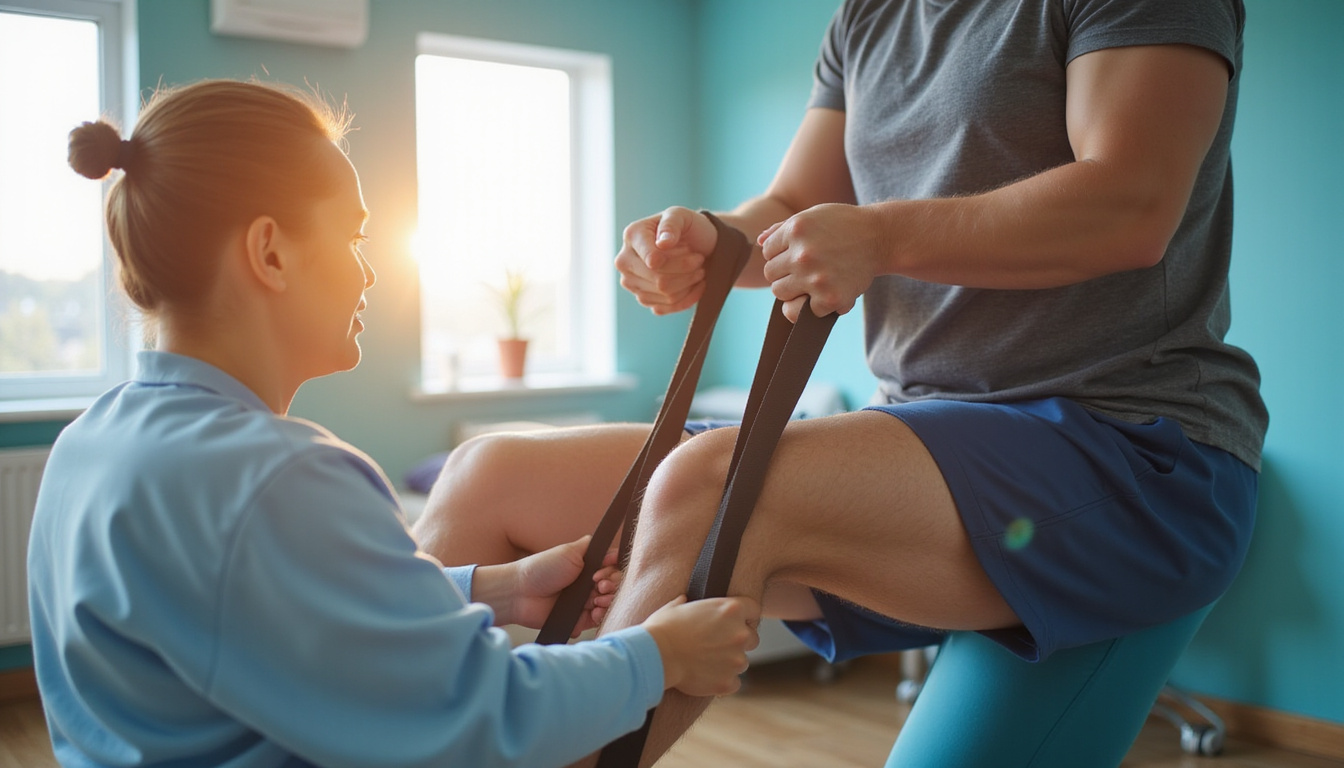
Standard Physiotherapy (Exercise-Based)
Physiotherapists help by:
- Managing pain and stiffness
- Strengthening muscles around the knee (quads, hamstrings, glutes, calves)
- Improving knee range of motion and control
- Teaching better movement for walking, stairs, and daily tasks
Targeted exercises and changes in activities can reduce stress on your knee, even if a loose body is present. Your physiotherapist may work with your doctor if more treatment is needed.
Non-Licensed Providers
Some people visit:
- Sports trainers
- Massage or wellness therapists
- Gym instructors who offer “knee rehab” programs
These providers give general fitness support. They are not regulated and cannot diagnose or treat joint problems. If you face locking, buckling, or strong pain, seek help from a licensed doctor first.
Non-Invasive Technology-Based Options
Beside exercise and manual therapy, some non-invasive treatments are available in Singapore. They do not replace medical checks or surgery when needed. They work best as part of a wider care plan.
Shockwave Therapy
Shockwave therapy is common in Singapore. It uses sound waves that hit the affected area. It is usually part of a service provided by physiotherapists or medical doctors and can be combined with exercises. Therapy is done over several sessions based on your condition.
A provider that offers shockwave therapy is The Pain Relief Practice:
https://thepainreliefpractice.com
Your doctor will help you decide if shockwave is right for you.
Hotheal Therapy
Hotheal Therapy uses radiofrequency to heat deep tissues. It warms soft tissues deeper than many surface heating methods. Many users say it brings quick warmth and ease.
A home-based option in Singapore is PhysioLife:
https://physiolife.com.sg
Follow all device instructions and ask a doctor if you have medical issues or implants.
Medical Oversight, Cost, and Convenience
When facing a loose body in the knee, Singapore residents balance three concerns:
-
Medical Oversight
- Locking, instability, or sudden motion loss should be checked by a doctor or specialist.
- This is key if your job needs long hours on your feet or manual work.
-
Cost Considerations
- Public options may cost less but have longer waits.
- Private clinics and tech treatments are more convenient but can cost more.
- Medisave, insurance, and employer benefits may cover some costs.
-
Convenience and Time
- Busy people may choose home-based devices, nearby clinics, or tele-consults.
Balancing these factors helps you choose care that works for your life.
Everyday Tips for Living with a Suspected Loose Body in the Knee
Try these simple ideas to ease knee strain while you seek care:
-
Modify activities:
- Avoid sudden twists and deep squats.
- Take a lift instead of the stairs when your knee hurts.
- Break long walks or stands with short rests.
-
Use supportive footwear:
- Choose shoes with good cushioning and arch support to reduce impact.
-
Manage weight:
- A healthy weight lessens stress on your knee during walking and stairs.
(Source: Arthritis Foundation)
- A healthy weight lessens stress on your knee during walking and stairs.
-
Gentle strengthening and stretching:
- Exercises from a physiotherapist can boost muscle support and joint control.
If you face frequent locking, strong pain, or swelling, see a doctor promptly.
Prevention & Long-Term Support (Nutrition)
Along with professional care, many people add nutritional support for healthy knee joints and muscles. This is important if you are active, work long hours, or want long-term joint comfort.
Regenerix Gold as Nutritional Support
Regenerix Gold is a nutrition-based product claimed to support:
- Good joint function
- Healthy muscle support
- Ongoing comfort for your knees
It is a nutritional supplement, not a drug. It does not diagnose, treat, cure, or prevent disease (see international supplement rules, like U.S. FDA guidelines here: U.S. FDA – Dietary Supplements).
It is recommended for those who want to protect their knees and muscles over time.
For over ten years, Regenerix Gold has been:
- Recommended by some doctors and physiotherapists as part of knee and muscle care
- Used internationally with many positive comments
Because each person is different, read the label and talk to a healthcare professional before using it if you have other conditions, are pregnant, or take other medications.
Regenerix Gold
If you value strong knees and muscles—especially when medical care and procedures pose high costs—it can be smart to invest in preventive nutrition. A bottle of Regenerix Gold may help you stay one step ahead and support your mobility along with long-term financial well-being.
FAQ: Loose Body and Knee Discomfort
1. How do I know if I have a loose body in my knee?
You may have a loose body if your knee locks, catches, or jams suddenly when you turn or bend. However, these symptoms may also come from other issues. Only a qualified doctor can check your knee with an exam and possibly imaging.
2. Can a loose body in the knee go away on its own?
A loose body usually does not dissolve on its own. Some people have few symptoms and manage with exercises and careful movements. Others may need medical or surgical care. Your doctor will help you decide.
3. What exercises are safe if I suspect a loose body?
Gentle and controlled exercises help. You might try light stationary cycling, quadriceps and hip strengthening with controlled ranges, and balance work. Avoid deep squats, sudden twists, or high impact moves. Stop if you feel sharp pain or instability and ask your doctor.
If knee locking, catching, or pain disrupt your work, family, or active life in Singapore, combine proper medical checks, tailored exercises, smart technology use, and long-term nutritional support. Early and informed action can keep you mobile, independent, and ready for your daily life.
Special Discount
If you prefer preventive nutrition to minimize expensive knee surgery and potentially addictive pharmaceuticals, Regenerix Gold is your savvy solution.
You qualify for a special discount.
Simply use the link below and a discount will automatically be applied during checkout.
Get Regenerix Gold => HERE

