
Osteoporosis Warning Signs You’re Ignoring — Simple Steps to Prevent
by Zestora on Jan 12, 2026

If you’re in your 40s or 50s and you feel more aches, creaks, or odd twinges, osteoporosis may be near.
Your body gives clues. Even if your period comes on a regular or mixed schedule, your bones feel the weight of lower hormones. Catch these early hints. Stay strong, active, and independent for many years.
What Is Osteoporosis—And Why Perimenopause Is a Turning Point
Osteoporosis slowly thins your bones. The bone loss makes them weak and more likely to break from small slips, bumps, or daily moves. You do not see the thinning in a mirror. You do not feel it either. This condition stays silent until something breaks.
Perimenopause makes changes grow faster:
• Your estrogen drops and wavers.
• Bone breakdown exceeds bone build-up.
• Many women lose much bone in the years before their last period.
Perimenopause is the time when you must guard against osteoporosis. This time gives you a chance to act.
Subtle Osteoporosis Warning Signs You Might Be Ignoring
Your body sends soft signals. You do not wake up and feel osteoporosis. Yet, there are hints. None confirms you have the condition, but they call for a talk with your doctor.
1. You Feel “Shrunk” in Your Own Clothes
Your pants may feel too long, or a favorite dress might drag. This may not be due to weight gain. Height loss can come from your spine compressing.
Notice if:
• People mention you look shorter.
• You lose ½ inch or more in height.
• Your photos show a more hunched stance.
Height change usually comes from the spine, where osteoporosis often begins.
2. Persistent Back Aches You Chalk Up to “Getting Older”
A mid-back ache might seem normal as you age. But if it is new and does not come from a clear injury, it may signal bone change in the vertebrae.
Watch if:
• The soreness stays longer than a simple strain.
• You feel more pain when standing or walking but less when lying down.
• There is stiffness or a sense of pressure in your mid-back.
These signs do not confirm anything by themselves, but they do ask you to care for your bones.
3. Your Grip Strength Isn’t What It Used To Be
If jars become hard to open or grocery bags feel heavier, this may not only be about fitness. Lower grip strength can come with reduced bone density and joint aging.
Strong muscles help you move and stay independent. Better grip and lower-body strength come with simple exercises.
4. You’ve Had “Minor” Fractures From Everyday Mishaps
A small fall or bump can break a bone if they are weak. A fracture from:
• A fall while standing.
• A bump from furniture.
• A twist of the ankle while walking.
Such breaks may be early signs of fragile bones.
5. Your Posture Is Slowly Changing
Look at your selfies or group photos. Do your shoulders round or your upper back curve? Even a small shift warns of stress on your spine.
A slighter posture change can affect breathing, balance, and safe movement.
Why Perimenopausal Women Are at Higher Risk for Osteoporosis
Hormones, lifestyle, and modern habits work against perimenopausal women. Important factors are:
• Declining estrogen levels during perimenopause.
• Low intake of calcium, vitamin D, or protein over time.
• A sedentary routine with long desk hours.
• Smoking or heavy alcohol use.
• A slim frame or significant weight loss.
• A family history of osteoporosis or fragile bones.
• Medications that weaken bones (your doctor can explain these).
The bright side: You still have a strong chance to protect your bones. Many women use perimenopause as a wake-up call to put their health first.
Simple Daily Habits to Help Prevent Osteoporosis
While you cannot change your age or your genes, you can shape many parts of your bone health. Think of these habits as the basics during perimenopause and beyond.
1. Move Your Body Like Your Bones Depend on It (They Do)
Bones grow stronger when stressed. They need the right kind of challenge.
Two main moves help:
• Weight-Bearing Activities (standing upright against gravity):
– Fast or uphill walking
– Hiking or climbing stairs
– Light dancing or aerobics
– Easy jogging when your joints allow
• Strength Training (muscles pulling on bones):
– Squats, lunges, and wall push-ups using your body
– Resistance bands for extra push at home
– Free weights or gym machines
– Pilates or reformer exercises
Try to:
• Do weight-bearing activity most days for 10–20 minutes.
• Strength train at least 2 days per week for all major muscles.
Start small. If you have been inactive for a while, ask a trainer or physical therapist who understands perimenopausal joints for help.
2. Feed Your Bones: Nutrition That Actually Matters
Bones are alive. They need good fuel to rebuild.
Pick:
• Protein: It supports muscles that protect bones.
– Eat eggs, poultry, fish, Greek yogurt, tofu, or legumes at each meal.
• Calcium-Rich Foods:
– Dairy like milk, cheese, or yogurt
– Fortified plant milks
– Green leaves like kale, collards, or bok choy
– Canned salmon or sardines (with bones)
• Vitamin D: Many women’ levels are low.
– Find it in fatty fish, fortified foods, or safe sun exposure; a doctor can suggest supplements.
• Magnesium and vitamin K:
– These come from nuts, seeds, leafy greens, or whole grains.
If busy days leave you with skipped meals or quick snacks, ask your doctor if supplements would help. They support the bones but do not replace a good diet.
3. Protect Your Muscles and Joints Along the Way
Perimenopausal women often face sore knees, stiff hips, or achy shoulders. Bones are important, but muscles and joints are the tools you use to move.
Try these points:
• Do gentle stretches or mobility moves for your hips, spine, ankles, and shoulders.
• Strengthen your core to support your back.
• Wear shoes that cushion and support.
• Break long periods of sitting with move breaks.
• Consider joint and muscle supplements if your doctor thinks they fit your needs.
A Practical Checklist for Your Next 3 Months
If you feel unsure, start with small, clear steps. In the next 3 months, try to:
• Meet with your healthcare provider about your bone health and ask if a bone density scan is right.
• Add one extra day a week of purposeful walking or light cardio.
• Begin a 15-minute strength routine twice a week.
• Include a calcium- and protein-rich food in at least two meals each day.
• Check any habits or medications (smoking, alcohol) that might harm your bones.
Small, steady actions now can prevent big problems later.
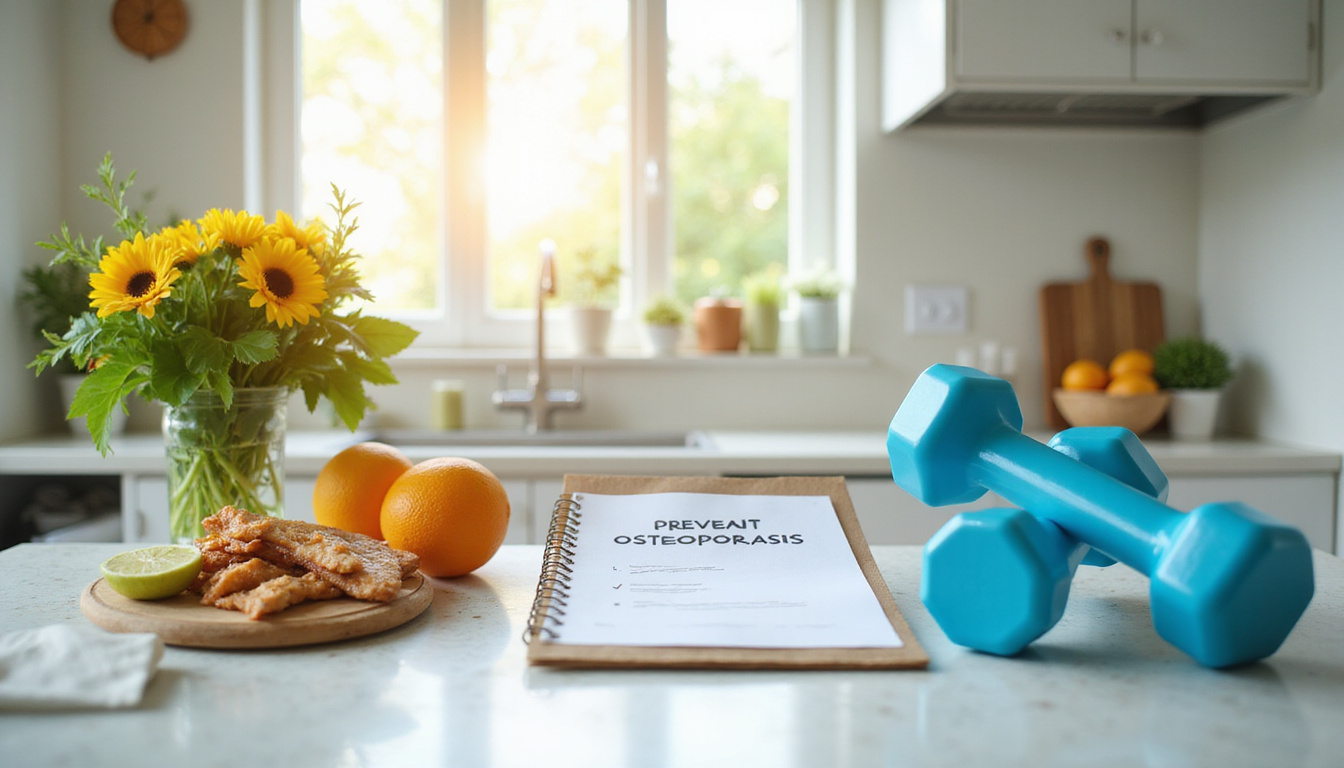
When to Talk to Your Healthcare Provider About Osteoporosis
Call your doctor if you:
• Have begun perimenopause and have not discussed bone health.
• Notice unexplained height loss or posture changes.
• Break a bone from a minor fall.
• Have a strong family history of osteoporosis or fragile bones.
• Use medications long-term that may lower bone density.
Your healthcare provider may suggest a bone density test (DXA scan) to check your bones. The National Institutes of Health site gives more on osteoporosis (source: https://www.niams.nih.gov/health-topics/osteoporosis).
How a Joint & Muscle Support Supplement Can Fit Into Your Plan
Food, movement, and lifestyle are the base. Still, many perimenopausal women choose extra supplements to support joint comfort, muscle strength, and daily movement.
Remember: • Supplements cannot diagnose, treat, cure, or prevent any disease, including osteoporosis. • Quality is key. Choose products from facilities with high manufacturing standards and clear labels. • Talk with your healthcare provider about any new supplement, especially if you take other medications or have health issues.
A good joint and muscle support formula may help you move with ease and stick to your exercise routine. It can play a small part in keeping your bones strong for the long run.
Regenerix Gold: For Perimenopausal Women Who Refuse to Slow Down
Regenerix Gold
If you want to stay strong and mobile during perimenopause and beyond, now is the time to listen to your body. You aim to work well, secure your income, avoid high medical bills from injuries, and enjoy your life—not just survive.
Regenerix Gold is a premium joint and muscle support supplement for adults who need healthy, comfortable movement as they age. For perimenopausal women who balance work, family, caring for parents, and shifting hormones, joint comfort and muscle strength are vital.
Keep in mind: Regenerix Gold does not diagnose, treat, cure, or prevent any disease (including osteoporosis). It may be a smart addition if you already eat well, move regularly, and discuss bone health with your healthcare provider. Choosing a quality supplement is a forward-looking decision that protects your mobility and independence—especially when you know how a single fracture can cost in work time, medical bills, and stress.
If you see yourself as the woman who plans ahead while others ignore the signs, talk to your doctor about whether Regenerix Gold fits your joint and muscle support plan. Caring for your body now is a wise move for your freedom, finances, and future.
FAQ: Osteoporosis and Perimenopause
-
What are the early signs of osteoporosis in perimenopausal women?
Your body may show gradual height loss, changes in posture, unexplained mid-back pain, reduced grip strength, or minor fractures from small falls. Because osteoporosis stays low-key, it is important to discuss bone health with your doctor during perimenopause. -
How can I prevent osteoporosis naturally during perimenopause?
Regular weight-bearing and strength exercises, a diet rich in calcium, vitamin D, protein, and magnesium, avoiding smoking, cutting alcohol, and getting plenty of sleep and stress relief can help. These habits do not guarantee you will never get osteoporosis, but they form the core of preventing it. -
Are supplements helpful for osteoporosis prevention in perimenopause?
Supplements can fill in nutritional gaps and support your joints and muscles. They are not a substitute for medical care and cannot prevent or treat osteoporosis. It is best to consult your doctor about using supplements like calcium, vitamin D, or joint and muscle formulas (such as Regenerix Gold) that work for you.
This rewrite follows a dependency grammar approach. Each subject stays close to its verb. Short, clear phrases and simple connections help you read and understand the text with ease.
Health Note
Always consult a licensed medical doctor for your health issues.
Special Discount
If you prefer preventive nutrition to minimize expensive knee surgery and potentially addictive pharmaceuticals, Regenerix Gold is your savvy solution.
You qualify for a special discount.
Simply use the link below and a discount will automatically be applied during checkout.
Get Regenerix Gold => HERE


