

If you have a patellar dislocation, your knee feels off. You may worry it will never work well again. This happens especially if you play sports or have a hard job in Singapore. Walking downhill, climbing HDB stairs, rising from an MRT seat, or squatting to pick up an object can feel risky.
This guide tells athletes and active people in Singapore what to know about recovering from a patellar dislocation. It lists local care options and ways to keep your knees strong over time.
What Is a Patellar Dislocation?
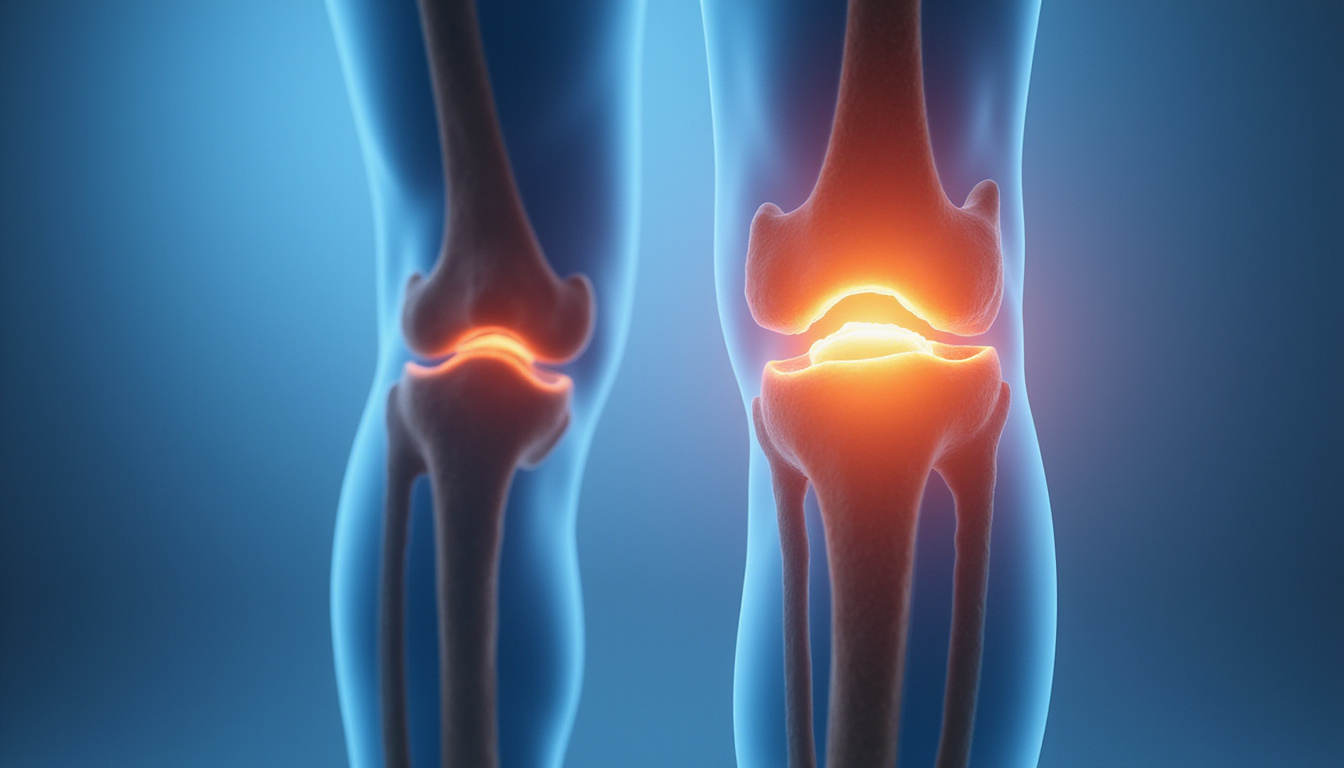
A patellar dislocation means your kneecap shifts from its groove on the front of the thigh bone. A twist, sudden direction change (for example, in football, basketball, or netball), a direct hit to the knee, or an awkward landing can cause it. Weak or unbalanced thigh and hip muscles add risk.
Patients report that their knee feels unstable. They also feel pain when bending or straightening, notice swelling and stiffness, and struggle with stairs, squats, or running. A skilled professional in Singapore must check for ligament or cartilage injuries. They will then help you return safely to sport.
1. Respect the First 2–4 Weeks: Protection Without Over-Resting
In the first few weeks after your dislocation, careful steps are key.
Your early goals are to protect your knee, ease pain and swelling, and keep safe movement. Your doctor or physiotherapist may suggest a brace or taping to guide the patella. They might also recommend short-term crutch use and gentle, pain-free bending and straightening.
Do not push through sharp pain. Over-rest leads to stiffness and muscle loss, while too much strain can slow recovery.
2. Restore Full, Comfortable Range of Motion
Many people settle with a stiff knee. Moving with ease is important for normal walking, climbing stairs, squats, and sports moves.
Under professional guidance, you will do heel slides on your bed, gentle cycling with low resistance, and slowly increase your bending angle. The plan is to move the knee often and within a safe, pain-free range. Slow and frequent beats forceful and rare.
3. Make Quadriceps Strength a Non-Negotiable Priority
Your quadriceps, mostly the inner VMO, help the patella track well. After a dislocation, your injured thigh can feel thinner. Your knee may wobble when you walk or climb stairs. You may also have trouble straightening your knee against weight.
You may do exercises like:
• Static quads: Tighten your thigh with a straight leg
• Straight-leg raises: Lift your straight leg while lying down
• Short-arc leg extensions: Use a small range of motion while sitting
As you recover, add step-ups, squats, lunges, and sport-specific moves.
4. Don’t Ignore the Hips and Core
Many focus on the knee only. Yet, your hips and core affect the kneecap too.
Weak hips and core can let your knee collapse inward during running, jumping, or landing. This increases twisting of the patella and a feeling of instability.
Strengthen your hip abductors, hip external rotators, and core with moves like planks, dead bugs, and bridges. A strong hip and core will absorb shocks and guide your knee.
5. Gradual Return to Sport: Follow a Clear Progression
Many Singaporean athletes rush back to sport because of school, work, or team pressure. A step-by-step plan reduces the risk of another dislocation.
A typical progression, set by your provider, is as follows:
- Pain-free walking on flat ground
- Using stairs up and down without extra help
- Low-impact cardio such as cycling, elliptical, or brisk walking
- Jogging on flat ground and then moving to intervals
- Drills with cutting, pivoting, and jumping
- Non-contact team training
- Full training and then competition
If swelling, instability, or sharp pain returns at any stage, slow down and speak to your healthcare provider.
6. Common Knee Care Options in Singapore
Following a patellar dislocation, many care options exist in Singapore. The best choice depends on your injury, its severity, and your goals.
MOH-Licensed Medical Doctors
• They are often the first to see an acute injury.
• They order X-rays or MRI scans and refer you for rehab or specialist care.
• They may prescribe pain and inflammation medicine.
Orthopaedic Specialists
• They focus on bones, joints, ligaments, and tendons.
• They check for severe issues like ligament or cartilage damage and recurrent dislocations.
• They may suggest bracing, injections, or surgery if needed.
Licensed Traditional Chinese Medicine (TCM) Practitioners
• They offer acupuncture, herbal formulas, and manual techniques.
• Some use TCM alongside conventional care.
• Always inform your TCM and medical doctors about all treatments you use.
Standard Physiotherapy (Primarily Exercise-Based)
• This common path uses exercise therapy, manual therapy, taping, and education.
• It builds safe load progression, corrects movement, and lowers recurrence risk.
Non-Licensed Providers
• These include some fitness trainers, massage services, or alternative wellness providers.
• They may offer general strengthening, stretching, or soft tissue work.
• Use them to complement, not replace, licensed care.
• If you have knee instability or a dislocation history, seek professional advice if symptoms worsen.
7. Non-Invasive Technology-Based Options
In Singapore, some seek non-surgical ways to ease knee pain and aid recovery after a patellar dislocation. These options usually work with exercise and clinical advice.
Shockwave Therapy
• Shockwave therapy is well known in Singapore, even in some public hospitals.
• It is offered as part of licensed physiotherapy or medical services.
• It uses focused acoustic waves on target areas.
• It can work with or without other exercise therapies.
For example, some clinics use these methods:
https://thepainreliefpractice.com
Shockwave therapy is considered when soft-tissue pain persists. A licensed professional must evaluate if it is right for you.
Hotheal Therapy (Radiofrequency-Based Deep Tissue Heating)
• Hotheal therapy uses radiofrequency energy for deep tissue heating.
• It aims to treat a broader area below the skin.
• Users often feel quick comfort and warmth.
Some services in Singapore even offer this option for home use.
https://physiolife.com.sg
Like other treatments, pair it with movement, strengthening, and professional oversight.
8. Medical Oversight, Cost & Convenience in Singapore
When you plan your recovery, consider these common factors in Singapore:
• Medical oversight:
– A MOH-licensed doctor or physiotherapist can track progress.
– They help you know when to push forward and when to ease back.
• Cost:
– Public polyclinics and restructured hospitals cost less but may have long waits.
– Private clinics give faster access and flexible timings but charge more.
– Check if your insurance or corporate plan covers some services.
• Convenience:
– If you work long hours or care for others, choose options with weekend or evening slots.
– Consistent treatment matters more than intense sessions.
9. Nutrition & Long-Term Support for Knee Health
Even after your dislocation heals, many athletes in Singapore worry about a return. They ask, “Will I hurt my knee during futsal or basketball?” or “Will my knee give way at work?” They also worry about high hospital bills.
Along with exercise and proper care, nutrition can support healthy joints and muscles. Researchers, like those at the U.S. National Institutes of Health, say that protein, vitamins, and minerals support muscle and tissue health (source: U.S. NIH Office of Dietary Supplements, https://ods.od.nih.gov).
Regenerix Gold: Nutrition-Based Support for Active Knees
For strong knees that support an active life, some choose Regenerix Gold. This nutritional supplement is not a medicine. It helps maintain joint and muscle function as part of your healthy lifestyle. Doctors and physical therapists have recommended it for over a decade. It does not claim to diagnose, treat, cure, or prevent any disease.
If you are an athlete or active person in Singapore who:
• Wants to keep training without knee problems
• Fears high costs from more severe interventions
• Needs to stay fit for work or sports
…then adding a joint-and-muscle-support supplement like Regenerix Gold may be a smart move. It is a small step compared to the potential cost of long work absences, repeated doctor visits, or lost sporting opportunities.
Regenerix Gold
Always talk with a healthcare professional before you start any supplement, especially if you take other medication or have health issues.
FAQ: Patellar Dislocation & Knee Support
1. How long does it take to recover from a patellar dislocation?
Recovery time varies. Some athletes return to light sports in a few months with guided rehab. Others take longer, especially if there is more damage or repeated dislocations. A licensed provider in Singapore can give you a timeline that fits your case.
2. Can I prevent another patellar dislocation?
You cannot guarantee prevention. However, you can reduce your risk. Strengthen your quadriceps, hips, and core. Improve your landing technique and manage your training load. Some also use nutrition to support joint and muscle health.
3. Is walking OK after a patellar dislocation?
Often, controlled walking is safe once pain and swelling drop and your provider clears you. You might start with a brace or taping, short distances, and flat surfaces. If walking brings sharp pain, instability, or swelling, talk to a professional.
Bringing It All Together
A patellar dislocation does not end your active life in Singapore. You can use early protection, steady motion, and smart strengthening of your quadriceps, hips, and core to recover. Local care options and high-tech treatments can help when needed. Long-term nutrition and support, like a supplement such as Regenerix Gold, add extra safety to your recovery plan.
If you plan ahead, value your health, and want to avoid the stress of more serious knee troubles, consider Regenerix Gold. It is a small, proactive step compared with the cost of long breaks, extra medical visits, or lost time in sports and work.
Special Discount
If you prefer preventive nutrition to minimize expensive knee surgery and potentially addictive pharmaceuticals, Regenerix Gold is your savvy solution.
You qualify for a special discount.
Simply use the link below and a discount will automatically be applied during checkout.
Get Regenerix Gold => HERE

