
pickleball massage secrets to relieve pain, prevent injury, and improve performance
by Zestora on Jan 10, 2026

If you log long court hours, you may need pickleball massage. It can link you to pain‑free dinking. You fight paddle elbow, tight calves, or a sore lower back. Smart bodywork makes you feel looser, move faster, and recover better. This lets you rack wins instead of injuries.
This guide speaks to American Picklers. You feel your joints and muscles complain. Yet you still want to compete in rec play, leagues, and tournaments.
Why Picklers’ bodies take a beating
Pickleball seems simple from the stands. Your body knows the real load:
• You stop and go constantly.
• You shuffle laterally with speed.
• You reach for overhead shots.
• You repeat your swings.
• You stop hard on rough surfaces.
Over time, you may feel:
• Achy knees after long play.
• Sore or stiff shoulders from overheads and drives.
• Elbow and forearm discomfort from dinks, resets, and serves.
• Tight hips, hamstrings, and calves from lunges and split steps.
• General stiffness that lasts into the next day.
Most Picklers try to fix these issues with:
• A quick stretch in the parking lot.
• Occasional ice or heat.
• Some over‑the‑counter relief.
When you aim to raise your rating and lower your pain, you need a proactive plan. Here, pickleball massage and good joint nutrition help.
What is “pickleball massage” really?
You will not find a special “pickleball massage” license. However, you do see massage strategies that meet your on‑court moves.
View pickleball massage as focused bodywork. It works on:
• The muscle groups you use most.
• The joints that take many loads.
• Restoring movement patterns for quick reactions and smooth swings.
A massage therapist may use these techniques:
• Sports massage – quick, focused work to prep muscles and help recovery around matches or tournaments.
• Trigger point work – pressing on tight spots that pass tension to the arm, glutes, hips, and calves.
• Myofascial release – slow, steady pressure frees stiff areas so you move better.
• Assisted stretching – affecting hip flexors, hamstrings, quads, calves, chest, and shoulders.
You can also work on these yourself by using balls, rollers, or self‑massage techniques between games or at home.
Key areas every Pickler should massage
1. Forearm and elbow: your dinking engine
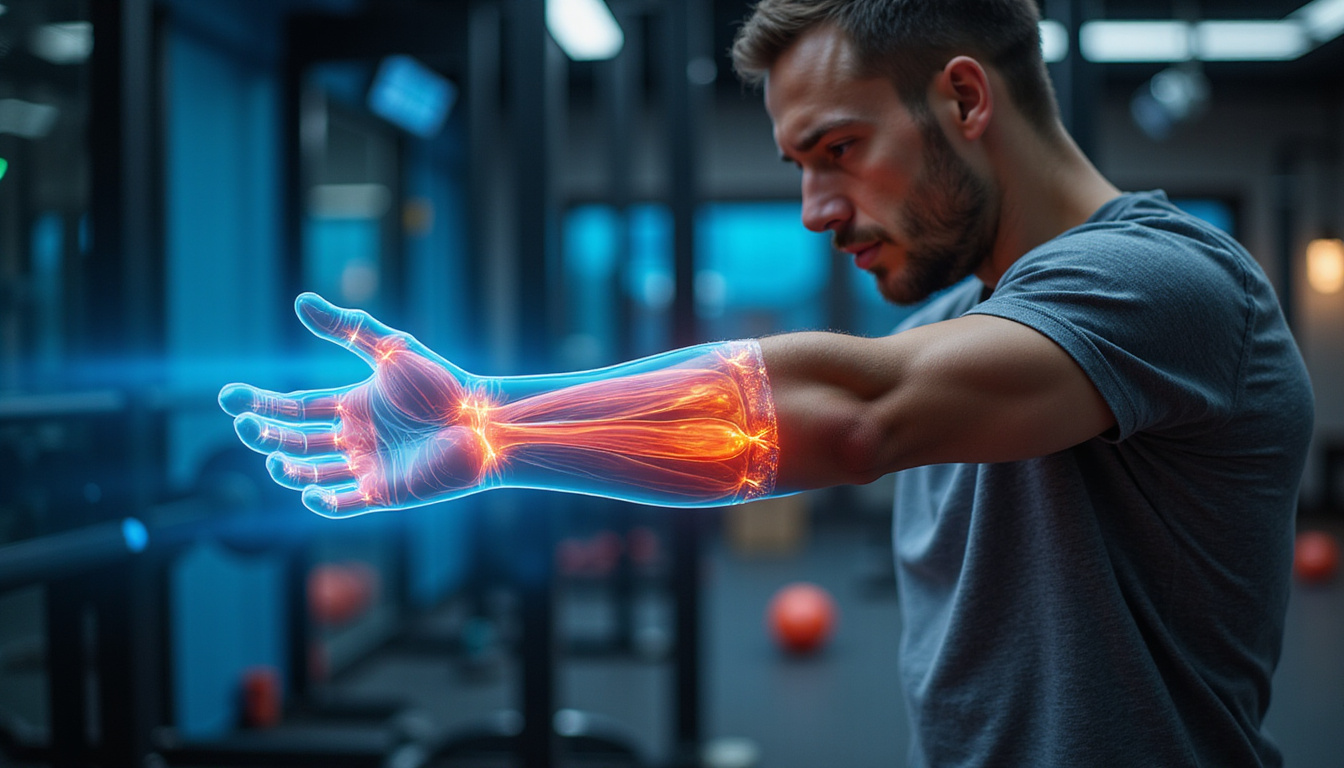
Dinks, resets, drives, and serves repeat stress on your forearm muscles. Over time, they tighten and stress your elbow. This makes paddle control hard.
Try this quick forearm self‑massage:
• Rest your forearm on your thigh, palm up.
• Press gently with your other hand’s thumb into the meaty part.
• Move from below the elbow toward the wrist to find tender spots.
• Hold gentle pressure on a sore point for 10–20 seconds while you slowly flex and extend your wrist.
• Flip your arm, palm down, and repeat on the top side.
Do this before you play, after you play, or between games when you feel your grip droop.
2. Shoulders: overheads, drives, and resets
Your shoulders take heavy work from:
• Overheads and rolling topspin drives.
• Reaching for lobs and cross‑court dinks.
• Repetitive serve motions.
Tight front‑of‑shoulder and chest muscles pull the shoulder forward. They steal power and comfort from your stroke.
Try these shoulder and chest massage ideas:
• Press a lacrosse ball against a wall on your chest, just below the collarbone, and roll slowly.
• Gently massage the back of your shoulder and upper back near the shoulder blade with your opposite hand or a massage tool.
• Follow this with light arm swings and shoulder circles to wake up the joint.
3. Hips and glutes: your base at the kitchen
Your strong, low stance at the kitchen line needs mobile hips and strong glutes. When these tighten:
• You stand too tall, lose balance, and pop the ball up.
• Your back and knees take extra strain.
Try this simple hip and glute release:
• Sit on a firm ball (like a lacrosse ball) under one side of your glutes.
• Roll slowly until you find a tender spot.
• Hold there while you slowly move your leg (cross ankle over knee or extend then bend) for 20–30 seconds.
• Switch sides once done.
4. Quads, hamstrings, and calves: your movement engine
Split steps, quick pushes, and lunges make your legs work hard. Tight quads, hamstrings, and calves may:
• Slow your first-step speed.
• Make stops and changes of direction harder.
• Keep you sore for days after tournaments.
Try this DIY leg massage:
• Use a foam roller on quads (the front of your thigh), hamstrings (the back), the IT band area (outer thigh), and calves.
• Keep pressure light. You should not hold your breath.
• Roll slowly, pause on sore spots, and breathe.
5. Lower back: the “complainer” after long sessions
A stiff lower back often follows long sessions or many days of play. Lower back massage alone does not fix all issues. Work on hips, glutes, and hamstrings too. Yet gentle back work helps muscles relax so your posture feels natural.
Try this gentle approach:
• Lie on your back with a small ball or soft roller under one side of your lower back (avoid the spine).
• Gently move side‑to‑side while staying in comfort.
• Limit this to 1–2 minutes and follow up with hip and glute work.
When to use pickleball massage in your weekly routine
You do not need a spa membership for good bodywork. Think of these three times:
-
Pre‑match “activation” (5–10 minutes)
• A light, quick massage wakes up muscles like forearms, calves, and hips.
• Then do a dynamic warm‑up: leg swings, arm circles, and light side shuffles. -
Post‑play “recovery” (10–15 minutes)
• A slower, deeper massage or foam rolling helps the areas that worked hard.
• Pair this with gentle stretching for hips, calves, hamstrings, and chest. -
Off‑day “maintenance” (15–20 minutes)
• Use thorough foam rolling and self‑massage.
• Focus on areas that always feel tight.
• Do 2–3 sessions per week if you play a lot.
How massage can help Picklers: what it does (and doesn’t) do
Research shows that massage helps by:
• Easing muscle tension and soreness temporarily.
• Increasing range of motion and flexibility.
• Reducing stress and promoting relaxation, which may boost performance.
A review in the Journal of Athletic Training found that massage helps reduce delayed muscle soreness and improve flexibility (source: National Library of Medicine).
But massage does not:
• Cure or treat specific medical conditions.
• Replace a medical evaluation if pain persists or is severe.
• Work alone; it must join smart training, rest, and good nutrition.
Supporting healthy joints and muscles from the inside: Regenerix Gold
Massage works from the outside in. Still, Picklers playing several times a week need to care about what they ingest.
Regenerix Gold is a nutrition‑based supplement that supports healthy joints and muscles. It is:
• Recommended by doctors and physical therapists who work with active adults and athletes.
• Used for over a decade with positive global feedback.
• A way to keep your joints and muscles ready for regular play, travel tournaments, and long ladder sessions.
While massage works on the surface, nutrition works from the inside out. Many Picklers combine:
• Regular self‑massage,
• A smart warm‑up and cool‑down, and
• A joint‑support supplement like Regenerix Gold
This mix helps them play extra hours and sign up for more events.
Important: As with any supplement, Regenerix Gold is not meant to diagnose, treat, cure, or prevent any disease. If you take medication, are pregnant, nursing, or have health concerns, talk with your healthcare provider before you start any new supplement.
Simple weekly routine: combine pickleball massage & joint nutrition
Here is a sample routine for an eager Pickler:
-
On play days
• Do 5–10 minutes of dynamic warm‑up with a light massage for forearms and calves.
• After play, spend 10–15 minutes foam rolling or massaging legs, hips, and shoulders.
• Take Regenerix Gold daily as directed to support joint and muscle health. -
On rest or light days
• Spend 15–20 minutes on deeper self‑massage for tight areas.
• Do gentle mobility work such as hip circles and shoulder drills.
• Keep taking Regenerix Gold to support your joints. -
Each month
• Consider one session of professional sports massage if possible.
• Check which areas feel tight and update your self‑massage routine.
Regenerix Gold
FAQ: pickleball massage and joint support
-
Is pickleball massage good for elbow and arm discomfort?
Pickleball massage eases tension in the forearm muscles that stress the elbow. When combined with good technique, enough rest, and joint‑supporting nutrition like Regenerix Gold, many players feel more secure during heated kitchen battles. If pain is severe or lasts long, get advice from a healthcare professional. -
How often should I get a massage if I play pickleball 3–5 times a week?
If you play regularly, try some form of pickleball massage 2–3 times per week. This mix can include self‑massage at home and occasional professional sports massage. Daily light massage before and after play is fine if it feels comfortable and does not irritate you. -
Can massage and supplements help my pickleball performance?
Massage builds flexibility, comfort, and body awareness. This can lead to better footwork, smoother swings, and more on‑court confidence. Nutrition supplements like Regenerix Gold support joint and muscle health. They provide the raw materials your body needs for regular play. They do not replace proper coaching, rest, or medical care. Together, they form a smart, performance‑oriented routine.
Ready to play smarter, not sorer?
Many Picklers wait until pain forces them aside. The players who stay on court win rec games, perform in leagues, and travel for tournaments. They invest early in:
• Smart warm‑ups and cool‑downs,
• Regular pickleball‑focused massage, and
• Nutrition choices that support healthy joints and muscles.
If you want to compete hard while others nurse aches, add Regenerix Gold to your routine alongside these massage tips. This nutrition‑based option comes with doctor‑and PT‑recommendations. It has been trusted internationally for over a decade.
Pick up a bottle and see how your body feels in the next few weeks. In a world where medical care and lost work can cost much, smart self‑care keeps you on the court, not in the waiting room.
https://youtu.be/mGrH5UWFxUs?si=X9bScbG6dvejGkZf
Health Note
Always consult a licensed medical doctor for your health issues.
Special Discount
If you prefer preventive nutrition to minimize expensive knee surgery and potentially addictive pharmaceuticals, Regenerix Gold is your savvy solution.
You qualify for a special discount.
Simply use the link below and a discount will automatically be applied during checkout.
Get Regenerix Gold => HERE


