

For many dedicated movers, Pilates for pelvic pain marks a turning point. Rolling like a ball, bridging, and other moves once felt strong and free. Now, they may feel guarded, braced, or even painful. If you practice Pilates in America and face groin tightness, pelvic heaviness, a sacral grip, or a deep “mystery” discomfort near the pubic or sit-bone area, you are not alone. With the right approach, Pilates can retrain your core, restore balance, and ease long-term pelvic pain.
Important: The information below is educational only and does not replace personalized medical advice, diagnosis, or treatment. Always consult your healthcare professional before changing your movement or supplement routine.
Understanding Pelvic Discomfort in a Pilates Body
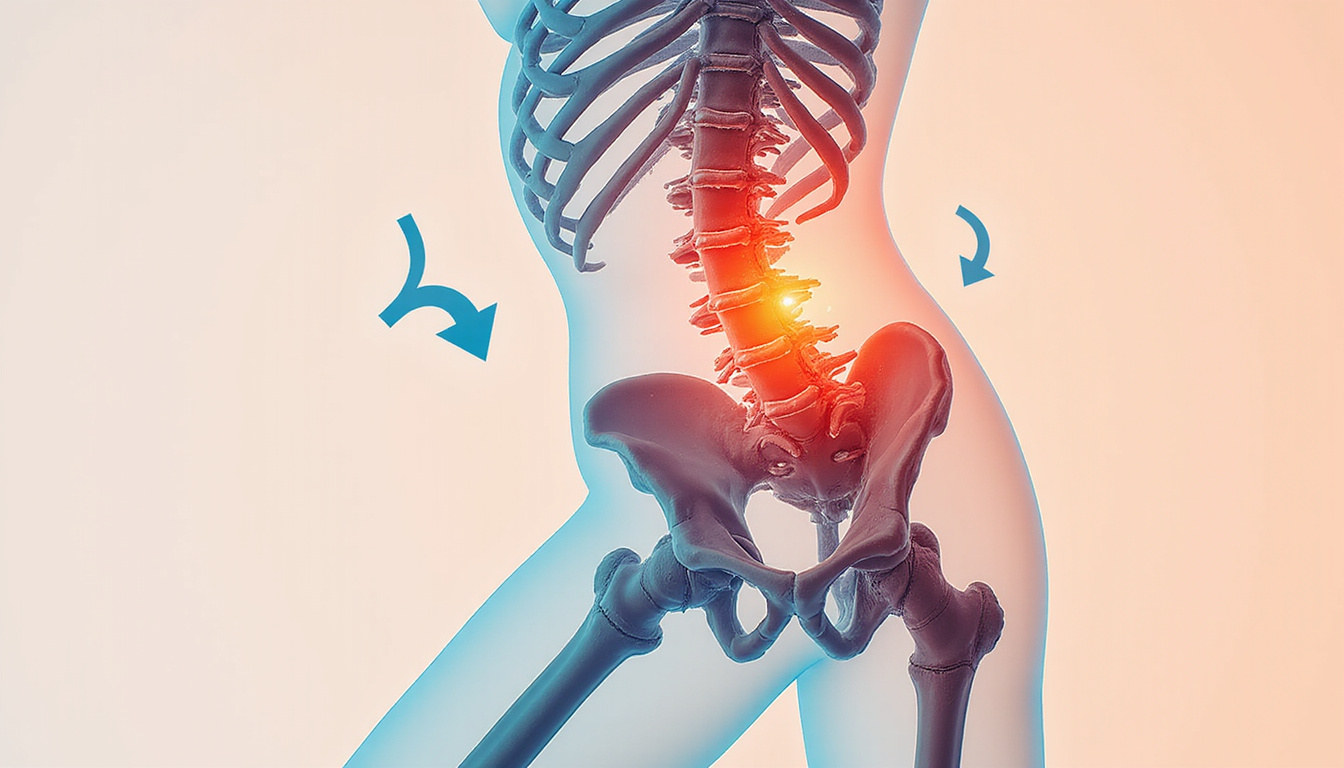
In Pilates, we talk about the powerhouse. It is a 360° support system made of abdominals, diaphragm, pelvic floor, multifidi, and glutes. When one of these parts works too hard or too little, the pelvis suffers and becomes the “complaint department.”
Common experiences Pilates practitioners report:
- Gripping in the glutes during bridging
- A deep ache at the sit bones after teaser or open leg rocker
- A pinch in the front of the hips during supine leg circles
- Pelvic heaviness or pulling during roll up or rollover regressions
- A sense that “neutral pelvis” is hard to find or keep
Pelvic discomfort is not only from “weak” or “tight” muscles. Often, it comes from:
- Coordination issues in the deep core
- Breath patterns that lock or collapse the pelvic floor
- Habitual bracing — especially in styles that use “abs in, ribs down”
- Load management: thinking of how much, how often, and how intense you train
A thoughtful approach to Pilates for pelvic pain can help. It does so by shifting focus from performance goals (like harder teasers or a deeper C-curve) to a training style that honors the nervous system and joints.
Why Pilates Can Help Pelvic Discomfort (When Done Strategically)
When taught with care, Pilates can help by:
- Improving awareness of pelvic alignment. It is not a rigid “neutral” but can adapt.
- Rebalancing the muscles of the inner and outer hips.
- Integrating the pelvic floor with the entire core, rather than isolating it.
- Encouraging ribcage mobility and better breath mechanics.
- Building strength around the hips and pelvis without heavy loads.
Key features make Pilates a smart choice:
-
Low-impact loading
Most mat and reformer work is gentle on the joints. This is ideal if the pelvis is sensitive to jumping, running, or heavy lifting. -
Precise cueing
Experienced practitioners know to fine-tune cues like ASIS alignment, sacral imprint, and femur glide. This helps retrain pelvic mechanics with care. -
Breath-focused control
Focusing on lateral breathing and controlled exhalation, Pilates can slow down the nervous system and ease tension patterns.
Research supports the value of core-focused training for pelvic comfort and function (source: National Institutes of Health).
Core Principles Before You Start Pilates for Pelvic Pain
Before you add or change exercises, build these foundations:
1. Soften the “Brace All Day” Mentality
Many Pilates practitioners hold a semi-permanent mini-teaser stance. Their low ribs knot down, and the pelvic floor stays subtly clenched. Over time, this may cause:
- Hip flexor overuse
- A tucked tailbone and sacral stress
- Pelvic floor fatigue and tension
Allow for dynamic stability instead of 24/7 bracing. The support you need should move with your breath, not act like a locked corset.
2. Rethink “Neutral Pelvis” as a Range, Not a Shape
Rather than chasing a single perfect neutral position with the ASIS and pubic bone in strict alignment, explore a small, comfortable arc. This arc lies between a gentle posterior tilt and a mild anterior tilt. This “neutral zone” helps:
- Decompress the sacrum
- Free the hip joints
- Reduce gripping in the glutes and inner thighs
3. Build from Breath and Awareness, Not Ego
If you have pelvic discomfort, now is not the time to push for advanced moves on the mat or a challenging reformer routine. Honor regressions, use props, and focus on:
- Pelvic awareness
- Symmetry and control over range
- Moving without pain
Gentle Mat-Based Pilates Sequence for Pelvic Discomfort
Use this sample Pilates for pelvic pain routine as a starting template. Do these exercises on a mat with support (a folded towel for your head or a soft pad under your sacrum can help). Stay within a pain-free range. If an exercise makes you feel worse, skip it or back off.
1. 360° Breath with Pelvic Awareness
- Position: Lie on your back. Bend your knees with your feet at hip width. Rest your hands on your lower ribs.
- Inhale: Let your ribs widen sideways and press back into the mat.
- Exhale: Gently lift your pelvic floor (imagine sipping through a straw at the sit bones) and softly engage your waist.
- Avoid: Clamping your abs or tucking your tailbone too hard. Keep your movement subtle.
Do 8–10 cycles.
2. Pelvic Clock
- Imagine your pelvis as a clock face. The pubic bone is at 12, the tailbone at 6, and the ASIS points at 3 and 9.
- Slowly rock your pelvis toward each number. Keep your movement smooth and supported.
- Let your glutes stay soft and your breath natural.
Do 1–2 full laps around the clock.
3. Supported Marching (Dead Bug Prep)
- Lie on your back with your knees bent.
- Exhale: Lift one foot into a tabletop position without moving your pelvis or ribs.
- Inhale: Lower your foot with care.
- Alternate legs, and watch out for any hitch in your hips or deep pelvic pull.
Do 8–12 total reps.
4. Mini Bridge with Glute-Not-Grip
- Start in hooklying (lying on your back with your feet flat).
- Exhale: Engage your glutes and hamstrings to lift your sacrum just a little off the mat. This is a mini bridge, not a full high bridge.
- Inhale: Hold the position.
- Exhale: Slowly release, letting your spine lower one vertebra at a time.
Focus on:
- Keeping weight evenly on both feet
- Avoiding pinching at the front of the hips
- Letting the pelvic floor lift and release with the movement
Do 6–10 slow repetitions.
5. Side-Lying Clamshell with Pelvic Stacking
- Lie on your side with knees bent and your heels in line with your sit bones.
- Stack your ASIS and ribs. Imagine your pelvis as a bowl that holds water without spilling.
- Exhale: Raise your top knee to a comfortable height without letting your pelvis roll back.
- Inhale: Slowly lower the knee.
Do 8–12 reps on each side. Focus on keeping your pelvis and waist stable rather than on reaching a big range.
6. Quadruped Rock Back
- Get on all fours. Place your hands under your shoulders and your knees under your hips.
- Keep a spine that feels neutral-ish. Imagine a line from the top of your head to your tail.
- Exhale: Gently rock your hips back toward your heels without collapsing your lower back or tucking too hard.
- Inhale: Return to the starting position.
This movement gently mobilizes the hips and pelvis. Do 8–10 reps.
7. Modified Spine Stretch / Seated Pelvic Mobilization
- Sit on a yoga block or a folded blanket. This helps free your pelvis.
- Sit with your feet at hip width, with your knees soft. Place your hands on your thighs.
- Inhale: Sit tall through your sit bones and crown.
- Exhale: Gently roll your pelvis into a small posterior tilt, allowing a mild C-curve.
- Inhale: Return to a stacked position.
Do 6–8 reps. Focus on controlled pelvic motion rather than bending to the maximum.
Reformers, Chairs, and Barrels: Adapting Your Studio Practice
If you train with equipment, here is how to adapt Pilates for pelvic pain:
-
Reformer:
- Focus on footwork and supine arms in straps. Practice small-range bridging and short spine regressions. Avoid moves that increase pain.
- Instead of pushing with your lower back or gripping your groin, focus on feeling your femurs glide in the hip sockets.
-
Wunda Chair:
- Use seated leg presses with your hands on the frame for extra grounding.
- Avoid loaded teaser variations or high-demand pikes until your pelvis feels more stable.
-
Spine Corrector / Arc Barrel:
- Use gentle, supported hip flexor openers and work on thoracic extension. Avoid aggressive lumbar extension that may tug on the front of your pelvis.
Always talk with your instructor about your symptoms. A skilled instructor can adjust your session so that you are challenged without sacrificing pelvic comfort.
When to Pause, Modify, or Seek Professional Input
Even a good Pilates for pelvic pain routine has limits. Be extra cautious and see a healthcare professional if you notice:
- Sharp, sudden pelvic pain or pain that worsens with gentle movement
- Pain that interferes with daily tasks such as walking, sitting, or sleeping
- New concerns with bladder, bowel, or sexual function
- A visible imbalance, a pronounced lumbar shift, or being unable to load one leg
A pelvic-health specialist or physical therapist can work with your Pilates instructor. Together, they can design a safe, progressive plan that meets your needs.
Supporting Joints and Muscles from the Inside Out
Alongside smart training, many Pilates practitioners focus on recovery habits. They pay attention to hydration, sleep, nutrition, and, when needed, supplements that support joint and muscle health.
Within U.S. legal and safety guidelines:
- Dietary supplements are not meant to diagnose, treat, cure, or prevent any disease.
- They may support normal joint, cartilage, and muscle structure and function when taken as directed and with a healthy lifestyle.
Always:
- Read labels carefully.
- Look for third-party testing when possible.
- Talk with your healthcare provider before starting any new supplement, especially if you are pregnant, nursing, on medication, or managing health conditions.
For many serious movers, this inside-out approach—regular training plus supportive nutrition and mindful supplementation—helps them stay on the mat and avoid costly doctor visits.
FAQ: Pilates and Pelvic Region Discomfort
1. Is Pilates good for pelvic tension and deep hip discomfort?
Yes, Pilates can be very helpful for pelvic tension and deep hip discomfort when practiced gently. Focusing on the powerhouse, controlled movement, and low-impact loading helps you explore range, build strength, and improve coordination without high-impact forces. If some exercises worsen your symptoms, modify them with help from a knowledgeable instructor or consult a healthcare professional.
2. How often should I do Pilates for pelvic floor and pelvic pain support?
For most practitioners, 2–4 sessions per week of focused Pilates for pelvic pain work is a good target. Short, regular sessions of 15–30 minutes often work better than occasional long workouts, especially if your system is sensitive. Adding daily micro-practices like the pelvic clock, 360° breathing, or gentle bridges can reinforce better muscle patterns.
3. Can Pilates aggravate pelvic discomfort if done incorrectly?
Yes. Over-cueing to “tuck the tailbone,” using extreme imprinting, doing aggressive ab work, or pushing through pain can aggravate your pelvis. Moves like the big rollover, high scissors, full teaser, or loaded pikes may be too intense until your pelvic region grows stronger. That is why working within a pain-free range and adjusting with an informed instructor is crucial.
Why Savvy Pilates Practitioners Choose Regenerix Gold
If you are committed to your practice, you know that missing sessions due to joint or muscle discomfort can be costly. There are missed sessions, extra fees, lost work time, and the worry of whether your body can keep up with your life and career. Serious Pilates practitioners plan ahead.
A smart, proactive supplement strategy can help. Regenerix Gold is recommended for those who want to support healthy joints and muscles. This keeps you practicing, protects your livelihood, and lets you live at your highest level—not just "getting by."
Regenerix Gold
When you choose well-designed support for your joints and muscles, you show that you value your body as the high-performance asset it is. Instead of waiting for discomfort to sideline you and for medical bills to rise, you invest in staying strong, mobile, and ready for whatever your life—and your Pilates instructor—brings.
Discuss with your healthcare provider if a joint and muscle support supplement like Regenerix Gold fits into your routine. Then, combine it with a personalized Pilates for pelvic pain program, smart recovery, and the discipline you already bring to the studio. This is how you move away from guarding and worry, and towards rolling, bridging, and living with confidence and control.
Health Note
Always consult a licensed medical doctor for your health issues.
Special Discount
If you prefer preventive nutrition to minimize expensive knee surgery and potentially addictive pharmaceuticals, Regenerix Gold is your savvy solution.
You qualify for a special discount.
Simply use the link below and a discount will automatically be applied during checkout.
Get Regenerix Gold => HERE


