

If you feel constant pain at the front of your knee, the plica may be to blame.
Your knee may feel “catchy,” tight, or sore when you use stairs. It may hurt when you stand up, squat, lunge, or kneel. This pain can make you feel old and worry about work, hobbies, or daily life.
This guide explains plica syndrome in plain words. It then shows 7 proven, practical fixes that many people in America use to ease knee pain and support healthy joints and muscles—all without claiming there is a magic cure.
What is plica syndrome, in “real person” language?
Inside your knee, thin tissue folds exist. These are called plicae. They usually lie quiet. However, repeated bending, kneeling, squatting, or impact can irritate a plica, and it may get thicker. Once irritated, the plica rubs against the bones and the back of the kneecap. That rubbing creates plica syndrome.
People often say:
- “I feel a sharp pinch when I bend my knee.”
- “It feels like a tight band or it catches when I straighten my leg.”
- “Kneeling hurts, but my X-ray looks normal.”
The common signs of plica irritation include:
- Pain along the inner or front knee
- Soreness with stairs, hills, or low chairs
- Clicking, catching, or a “snap” feeling
- Tenderness when you press along the inner kneecap
Only a licensed healthcare professional can check your knee and rule out more serious issues. But you can begin smart, evidence-based steps right now to care for your knee.
1. Dial down the overload: respect the pain line
In plica syndrome or any front-knee irritation, doing too much too fast stresses the joint.
You do not need to stop moving. Total rest may even stiffen your knee. The key is to stay below your pain line.
A rule many physical therapists trust is:
- While active: Let the knee pain be 3/10 or less. Think of the pain as “annoying” rather than “sharp.”
- After activity: Let your knee return to normal within 24 hours.
If your knee throbs, swells, or feels stiff the next day, you likely overdid your activity.
Try these ways to ease the load:
- Shorten your walking or standing time, especially on hard floors.
- Do fewer deep squats, lunges, and kneeling moves.
- Avoid sudden increases in running, sports, or gym work.
- Use the elevator instead of long flights of stairs while your knee heals.
You are not “babying” your knee. You are giving the plica and nearby tissues a chance to settle.
2. Use smart ice and heat for plica irritation
When your knee feels hot, swollen, or irritated after activity, cold and heat can help.
Ice (cold packs) works best when the knee feels hot, swollen, or extra irritated.
• Use ice for 10–15 minutes at a time. Use a thin cloth between your skin and the ice. Use the pack 2–3 times daily after heavy activity.
Heat (warm compresses) works best when your knee feels stiff or “rusty.”
• Use heat for 10–15 minutes before gentle exercise or stretching. Avoid heavy heat if your knee is swollen.
Ice and heat do not cure plica syndrome. They only help you move easier during your rehab.
3. Strengthen the right muscles: your natural knee braces
Weak thigh and hip muscles add extra stress on your front knee. Over time, that extra strain may worsen the plica irritation.
Build supportive strength without increasing pain. Here are some simple moves:
a) Quad sets (front thigh wake-up)
• Sit with your leg straight and tighten the muscle on top of your thigh.
• Pretend you push the back of your knee down into the bed or floor.
• Hold for 5 seconds, then relax.
• Repeat 10–15 times for 2–3 sets.
b) Straight leg raises
• Lie on your back. Bend one knee and keep your other leg straight.
• Tighten the thigh of the straight leg.
• Slowly lift it 12–18 inches, then lower it with control.
• Do 10–12 reps for 2–3 sets. Only exercise if your pain stays low.
c) Side-lying leg lifts (hip support)
• Lie on your side with your bottom knee bent and your top leg straight.
• Lift the top leg upward and slightly back.
• Do not twist your torso.
• Do 10–15 reps for 2–3 sets.
d) Mini-squats to chair
• Stand in front of a chair.
• Push your hips back as if you will sit down. Bend your knees a bit but do not go deep.
• Lightly tap the chair, then stand up.
• Keep your knees tracking over your feet.
• Do 8–10 reps for 2–3 sets.
These exercises, done many times, can help offload the front knee and allow comfortable walking, climbing, or daily movement.
If a move causes sharp, catching pain, stop it and talk with a professional.
4. Optimize the way your knee moves: form fixes that matter
How you use your knee matters as much as how much you use it. Small form changes help reduce front-knee stress.
Stairs:
• Use a handrail.
• Lead with your better leg when going up. When going down, lead with the more painful leg if needed.
• Step fully on the stair instead of only using your toes.
Standing from a chair:
• Place your feet slightly back.
• Lean forward from your hips and use your glutes to stand.
• Do not let your knees go far past your toes.
Walking:
• Wear good shoes with support. Do not wear worn-out shoes.
• Aim for a natural stride instead of shuffling.
• If your knee struggles downhill, take shorter steps and slow down.
Kneeling or floor tasks:
• Use a thick pad or cushion.
• Try half-kneeling—one knee down, one knee up—instead of both knees.
• Take mini-breaks to straighten your knee.
Repeated, these small changes can ease your symptoms.
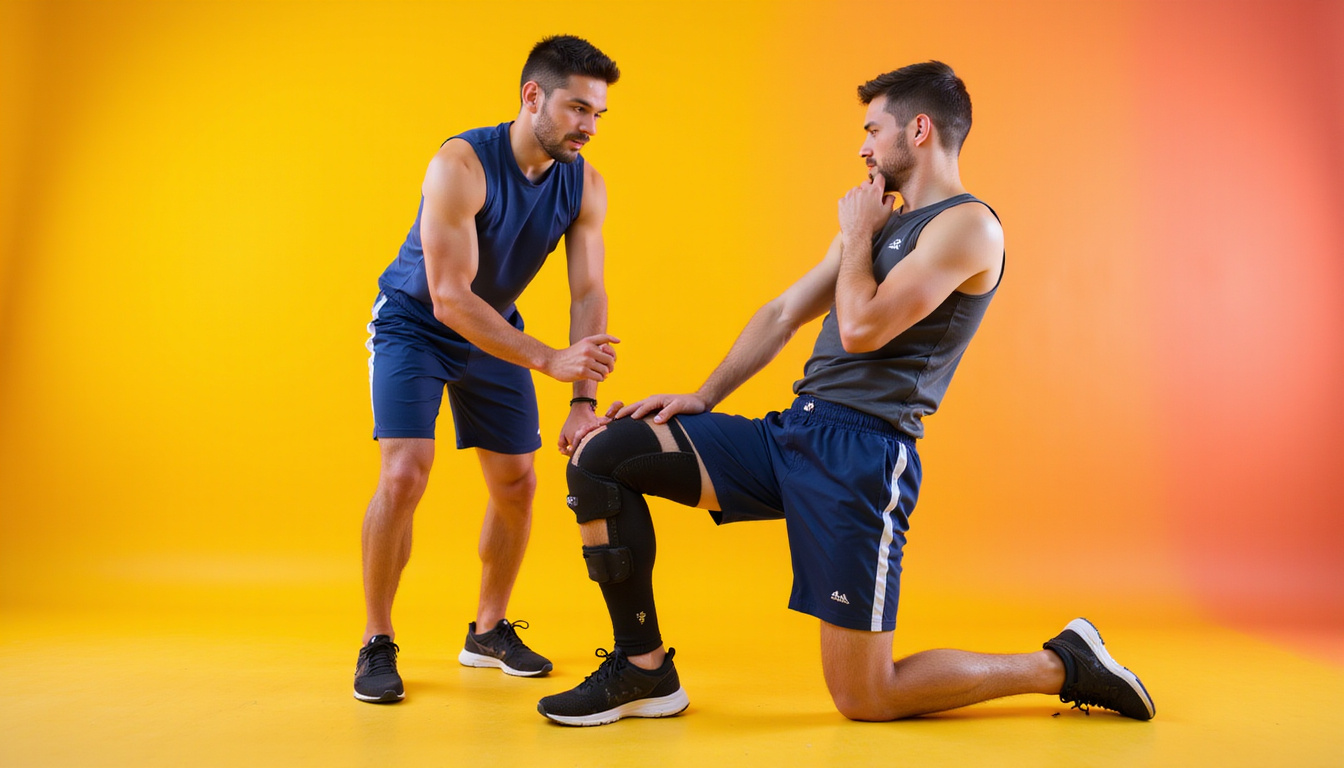
5. Supportive tools: braces, taping, and footwear
Simple tools can ease daily knee challenges for many people with plica syndrome.
Consider these options and discuss them with a professional:
• A soft knee sleeve provides gentle warmth and awareness that can calm irritation during walking or standing.
• A patellar strap or small brace may help shift pressure away from the irritated area.
• Kinesiology taping, used by some physical therapists, may guide movement and reduce a “catchy” feeling around the kneecap.
• Supportive footwear with good cushioning reduces the stress that travels up to the knee when you stand or walk for long hours.
These supports will not fix plica syndrome by themselves. However, when combined with load management, strengthening, and smart movement, they can be very useful.
6. Nourish your joints from the inside: Regenerix Gold
Along with exercise and proper movement, many people in America ask how nutrition can support their knees.
Regenerix Gold is a nutritional supplement for those who want healthy knee joints and muscles.
It is not a drug. It does not diagnose, treat, cure, or prevent any disease.
Instead, it gives your joint and muscle tissues nutrients that they need each day.
Key points about Regenerix Gold:
• Nutrition-first approach
It supports joint comfort and muscle function from the inside out while you follow your daily routine.
• Recommended by doctors and physical therapists
Many professionals suggest it as part of a joint-care plan that includes exercise, weight management, and proper movement.
• Proven track record
It has helped users internationally for over a decade. Many users with busy work and family lives have found support in it.
• Made for everyday active people
Whether you stand at work, chase your grandchildren, do home projects, or keep up a walking habit, support from within can be an important part of self-care.
As with any supplement, read labels carefully and discuss it with your healthcare provider if you have any health concerns or take medications.
Regenerix Gold
7. Know when to get your knee checked in person
Even if you suspect plica syndrome, do not rely on self-diagnosis. See a licensed medical provider or physical therapist if:
• Your knee feels very swollen, hot, or red.
• You cannot fully straighten or bend your knee.
• You feel your knee giving way, locking, or buckling.
• Pain worsens over weeks despite your efforts.
• You have had a fall, twist, or direct blow to the knee.
A professional will do a hands-on exam and might order imaging to rule out other issues. Their guidance can make your home care plan more effective.
For more background on knee structures and overuse pain, check resources like the American Academy of Orthopaedic Surgeons at https://orthoinfo.aaos.org.
Putting it all together: a simple daily plan
Here is how you might combine these 7 strategies into your daily routine:
-
Respect your pain line
Adjust walking, standing, stairs, and workouts so pain stays under 3/10. 2. Use ice or gentle heat
Apply ice after heavy use or heat before exercise if your knee feels stiff. -
Do your strengthening routine
Spend 10–15 minutes daily on exercises for your quads, hips, and functional moves. -
Fix your form
Practice better movement with stairs, standing, and walking. -
Use supports if they help
Consider a knee sleeve, brace, taping, or supportive shoes when on your feet for long hours. -
Support your joints nutritionally
Consider adding Regenerix Gold to your joint-care routine—after talking to your provider if needed. -
Check with a professional when needed
Especially if you see no improvement or if red-flag symptoms appear.
FAQ: plica syndrome and knee pain
-
How do I know if my knee pain comes from plica syndrome or something else?
You cannot tell for sure on your own. Plica irritation often shows as pain in the front or inner knee, catching, or tenderness along the inner kneecap when you bend or climb stairs. Other issues can feel similar. A licensed healthcare provider can examine your knee and explain your symptoms. -
Can plica syndrome improve with exercise and home care?
Many people see improvement with activity changes, targeted strengthening, good movement habits, and supportive measures. There is no single cure, and it may take weeks or months of consistent care. The key is to keep your knee below your pain line. -
Are there supplements that help with plica syndrome knee discomfort?
No supplement can claim to treat or cure plica syndrome. However, some people choose joint-support supplements to help maintain healthy knees and muscles. Regenerix Gold is one option recommended by some doctors and physical therapists as part of a nutrition-based approach. It has been used internationally for over a decade with positive reviews.
Ready to try something proactive for your knees?
Living with plica syndrome pain can make you feel old and troubled about the future—missed workdays, medical bills, or the worry of not keeping up with family and responsibilities.
You do not have to simply “live with it.” You can:
• Adjust how you move so your knee stops hurting.
• Build strength in the muscles that support your joint.
• Use supportive tools to help you get through long days on your feet.
• Add a nutrition-based solution like Regenerix Gold to support healthy knee joints and muscles from within.
If you want to be the person at work or in your family who takes charge of joint health before things worsen, consider getting a bottle of Regenerix Gold and putting these 7 fixes into practice. Compared to the cost and stress of more intensive care in the future, this is a small step toward moving with more comfort and confidence.
Health Note
Always consult a licensed medical doctor for your health issues.
Special Discount
If you prefer preventive nutrition to minimize expensive knee surgery and potentially addictive pharmaceuticals, Regenerix Gold is your savvy solution.
You qualify for a special discount.
Simply use the link below and a discount will automatically be applied during checkout.
Get Regenerix Gold => HERE


