
PRP therapy: Revolutionary Natural Healing for Joint Pain and Hair Loss
by Zestora on Dec 23, 2025

If you think about your knees a lot, you know they feel stiff when you wake.
They ache after you climb stairs.
They grind when you squat.
You may have heard the term PRP therapy.
A friend at the gym may swear by it, or your orthopedic doctor may mention it as a “natural” option.
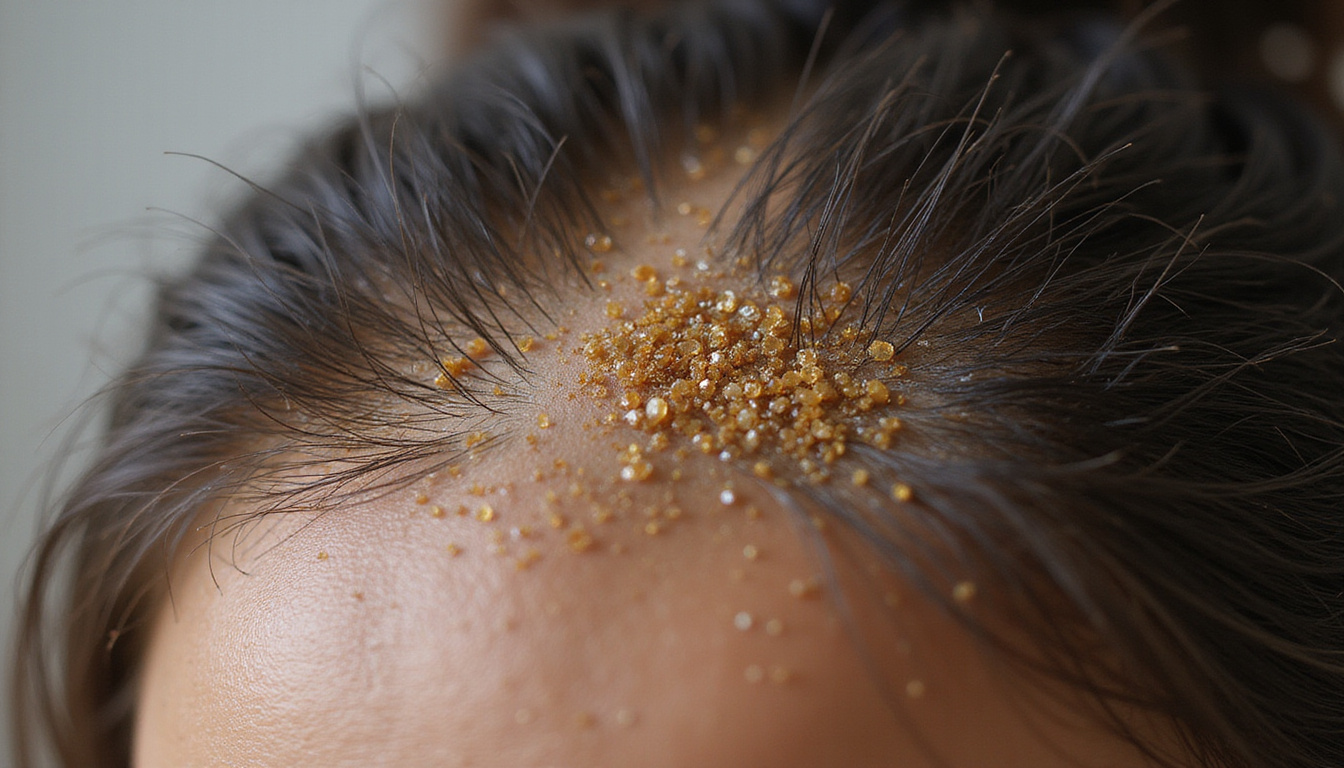
At the same time, you may have seen PRP used for thinning hair and receding hairlines.
This guide explains what PRP is, shows how it works for joints and hair, sets realistic expectations, and suggests how a nutrition-based option like Regenerix Gold can help your knees along with other treatments.
What Is PRP Therapy?
Platelet-Rich Plasma therapy uses a concentrated part of your own blood.
The idea is simple:
- A small amount of your blood is drawn.
- The blood spins in a centrifuge to separate platelets from other parts.
- The platelet-rich part gets injected into a target area such as a knee or your scalp.
Platelets help with blood clotting.
They also carry growth factors and proteins that signal your body to repair itself (source: American Academy of Orthopaedic Surgeons).
Because your own blood is used and no foreign drug is added, many consider PRP a natural or biologic option.
How PRP Therapy Is Used for Joint Pain
If your knees hurt often, you have likely tried ice packs, pain relievers, a knee brace, or physical therapy.
For some, PRP therapy acts as an extra tool.
What Happens During a PRP Knee Session?
When PRP is used for a knee, the process usually runs like this:
-
Consultation:
Your provider checks your history, asks about your pain (sharp, dull, catching, or grinding), and tests your range of motion and stability. -
Blood draw:
A small tube is used, similar to a routine lab test. -
Processing:
The blood spins to bring platelets together. -
Injection:
The PRP is injected in specific points in your knee.
Ultrasound may guide the injection closely. -
Post-procedure:
You may be told to avoid heavy activity for a short time and then slowly return to normal.
Some people feel a brief flare or fullness after the injection.
Over weeks or months, the knee may feel better if the PRP works.
What Can PRP Realistically Do for Knees?
Set your expectations clearly:
- PRP therapy does not instantly fix your knee pain.
- It may support your body’s repair process.
- Some report:
- Less stiffness when they stand.
- Reduced pain on waking.
- Easier walking over longer distances.
- Less crunching on stairs.
Results vary.
Some feel strong improvement.
Others feel mild change.
Some feel little or no difference.
PRP for Hair Loss and Thinning
Many clinics also use PRP for hair.
It is used by dermatologists and aesthetic professionals.
How It Works on the Scalp
- PRP is injected into areas with thinning hair.
- The goal is to expose hair follicles to growth factors.
- This may support a healthier hair cycle and increase thickness in some cases.
Keep in mind:
- PRP is not a guaranteed fix for a full head of hair.
- In some people, it may help hair look fuller or slow thinning as part of a broader hair care plan.
PRP Therapy: Pros and Cons for People with Knee Problems
If you face knee pain—burning after long walks, aching after yard work, or throbbing at night—PRP therapy may sound promising.
Here is a clear look at benefits and drawbacks.
Potential Benefits
-
Uses your own blood:
No foreign drugs are added. -
Targets problem areas:
It focuses on spots that hurt. -
May reduce pain pill use:
Some people can rely less on pain medications. -
Helps movement:
Many report smoother motion and better function over time.
Limitations and Considerations
-
Not a guaranteed fix:
Your response may vary.
Some people feel better, while others feel little change. -
Cost:
Insurance often does not cover it, and sessions can be expensive. -
Multiple treatments:
Clinics may suggest a series of injections. -
Downtime:
Heavy exercise may be limited for a while.
PRP therapy may be one tool among many.
Experts often combine it with strength work, stretching, weight management, and good joint nutrition.
Why Nutrition Still Matters: Supporting Your Knees from the Inside
Your knees need daily nourishment to stay healthy and strong.
Many people in America face knee stress when they:
- Stand all day at work.
- Walk on concrete floors.
- Drive long distances.
- Carry kids or heavy loads.
- Return to exercise after a long break.
In time, you may feel:
- A grinding or “sandpaper” feeling under the kneecap.
- Tightness behind the knee when you straighten fully.
- Sharp twinges when twisting or pivoting.
- Throbbing after a long day on your feet.
A nutrition plan helps provide the building blocks your knee needs.
It supports:
- Joint comfort.
- Muscle function.
- Healthy cartilage and connective tissue.
- Overall mobility.
This is where a supplement like Regenerix Gold enters the picture.
Regenerix Gold: A Nutrition-Based Ally for Healthy Knees and Muscles
PRP therapy is a clinical procedure.
In contrast, Regenerix Gold is a nutrition-based solution you can use daily at home to support joint and muscle health.
What Sets Regenerix Gold Apart?
-
Formulated for joints and muscles:
It is made for people who want strong knee joints and muscle support around weight-bearing areas. -
Doctor and physical therapist recommended:
Many professionals add it to a joint-care plan that includes movement, stretching, and sound exercise. -
Used for over a decade:
It has helped people worldwide manage everyday knee discomfort. -
Nutrition-focused:
It works from the inside and complements approaches like physical therapy, exercise, or PRP therapy.
Regenerix Gold does not promise to “fix” your knees.
It supports your body’s natural joint and muscle health.
This is important for safe and responsible care in America.
It is not a drug, not a disease treatment, and not a substitute for medical care.
How Regenerix Gold Can Complement PRP Therapy
If you consider PRP therapy—or you already have it—you may wonder how a supplement can help.
Think of it this way:
- PRP therapy gives a focused boost at one spot (like an injection in your knee).
- Regenerix Gold gives steady support by supplying daily nutrients for your joints and muscles.
With your health care provider’s guidance, you might combine approaches:
-
Consult a clinician:
Discuss if PRP therapy fits you. -
Strengthen and stretch:
Follow a knee-friendly exercise plan from a physical therapist. -
Support with nutrition:
Use a supplement like Regenerix Gold to nurture your joints daily. -
Listen to your knees:
Adjust your activity, choose proper footwear, and avoid moves that cause sharp pain.
Practical Tips for Daily Knee Comfort
Whether you choose PRP therapy or not, small changes can ease knee stress every day:
- Wear shoes with good cushioning and support, especially on hard surfaces.
- Avoid sitting or standing in one position for too long; move at least once an hour.
- Strengthen your quadriceps, hamstrings, and glutes with guided exercises.
- Use handrails when using stairs if your knees feel weak.
- Maintain a healthy weight to reduce knee strain.
- Consider a daily supplement like Regenerix Gold for nutritional support of joints and muscles.
Video: Learn More About Regenerix Gold
Regenerix Gold
FAQ: PRP Therapy and Natural Joint Support
Q1: Is PRP therapy good for knee joint discomfort?
PRP therapy may support your body’s natural repair around the knee.
Some people feel less stiffness and more comfort; others notice only small changes.
It is best to ask an orthopedic specialist or sports medicine doctor who knows your situation.
Q2: How long does PRP joint therapy take to work?
Some people feel a short flare right after the injection.
Changes may occur gradually over several weeks.
Clinics often suggest waiting 2–3 months to see results or plan a series of treatments.
Your provider will guide you based on your results and goals.
Q3: Can I use PRP therapy and joint supplements together?
Yes, many people combine PRP therapy with lifestyle changes and nutrition support.
A supplement like Regenerix Gold supports healthy joints and muscles.
It may complement your physical therapy and any PRP treatments.
Always tell your healthcare provider about any supplements you take.
Take the Next Step: Be Proactive About Your Knees
If you plan your day around knee pain—avoiding stairs, skipping long walks, or worrying about your ability to work—doing nothing may cost you more in the long run:
- Missed workdays can cost money.
- Worrying about poor mobility can hurt job security.
- Medical bills may rise if knee pain grows worse.
Meeting with a qualified provider about options like PRP therapy is a way to act.
But you do not have to wait for an appointment to support your knees from the inside.
A well-designed, nutrition-based supplement like Regenerix Gold is trusted by doctors and physical therapists worldwide for over a decade.
It helps you invest in joint and muscle health now, so you may stay active, productive, and independent—avoiding future lost time, discomfort, and expensive treatments.
Consider a bottle of Regenerix Gold as a forward-thinking choice for your long-term mobility and financial peace of mind.
Health Note
Always consult a licensed medical doctor for your health issues.
Special Discount
If you prefer preventive nutrition to minimize expensive knee surgery and potentially addictive pharmaceuticals, Regenerix Gold is your savvy solution.
You qualify for a special discount.
Simply use the link below and a discount will automatically be applied during checkout.
Get Regenerix Gold => HERE


