

If you ride for many hours, you feel the niggling pain. That pain can break a dream ride into a long grind. For many American cyclists, discomfort called sciatica shows as burning, tingling, or shooting signals from the low back through the glutes and down the leg. Even if you never had a test, you know that “electric shock” when you unclip at a red light or feel a dull ache on the ride home.
This guide gives simple stretches and lifestyle fixes. It fits a cyclist’s life of long rides, tight hip flexors, strong quads, and too much sitting off the bike.
Why Cyclists Are So Prone to Sciatica-Like Discomfort
On the bike, you keep a flexed hip position many hours. This pose can overwork your hip flexors, lock up the glutes and piriformis, and load the lower back if your core does not hold you. All these factors irritate the tissues near the sciatic nerve. They create a burning, zinging, or numb feeling along one leg.
Cycling brings common causes such as:
- Aggressive saddle-to-bar drop: You reach too far and drop low. This move forces your low back into stress.
- Too high a saddle: Your hips rock with every pedal stroke. This rock makes the glutes and hamstrings tight.
- Weak core and glutes: A lazy core makes your lumbar spine and hamstrings fight every pedal.
- Desk job + training hours: Too much sitting compresses and irritates the tissue around the sciatic nerve.
You do not need to quit riding. A few targeted stretches and smart lifestyle changes can give more room and ease to your low back, hips, and legs.
Foundations First: Safe Approach to Sciatica-Like Pain
Before you add any stretching routine, follow these steps:
- Respect pain. Mild stretch or pull is fine, but sharp or growing pain is not.
- Build gradually. Add one or two new habits at a time so you see what works.
- Get help if pain lasts or gets worse. If you find weakness, numbness, or problems with daily tasks, see a professional immediately.
These low-tech, cyclist-friendly tips support joint and muscle ease. They do not replace individual medical care.
Simple Stretches for Sciatica-Type Symptoms (Cyclist Edition)
Aim to do these routines 4–5 days a week. It is best to stretch after rides when your muscles are warm or after a hot shower. Move slowly, breathe deep, and never bounce.
1. Piriformis / Figure-4 Stretch
Many cyclists feel a tight piriformis that presses on the sciatic nerve.
How to do it (on your back):
- Lie on your back; bend your knees and put your feet flat.
- Cross your right ankle over your left knee like a figure-4.
- Grab the back of your left thigh and pull it gently toward your chest.
- Keep your right knee pointed out; do not let it cave in.
- Hold for 20–30 seconds. Then switch sides.
Target: Outer glutes and deep hip rotators.
2. Seated Figure-4 (Good for Post-Ride or at the Office)
- Sit straight on a firm chair; keep your feet flat.
- Cross your right ankle over your left knee.
- Hinge gently forward from your hips. Keep your back straight.
- Stop when you feel a stretch in your right glute and hip. Do not feel pain.
- Hold for 20–30 seconds and then switch sides.
Do this between Zoom calls or when you return from a ride.
3. Hamstring Stretch That Won’t Tug Your Back
Tight hamstrings pull on your pelvis and strain your lower back.
- Stand facing a low step or sturdy box.
- Rest your right heel on the step. Keep your leg straight but not locked.
- With a neutral back, hinge from your hips and bring your chest toward your thigh.
- When you feel a gentle pull behind the leg, hold for 20–30 seconds.
- Do not round your back. Then switch sides.
4. Hip Flexor Lunge (To Ease the Bike Position)
Cyclists stay in hip flexion. Open your hips to ease pressure on the lumbar area.
- Kneel on your left knee. Place your right foot in front with the knee at 90°.
- Shift your body forward until you feel a stretch at the front of your left hip.
- Keep your torso upright; do not let your lower back collapse.
- Hold for 20–30 seconds and then switch legs.
You may lift your arm on the same side as your back leg overhead to deepen the stretch.
5. Child’s Pose for Lower-Back Decompression
- Kneel on the floor with your big toes touching and knees apart.
- Sit back on your heels. Walk your hands forward and lower your chest to the floor.
- Let your forehead rest on the mat or a pillow.
- Breathe into your belly and sides for 30–60 seconds.
This pose gently lengthens the muscles along your spine and calms your nerves after hard rides.
Core and Glute Strength: Your Best “Anti-Sciatica” Armor
When you ride, your core and glutes must stabilize you so your spine does not catch every pedal stroke. A weak core means more strain on the lumbar spine and hamstrings, which leads to more pain.
Key strength areas:
- Deep core: The transverse abdominis and obliques support your spine.
- Glute max and med: These muscles give power and steady your hips.
- Hip rotators: They manage inside and outside turning. This reduces strain on the piriformis and nearby tissue.
Try this short off-bike routine 2–3 times per week.
-
Glute Bridge – 2–3 sets of 10–15 reps
Lie on your back with feet on the floor. Lift your hips until your shoulders, hips, and knees line up. Squeeze your glutes at the top and avoid arching your lower back. -
Side-Lying Clamshells – 2–3 sets of 12–15 reps per side
Lie on one side with knees bent and heels together. Open the top knee while keeping your hips aligned. This move works the glute med and stabilizes the hip. -
Dead Bug – 2–3 sets of 6–8 slow reps per side
Lie on your back with hips and knees at 90° and arms up. Slowly lower the opposite arm and leg toward the floor. Keep your lower back pressed gently into the mat. -
Bird Dog – 2–3 sets of 6–8 slow reps per side
On all fours, extend the opposite arm and leg. Keep your hips and shoulders level. Focus on control rather than height.
These moves, which take less than 15 minutes, help you hold a neutral and strong position on the bike. This may reduce irritation around the sciatic nerve.
Bike Fit Tweaks That Often Help Sciatica-Type Pain
A smart bike fit can mean the difference between a happy back and pain that stops your ride.
Check these areas:
-
Saddle height:
Your hips should stay level. If they rock side-to-side, your saddle is too high. This movement overloads the glutes and hamstrings. -
Saddle fore–aft:
If the saddle is too far back, your hamstrings and lower back get overloaded; too far forward makes you overreach and stresses your spine. -
Reach and drop:
Bars that are too low or far force you to hang off your lower back instead of using core support. -
Saddle type and tilt:
Some riders find relief with a wider or pressure-relieving saddle. A slight nose-down tilt (1–2 degrees) can help. Avoid an extreme nose-down tilt that dumps weight into your hands and shoulders.
If you face recurrent sciatica-like pain, a professional bike fit can be a smart investment.
Simple Lifestyle Fixes Off the Bike
Even with a perfect bike fit, off-bike habits can worsen sciatic discomfort.
-
Break Up Sitting Time
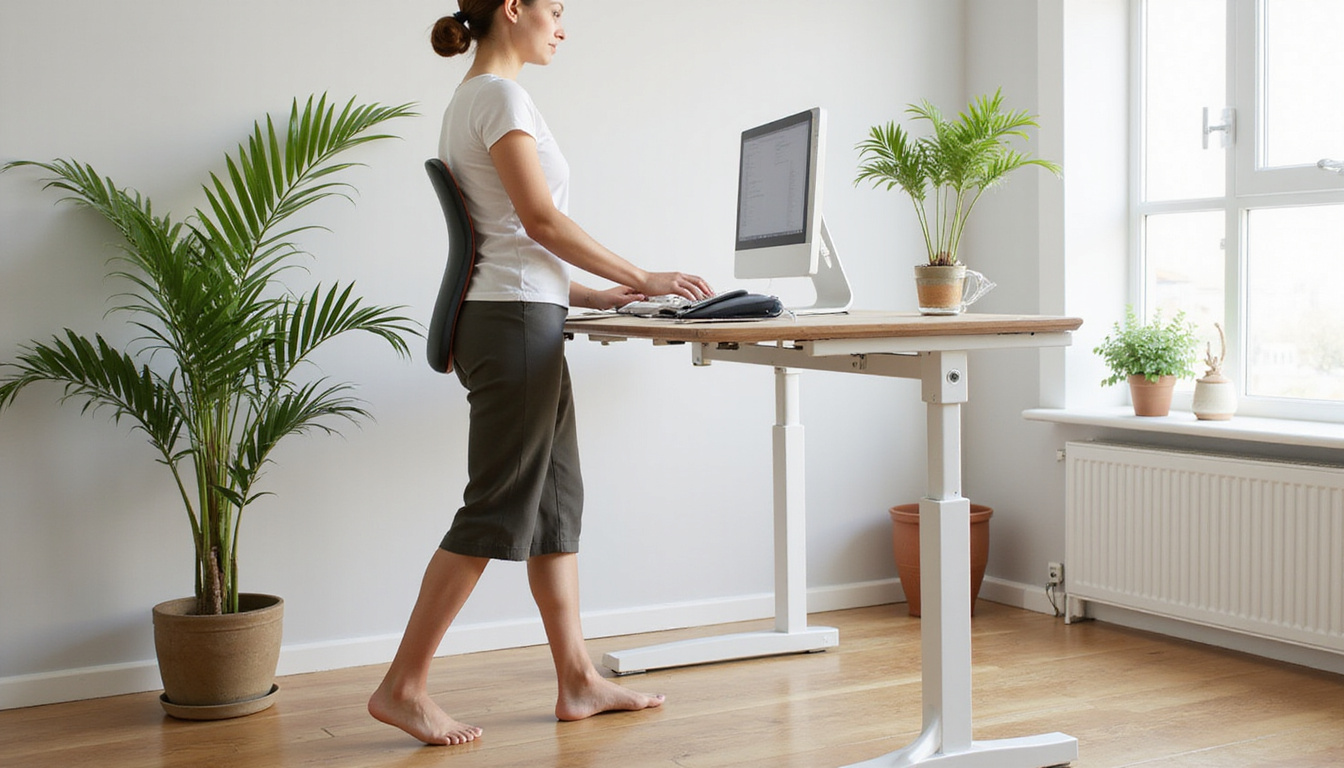
Long commutes and desk hours squeeze your hips and lower back. Stand or walk for 2–3 minutes every 30–45 minutes. Do a quick hip or hamstring stretch during breaks. Consider a sit–stand desk if you can. -
Treat Driving Like a Recovery Session
When you drive to races or group rides, adjust the seat so that your knees bend slightly and your hips do not stay fixed in flexion. Use a small lumbar support (a rolled towel or cushion) behind your lower back. Stop every 60–90 minutes to walk and stretch for 3–5 minutes. -
Sleep Positions That Help the Sciatic Area
- Side sleepers: Place a pillow between your knees to keep your hips aligned.
- Back sleepers: Use a small pillow under your knees to reduce lower-back tension.
Well-rested tissues work better and cope with training stress.
- Thoughtful Use of Heat, Cold, and Massage
Some riders use heat to relax tight muscles around the sciatic area. A warm shower or a low-setting heating pad can work well. Use cold packs after intense rides if the area feels irritated. Foam roll the glutes, hip flexors, and hamstrings to ease stiffness. Avoid harsh rolling over very sensitive spots.
Nutritional Support for Joints and Muscles
No supplement can “cure” sciatica. Still, many cyclists in America look for ways to support joint and muscle comfort when they put on the miles.
Studies suggest that certain nutrients and botanical ingredients help support healthy cartilage and connective tissue. They also help you manage the wear and tear from hard riding. (Source: National Institutes of Health, Office of Dietary Supplements – https://ods.od.nih.gov/)
Under FDA guidelines:
- Supplements can support normal joint structure and function.
- They must not be promoted as treatments, cures, or preventatives for any specific illness.
- Individual responses vary. Talk with your healthcare professional if you take other medications or have underlying issues.
Choose products from reputable manufacturers that follow good quality practices.
FAQs on Sciatica and Cycling
1. Can cycling cause sciatica?
Cycling does not cause sciatica directly. Long hours in a flexed position, tight hips, and a poor bike fit can work together to irritate the sciatic nerve. Many cyclists improve symptoms by adjusting saddle height and reach, stretching, and strengthening the core and glutes.
2. Is cycling good for sciatica-like pain?
Low- to moderate-intensity cycling in a comfortable, well-fitted position can be gentle on your joints. Easy spins help maintain movement and circulation. Stop if your pain increases and seek professional advice if needed.
3. What are the best stretches for sciatica from cycling?
Cyclists benefit from stretches that work the glutes, piriformis, hip flexors, and hamstrings. Good examples are the figure-4 stretches, gentle hamstring stretches (while keeping the back straight), hip flexor lunges, and child’s pose. Do these stretches 4–5 times per week and add core and glute strengthening for long-term relief.
Why Savvy Cyclists Choose Regenerix Gold for Joint and Muscle Support
Cycling is a lifelong sport when you care for your joints and muscles. In America, missing work or paying for repeated treatments is costly. Time off the bike can hurt your identity too.
That is why many serious riders choose a comprehensive, premium supplement for joint and muscle comfort. They support good training, a smart bike fit, and healthy habits along with a supplement.
Regenerix Gold is made to support:
- Healthy joint function for riders who ride hard.
- Comfortable muscles and connective tissues under repeated strain.
- Active lifestyles that do not slow down with age.
It is a choice for cyclists who invest in their bodies now rather than risk bigger costs and lost training time later. If you are the rider who reads research, pays attention to fit and recovery, and rides with passion for years to come, Regenerix Gold is one supplement to consider as part of your daily routine.
Ask your healthcare professional if Regenerix Gold fits your plan for joint and muscle support, and then decide if you are ready to ride with the cyclists who treat their body as their best equipment.
Regenerix Gold
Health Note
Always consult a licensed medical doctor for your health issues.
Special Discount
If you prefer preventive nutrition to minimize expensive knee surgery and potentially addictive pharmaceuticals, Regenerix Gold is your savvy solution.
You qualify for a special discount.
Simply use the link below and a discount will automatically be applied during checkout.
Get Regenerix Gold => HERE


