

If your knees nag, crack, or feel “iffy” when you bend, your squat form may be the culprit. Many in America who suffer from stiff knees, pain under the kneecap, or tightness at the front notice that a bad squat worsens the pain. When done right, squats can help your knees and legs grow stronger and more supported.
Below is a practical, knee‑friendly guide to squat form. It also shows how a nutrition-based supplement like Regenerix Gold can support knee joints and muscles as you build leg strength.
Why squat form matters so much for sore or touchy knees
When your squat form is off, your knees bear the load. You might feel:
• A sharp twinge at the knee front as you squat
• A “grinding” or sandy feel under the kneecap
• Swollen or “full” knees after leg day
• Stiffness around the kneecap that makes stairs or getting up tough
Bad squat form often comes with:
• Too much weight on your toes
• Knees falling inward (“knock-knee”)
• Hips rising too fast before the chest, so the knees take the load
• Relying on momentum instead of strong muscles
When you fix your squat form, you shift the work to your hips, glutes, and thighs. This keeps extra pressure away from your knees.
The knee‑friendly squat form checklist
Use this clear step‑by‑step guide each time you squat, whether you hold a dumbbell, barbell, or just your bodyweight.
1. Set your stance
• Keep your feet about shoulder‑width apart
• Turn your toes out slightly (10–30°) as your hips allow
• Balance your weight evenly on your whole foot (heel, big toe, little toe)
For crampy knees, choose a stance a bit wider than hip‑width and lean your toes out just a bit.
2. Brace your core first
Before bending, take these steps:
• Breathe in deeply and brace your midsection like you expect a poke
• Keep your ribs above your pelvis—do not arch your lower back
A firm core brace keeps your torso stable. This way, your knees do not have to work too hard.
3. Hips back, then knees bend
Think: “sit back, then down.”
• Send your hips back as if reaching for a chair
• Let your knees bend, tracking directly over your toes
• Keep your chest up. Do not let it fall forward
This hip-first rule uses your strong glutes and hamstrings and relieves the front of your knees.
4. Track your knees over your toes
For knee ease, make sure your knees:
• Face the same way as your toes
• Do not collapse inward
• Do not move forward until your heels lift
To check, glance down at your squat. Look to see if your kneecaps line up above your second or third toes. If they cave inward, gently press your knees apart as you stand.
5. Find the right depth for your knees
“Ass to grass” is not required, especially if your knees hurt.
Aim for the deepest pain‑free depth where you can:
• Keep your heels flat on the floor
• Maintain a straight back (no rounding)
• Control both the lowering and rising phases without bouncing
For many with sensitive knees, a “half squat” or “parallel squat” is best. As you gain strength and mobility, you may safely deepen your squat.
6. Drive through the whole foot on the way up
At the squat’s lowest point:
• Press the floor down through your heels and mid‑foot
• Squeeze your glutes as you stand tall
• Raise your chest and hips together (do not fold like a “good morning”)
If you feel your knees taking over, use less weight. Then focus on smooth, controlled movements so that your hips and knees share the load.
Common squat form mistakes that irritate knees
If your knees “bark” during or after leg day, check for these errors:
-
Heels lifting off the floor
• Often from tight ankles or leaning too far forward.
• Try squatting to a box or widening your stance slightly. -
Knees collapsing inward (“valgus collapse”)
• Common when your hips and glutes are weak.
• Focus on pressing the floor apart with your feet and pushing your knees out. -
Dropping too fast and bouncing at the bottom
• This “dive bomb” style shocks your knees.
• Slow the descent and pause briefly at the bottom. -
Squatting through pain to chase depth or ego
• Pain warns you to slow down.
• Stay in your pain‑free range and build up gradually. -
Letting the weight drift forward
• This stresses your knees and lower back.
• Keep the weight centered over your mid‑foot.
Fixing these details can change how your knees feel. You will notice better comfort when climbing stairs, standing up, or kneeling at home.
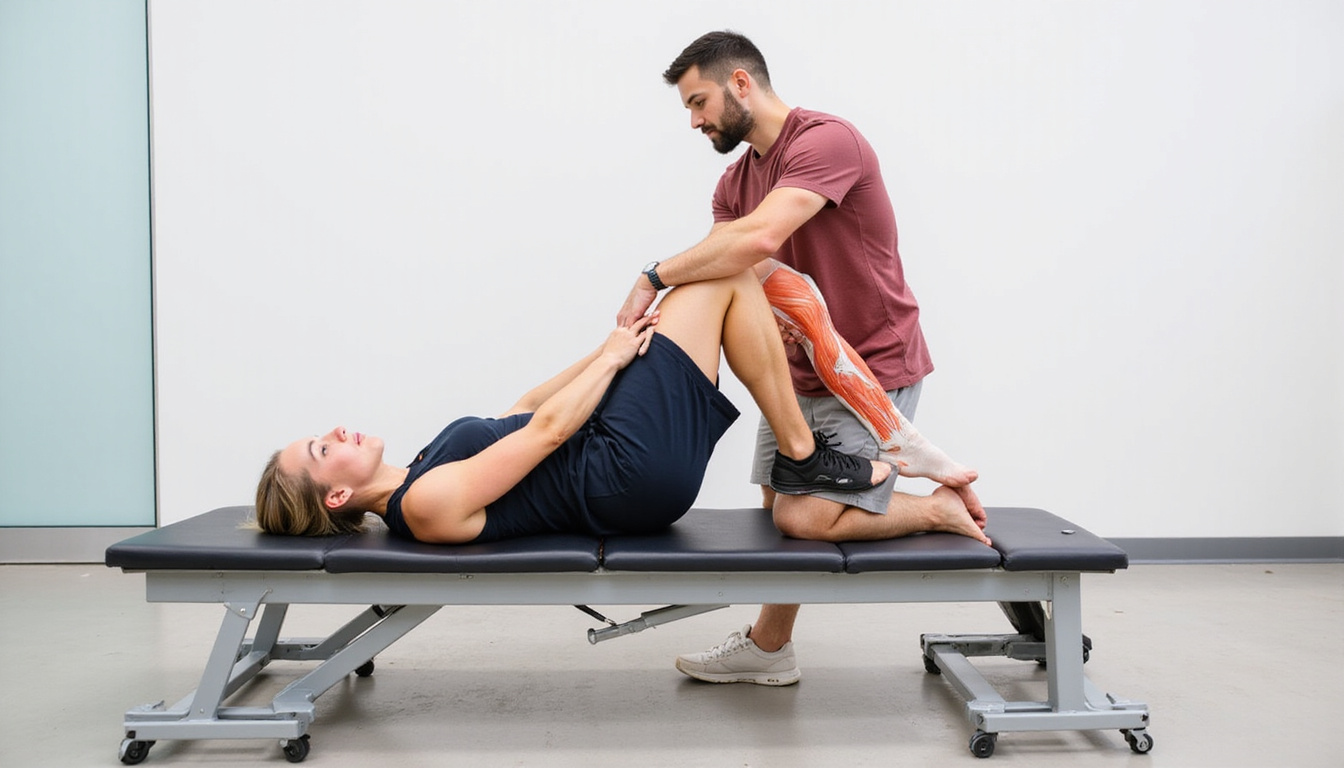
Accessory exercises that support better squat form and happier knees
Good squat form needs more than the squat alone. Supportive muscles and mobility work are key.
Helpful add-ons include:
• Glute bridges and hip thrusts – Build strong glutes to share the load.
• Wall sits – Build quad strength without heavy joint load.
• Step‑ups – Train single‑leg strength in a controlled way.
• Hamstring curls (with machines or bands) – Balance front and back thigh strength.
• Ankle mobility drills – Gentle calf stretches help your heels stay down.
By strengthening muscles around your knees and hips, your squat will feel smoother and more natural, not “all in the kneecaps.”
Nutrition and joint support: How Regenerix Gold fits in
Exercise and technique matter, and so does what you eat. Your diet plays a role in how your knees feel when you squat, lunge, or climb stairs.
Regenerix Gold is a nutrition-based supplement made for those who want to support healthy knee joints and muscles. It is not a drug or medical treatment. Instead, it gives nutritional help to the parts you use when you bend, squat, or stand.
Key points for Regenerix Gold:
• It is made for people who want to keep healthy joint function and mobility
• It supports muscle and joint comfort to help you stick with leg training
• It relies on nutrition—not a quick fix or substitute for medical care
• Doctors and physical therapists recommend it as part of a healthy lifestyle
• It has been used for over a decade with praise from users worldwide
When your squat form is steady and your muscles and joints get proper nutrition, everyday tasks—like standing, carrying groceries, or playing with family—feel more controlled and less tiring.
Regenerix Gold
How to combine better squat form with joint‑supporting habits
For the best knee and strength benefits, think about a full routine, not one exercise or product alone.
Try to integrate:
• Warm‑ups that wake your knees and hips
– 5–10 minutes of easy cycling, brisk walking, or elliptical work
– Light squats, leg swings, and hip circles
• Technique‑focused squat sessions
– Start with bodyweight or light weights
– Record your form from the side and front to check knee tracking
• Recovery routines
– Gentle stretches for quads, hamstrings, and calves
– Good sleep and hydration to aid recovery (source: NIH on physical activity and recovery)
• Consistent nutritional support
– A balanced diet with enough protein for muscle support
– Supplements like Regenerix Gold to help joints and muscles, guided by a healthcare professional if needed
Always talk with your doctor or a licensed health provider before starting a new supplement or making big changes to your exercise routine, especially if your knee pain is severe or worsening.
Simple squat form cues you can remember at the gym
When you lift, you don’t have time to read a long list. Remember these short cues:
• “Feet firm, knees over toes.”
• “Hips back, chest tall.”
• “Knees out, heels down.”
• “Slow down, control the bottom.”
• “Push the floor away, squeeze the glutes.”
Stick these cues on your water bottle or workout log until they become a habit. Soon, your body will move with the right form without extra thought, and your knees will thank you.
FAQ: Squat form and knee‑friendly training
Q1: What is the best squat form for bad knees?
For sensitive knees, the best squat form uses a slightly wider stance and a gentle toe-out. Use a shallow squat that feels comfortable. Keep your heels flat and your knees tracking over your toes (not caving in). Bodyweight box squats often work best. Pair them with joint‑support habits like healthy food and, if right for you, Regenerix Gold.
Q2: How do I know if my squat form is hurting my knees?
If your knees feel sharper, swollen, or unstable during or after squats, your form or weight may be off. When you squat safely, you will mostly feel work in the thighs and glutes, not sharp pain at the knee. Filming your squat or working with a coach can help you fix small issues. A nutrition-based plan, including supplements like Regenerix Gold, can also support your joints.
Q3: Can supplements fix my squat form or knee pain by themselves?
No supplement will replace proper squat form or sound training. Products like Regenerix Gold support healthy joints and muscles as part of a smart lifestyle. They are one tool in your plan, not a cure‑all.
Take action: protect your knees, build your strength, and stay ahead
If your knees are already tired, waiting will not help. Learning the proper squat form now builds strength for the long run. It can help you stay independent and keep up with daily tasks—like climbing stairs or long hours on your feet.
Pair strong squat technique with proper warm‑ups, the right training loads, and nutrition that supports your joints. This approach sets you apart from those who just “hope” their knees hold up. A long‑trusted supplement like Regenerix Gold can support your joint health while you build strength.
If you want to avoid future medical costs and keep doing the things you love, act now. Improve your squat form and consider Regenerix Gold. Experience how a nutrition‑based joint support plan lets you lift stronger, move better, and protect your knees for years to come.
Health Note
Always consult a licensed medical doctor for your health issues.
Special Discount
If you prefer preventive nutrition to minimize expensive knee surgery and potentially addictive pharmaceuticals, Regenerix Gold is your savvy solution.
You qualify for a special discount.
Simply use the link below and a discount will automatically be applied during checkout.
Get Regenerix Gold => HERE


