

Spending night after night in the sleeper makes your truck mattress not a luxury but equipment. A good truck mattress can flip your morning from tight, sore, and foggy to loose, sharp, and ready. If you drive long miles and feel muscle or joint pain, what you sleep on is as important as what you drive.
This guide shows you what to check, how to size it, and how to pick a setup that supports your back, hips, and shoulders while still saving space in the cab.
Why your truck mattress matters when you live in the seat
You sit, bounce, and twist most of the day. That constant vibration and fixed posture load your spine, hips, and knees. If your truck mattress feels too hard, too soft, or sags, your body does not get a good rest. Over time, this may cause:
- Morning stiffness when you get up
- Shoulder or hip hot spots from pressure
- Numb arms or legs from poor alignment
- A sleep that feels shallow instead of refreshing
A solid truck mattress does not fix everything but it does:
- Spread your weight evenly so one spot does not take all the pressure
- Support a neutral spine so your back muscles can relax
- Help you sleep deeper so your body recovers from long hours behind the wheel
When your body does not fight the bed all night, you carry more energy for the next day’s miles.
Step 1: Know your sleeper size and layout
Before you worry about firmness or foam types, know what fits in your bunk.
Common truck mattress sizes
Most sleepers do not use normal home mattress sizes. You should measure your truck mattress or the sleeper platform:
- Length: from the bumper to the bunk wall
- Width: from wall to wall (or from wall to cabinet)
- Height/Thickness: the space a mattress can fill before it hits the cabinets or window ledge
Truck sizes include:
- 32" x 79"
- 36" x 80"
- 38" x 80"
- 42" x 80"
Some OEM bunks use odd sizes or have cut-outs like notched corners or rounded edges. Many companies custom cut a mattress to your size.
Pro tip: Measure twice in several spots. Some sleepers have curves, and a mattress that is too big can make cleaning underneath hard.
Step 2: Match firmness to your body and sleep style
Truckers are big, and stock foam can feel like an old couch cushion. Firmness is more than soft versus hard. It needs to match your weight and how you sleep.
Your weight matters
• Under about 180 lbs: Medium or medium-soft works. Too firm feels harsh on your shoulders and hips.
• 180–240 lbs: Medium to medium-firm gives enough cushioning without bottoming out.
• 240+ lbs: Medium-firm to firm with higher-density foam or hybrid build stops you from sinking all the way to the bunk board.
Your sleep position matters
• Side sleepers need more pressure relief on the shoulders and hips. Choose a truck mattress with a soft top layer and firm support underneath.
• Back sleepers do best with medium to medium-firm; this supports the lower back without extra pressure.
• Stomach or half-twisted sleepers need firmer support so the midsection does not sink.
If you wake up with one shoulder, hip, or low back hurting, your mattress may not suit your body type or sleep position.
Step 3: Choose the right materials for life on the road
Not all mattress materials handle truck life well. You face temperature swings, vibration, sweat, dust, and limited space.
Common truck mattress materials
-
Standard polyurethane foam
– Pros: Inexpensive, light, and easy to move.
– Cons: Breaks down fast, may sag, and gives poor support for heavier drivers. -
High-density foam (HD foam)
– Pros: More supportive, holds shape longer, and is good for heavier drivers.
– Cons: Can feel firm and may create pressure points when it is one solid block. -
Memory foam
– Pros: Great for pressure relief and molds to your shape, which cuts down on tossing and turning.
– Cons: Can run hot, sometimes feels slow to respond, and cheap types may off-gas. -
Gel or copper-infused foam
– Pros: Designed to sleep cooler and feels more responsive.
– Cons: Quality can vary a lot; a thin gel layer on cheap foam does not fix every problem. -
Hybrid (foam with springs or layered cores)
– Pros: Balances support and comfort better, especially for bigger bodies.
– Cons: Heavier, might cost more, and is harder to maneuver in tight sleepers.
For a workhorse truck mattress, many drivers like a layered design: a firm, high-density base layer for support and a couple of inches of quality memory foam or similar on top for comfort.
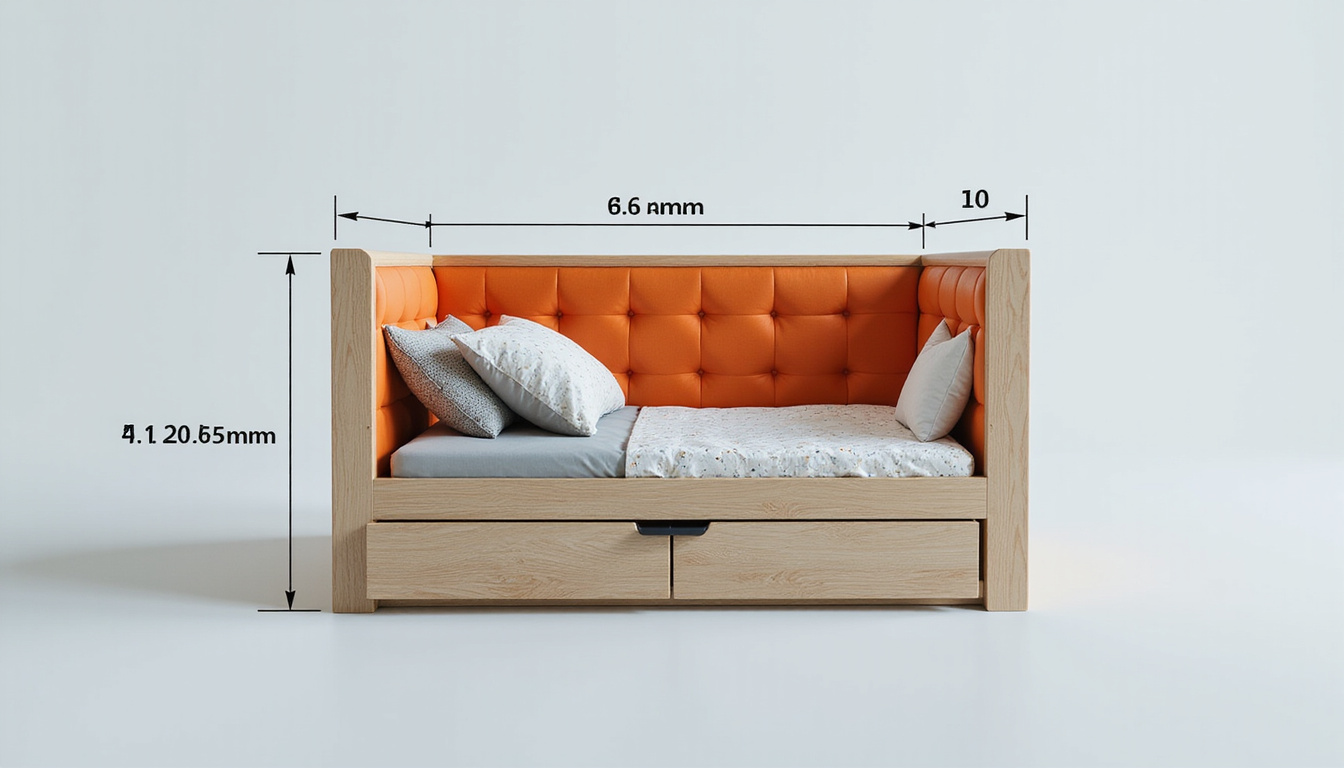
Step 4: Thickness vs. space – finding the sweet spot
More thickness is not always better in a cab. You work in a tight space:
• Too thick: You hit your head on the upper cabinet, lose sitting space, or cannot open a drawer fully.
• Too thin: You feel the bunk board through the mattress and may wake up sore.
Most drivers do well with a 6–8 inch mattress for a dedicated truck bed. Heavier drivers or those with very hard bunk boards may prefer 8 inches. In a tight sleeper, a well-built 6-inch setup with HD foam plus a comfort layer gets the job done.
Step 5: Ventilation, heat, and moisture control
Sleeper cabs can become stuffy. With the curtains closed, the A/C turning on and off, and long nights parked, heat and moisture can build up under your mattress.
Look for:
• Breathable covers: Quilted or knit covers that let air flow, not plastic-like vinyl.
• Vented or open-cell foam: This helps reduce heat build-up.
• Slatted bunk boards or vented platforms: These help stop condensation and mildew.
If you wake up sweaty or find moisture under your truck mattress, think about:
• A moisture-resistant but breathable mattress protector
• Cracking a vent a bit when parked
• Lifting the mattress now and then to let the platform air out
Step 6: Protecting your back, shoulders, and hips
You stress your body each day—climbing in and out, yanking pins, slamming doors, and loading gear. The bunk is one safe space where your body can reset.
When you check a truck mattress for joint and muscle comfort, note:
- Zoned support – Some mattresses use different firmness zones under the shoulders, hips, and legs. This helps keep your spine straight while cushioning your joints.
- Edge support – You use the edge of the bunk to sit, stretch, or set your boots. Strong edges stop you from sliding off.
- Pressure relief – A good top layer lets your shoulders and hips sink a bit, while your midsection stays supported.
If you wake up feeling tight all over, a better truck mattress might change your morning.
Step 7: Space-saving add-ons for organized sleepers
You do more than sleep in the bunk—you live around it. Many truckers use the bed for storage during the day. A smart setup can keep things neat and protect your mattress:
• Under-mattress storage bins: Low-profile bins for tools, straps, or paperwork.
• Slim mattress protectors: They protect from spills and sweat without adding bulk.
• Foldable or tri-fold truck mattresses: These are easier to move for cleaning or to access storage.
• Bungee nets and organizers: They keep gear off the bed so you do not sleep next to dirty items.
Keeping your sleep surface clean makes rest better and helps the mattress last longer.
Step 8: Real-world shopping checklist for a truck mattress
When you are ready to buy, use this checklist:
[ ] Measure the sleeper length, width, and maximum height
[ ] Choose firmness based on your weight and sleep style
[ ] Pick a layered design with a supportive base and a comfortable top
[ ] Check the return policy and any sleep trial period
[ ] Confirm it handles vibration and frequent use
[ ] Look for a breathable cover and good heat management
[ ] Verify that you can move it alone in a tight cab
[ ] Read reviews from other truckers, not just home users
If you can, visit a store that stocks truck mattresses and test a few for at least 10–15 minutes. If not, focus on companies that list details like foam density and layer thickness instead of just marketing words.
Taking recovery further: supplements that support joints and muscles
Even the best truck mattress does not remove all body stress. Many drivers look for supplements that support joint comfort, muscle function, and overall mobility. These help you keep working and stay active off the clock.
Dietary supplements in the U.S. are regulated differently from medications (source: NIH Office of Dietary Supplements). They are not meant to diagnose, treat, cure, or prevent any disease. Yet the right mix of ingredients may support:
• Healthy cartilage and connective tissue
• Normal inflammatory responses after activity
• Muscle function and recovery after long trips behind the wheel
Always read labels, follow the suggested use, and talk with a healthcare professional—especially if you take other medications or have health concerns.
Regenerix Gold (Video Overview)
Regenerix Gold is a premium dietary supplement made to support joint and muscle comfort, flexibility, and overall performance. It is exactly the kind of backup many truckers look for when they upgrade their truck mattress and want extra support.
FAQs about truck mattresses and comfort on the road
Q1: How often should a truck mattress be replaced?
Most quality truck mattresses last around 3–5 years. Your weight and the number of nights in the truck affect this. If you notice sagging, feel the bunk board, or wake up more sore than before, it is likely time.
Q2: What is the best type of truck mattress for hot sleepers?
Look for one with breathable, open-cell foams, a ventilated cover, and maybe gel-infused comfort layers. Avoid thick, cheap memory foam that traps heat. Good ventilation under the mattress is as important as the mattress itself.
Q3: Can a sleeper mattress topper fix an old, worn-out truck mattress?
A topper can help for a while if the base mattress is just too firm. But if the truck mattress is badly sagging or broken down, a topper will follow the dips. In that case, replacing the full truck mattress is better.
Drive smarter, sleep smarter, stay ahead
A good truck mattress is more than a soft place to crash. It is key to keeping your body in shape for long drives and a busy schedule. A supportive, well-fitted mattress paired with smart habits—stretching, staying hydrated, and choosing healthy foods—lets you play the long game.
That is where Regenerix Gold comes in. It is a premium supplement built for those who care about joint and muscle comfort and overall performance. Drivers know it is cheaper to protect their body now than to face medical bills or lost loads later. While Regenerix Gold does not diagnose, treat, cure, or prevent diseases, it is made to support comfortable movement, flexibility, and muscle function. This way, you can climb in and out of the cab, handle tools, and hit the road knowing you are taking care of your health.
If you upgrade your rig, invest in a proper truck mattress, and plan to drive for years—not just months—Regenerix Gold is built for you. Consider adding it to your routine along with a better bunk. You then gain an edge that less prepared drivers lack.
Health Note
Always consult a licensed medical doctor for your health issues.
Special Discount
If you prefer preventive nutrition to minimize expensive knee surgery and potentially addictive pharmaceuticals, Regenerix Gold is your savvy solution.
You qualify for a special discount.
Simply use the link below and a discount will automatically be applied during checkout.
Get Regenerix Gold => HERE