
Weightlifting shoes That Instantly Improve Squat Depth and Stability
by Zestora on Jan 02, 2026

If you have cranky knees or tight squats, weightlifting shoes can help you. They support your knees. They ease wobbling and improve your form while squatting. With knee stiffness, clicks, or nagging pain, the squat rack may seem scary. You know you should strengthen your legs. Yet, each deep squat makes your heels lift, your knees cave in, or your joints bear the load rather than your muscles.
This is where weightlifting shoes and joint nutrition help change the game.
Why Your Knees Hate Squats (And Why It’s Not Just “Bad Knees”)
If you have ever said things like:
- My knees grind when I squat.
- I must flare my feet to reach proper depth.
- My knees buckle as soon as the weight rises.
- I feel the squat in my knees rather than in my glutes or quads.
You are not alone. Many people with sensitive knees also face:
- Limited ankle motion.
- Weak or inactive hip muscles.
- Flawed squat mechanics.
- Instability at the bottom of the movement.
When these issues exist, your knees absorb shocks instead of strong muscles. Over time, your joints feel sore, stiff, or overused after leg day.
Weightlifting shoes help clean up your squat mechanics. They aid your knees so that you feel support instead of pain.
How Weightlifting Shoes Help Your Squat – Especially If You Have Knee Discomfort
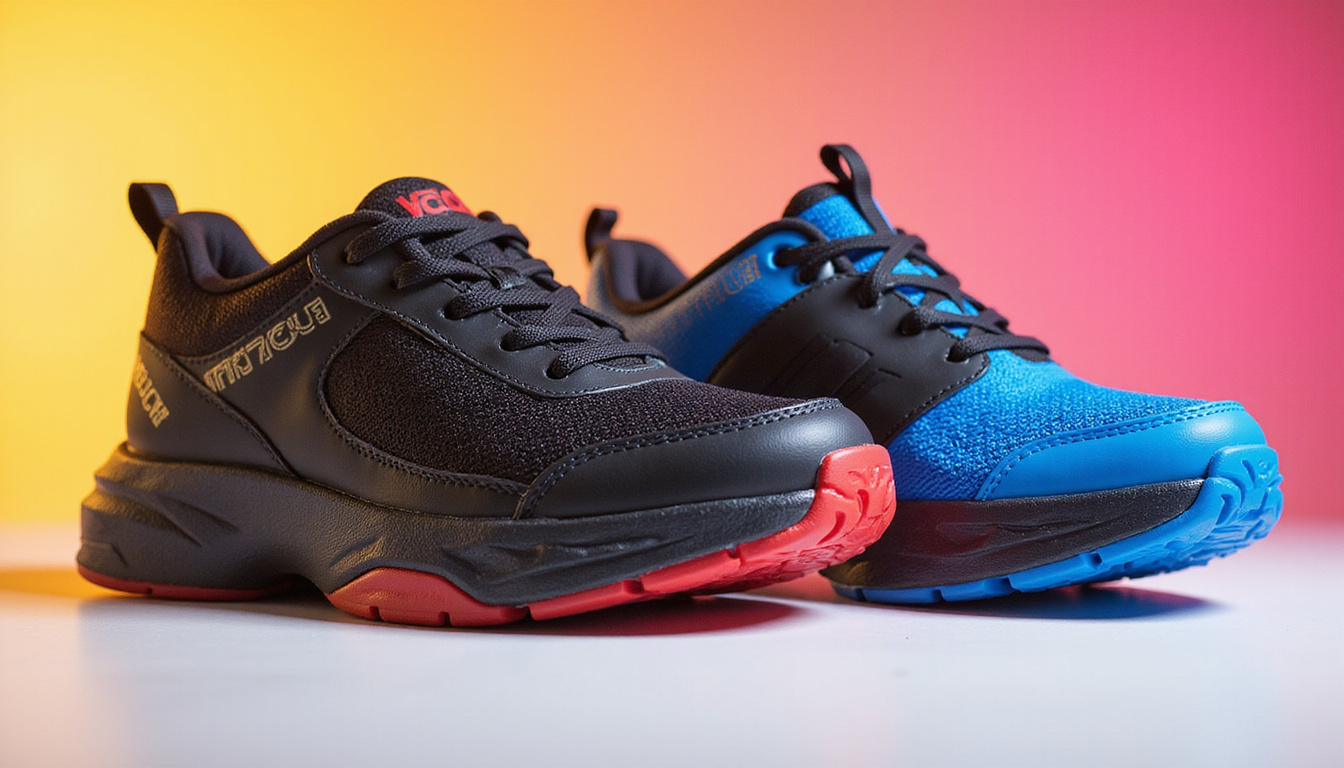
Weightlifting shoes are not like regular sneakers with a logo. They are designed for stable and powerful lifting. Their design helps when your knees complain during squats.
Here is what makes them different:
1. Raised Heel for Deeper, Easier Squats
Most weightlifting shoes have a raised heel. That raised heel lets your knees move forward easily. It reduces strain on tight ankles. It also keeps your torso upright.
If your heels pop up or your lower back rounds during squats, the higher heel gives you a better path. For sensitive knees, this means:
- Less stress from poor form.
- A smoother descent and rise.
- Less pinching at the front of your knees.
2. Rock-Solid, Non-Compressible Sole
Running shoes and their squishy soles absorb impact. That softness increases foot movement and can shake your knees.
Weightlifting shoes have a hard, stable sole. This sole:
- Builds a firm base from the floor up.
- Helps you rise steadily from the squat.
- Keeps your knees aligned instead of caving inward.
For those who feel wobbly or fear collapsed knees, a rigid base builds confidence and comfort.
3. Locked-In Foot Support
Weightlifting shoes use a snug midfoot fit. They have one or two straps to lock your foot in place. They also offer a wider heel base for side-to-side stability.
This locked-in feeling helps you spread the floor with your feet. It keeps your arches active and guides your knees to stay over your toes instead of collapsing inward. When your feet and hips work correctly, your knees feel less stressed.
Signs Your Knees Would Benefit from Weightlifting Shoes
You do not need to be a pro lifter to use these shoes. Ask yourself:
- Do your heels pop up in deep squats?
- Do your knees feel pinched during bodyweight or goblet squats?
- Do you feel the squat in your knees, not your glutes and quads?
- Do your knees cave inward when the weight increases?
- Do you need a very wide stance to avoid pain?
- Does your lower back round past parallel?
Weightlifting shoes help you take on better positions. They shift work from your joints to your muscles.
Choosing Weightlifting Shoes When You Have Knee Sensitivity
All weightlifting shoes share some basics. Yet, small differences matter when your knees hurt.
Heel Height
-
Standard lifter heel (around 0.75 inches / 19 mm):
Good for most, helps depth and keeps the torso upright. -
Higher heel (0.79–1 inch / 20–25 mm):
Helps if you have tight ankles or long legs and need balance at depth. -
Lower heel (0.5 inches / 13 mm):
Feels natural if you have good ankle mobility and simply want extra stability.
If your knees feel safe with a more upright squat, a standard or slightly higher heel could help you.
Fit and Width
People with knee pain may also have flat feet or collapsing arches. One side may feel shakier than the other. Look for shoes that:
- Hold your heel snugly without sliding.
- Offer enough space in the toe box to spread your toes.
- Support your midfoot with laces or a strap.
A stable, supported foot means less twisting at the knees.
Sole and Grip
Make sure the sole is:
- Hard and not squishy.
- Grippy so you do not slip on the gym floor.
- Flat side-to-side, with a steady base under the heel.
If your foot slips or the shoe compresses under weight, your knees will suffer.
Technique Still Matters: Don’t Use Shoes to Mask Pain
Even the best weightlifting shoes will not fix poor technique or ignore body warnings.
If your knees hurt, warm up well: try light cycling, dynamic leg swings, or bodyweight squats. Begin with lighter weights. Build up slowly. Focus on pushing your knees outward over your toes. Avoid letting them crash inward. For good form, think “sit between your hips” instead of “sit into your knees.”
If knee pain gets worse or you feel unstable, consult a healthcare professional before continuing.
For safe and joint-friendly strength training, check the American Council on Exercise. (Source: https://www.acefitness.org)
Supporting Your Knees from the Inside: Nutrition for Healthy Joints and Muscles
Good form, proper footwear, and smart training matter. What happens inside your joints and muscles is just as important. Many people with knee pain describe their joints as:
- Dry or creaky.
- Rusty in the morning.
- Beat up after going downstairs or finishing leg day.
Nutrition can support this.
Regenerix Gold: Nutrition Support for People Who Want Healthy Knee Joints and Muscles
Regenerix Gold is a supplement for those who want strong knee joints and muscles. It helps when you squat, lunge, and train your lower body.
Key points about Regenerix Gold:
- It offers a nutrition-based approach, not a drug.
- Doctors and physical therapists support its use.
- It has helped users worldwide for over a decade.
- It fits people who see joint care as a smart, long-term investment.
No supplement replaces good form or strength work. Still, many who deal with knee pain add nutritional support to their routine. Regenerix Gold is made for people who invest in joint health.
Watch an overview of Regenerix Gold: Regenerix Gold
Putting It All Together: A Knee-Friendly Squat Setup
If you want to squat with more depth and confidence, use this simple plan:
-
Footwear:
Wear proper weightlifting shoes for better depth and stability. -
Warm-Up:
- 5–10 minutes of light cardio.
- Ankle and hip mobility drills.
- Controlled bodyweight squats.
-
Form Focus:
- Brace your core like you expect a gentle punch.
- Keep your whole foot on the shoe’s firm base.
- Gently push your knees outward in line with your toes.
- Control your descent without slamming into the bottom.
-
Progression:
Increase your weights slowly. Notice how your knees respond during and after the work. -
Inside-Out Support:
Consider joint- and muscle-friendly nutrition like Regenerix Gold. Use it along with a balanced diet and careful training.
FAQ: Weightlifting Shoes and Knee-Friendly Training
Are weightlifting shoes good for bad knees?
Yes. They can help people with knee pain by keeping your torso upright and letting you hit proper depth. They help keep your heels down and your knees from caving inward. They do not fix everything but can reduce joint stress with good technique.
Can I use weightlifting shoes for all my leg exercises?
You can use them for squats, front squats, leg presses, and many machine-based exercises. Their stability and support help you stay balanced. For running or dynamic movements, these shoes are not ideal. Many lifters change shoes when needed.
Do I still need to work on mobility if I use weightlifting shoes?
Yes. Weightlifting shoes help you get into better positions, but they do not replace mobility work. If your joints feel stiff, work on ankle and hip mobility. This combination gives you better depth, less compensation, and a friendlier squat for your knees.
Your Next Step: Lift Smarter, Protect Your Knees, Invest in Yourself
Knee pain does not mean you must give up squats or lower body training. With the right weightlifting shoes, smart technique, and joint nutrition, you can build strong legs and stable knees without extra joint pain.
Many people wait until pain forces them to stop or visit doctors. You do not have to wait. Choosing quality weightlifting shoes and a trusted supplement like Regenerix Gold shows you plan ahead. It means you invest in prevention and performance now.
If you want to stay active, work well, and lift heavy without constant knee complaints, follow these steps:
- Get a sturdy pair of weightlifting shoes for squat days.
- Try a bottle of Regenerix Gold for joint and muscle support.
Your future self—able to squat, climb stairs, and stay active without extra stress on the knees—will be glad you did.
Health Note
Always consult a licensed medical doctor for your health issues.
Special Discount
If you prefer preventive nutrition to minimize expensive knee surgery and potentially addictive pharmaceuticals, Regenerix Gold is your savvy solution.
You qualify for a special discount.
Simply use the link below and a discount will automatically be applied during checkout.
Get Regenerix Gold => HERE


