

If you have spent time on a court, field, mat, or track, you know an ACL tear.
You know the pain when a knee gives way.
An ACL tear can end a season, change a career, and leave scars long after play.
As a former athlete, you feel this impact when you play a pickup game, chase your kids, or jog around the block.
This guide is for former athletes in America.
You have trained hard, from walk-throughs to heavy squats.
You now want to heal, move better, and stop reinjury as you stay active.
Why ACL Tears Hit Former Athletes So Hard
The ACL is a key support in your knee.
When you cut, pivot, slow down quickly, or land from a jump, the ACL keeps your knee stable.
Former athletes tend to have:
• A history of an ACL tear or surgery
• Years of heavy training and competition
• Muscle imbalances and altered movement patterns
• Joint wear from many hard seasons
Even after surgery, the knee rarely goes back to factory settings.
Still, with a good plan, you can move well and lower your risk of another ACL problem.
Healing Faster After an ACL Tear: What “Fast” Really Means
A fast recovery does not mean skipping steps.
You know that shortcuts in rehab may bring late setbacks.
A faster recovery means:
• Fewer plateaus
• Less wasted motion in rehab
• Smarter loading and progress
• Better long-term strength and durability
After an ACL tear, your focus should change from “get back ASAP” to “come back better”—to stay active for decades.
There are three big pillars:
- Smart movement and strength work
- Recovery habits and lifestyle
- Support for joint and muscle health
Pillar 1: Smart Training for ACL Tear Recovery
Think of rehab like an off-season program for your knee.
Now, the goal is knee longevity, not a combine test.
Rebuild the Fundamentals: Quad, Hamstring, Glutes, Core
The ACL works with other muscles.
After an ACL tear, muscles may shut down or protect the knee too much.
You need to wake up these muscles and rebalance them:
• Quads: Especially the VMO to help keep the knee in line
• Hamstrings: To control the movement of the tibia and protect the ACL
• Glutes: To steer the hip and knee during cuts and jumps
• Core: To move force and keep your knee from caving in
Try these athlete-approved exercises (with health care advice):
• Isometric wall sits and Spanish squats
• Romanian deadlifts and hamstring bridges
• Hip thrusts, monster walks, lateral band walks
• Pallof presses, anti-rotation holds, dead bugs
Fix the Mechanics You Used to Get Away With
When you were young, you could round your back or let your knees cave in.
After an ACL tear, poor form costs more.
Focus on these key points:
• Keep your knees over your toes; do not let them collapse inward
• Land softly so your body absorbs the force
• Do not let the knee fully lock out during jumps or runs
• Control deceleration as you slow
Film your squats, lunges, and jumps.
Watch them as you did game film.
A coach or trainer can help you improve your technique.
Progression: Respect the Phases
After an ACL tear or surgery, recovery follows clear phases.
Even long after rehab, these principles help.
A simple progression is:
- Restore range of motion – get a full, controlled bend and straightening in your knee.
- Build basic strength – work both legs, then focus on the injured side.
- Add controlled impact – do light hops, step-downs, and low plyometrics.
- Incorporate sport-like moves – do cutting, shuffling, lateral work, and controlled stops.
- Embrace unpredictable moves – add reactivity drills and sudden change of direction.
Skip a phase or overload quickly, and your body will tell you.
Pillar 2: Recovery Habits Former Athletes Can’t Ignore
You once managed on poor sleep, erratic travel, and fast food between games.
Now you cannot ignore strong recovery habits when protecting your knee.
Load Management for Real Life
Even if you no longer play in front of crowds, your knee still feels game day effects when you:
• Join a weekend tournament with friends
• Take a long hike or go skiing
• Play back-to-back pickup games
Plan your week like a training block:
• Allow no more than 1–2 high-intensity knee days in a row (heavy legs, hard runs, explosive games)
• Follow big load days with recovery or light activity (a long bike ride, pool work, mobility work)
• Ramp up volume gradually instead of switching quickly from rest to full send
Sleep, Hydration, and Nutrition: Your New Performance Edge
Your tissue repair, muscle recovery, and joint health need strong daily habits.
• Sleep: Aim for 7–9 hours. Deep sleep helps your body restore itself.
• Hydration: Drink water often; it soothes your knee joints.
• Nutrition: Choose lean protein, healthy fats, and lots of vegetables and fruits to support muscle and joint health.
A steady routine helps your tissues heal and keeps you active.
Pillar 3: Supporting Joint and Muscle Health After an ACL Tear
After an ACL tear, nearby tissues work harder to keep your knee stable.
Many former athletes look for ways to support:
• Smooth joint movement
• Healthy cartilage and connective tissue
• Muscle recovery and strength
Diet, training, and lifestyle come first.
Yet, targeted supplements may add extra help for joint comfort and performance.
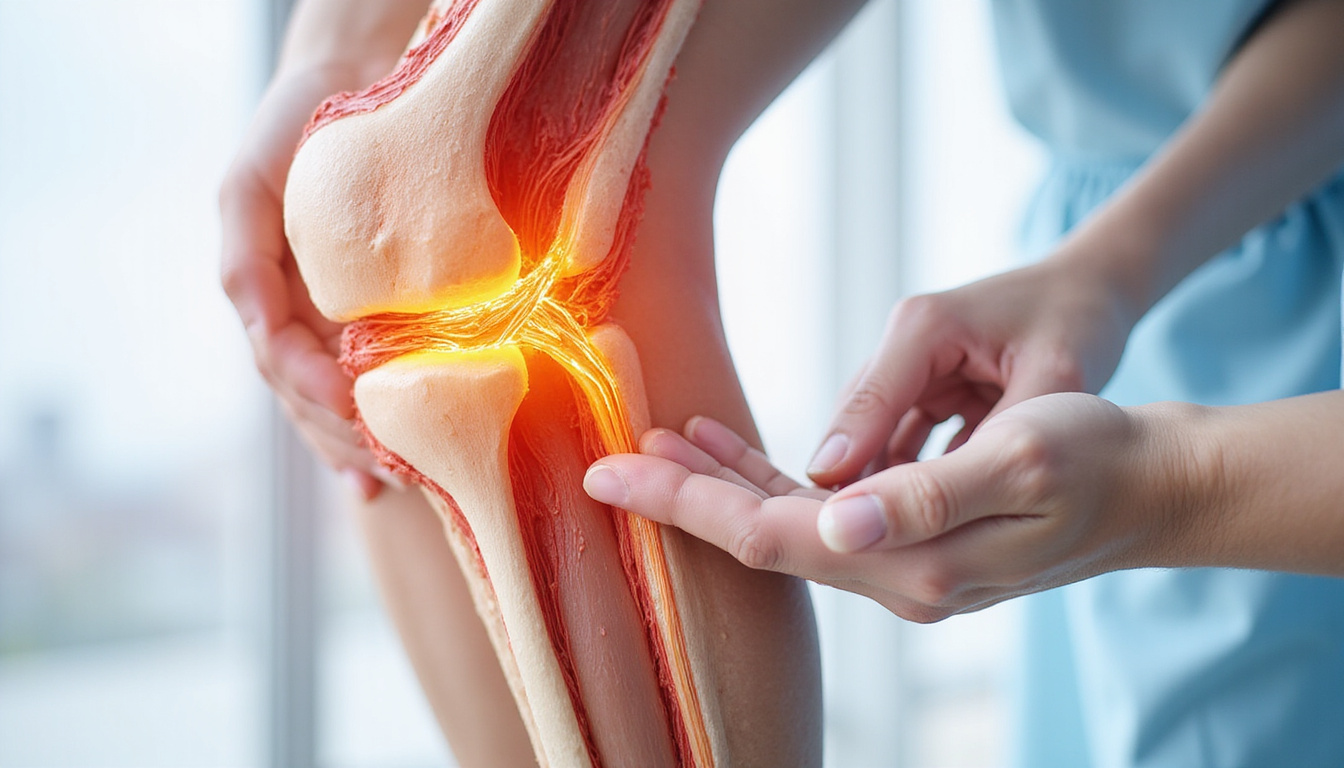
If you consider a supplement, make sure it:
• Comes from a trusted company
• Lists clear ingredients and amounts
• Does not claim to treat, cure, or prevent a disease
• Fits within your overall health plan, as advised by your doctor
For more on joint health and cartilage, trusted sources like the National Institutes of Health are useful.
Always talk to your doctor before trying a new supplement, especially if you take other medications or have health issues.
Reinjury: Why Second ACL Tears Are So Common—and How to Avoid One
A second ACL tear—on the same or the other knee—is a real risk when you work hard again.
This risk is higher in sports with cutting and jumping.
Risk factors include:
• Rushing back into high-intensity activity before full strength returns
• Quad dominance with weak hamstrings and glutes
• Poor balance on one leg
• Fatigue and lack of conditioning
• Stopping maintenance work after formal rehab ends
Your Ongoing “Anti-Reinjury” Checklist
Keep these moves in your routine every week for lasting strength:
• Single-leg strength work (step-ups, split squats, single-leg RDLs)
• Hip and glute strength (lateral band work, hip thrusts, clamshells)
• Balance and proprioception (single-leg stands and unstable surfaces)
• Controlled landing drills (drop landings, small hops focusing on soft, aligned landings)
• Regular movement checks: watch your squats, hinges, lunges, and jumps every few weeks
Even if you are done with team workouts, your body needs structured maintenance.
Former Athlete Mindset: From “Prove It” to “Protect It”
You have shown toughness before.
You rose early for lifts, pushed through tough conditioning, and played through aching pain.
Shift your frame from “I must prove I still have it” to “I must keep my body moving well for decades.”
This change means:
• Embracing a longer warm-up
• Allowing time for recovery days
• Investing in joint and muscle care as you once invested in gear and coaching
Your new competitive edge is lasting strength and long life.
Quick FAQ on ACL Tear Recovery and Knee Health
-
How long does ACL tear recovery take for former athletes?
Recovery time varies. Many active adults need 9–12 months before they feel ready for hard cuts, pivots, or contact. Some may feel better sooner, but true strength, confidence, and balance take longer—especially after years of competition. -
What is the best way to prevent another ACL tear when I return to sports?
Strong quads, hamstrings, and glutes; good single-leg control; safe landing and cutting moves; and proper load management protect your knee. Keep strength training, balance work, and progressive movement drills in your routine—even after formal rehab ends. -
Can joint and muscle support supplements help after an ACL injury?
Supplements are not a replacement for surgery, rehab, or professional care. Some former athletes add joint and muscle support supplements to their plan. If you consider one, talk with your healthcare provider to see if it suits your overall plan.
Regenerix Gold: A Smart Play for Former Athletes Who Demand More From Their Bodies
You already think like a pro.
You train with purpose, respect the grind, and protect your body to show up when needed—whether in a recreational league, at work, or with family.
This is where Regenerix Gold fits in.
Designed for those who care for healthy joints and muscles, Regenerix Gold supports those who want to stay active, mobile, and strong over time.
It is not about chasing miracle cures or ignoring good medical advice.
It is about making one more smart, intentional choice to support the body you have invested in.
Former athletes are informed, disciplined, and strategic with their health.
If you study labels, think long-term, and review your options like game film, Regenerix Gold might be a good fit—especially if you want to keep your knees, hips, and muscles ready for the next season of life.
Talk with your healthcare provider to see if a joint and muscle support supplement like Regenerix Gold fits your plan.
Then, make your move decisively and with long-term performance in mind.
Regenerix Gold
Health Note
Always consult a licensed medical doctor for your health issues.
Special Discount
If you prefer preventive nutrition to minimize expensive knee surgery and potentially addictive pharmaceuticals, Regenerix Gold is your savvy solution.
You qualify for a special discount.
Simply use the link below and a discount will automatically be applied during checkout.
Get Regenerix Gold => HERE


