

If you’ve finished a day of grading, typing IEP notes, or updating your LMS, your hand may throb. Many teachers face wrist pain. Teachers spend hours on keyboards, whiteboards, smartboards, or while carrying papers and devices. Long school days, few breaks, and after-hours prep make pain common. Your wrist even feels like it is sending a complaint.
Below are 9 classroom-tested tips for American teachers. They help ease wrist and hand discomfort without stopping your instruction or adding extra stress.
1. Spot the Early Warning Signs of Teacher Wrist Pain
Teachers often ignore a small pain until it becomes large. Notice these warning signs:
- Achy or stiff wrists after long grading or typing
- Dull, nagging pain when using the board or dry-erase markers
- Weak wrists when lifting textbooks, Chromebooks, or supplies
- Tingling or “pins and needles” when holding a mouse or stylus
These signals show that your wrist and forearm feel overworked. They do not mean something is broken. They mean your body asks for support, rest, or a change in work style.
If pain grows intense, sudden, or steady, talk with a healthcare professional.
2. Reboot Your Writing and Grading Grip
Many teachers hold pens and markers with too much tension to keep their writing clear. This extra tension can build over the school year. Try these simple grip changes:
- Use thicker pens and markers so your fingers do not pinch hard.
- Choose pens with low-friction ink so you apply less pressure.
- Do not press hard when grading or writing notes.
- Alternate between pen, stylus, and voice dictation to reduce repeated motions.
For long grading sessions such as midterms or final essays, take a short grip break every class or every 20–30 minutes. Even a brief shake of your hands can help.
3. Set Up a Teacher-Friendly Desk Ergonomics Zone
Your workstation might not be designed for comfort. Secondhand furniture, shared carts, or cramped classrooms force your wrists into awkward angles. Improve your setup with these tweaks:
- Keyboard height: Keep your forearms parallel to the floor and your wrists straight while typing.
- Mouse placement: Place your mouse near your body and at the same level as your keyboard to avoid reaching.
- Document position: Use a stand or an angled surface for textbooks and student work so you do not bend your wrists and neck downward.
- Chair height: Adjust your chair so your feet rest flat and your elbows form a 90° angle.
Even with district furniture, small changes like stacking textbooks under your monitor or using a rolled towel under your wrists can help a lot.
4. Build Micro-Breaks Into Your Bell Schedule
You may not have time for yoga between classes, but you can use quick breaks to ease wrist stress. Try this simple pattern:
- When students do a warm-up or bell-ringer, spend 30 seconds rotating your wrists and shaking your hands.
- During independent work, add a subtle wrist stretch while checking on students.
- Before moving to copying or emails during transitions, pause for 1–2 minutes.
These micro-breaks serve as reset buttons for your wrists. Over a week, short breaks add up to real relief.
5. Use Simple Wrist Stretches and Strengthening Moves
Caring for your wrists does not need gym equipment. Simple exercises can help your muscles and joints work better. Move slowly and within a comfortable range. Stop if you feel any sharp pain.
-
Prayer stretch
- Press your palms together at chest height with fingers pointing up.
- Slowly lower your hands while keeping them pressed.
- Hold for 10–20 seconds and repeat 2–3 times.
-
Wrist flexor stretch
- Extend one arm with your palm up.
- Gently pull your fingers down toward the floor with your other hand.
- Hold for 10–20 seconds; then switch arms.
-
Wrist extensor stretch
- Extend one arm with your palm down.
- Gently pull the back of your hand toward you.
- Hold for 10–20 seconds; then switch arms.
-
Desk edge support exercise
- Rest your forearm on your desk so that your hand hangs off the edge, palm down.
- Slowly lift your hand upward, then lower it back down.
- Do 8–12 repetitions with light resistance, then repeat with your palm up.
A few of these moves during your planning period or after school can help release built-up tension.
6. Lighten the Load—Literally
Teacher wrist pain does not only come from classroom work; it starts outside too. Carrying a laptop bag, papers, and supplies from the parking lot can add strain.
Try these strategies to lower that load:
- Use a rolling cart for books, devices, or supplies when moving from room to room.
- Store heavy items like classroom libraries and copy paper at mid-height instead of on the floor or high shelves.
- Keep a second set of common materials at school instead of taking them home.
- Divide grading stacks into smaller batches instead of carrying one large load.
Each small change lowers the strain on your wrists.
7. Rethink Tech Habits: LMS, Emails, and Smartboards
Technology helps teachers, but it can also strain wrists. Change your tech habits with these tips:
- Use voice-to-text for emails and comments. Dictation tools can replace long typing sessions.
- Create shortcuts and templates for common responses instead of typing the same words again and again.
- When using a tablet or touchscreen, choose an ergonomic stylus that works more like a pen.
- Switch between a mouse and other input devices like a trackball or touchpad to change your wrist position.
Even five minutes saved by using voice dictation or shortcuts can prevent hundreds of keystrokes each day.
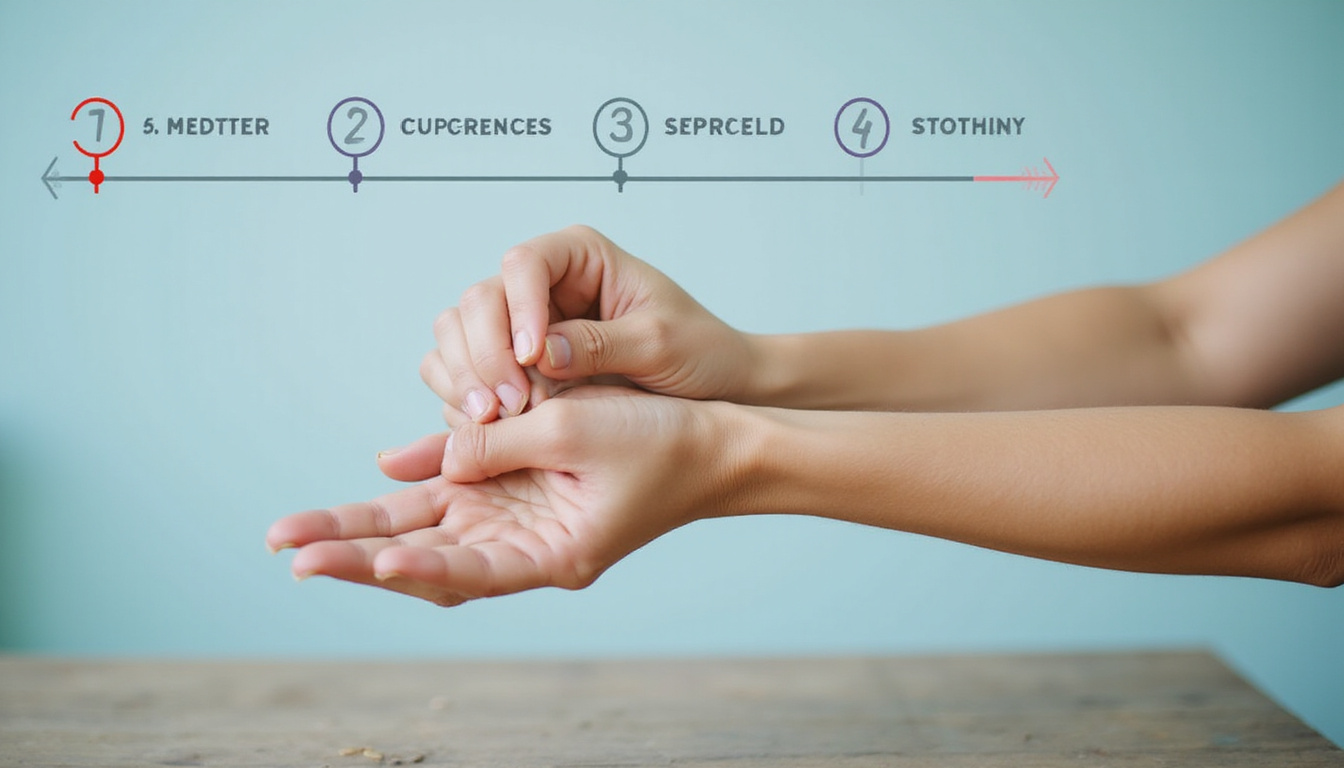
8. Support Recovery With Smart Lifestyle Choices
Your wrists do not work alone. Overall habits affect your comfort. Try these lifestyle adjustments:
- Get consistent sleep to help your body repair itself.
- Stay hydrated by keeping a water bottle on your desk.
- Do gentle exercise—short walks during duty or stretching during PLCs can keep muscles and joints moving.
- Use cold or warm compresses after long grading or typing sessions, as your healthcare provider advises.
A balanced lifestyle, along with careful attention to ergonomics, creates a strong foundation for joint and muscle health.
9. Considering Supplements Like Regenerix Gold for Joint and Muscle Support
Some teachers add dietary supplements for joint and muscle support. This addition works alongside good habits, like a balanced diet and physical activity.
Regenerix Gold is one supplement that might help. Many teachers who teach, type, and prep look into products like this.
Keep in mind:
- Dietary supplements do not diagnose, treat, cure, or prevent any disease.
- They do not replace advice from a medical professional.
- Always read labels carefully and follow directions.
- Discuss any new supplement with a qualified healthcare provider, especially if you are pregnant, nursing, on medication, or have a health condition.
When combined with proper ergonomics, movement, and rest, joint and muscle support supplements become one tool in your wellness plan.
Regenerix Gold
Quick Classroom Checklist for Reducing Teacher Wrist Pain
Use this list as your informal “teacher wrist IEP”:
- Adjust keyboard, mouse, and chair to keep wrists neutral
- Use thicker pens/markers and apply less pressure when writing
- Schedule micro-breaks during bell work and transitions
- Add gentle wrist stretches and strength exercises daily
- Lower your load with rolling carts and smarter storage
- Use tech tools like dictation, shortcuts, and an ergonomic stylus
- Maintain balanced lifestyle habits and, if needed, consider joint/muscle-support supplements after consulting a professional
FAQ: Teacher Wrist Pain and Joint Support
-
How can teachers relieve wrist pain from writing on the board all day?
Choose thicker, low-resistance markers. Sometimes switch hands for variety. Take short stretch breaks between classes. Adjust board height if possible to keep your arm and wrist comfortable. If the pain grows, see a healthcare professional. -
Are there natural ways to support wrists for teachers who type and grade a lot?
Yes. An ergonomic desk, regular micro-breaks, gentle stretches, and daily movement all help. Some teachers add joint and muscle support supplements to their routine. Remember, supplements never replace professional care. -
Can a joint supplement really help with wrist discomfort for educators?
Joint supplements aim to support overall comfort and mobility. Many teachers like having an extra tool in their kit, but results differ. Always review options like Regenerix Gold with a healthcare provider to see if it suits your needs.
Why Regenerix Gold Fits the “Savvy Teacher” Lifestyle
You make smart choices in curriculum, classroom tools, or even when planning for the future. Your joint and muscle health deserve the same thought. Regenerix Gold supports joints and muscles so you stay active in the classroom and beyond. For teachers who write, type, and lift all day, this support makes sense.
Choosing a premium supplement shows you value long-term comfort and energy, just as you value your students’ success. Instead of waiting until pain holds you back, join other educators who invest in their well-being like they invest in a reliable laptop or high-quality supplies.
If you want to protect your ability to teach, mentor, and enjoy life outside of school, talk with your healthcare provider about Regenerix Gold. It is a choice for teachers and other professionals who take their health and future seriously, knowing that support today helps maintain a better tomorrow.
Health Note
Always consult a licensed medical doctor for your health issues.
Special Discount
If you prefer preventive nutrition to minimize expensive knee surgery and potentially addictive pharmaceuticals, Regenerix Gold is your savvy solution.
You qualify for a special discount.
Simply use the link below and a discount will automatically be applied during checkout.
Get Regenerix Gold => HERE


