

If you played hoops before the flagrant-1 rule change, you know a basketball cartilage injury hurts differently after you hit 35. One bad landing twists your joint. One awkward step on a rec league floor makes smooth play feel like grinding gears. The good news is that many cartilage issues do not end in surgery if you handle them smart, early, and consistently.
This guide helps Basketball Oldheads in America. These are players who still lace up, still talk about hand-checking, and still think in game speed—even when their knees disagree. We explain how cartilage problems work, what fast but safe recovery looks like, and how to protect your joints so you pay league fees instead of orthopedic bills.
What Exactly Is a Basketball Cartilage Injury?
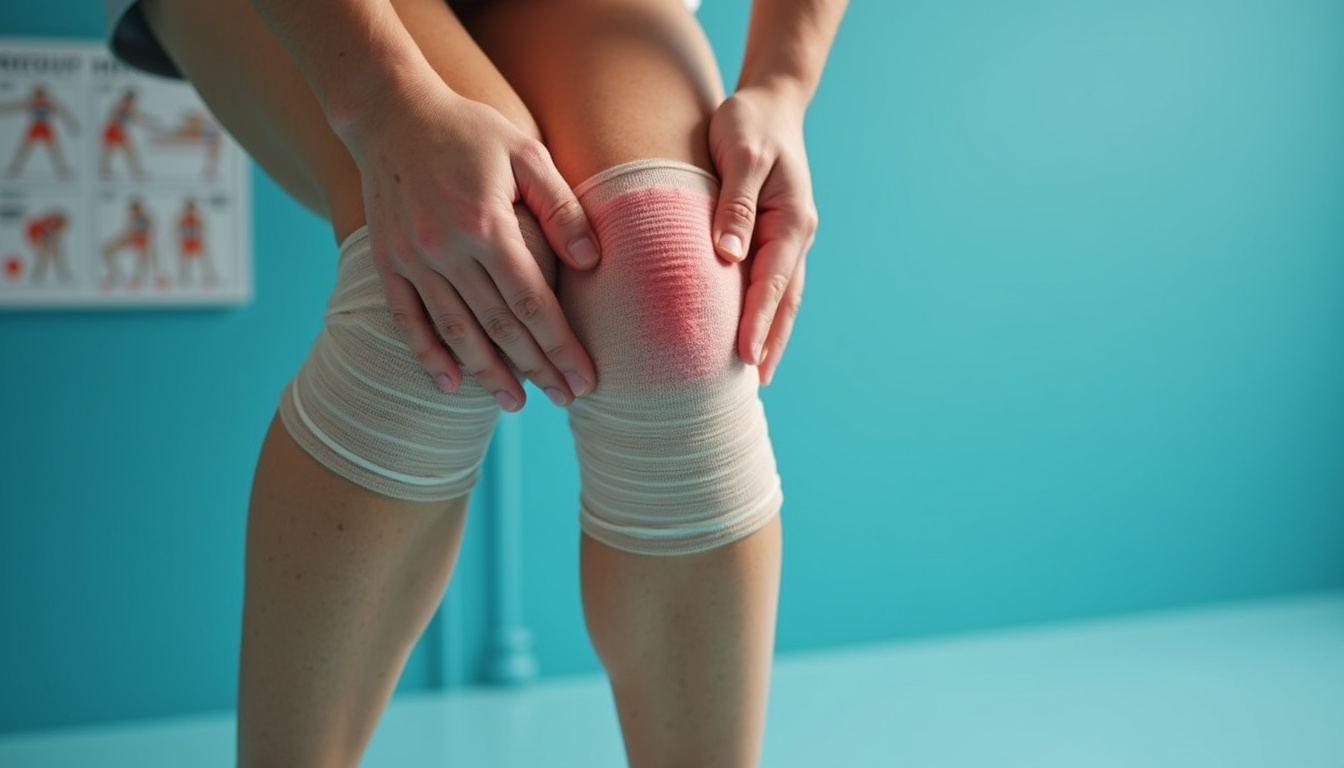
Cartilage is smooth, rubbery tissue. It lets your joints glide. It works with no grinding and no catching. On the court, cartilage takes a beating from repeated jumps, dangerous landings, and hard surfaces. Years of hooping compress your tissue. Extra weight adds more pressure even when you play like you are 22. A basketball cartilage injury shows up as deep joint pain—often in the knee or ankle. The pain pinpoints discomfort. Stiffness follows sitting or long drives after play. Swelling slowly builds after games or runs. Sometimes, the joint “catches,” “locks,” or feels rough when you bend it.
You may not recall one bad play. For many Oldheads, decades of pickup games, rec leagues, and “one more run” add up.
Why Oldheads Are at Higher Risk (Even If You’re Still in Shape)
You can stay fit while wearing cartilage that has taken a lot of hits. Over time, repeated jumps compress cartilage. In your 20s, you could play three straight days and recover. In your 40s and 50s, your joint recovery slows down. Old injuries—like that ankle you never really fixed or the meniscus you barely rested—change how your joints load. Work, long sitting hours, poor sleep, and stress add to the problem.
This news does not force you to quit. It makes the maintenance game as serious as a good trash talk.
Step 1: Recognize “Shut It Down” Signs vs. “Play Smart” Signs
Oldheads tend to ignore red flags. Here is how to tell if you should tough it out or play smart.
Likely OK to adjust, not quit immediately:
• Mild discomfort that eases when you warm up
• Stiffness that fades with gentle movement or light cycling
• Light swelling that settles with rest, ice, and elevation
Time to stop and get checked if you see:
• A joint that locks or cannot fully straighten or bend
• Sharp, catching pain deep inside on every step or pivot
• Swelling that returns after rest or appears quickly after play
• Pain that wakes you at night or stops you in daily tasks
Speak with a sports medicine or orthopedic specialist. They can show if you have surface wear, a focal cartilage issue, or something else. Often, imaging plays a role. The plan should focus on how you move, not just on a scan.
Step 2: How to Recover Fast—Without Being Reckless
“Fast” recovery does not mean you get back on the court tomorrow. Fast recovery means you protect your joint, calm the pain, rebuild strength and movement, and return when your body, not your ego, gives the green light.
The Calm-Down Phase (First 1–3 Weeks Depending on Severity)
Your mission is to stop stressing the cartilage so that the joint can settle down.
• Unload your joint—swap full-court 5v5 play for low-impact activities like biking, pool work, or upper-body days.
• Use ice for 10–15 minutes when needed after activity.
• Use compression and elevation to lower mild swelling.
• Respect deep joint pain. That pain is not just soreness; it is a signal to stop.
No one wins by playing through avoidable damage.
Step 3: Build a Bulletproof Support System Around Your Cartilage
Once the pain calms, a lasting comeback needs strong joint support. Think of your muscles as shock absorbers around your knees, hips, ankles, and core. They ease the impact on your cartilage.
Work with a qualified professional to build proper form. Focus on:
- Strengthen the Shock Absorbers
• Work your glutes and hips with bridges, clamshells, hip thrusts, and lateral band walks.
• Exercise your quads and hamstrings using chair squats, supported split squats, and light Romanian deadlifts.
• Strengthen calves and tibialis with calf raises, controlled step-downs, and dorsiflexion work.
• Engage your core with planks, side planks, and anti-rotation exercises.
Control, stability, and good alignment win over ego lifting.
- Improve Joint-Friendly Mobility
• Improve ankles: limited movement can hurt your knees. Try knee-over-toes wall drills for dorsiflexion.
• Soften tight hips with hip flexor stretches and pain-free hip openers.
• Boost thoracic spine mobility so your whole chain moves nicely.
Keep movements easy and smooth. If you feel sharp pain, reduce the pace.
- Manage Your Load on the Court Smarter
Instead of jumping from zero to full-court hero: • Start with shooting, ball-handling, and slow half-speed cuts.
• Then progress to 1v1 and 3v3 half-court play before full-court runs.
• Avoid back-to-back days early in your return.
• Check how you feel the next morning—if stairs hurt, you did too much.
This approach mirrors pro recovery. Oldheads should be just as smart.
Step 4: Lifestyle Tweaks That Make a Massive Difference
Manage your body weight like a contract year. Every extra pound adds more pressure to your knees and ankles. Even small weight changes lower your joint stress. You do not have to be shredded. Just aim to reduce unnecessary load.
Sleep and Recovery Become Training Too
• Get consistent, quality sleep. That is when your body repairs itself.
• Spread out intense sessions. Do not stack heavy leg days with full-court runs.
Where Nutrition and Supplements Fit In (Without the Hype)
For a basketball cartilage injury, your foundation remains smart activity, strength, mobility, good sleep, and healthy habits. Some Oldheads add supplements for joint and muscle support.
• Supplements add nutrients that support joint structure and function.
• They aid muscle health and recovery from everyday wear.
• They always complement, never replace, proper training and recovery.
If you take medication or have medical conditions, check with a healthcare professional before starting any supplement.
Why Oldheads Should Think Strategically, Not Desperately, About Surgery
Surgery is an option for serious structural issues, but it is not an automatic pass back in the game.
• Many cartilage issues respond well to strength, mobility, and load management.
• Surgery demands downtime, rehab, cost, and stress.
• Some procedures have variable outcomes and recovery times.
An early visit to a sports medicine professional gives you a full playbook. They will show you what smart rehab can do versus when you must consider surgery. Being informed is part of the long game.
Regenerix Gold: A Joint & Muscle Support Option for Basketball Oldheads
If you are the Oldhead who keeps running games and wants to protect joint and muscle wear, you know better than most.
Regenerix Gold is a dietary supplement for joint health, muscle function, and everyday comfort.
It is not a drug and will not cure any disease. It works best when paired with strength work, mobility, smart load management, and good recovery habits—especially for hoopers avoiding invasive options and extra downtime.
Regenerix Gold
Being the savvy veteran in your group matters. You know what being sidelined costs. You know how quickly medical bills add up. Building a solid joint-support routine now is simply smart business. While the young guys argue about rankings, you can keep collecting wins in the fourth quarter of life.
FAQ: Basketball Cartilage Problems for Oldheads
Q1: How do I know if my basketball knee cartilage injury is serious?
If your knee locks, gives out, or has sharp, catching pain inside, or if swelling comes back after rest, see a sports medicine or orthopedic professional. They can assess your condition and guide your rehab, activity changes, or further testing.
Q2: Can a basketball ankle cartilage injury heal without surgery?
Many ankle cartilage issues can be managed with joint rest, targeted strength and balance work, and a gradual return. The method depends on the severity and your health. An individualized plan is key.
Q3: What’s the best way to prevent a knee cartilage basketball injury as an older hooper?
For Oldheads, prevention means building strength in your hips, knees, and ankles. It means keeping a healthy weight, controlling game volume (no more five straight games), using proper footwear on good surfaces, and following joint-support routines, including supplements if needed.
Final Take: Stay on the Court, But Play the Long Game
You have spent decades on the court. You know the thrill of a bouncing ball in the gym. A basketball cartilage injury is not the final whistle. It is a wake-up call to upgrade your approach.
If you want to keep playing, protect your career, avoid future medical costs, and stop being the guy who "used to play," now is your moment:
• Respect your joints as much as your jumper.
• Invest in smart training, recovery, and nutrition.
• Consider joint and muscle support like Regenerix Gold as part of your long-term plan.
Most people wait until they are forced off the court. You do not have to. Make the veteran move now—protect your joints, protect your game, and keep your play sharp while others watch from the couch.
Health Note
Always consult a licensed medical doctor for your health issues.
Special Discount
If you prefer preventive nutrition to minimize expensive knee surgery and potentially addictive pharmaceuticals, Regenerix Gold is your savvy solution.
You qualify for a special discount.
Simply use the link below and a discount will automatically be applied during checkout.
Get Regenerix Gold => HERE


