
plantar fasciitis Relief Guide: Proven Stretches, Shoes, Healing Tips
by Zestora on Dec 25, 2025

If you play tennis hard, your feet pay the price. Plantar fasciitis makes each change of direction hurt like a sharp reminder that something is wrong. That burning, stabbing heel pain worsens when you step out of bed or between games. This guide shows how American tennis players can ease foot and heel pain with smart stretches, proper shoes, and good recovery habits that care for joints and muscles.
Why Tennis Players Get Heel and Arch Pain
Tennis stresses the lower body. It puts much pressure on the plantar fascia. This thick band runs along the bottom of your foot from your heel to your toes. Many players have warning signs even without a formal diagnosis:
• A sharp or tight feeling under the heel or arch at warm‑up
• Aching or tight feet after long matches on hard courts
• The need to “walk it off” after sitting during breaks
• A feeling of beaten-up feet after tournaments or back‑to‑back match days
Key tennis stressors include:
• Hard courts: Split steps and hard stops cause repeated impact.
• Explosive moves: Sprinting for wide balls and lunging for low slices.
• Old shoes: Worn-out midsoles lose their shock absorption.
• Foot type: Very flat feet or high arches can overload the fascia.
• Increased training load: Sudden increases in match play, drills, or tournaments.
The point is not to play through the pain forever. It means to listen to your feet and respond like a smart, experienced player.
On-Court Adjustments: Play Smarter, Not Just Harder
You do not have to stop playing completely. Many players can continue with some changes to protect their feet:
• Shorten points: Use serve +1 patterns and aggressive returns to end points sooner.
• Pick your surface: Choose clay or softer courts when you can.
• Warm up your feet along with your strokes: Do some foot-specific moves before picking up your racquet.
• Watch your training load: Avoid going from one session a week to a full weekend tournament and clinics.
Think of it like string tension. Small adjustments can help your body respond better.
Stretches for Tennis Players With Plantar Fascia Tightness
Here are some gentle moves to help your feet stay strong for split steps, serves, and quick recoveries between moves. You can do these at home, on the court, or between matches.
1. Towel or Strap Calf Stretch (Straight & Bent Knee)
Your calf and Achilles work with your plantar fascia. If they feel tight, your arch pays the price.
How to do it:
- Sit with one leg straight ahead.
- Loop a towel, belt, or strap around the ball of your foot.
- Pull your toes toward you until you feel a stretch in your calf.
- Hold for 20–30 seconds and repeat 2–3 times.
- Do it again with a slightly bent knee to stretch the deeper calf muscle.
Do this before and after matches. It works like shoulder and hip moves for serving.
2. Tennis Ball Foot Roll (For Courtside Relief)
Use a tennis ball to massage your foot.
How to do it:
- Stand near a fence or bench for support.
- Place a tennis ball under your arch.
- Roll it slowly from your heel to your toes, at a pressure that feels comfortable.
- Use the ball for 30–60 seconds per foot.
This works well during breaks or while waiting for your turn at court.
3. Plantar Fascia Stretch (Seated Toe Pull)
This move targets the bottom of your foot.
How to do it:
- Sit and cross one leg over the other.
- Use your hand to pull your toes back toward your shin.
- You should feel a stretch along your arch and under your foot.
- Hold for 20–30 seconds and do it 2–3 times per foot.
4. Dynamic Ankle & Foot Warm‑Up
Before playing, try a quick series of moves:
• Ankle circles in both directions
• Walk on your toes and your heels for a few meters
• Do some gentle hops in place with soft landings
These moves prepare your foot and ankle for lunges, slides, and split steps.
Best Shoes for Tennis Players With Heel and Arch Pain
Your shoes protect you first. Bad shoes may make every move feel like a hard landing.
Key things to look for in tennis shoes:
• Cushioned heel: Good shock absorption for hard court landings.
• Arch support that fits your foot: Some need extra structure if they have very flat or very high arches.
• Lateral stability: Support for side cuts and not just straight running.
• Firm heel counter: A snug back keeps your heel in place.
• Proper size and shape: Make sure your toes have room, but your foot does not slide.
Visit a tennis specialty store to get fitted, preferably after you have warmed up your feet.
When to Replace Your Tennis Shoes
Keep an eye on the miles you put on your shoes. Even if the upper looks fine, the midsole might be worn out.
Look for these clues:
• Feeling the court more sharply under your heel or forefoot.
• Needing extra padding or multiple socks for comfort.
• A worn outsole under the heel or ball of your foot.
A general rule is 45–60 hours of hard play, but heavy players or those who drag their feet often may need new shoes sooner.
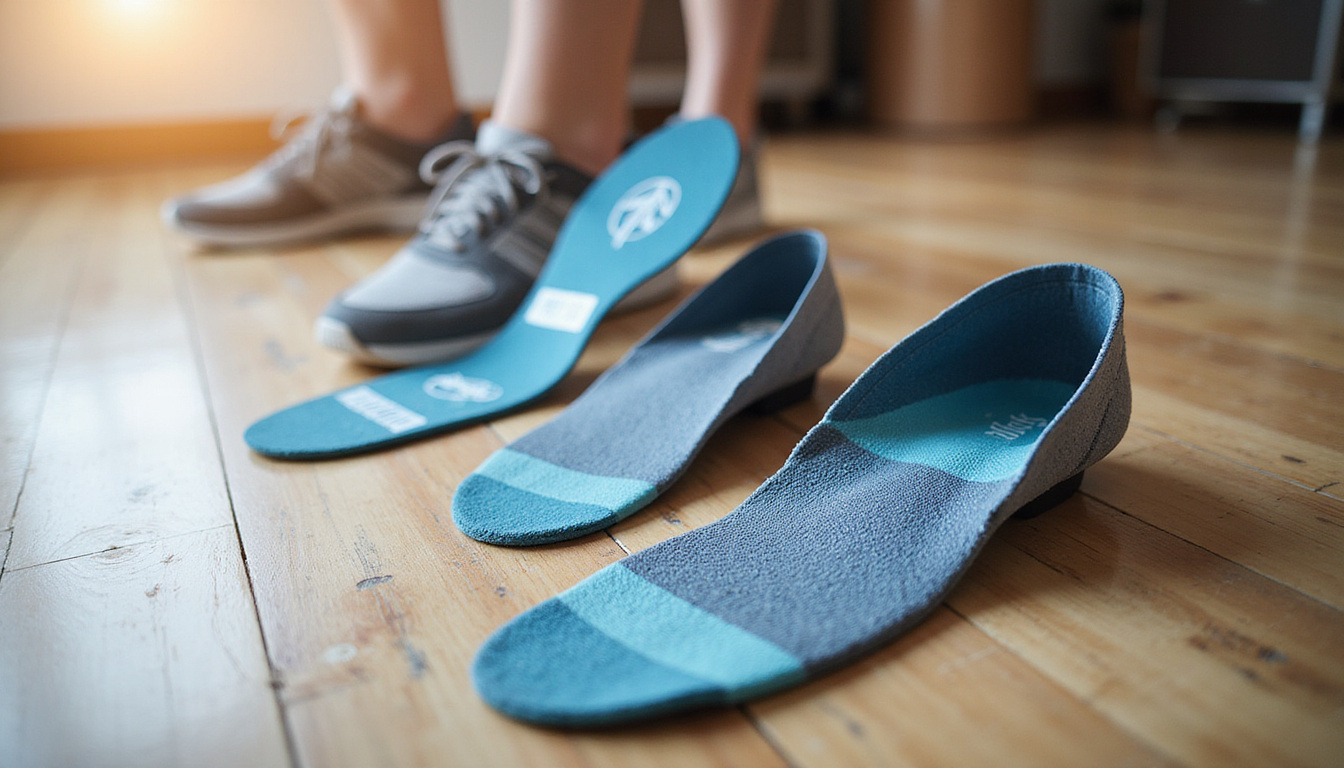
Insole and Support Options for Tennis Players
If you have ongoing foot tightness, insoles or orthotic inserts can help balance pressure on your foot.
Common options include:
• Over-the-counter sport insoles for extra arch support and cushioning.
• Heel cups or pads to focus support under the heel.
• Custom orthotics after a checkup with a professional.
Test new insoles during practice first. Your feet need time to adjust before using them in a match.
Off-Court Recovery Habits for Your Feet and Legs
What you do off the court can greatly affect your next session.
Recovery Routine for Tennis Feet
Think of it as a cool‑down for your lower body:
- Do gentle calf and foot stretches (like the ones above).
- Take a light walk instead of sitting straight away.
- Ice or cool your heel and arch as advised by your healthcare provider.
- Rest and elevate your feet; avoid long periods of standing.
- Check your shoes and socks for water, wear, or poor support.
Pay attention to overall muscle and joint care. Tight hips, hamstrings, and calves can force extra stress down your legs to your feet.
Supporting Joint and Muscle Health From the Inside
Tennis is hard on the body. Besides stretching and good shoes, some players use nutrition and supplements to help joints and muscles work well.
Remember:
• Dietary supplements cannot claim to treat, cure, or prevent diseases.
• They may support the normal structure and function of joints, muscles, and connective tissues.
Many tennis players focus on:
• Eating enough protein for muscle recovery.
• Balancing electrolytes for good muscle function, especially in hot US climates.
• Using nutrients like collagen, vitamins, and minerals that help your body in daily training stress (source: National Institutes of Health – Office of Dietary Supplements, https://ods.od.nih.gov).
When choosing a supplement, look for clear labels, a full list of ingredients, and manufacturing in a GMP-certified facility. Always consult with a healthcare provider before starting anything new.
Sample Daily Routine for a Tennis Player Managing Foot and Heel Pain
You can adjust this plan to fit your day:
-
Morning
• Do gentle calf and foot stretches before getting out of bed.
• Wear supportive, cushioned shoes at home instead of going barefoot. -
Pre‑Practice / Pre‑Match
• Spend 5–10 minutes on a dynamic warm‑up that includes ankle and foot drills.
• Do a quick tennis ball roll under your feet.
• Lace up in tennis shoes that are cushioned and fit well, with any needed insoles. -
Post‑Practice / Post‑Match
• Take a light walk and then stretch your lower body and calves.
• Cool your feet or elevate them as advised by your healthcare provider.
• Hydrate and eat well to help your muscles recover. -
Evening
• Check your weekly training load. Plan easier days before big matches.
• Get good rest and sleep to allow your body to rebuild.
FAQ: plantar fasciitis Questions From Tennis Players
Q1: What is plantar fasciitis in tennis terms?
A1: In tennis, we use the term for irritation or overload of the tissue along the bottom of your foot. It feels like a sharp or nagging pain in the heel or arch when you first get up or after a long match. A professional must diagnose the condition, but you can still use proper footwear, stretching, and recovery techniques.
Q2: How do you ease tennis-related plantar fasciitis pain?
A2: Many players find relief by combining several strategies: using tennis shoes with good cushioning and support, reducing play on hard courts, doing calf and foot stretches, using a tennis ball for rolling, and having structured warm‑ups and cool‑downs. If the pain stays or worsens, see a healthcare provider.
Q3: What are the best shoes for tennis players with plantar fasciitis?
A3: The right shoe depends on your foot type and playing style. Generally, look for shoes with a cushioned heel, good arch support, lateral stability for quick side moves, and a firm heel counter. Many US players also add sports insoles or heel cups for extra comfort. Always try on shoes later in the day when your feet are a bit larger and use the socks you plan to wear on court.
Why Many Tennis Players Choose Regenerix Gold to Support Joints and Muscles
American tennis players know that missing play due to pain costs money and time. Court fees, tournament entries, coaching, and work hours all add up if your body fails you.
That is why many smart players choose a daily supplement that supports healthy joints, muscles, and connective tissue. Regenerix Gold helps keep your joints and muscles working well. It is ideal for tennis players who want to move freely, train consistently, and protect their ability to play over a long career.
If you see yourself as more than a weekend player, think of performance, longevity, and the benefits of smart recovery. Regenerix Gold might be a wise routine choice. Before you start any supplement, talk with your healthcare professional. Decide if you want to play casually or compete at a high level for many years.
Regenerix Gold
Health Note
Always consult a licensed medical doctor for your health issues.
Special Discount
If you prefer preventive nutrition to minimize expensive knee surgery and potentially addictive pharmaceuticals, Regenerix Gold is your savvy solution.
You qualify for a special discount.
Simply use the link below and a discount will automatically be applied during checkout.
Get Regenerix Gold => HERE


