

If you’re racking up miles as a delivery driver, your body needs care. Driver ergonomics is not a fancy word. It makes the difference between ending your route worn out or still ready to go. Long hours, repeated climbs, and moving heavy packages all matter. How you sit, adjust your seat, and move on the road can help your body or wear it down.
This guide gives you 7 quick seat and posture fixes made for American delivery drivers. If you feel tight, you ache, or you hurt, these tips can keep you in the game without breaking your body.
Why Driver Ergonomics Matters More for Delivery Drivers
Delivery drivers do not commute lightly. They sit for hours in seats that are not set up right. They twist to grab packages from many spots. They face hard brakes, potholes, and bouncing cars every day. Pressure from dispatch, customers, and tight schedules makes a difference too.
All that start‑and‑stop, bending forward, and twisting can stress:
• Your lower back and hips
• Your neck and shoulders
• Your knees and ankles
• Your hands, wrists, and forearms
Driver ergonomics means you set your driving position and movement so your body avoids harm. It is smart driving, not just enduring pain.
Hack #1: Dial In Your Seat Distance – No More “T-Rex Arms”
Many drivers sit too near or too far from the wheel. Sitting too close packs your knees and arms, while sitting too far makes you stretch and slouch. Both hurt over a long day.
How to set your seat distance:
- Sit back with your hips against the seat’s back.
- Put your heel on the brake pedal. Move the seat until your knee bends gently at about 120°. You should not have to stick out your leg.
- Hold the steering wheel at “9 and 3” so your elbows stay soft and not locked.
You are too close if:
• Your knees press into the dash
• Your elbows push up near your ears
• You feel cramped
You are too far if:
• You must reach for the wheel
• Your shoulders slouch forward
• Your upper back and neck work too hard to keep you upright
Even a half‑inch change helps over a 9–10‑hour shift.
Hack #2: Set Your Seat Height for Clear View and Calm Hips
Seat height is key. It helps you see the road and keeps your hips in a good place.
Your goals are to:
• See clearly over the dash
• Keep your hips slightly above your knees
• Prevent your thigh from getting squished by the seat edge
How to set it:
• Raise or lower the seat so your eyes sit halfway between the dash top and the windshield roofline.
• Make sure your hips rest a bit higher than your knees. This eases your lower back.
• Leave space behind your knees so the seat edge does not cut your circulation.
If you cannot change your seat height, try a firm wedge cushion to raise your hips gently.
Hack #3: Master Your Backrest Angle and Lumbar Support
A steep “gangster lean” is fun for a short ride but painful over time. Your back needs steady support.
Find the backrest sweet spot:
• Aim for a 100–110° angle. You should be slightly reclined but not slumped.
• Your shoulders should rest lightly on the backrest without straining your neck.
Set your lumbar support so it softly fills your lower back’s natural curve. You should feel calm support and no hard pressure. If your seat lacks lumbar support, use a small rolled towel at the small of your back.
With proper lumbar support, you do not have to strain your muscles to hold you up.
Hack #4: Steering Wheel Setup – Protect Your Neck and Shoulders
The steering wheel’s position can save your neck and shoulders.
For the wheel, check these points: • With your shoulders relaxed, extend your arms so your wrists rest on the wheel. Slide your hands to “9 and 3.” Your elbows should bend comfortably. • Adjust the wheel height so you see the dash easily. Your forearms should be near parallel to the ground or slope slightly downward.
This simple setup helps you avoid:
• Overreaching that hurts your upper back and shoulders
• Shrugging shoulders that cause neck tightness
• Arm fatigue from a too high or too low wheel
You want to steer while keeping your shoulders at ease.
Hack #5: Headrest, Mirrors, and “No-Twist” Package Grabs
A few small changes can protect your neck and spine every day.
Headrest position:
• Align the top of the headrest with the top of your head.
• Let the back of your head rest near the headrest.
This helps your neck when you hit potholes or brake hard.
Mirror setup:
• Tilt side mirrors so a small glance shows the lane. Avoid a full neck twist.
• Set the rearview mirror so you see it with little head movement.
“No-twist” rule for packages:
• Never twist your back to grab boxes while buckled in.
• If you need an item from the right side or back, put the vehicle in park.
• Unbuckle the seatbelt. Then turn your hips, shoulders, and feet as one body unit.
Taking a few extra seconds now can prevent pain for months or years.
Hack #6: Micro‑Breaks, Stretch Stops, and Smart Exits
Even a perfect seat setup cannot undo hours in one position. Your body was made to move.
Micro‑breaks at stops or lights:
• Roll your shoulders backward 5–10 times.
• Turn your head slowly from left to right in a safe range.
• Squeeze and release your glutes a few times to boost blood flow.
Smart cab exits:
• Instead of twisting when you exit, pivot your entire body so both feet face the door.
• Firmly plant both feet on the ground.
• Stand up with your legs instead of pulling on the wheel.
Short stretch breaks, even for 2–3 minutes every few hours, help you feel better. Try:
• A gentle hamstring stretch with one foot on a step
• A calf stretch leaning into the truck
• A chest opener by placing your forearm on the door frame and turning away slightly
Regular movement keeps your muscles and joints ready for work. (source: CDC – Ergonomics and Musculoskeletal Disorders)
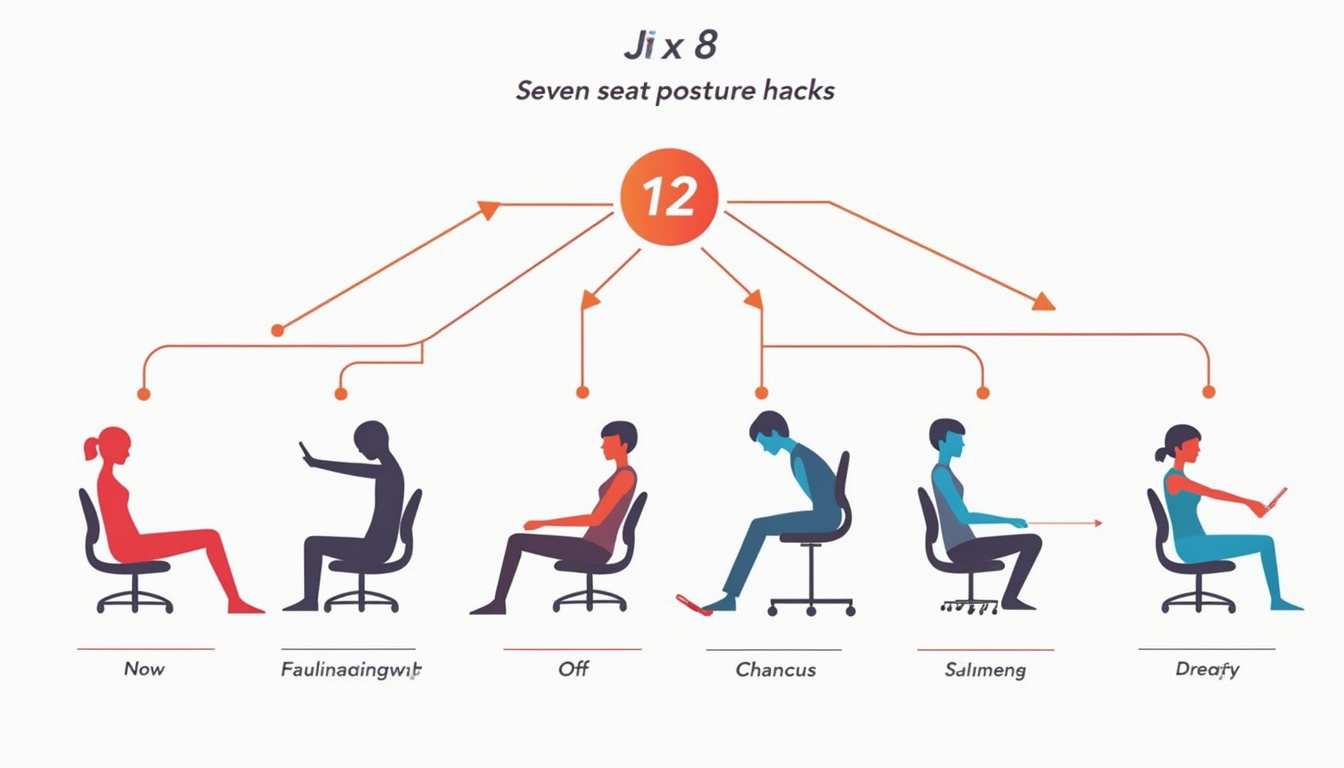
Hack #7: Support Your Body From the Inside – Nutrition and Supplements
Ergonomics sets up your body from the outside. What you eat and drink supports your muscles and joints too. Delivery drivers often resort to quick snacks and grab foods that do not support health.
Everyday support habits:
• Hydrate steadily throughout the day.
• Include protein with every meal or snack to help your muscles.
• Eat colorful fruits and vegetables that give antioxidants to handle daily stress.
Supplements can offer extra help. For drivers who push their bodies hard, a good supplement can support:
• Smooth joint movement
• Muscle recovery after a long shift
• Overall strength against repetitive strain
This is where Regenerix Gold comes in. It is an option for drivers who wish to support their joints and muscles for long days on the road.
Quick Driver Ergonomics Checklist for Every Shift
Before you start your route, check this list:
• Seat distance: Your knees should be gently bent. You must not reach too far for pedals.
• Seat height: Your hips stay a bit above your knees and you have a clear view of the road.
• Backrest: Your seat reclines slightly so your shoulders find ease.
• Lumbar: Your lower back is supported and relaxed.
• Steering wheel: Your arms reach comfortably with bent elbows and relaxed shoulders.
• Headrest: It sits at head level and close behind your head.
• Mirrors: They need only a small head turn to see clearly.
Spending 1–2 minutes on this setup can make your whole shift better.
FAQ: Driver Ergonomics for Delivery Drivers
-
What is driver ergonomics in simple terms?
It is the way you set your seat, steering wheel, mirrors, and movement to keep your body safe. It lets your vehicle work for your body instead of the other way around. -
How does better posture help my joints and muscles?
A good posture spreads the work evenly. It takes stress off your lower back, hips, neck, and shoulders. Over time, fine‑tuning your driving ergonomics makes you feel more comfortable. -
Are these ergonomic tips enough on their own?
They are a smart first step. However, many drivers need more support. Combine better ergonomics with regular movement, good nutrition, and maybe a supplement plan to fully protect your body.
Why Savvy Delivery Drivers Are Turning to Regenerix Gold
This job is tough on the body. For a delivery driver, a bad day physically can cost you work. Taking ergonomics seriously protects your livelihood. Picking the right daily support is key.
Regenerix Gold is made for people who work hard every day. It helps keep your joints and muscles ready so that long routes do not slow you down. It does not cure or treat disease, but it fits well with habits like:
• Fine‑tuned driving ergonomics
• Regular movement and stretches
• Better food, hydration, and rest
Medical bills and missed work hurt your budget. A strong routine protects you. Drivers who plan for long‑term health enjoy more freedom and stability.
If you upgrade your gear and plan ahead, do the same for your body. Use smart driver ergonomics every shift and consider adding Regenerix Gold. Give your joints and muscles the support they need so you can keep living—and driving—on your own terms.
Regenerix Gold
Health Note
Always consult a licensed medical doctor for your health issues.
Special Discount
If you prefer preventive nutrition to minimize expensive knee surgery and potentially addictive pharmaceuticals, Regenerix Gold is your savvy solution.
You qualify for a special discount.
Simply use the link below and a discount will automatically be applied during checkout.
Get Regenerix Gold => HERE


