

If elbow stiffness makes typing, using your mouse, or picking up your coffee mug hard, you are not alone. Many American desk workers battle elbow stiffness. They think it is just part of the job. They assume it will fix itself. When your work depends on a keyboard, trackpad, or phone, you may see that ignoring stiffness leads to more discomfort and less productivity.
This guide shows what elbow stiffness is, explains why desk work can cause it, and offers ways to ease it today. You can try simple stretches, adjust your desk, or change your nutrition. These steps help your joints and muscles feel more supported.
Why desk work often leads to elbow stiffness
Even when you sit, your elbows face constant stress. Desk work can push your elbows in these ways:
- Typing for hours with bent elbows.
- Holding a mouse in a narrow range of motion.
- Cradling your phone between your neck and shoulder.
- Leaning your elbows on a hard desk during video calls.
Over time, these habits may cause:
- Tight forearm muscles and tendons.
- A stiff or “rusty” feeling when you move your arm.
- Discomfort when reaching, lifting, or twisting (for example, when opening doors, picking up a laptop, or pouring a drink).
These signs are common and do not give a firm diagnosis. If you feel sharp pain, see swelling or heat, or cannot move your elbow well, please speak with a licensed healthcare professional.
Check your workstation: Are your elbows paying the price?
Before you blame your elbow stiffness on age or bad luck, look at your workstation. Many desk workers say they have “T-Rex arms at my laptop” or that they “hover over their keyboard all day.” These habits add up over time.
Here are some key ergonomic red flags:
- Your elbows press too close to your body or stretch too far to reach the keyboard.
- Your desk is too high or too low, which makes your shoulders lift or your back slouch.
- Your armrests are too low or missing, so your elbows float for hours.
- Your mouse sits too far away, causing you to reach and twist your forearm.
Aim for this neutral, joint-friendly posture:
- Rest your elbows at about 90–100 degrees, lightly by your sides.
- Keep your forearms parallel to the floor.
- Hold your wrists in a neutral position—they should not bend sharply.
- Place your keyboard and mouse close so you do not have to reach.
Even small changes—raising your chair, lowering your desk, or bringing your keyboard closer—can ease pressure on your elbows and help them feel less stiff.
Simple desk-friendly stretches for elbow stiffness
Stretching does not force your joints. It helps reset the muscles and tissues that tighten during work.
Try these stretches 2–3 times per day, especially mid-morning and mid-afternoon. Move slowly and stay in a comfortable range. Stop if you feel sharp pain and check with a medical professional.
1. Seated forearm flexor stretch
- Sit up straight with relaxed shoulders.
- Extend one arm in front of you with your palm up.
- Use your other hand to pull your fingers downward. Your palm should turn away from you.
- You will feel a stretch along the inside of your forearm and at the front of your elbow.
- Hold this for 15–20 seconds, breathe steadily, and then switch sides.
2. Seated forearm extensor stretch
- Extend your arm with your palm facing down.
- Use your other hand to pull the back of your hand toward you.
- You will feel a stretch along the top of your forearm and at the back of your elbow.
- Hold for 15–20 seconds, and then switch sides.
3. Elbow bend-and-straighten “oil can” movement
- Sit or stand with your arms at your sides.
- Slowly bend your elbow and bring your hand toward your shoulder.
- Then, slowly straighten your arm as if you are smoothing out kinks.
- Do 10–15 repetitions per arm in a comfortable range.
This move suavely “oils” your stiff elbow during your day.
4. Desk-edge triceps stretch
- Stand or sit close to your desk.
- Place your forearm flat on the desk so that your elbow bends and points downward.
- Shift your body forward until you feel a mild stretch behind your upper arm and around your elbow.
- Hold for 15–20 seconds and then switch arms.
5. “Typing reset” micro-break
Every 30–45 minutes do this:
- Let your hands drop to your lap.
- Shake your wrists and elbows lightly for 10–15 seconds.
- Roll your shoulders up and back 5–10 times.
- Return to your neutral typing position.
These short breaks help move blood and stop stiffness from building.
Strengthening moves to support a less-stiff elbow
Gentle strengthening moves can support the tissues around your elbow. They help your elbow handle desk work, lifting laptops, or carrying groceries.
Try these moves 3–4 times per week with light resistance (a light dumbbell, water bottle, or resistance band). Stop if you feel sharp discomfort.
-
Wrist curls (palm up and palm down)
- Sit with your forearm on the desk, letting your hand hang off the edge.
- Hold a light weight with your palm up. Curl your wrist toward you, then lower slowly.
- Do 10–15 repetitions and then repeat with your palm down.
-
Isometric “handshake” hold
- Place your palms together in front of your chest with elbows out.
- Press your hands gently together for 5 seconds, then relax.
- Do 8–10 repetitions.
-
Light towel squeeze
- Roll a towel into a log.
- Hold it with one hand and squeeze gently for 5 seconds, then relax.
- Do 10–15 squeezes for each hand.
These moves work the muscles around your elbow. They help your elbow feel less stiff and overworked during desk tasks.
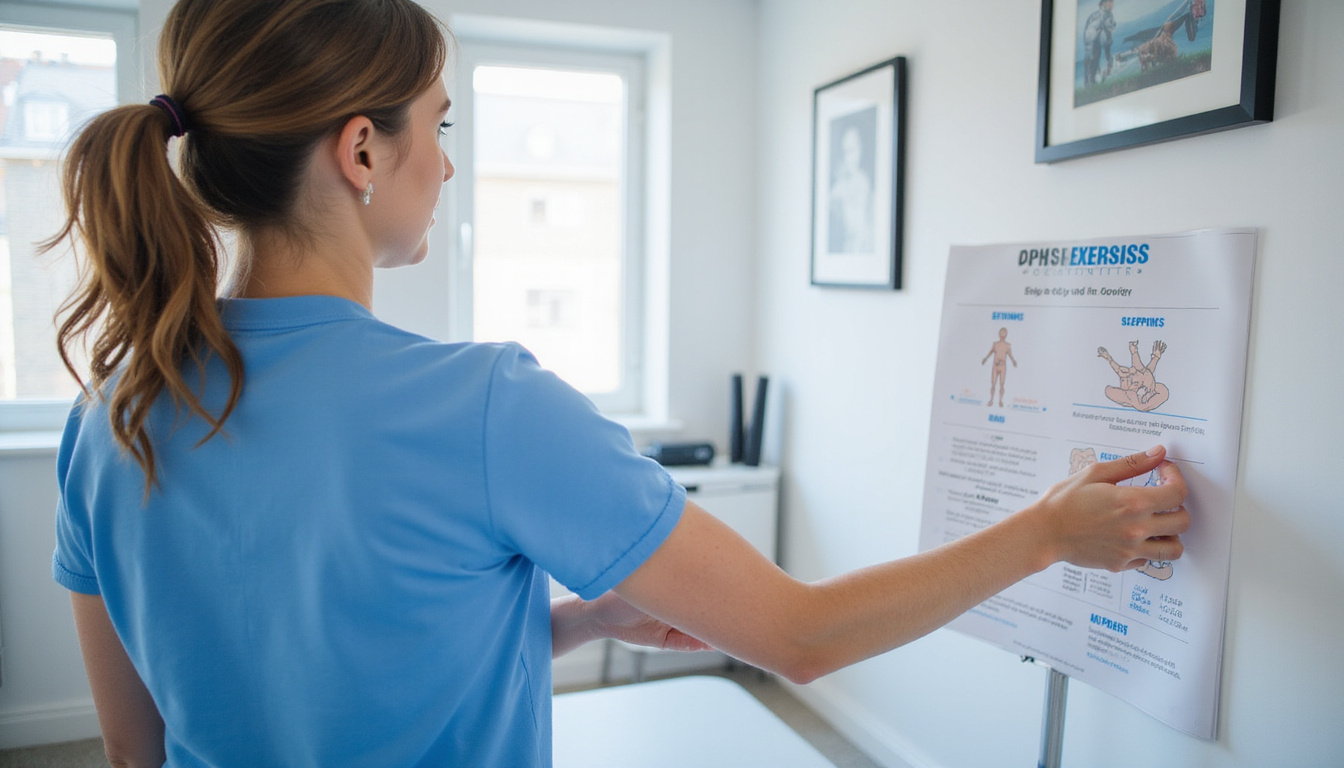
How your daily habits can make elbow stiffness better—or worse
In addition to stretches and strengthening, small daily patterns can affect your elbow. Pay attention to these:
- Phone use: Do not hold your phone with a bent elbow for long periods. Choose speaker mode or use a headset.
- Laptop-only setup: Laptops can force awkward elbow positions. Use an external keyboard and mouse if possible.
- Leaning on your elbows: Resting your elbows on hard surfaces during video calls may irritate your tissues.
- End-of-day posture: Slouching on the couch with your laptop or scrolling on your phone with bent elbows can undo your daytime efforts.
Think of your elbows as active all day. They need a range of movements and postures to stay comfortable.
Nutrition support for joints and muscles: The role of Regenerix Gold
Along with stretches, strengthening, and good ergonomics, many desk workers also try nutrition to support joints and muscles. A well-formulated supplement can work with these healthy habits.
Regenerix Gold is a nutritional supplement for healthy joints and muscles. Doctors and physical therapists recommend it. People around the world have used it for over a decade. Users say it helps them stay active and comfortable.
This supplement is not a cure for any disease. It does not replace medical care. Instead, it offers targeted nutritional support along with a balanced diet and regular exercise.
<iframe width="560" height="315" src="https://www.youtube.com/embed/mGrH5UWFxUs?si=enLOx67aeklAOHfA" title="YouTube video player" frameborder="0" allow="accelerometer; autoplay; clipboard-write; encrypted-media; gyroscope; picture-in-picture; web-share" referrerpolicy="strict-origin-when-cross-origin" allowfullscreen></iframe>
For desk workers who face recurring elbow stiffness, the benefit is clear:
- It gives targeted nutrition for joint and muscle support.
- It has a long record with over 10 years of international use.
- It is supported by health professionals such as doctors and physical therapists. This can bring peace of mind when you make a smart, informed choice.
Always check the label, follow the directions, and speak with your healthcare provider if you are pregnant, nursing, on medication, or have other health concerns.
How to combine stretches, ergonomics, and nutrition into a daily routine
Here is one way to build these habits into your day:
-
Morning (before or right after you log on):
- Do 3–5 minutes of forearm and elbow stretches.
-
During work:
- Every 45–60 minutes, take a micro-break with shoulder rolls and elbow “oil can” moves.
- Keep your elbows at 90–100 degrees. Adjust your chair or keyboard as needed.
-
Lunch break:
- Take a short walk to boost blood flow in your upper body.
-
Late afternoon:
- Spend 5–10 minutes on light strengthening with wrist curls and isometric presses.
-
Daily nutrition:
- Follow the directions for Regenerix Gold. For example, take it with a meal to support your joints and muscles from the inside.
By combining movement, proper posture, and good nutrition, you build a long-term solution instead of a quick fix.
When elbow stiffness deserves professional attention
Many mild signs improve when you change habits. But sometimes, you must get professional help. Speak with a doctor or licensed physical therapist if you notice:
- Stiffness that worsens over time.
- Difficulty fully bending or straightening your elbow.
- Swelling, warmth, or visible changes in your elbow.
- Numbness, tingling, or weakness in your hand or fingers.
- Elbow stiffness after a fall or injury.
A professional can check your situation, rule out serious problems, and guide you. They can also advise how a nutritional supplement like Regenerix Gold might fit into your plan.
For more details on how joints and tissues respond to work, you can see resources from the CDC’s National Institute for Occupational Safety and Health (NIOSH) (source).
FAQs about elbow stiffness and joint support
Q1: What are common causes of elbow stiffness for desk workers?
Desk work leads to long hours of typing with bent elbows, repeated mouse use, leaning on hard surfaces, and poor workstation setup. These habits make the muscles and tissues around the elbow feel tight and overworked.
Q2: Can stretches really help with stiff elbow joints from office work?
Yes. Gentle and regular stretches with movement breaks increase blood flow and ease tension. They work best when you also improve your desk setup and posture.
Q3: How can a joint support supplement help with elbow stiffness from sitting all day?
A joint support supplement does not fix elbow stiffness by itself. However, a product like Regenerix Gold gives nutritional support to your joints and muscles. When you combine it with ergonomic changes, stretching, and strengthening, it becomes part of a full plan to stay comfortable during long desk hours.
Take the next step: Protect your elbows—and your career
As a desk worker, you may focus on your work and forget your elbows. But when elbow stiffness makes typing, using a mouse, or carrying items hard, your comfort and productivity decline. This can create more discomfort, stress, and even higher healthcare costs later.
You do not have to wait until the pain gets worse. Act now:
- Adjust your workstation so that your elbows stay in a neutral and supported position.
- Add short, practical stretches and strengthening moves throughout your day.
- Consider adding Regenerix Gold to your routine. It is a smart, nutrition-based way to support healthy joints and muscles—especially if you plan to work at a desk for many years.
Many people wait until discomfort cuts into their work or life before acting. You can be proactive and informed. Protect your long-term comfort and productivity.
If you value productivity, lower healthcare costs, and lasting body resilience, now is the time to act. Get a bottle of Regenerix Gold, try these stretches and desk tweaks, and feel the difference in your elbows at work and at home.
Health Note
Always consult a licensed medical doctor for your health issues.
Special Discount
If you prefer preventive nutrition to minimize expensive knee surgery and potentially addictive pharmaceuticals, Regenerix Gold is your savvy solution.
You qualify for a special discount.
Simply use the link below and a discount will automatically be applied during checkout.
Get Regenerix Gold => HERE


