

If you use a forearm crutch because your knees hurt when you bear weight, you know a bad fit makes matters worse. A poor fit does not remove the strain from your joints. Instead, it can fire up your wrists, strain your shoulders, and even raise your risk of falling. With a few expert fitting tips and the right joint support, you can walk with more confidence and less daily discomfort.
This guide is for people in America who live with knee aches, stiffness on stairs, catching or “giving way,” and other signs that your joints are no longer 20. ---
Why forearm crutch fitting matters (especially when your knees hurt)
Many people receive a forearm crutch at discharge. They are told, “Adjust it to your height” and then left alone. For sore knees, that advice can lead to:
- Extra pounding on the joint with every step
- Leaning forward or sideways to ease the sore leg
- Overloading the “good” leg until it too complains
A proper fit helps you:
- Spread weight through your hands, forearms, and upper body
- Soften the jolt that reaches your knees with each step
- Walk upright to protect your back and hips
- Lower the risk that the tip will slip or catch on a crack
Think of fitting as “tuning” your forearm crutch to your body. It is like tuning a bike to fit your height and riding style.
Step-by-step: How to fit a forearm crutch to your body
Follow these steps with someone watching you. It is best to stand in front of a mirror.
1. Wear your real-world shoes
Put on the shoes you normally use to get around: walking shoes, work shoes, or the shoes you wear to your medical appointments. Your heel height changes your arm angle and overall posture. Set the crutch for real-life use, not for bare feet.
2. Start with overall height
- Stand tall in your natural, slightly bent-knee posture.
- Place the forearm crutch about 2–3 inches to the side and 4–6 inches in front of your foot—the spot you normally plant it.
- Adjust the lower shaft so the handgrip aligns with the crease of your wrist when your arm hangs relaxed.
When you grab the handle, your elbow should bend slightly (about 15–30 degrees). If your elbow is almost straight, the crutch is too tall. If it is bent sharply, it is too short.
3. Dial in the forearm cuff height
The cuff must support your forearm without pressing on your elbow.
- The top of the cuff should rest 1–2 inches (about 2–3 finger widths) below the bony tip of your elbow.
- The cuff should be snug but not tight—you should not feel pinching or twisting.
If the cuff sits too high, you will feel it jam the back of your elbow with every lean. If it sits too low, you lose the stable “brace” you need when your knee feels weak.
4. Check your standing posture
With both crutches adjusted, stand as if you are about to take a step. Look ahead; do not watch your feet. Relax your shoulders so they do not hunch toward your ears. Let your wrists stay neutral; they should not bend sharply back or down.
If you lean too far forward, the crutch may be too short. If you feel pushed backward or your shoulders tighten, the crutch may be too tall.
Common fitting mistakes that raise pain and fall risk
Even a well-sized forearm crutch can create problems if you use it with some common bad habits.
Mistake 1: Planting the crutch too far ahead
Reaching far forward for “security” makes you less stable. It increases pressure on your shoulders and wrists.
• Fix: Plant the tip no more than 6–8 inches in front of your toes.
Mistake 2: Letting the tip angle inward
If the bottom of the crutch tilts inward toward your foot, a slip can send you sideways.
• Fix: Keep the crutch nearly vertical or with a slight outward angle. This gives you a wide, stable base.
Mistake 3: Locking the elbows
Locking your elbows transfers every bump directly into your shoulders and neck.
• Fix: Keep a soft bend in your elbows so your arms work like shock absorbers.
Mistake 4: Cuff gripping your arm too tightly
A cuff that is too tight may rub, cause skin irritation, and make you feel trapped.
• Fix: Loosen the cuff so that you can slide your arm out if needed, but keep it secure so the crutch does not swing.
How to walk with a forearm crutch when your knee is touchy
Your walking pattern depends on how much weight your knee can handle. Always follow your clinician’s directions. Here are some general tips:
- Partial weight-bearing: Move the crutch and the sore leg together. Then step through with your other leg.
- Minimal weight on the sore leg: Move both crutches first. Then step through with the better leg. Let the sore leg lightly touch the ground.
- Uneven or painful days: Shorten your steps and slow down. Smaller, controlled steps reduce jolts to your knee.
Watch out for twisting your sore knee when you turn. Use several small steps instead of a sharp pivot. Also, avoid overloading the “good” leg so it does not start to hurt.
Pain points you can reduce with a properly fitted forearm crutch
If you have struggled with your forearm crutch for some time, you might notice:
- Burning or throbbing in the wrists after a short trip
- Achy shoulders or upper back by the end of the day
- A sore “good” knee from too much work
- Fear that the tip will catch on carpet edges, sidewalk cracks, or store thresholds
A correct fit often brings:
- Less sharp pain at the front of the knee with each step
- More confidence when bearing weight on the sore side
- A reduction in lurching or swinging your leg around
- A smoother, calmer gait that feels controlled and less tiring
Support the knees behind the crutches: Nutrition for joints and muscles
Even a perfect fit on your forearm crutch is just one tool. The goal is to help your knees and supporting muscles handle daily tasks better—climbing stairs, curbs, grocery aisles, long work hours, or playing with your grandkids.
A smart, nutrition-based approach can help. Many Americans now add joint nutrition to physical therapy and exercise. This extra support can help with:
- Smooth joint motion
- Resilient, responsive muscles
- Faster recovery after long days on your feet or crutches
Regenerix Gold: Nutrition support for healthy knee joints and muscles
For people serious about their knee support, Regenerix Gold is a supplement that many doctors and physical therapists recommend. It is made for those who want:
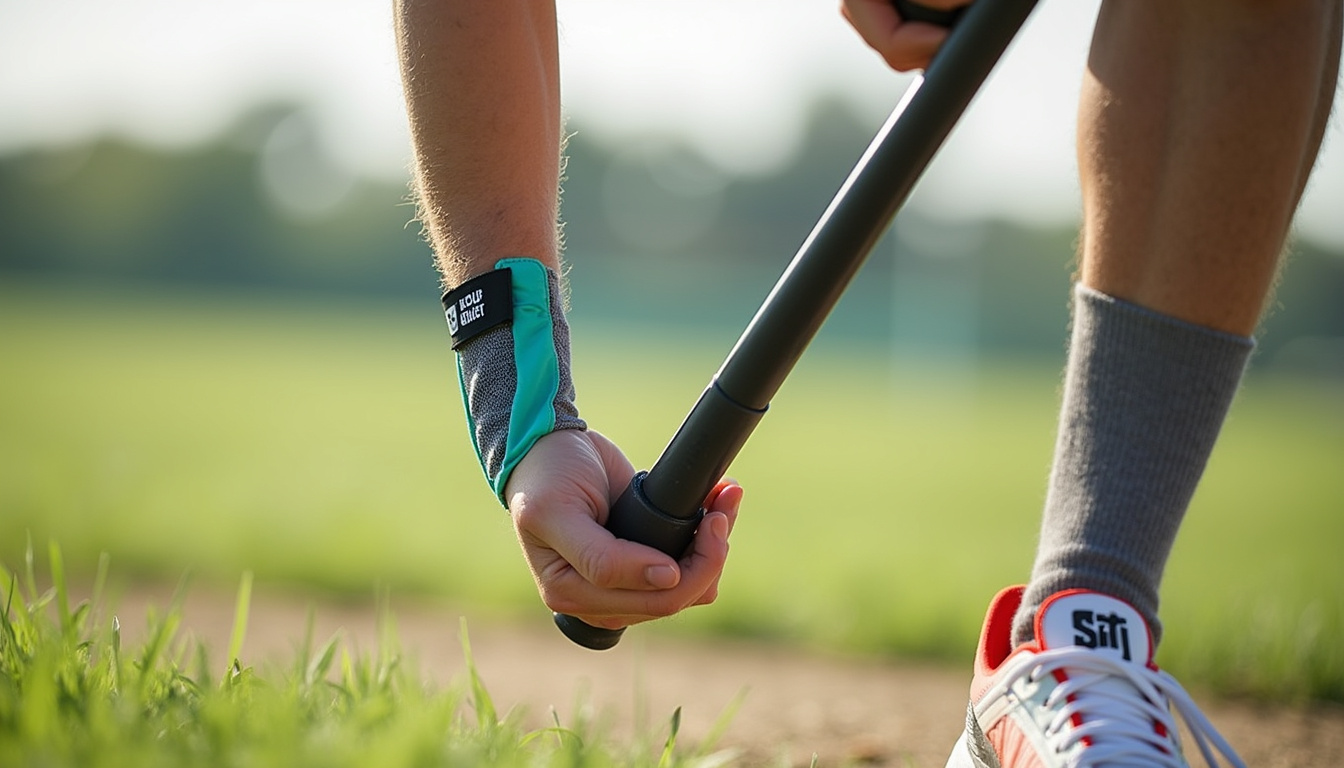
- Healthy knee joint function
- Strong muscles around the knee
- Support for an active life, whether walking the dog or working long shifts on your feet
Regenerix Gold is a nutrition-based solution. It supplies the key nutrients that your joints and muscles need. It is used internationally for over a decade, and many users report better daily comfort.
Because healthcare professionals widely recommend it, the supplement can naturally complement the advice you receive from your doctor or therapist.
<iframe width="560" height="315" src="https://youtu.be/mGrH5UWFxUs?si=enLOx67aeklAOHfA" title="YouTube video player" frameborder="0" allow="accelerometer; autoplay; clipboard-write; encrypted-media; gyroscope; picture-in-picture; web-share" referrerpolicy="strict-origin-when-cross-origin" allowfullscreen></iframe>
Remember:
- Regenerix Gold is not meant to diagnose, treat, cure, or prevent any disease.
- It should be used along with a proper treatment plan. It does not replace medical care, rehab exercises, or mobility aids like your forearm crutch.
- Talk with your healthcare professional before you begin, especially if you have any conditions, take medications, or are pregnant or nursing.
For more about joint health and nutrition, check the National Institutes of Health at NIH Office of Dietary Supplements.
Simple daily habits to add to your forearm crutch and joint nutrition
Layer these habits with your crutch use and joint nutrition strategies. They will help you get more out of every tool:
- Micro breaks: If you stand or walk a lot, sit for 2–3 minutes every hour. Straighten and gently bend your knees. Shake your legs out.
- Quad and hip work: Strengthen the muscles around your knees. Strong muscles help protect the joint.
- Weight management: Even a small weight loss can reduce the load on your knee with each step.
- Footwear check: Wear cushioned, supportive shoes. They reduce the shock that travels from the ground to your knees and hips.
- Surface awareness: Watch for wet spots, sand, loose rugs, and shiny tile. Even a well-fitted crutch can slip on dangerous surfaces.
Quick checklist: Is your forearm crutch set up safely?
Use this list to check your setup:
- [ ] The handgrip sits at the wrist crease when your arms are relaxed.
- [ ] Your elbows are slightly bent (not locked or sharply bent) when holding the handles.
- [ ] The cuff sits 1–2 inches below the elbow joint.
- [ ] The cuff is snug but not tight—you can slide your arm out if needed.
- [ ] The crutch tip is 2–3 inches from your foot and 4–6 inches forward when walking.
- [ ] Your shoulders feel relaxed and do not shrug.
- [ ] Your wrist stays neutral and does not bend sharply back.
- [ ] There are no rubbing points on your hands, forearms, or around the elbow.
If you are not sure, bring your forearm crutch to your next physical therapy or medical appointment. Ask them to watch you walk. Small adjustments can make a big difference.
FAQ: Forearm crutch use and joint support
Q1: How should a forearm crutch fit for knee problems?
A1: Adjust your forearm crutch so that the handgrip lines up with your wrist crease when your arms hang at your side. The cuff should be about 1–2 inches below your elbow. This setting gives your elbow a slight bend and improves shock absorption to help protect your knees.
Q2: Are forearm crutches better than underarm crutches for long-term knee support?
A2: For many people who need long-term support, a forearm crutch feels more comfortable. It avoids pressure in the armpits and allows a more natural arm swing. The best choice depends on your balance, upper-body strength, and your provider’s advice.
Q3: Can joint supplements really help if I’m already using a forearm crutch?
A3: A well-fitted forearm crutch protects your joints from extra load. A joint and muscle supplement like Regenerix Gold supports your body from the inside out. Together with exercise and professional advice, they help you stay active and comfortable. Remember, supplements are not a cure and should not replace expert care.
Take the next step: Upgrade your support, not just your crutch
You have taken an important step by using a forearm crutch instead of pushing through knee pain. Now, make sure your joints and muscles receive the nutritional support they need. This support helps with work, family, and daily activities.
Regenerix Gold is a nutrition-based method to support healthy knees and muscles. Doctors and therapists have recommended it for over a decade. In a world where medical care and lost workdays cost a lot, supporting your joints now is a smart choice.
If you want to be ahead of the curve and make smart decisions that others may delay, consider a bottle of Regenerix Gold. Use it with a properly fitted forearm crutch and the daily habits in this guide. This combination will help you stay mobile, steady, and ready for your day.
Health Note
Always consult a licensed medical doctor for your health issues.
Special Discount
If you prefer preventive nutrition to minimize expensive knee surgery and potentially addictive pharmaceuticals, Regenerix Gold is your savvy solution.
You qualify for a special discount.
Simply use the link below and a discount will automatically be applied during checkout.
Get Regenerix Gold => HERE


