
hip osteoarthritis: Proven Strategies to Reduce Pain and Restore Mobility
by Zestora on Dec 29, 2025

If you’re a former athlete in America, you pushed your body hard. You felt the strain for years. You now face stiff hips, rusty first steps, or grinding after long sits. These clues point to hip osteoarthritis. You might never have seen a scan or received a label. The good news is clear. You can ease the pain and regain motion while keeping your active self.
Why Former Athletes Are Prime Targets for Hip Wear and Tear
Former athletes in sports like football, basketball, soccer, track, and hockey load their hips hard. They cut, pivot, land forcefully, and collide. They squat heavy weights and push through tight hips and groin pulls. Each action wears on the cartilage and surrounding tissue. Over time, the hip feels stiff, sore, and loses its range.
• Repeated cutting and pivoting
• Hard landings and collisions
• Heavy squats, deadlifts, and Olympic lifts
• Playing through “hip tightness” and “groin pulls”
The signs are clear. You feel rusty when you stand. Warm-ups take longer. Squats and lunges lose their flow. Long drives or flights leave your hips locked. You are not broken, and you are not “old.” You are an ex-athlete with a long training history. Now, you must train smarter for joint longevity.
Understanding Hip Osteoarthritis in Athlete Terms
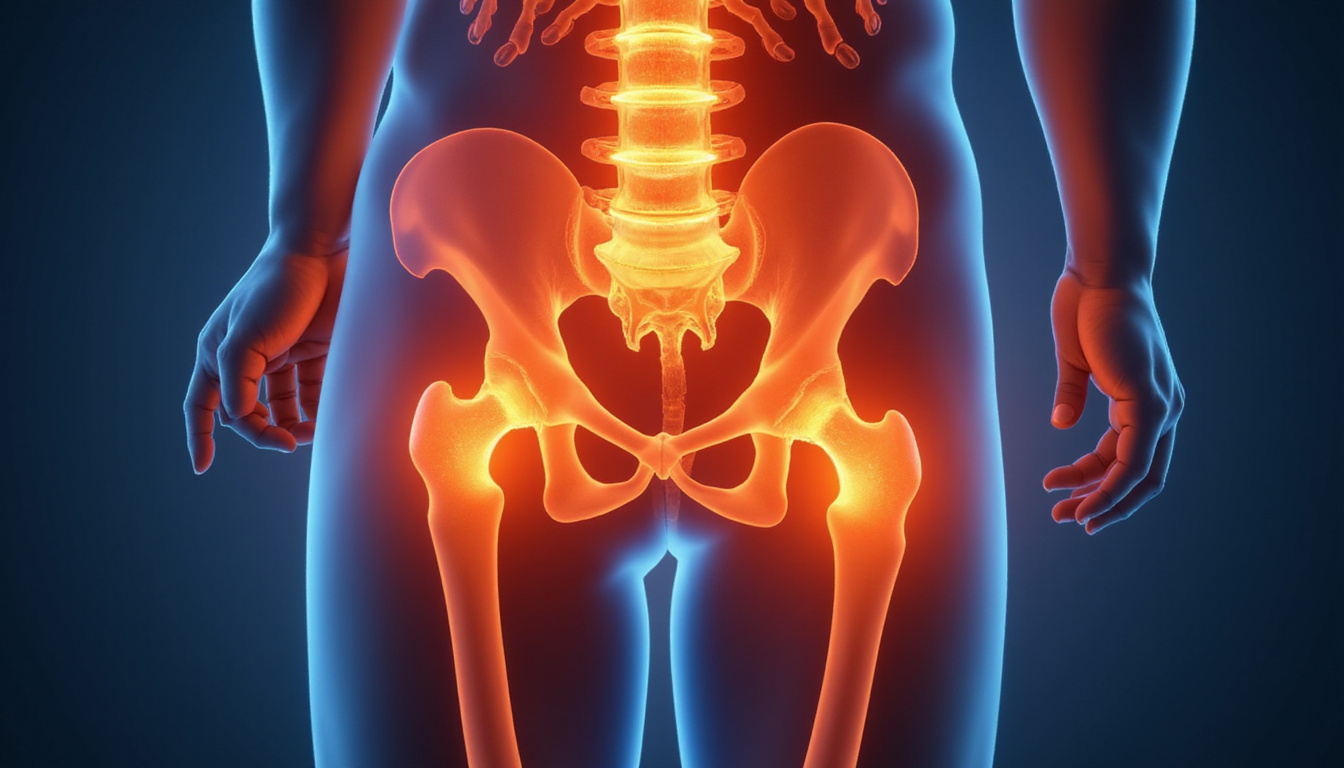
Forget the complex jargon. Your hip acts like a high-performance ball-and-socket joint. Years of play create three key effects:
- The bearing surface loses its smoothness. You feel grinding or catching.
- The muscles around the hip grow unbalanced. Tight hip flexors, weak glutes, overactive adductors, and stiff hamstrings all affect joint loading.
- Your movement changes. To avoid pain, you favor one side, shorten your stride, or twist your pelvis. This adds more stress to your hip.
Your goal is not to fix a broken part. It is to improve the way you move, recover, and fuel your body. In this way, your hip can work well for longer.
Proven Movement Strategies to Reduce Hip Discomfort
You know about training cycles, progressive overload, and proper form. Now, use that same mindset to control hip pain.
1. Prioritize Daily Mobility Work
Remember your long dynamic warm-ups before big games? Use that idea now. Spend 5–10 minutes twice a day on hip care. Focus on moves where the key words stick close:
• Hip flexor stretches (try the half-kneeling stretch with glute activation).
• Glute activation exercises (do clamshells, banded lateral walks, and bridges).
• Hamstring and adductor mobility moves (practice 90/90 stretches and adductor rock-backs).
• Capsular mobility drills (perform controlled hip circles and lying internal/external rotations).
2. Train Strength, But Change the “Game Plan”
You do not need to chase personal records. You need joint-respectful, consistent work.
• Swap heavy back squats for goblet squats, box squats to a safe depth, or split and Bulgarian split squats.
• Swap heavy deadlifts for Romanian deadlifts, hip hinges with dumbbells or kettlebells, or hip thrusts and glute bridges.
• Keep your volume smart: do 2–4 sets of 8–12 reps at an effort of 6–7 out of 10. You are not preparing for a combine; you are training for decades of quality movement.
3. Use “Good Soreness” as Your Guide
You know the feel of muscle burn versus joint pain. Use these simple rules:
• During exercise, allow only mild joint discomfort.
• Post-exercise, the discomfort should fade within 24 hours.
• The next day, your hip should not feel much worse than your baseline.
If your hip grows angrier for more than a day, reduce load, depth, or volume.
Conditioning Without Punishing Your Hips
Your competitive fire remains alive. You simply adjust your moves to protect your hips.
Low-Impact, High-Return Options
Choose moves that help without high impact:
• Cycling or using a stationary bike boosts hip circulation with controlled stress.
• An elliptical trainer gives you a strong workout with low impact.
• Swimming or deep-water running offers zero-impact conditioning.
• Walking on an incline eases pressure on the hips compared to running.
Sprinting is still an option—but treat it as a specialty session, not a daily routine. Avoid hard surfaces if your hip consistently flares.
Recovery Habits That Pay Off Over Time
You once thrived on intense training, but recovery is now key. In hip care, recovery is not optional.
1. Sleep Like You’re in Championship Week
Sleep repairs your body. Aim for 7–9 hours every night. Keep a regular schedule and avoid screens and heavy meals before bed. Good sleep improves joint comfort and function.
2. Smart Use of Heat, Cold, and Self-Massage
Remember the training room tools you used back in the day:
• Use heat (a warm shower or pad) before activity to loosen your hips.
• Use cold after heavy work if your hip feels inflamed.
• Use self-massage with foam rolling on the glutes, hip flexors, or IT band (avoid rolling directly on the joint).
These methods may not rebuild cartilage, but they do make movement more comfortable.
Nutrition and Supplement Strategies for Joint Support
For years, you fueled for performance. Now, fuel for longevity.
Nutrition Basics for Former Athletes With Hip Issues
Keep your body lean and strong. Extra weight stresses the joint, while too few calories weaken muscle support. Prioritize protein and stay well-hydrated to support both muscles and joints.
Where Supplements Can Fit In
Supplements in the U.S. do not diagnose, treat, cure, or prevent disease. They can support joint and muscle health when paired with training, good nutrition, and proper recovery. Many ex-athletes choose supplements that:
• Support joint comfort
• Help maintain strong cartilage and connective tissue
• Provide antioxidants for daily tissue stress
• Enhance overall musculoskeletal resilience
Always consult a healthcare provider before adding any supplement to your routine.
Lifestyle Adjustments That Don’t Sacrifice Your Identity
You do not abandon your athlete mindset; you adjust it.
Train for Performance You Actually Need Now
Your new goals may be different. They might include:
• Playing pain-free pickup games with your kids
• Walking 18 holes without pain
• Jogging, hiking, or lifting without fear of locking up
These goals still score high—they just measure daily performance rather than athletic records.
Move More, But Smarter, During the Day
Break long sitting periods every 30–45 minutes. Alternate between sitting and standing if you work at a desk. Use mini breaks for hip circles, leg swings, or gentle lunges. This way, you create a day-long routine that honors your training past.
Regenerix Gold: A Joint & Muscle Support Option for Former Athletes
After years of high-level play, choose wisely what you put into your body. Many former athletes now pick supplements made for joint and muscle support. Regenerix Gold is a premium option for those who:
• Want to support joint comfort while staying active
• Care about maintaining strong, capable muscles
• See their body as an asset that must pay dividends over time
• Prefer to invest in health now instead of paying later
Remember, Regenerix Gold is a dietary supplement. It does not diagnose, treat, cure, or prevent any disease, including hip osteoarthritis. Think of it as one piece of a wise strategy: targeted movement, smart load management, solid sleep, balanced nutrition, and thoughtful supplementation to support joint and muscle health.
If you monitor your metrics, value performance, and plan for long-term gains rather than quick fixes, Regenerix Gold fits your game plan. It’s made for those who quietly outperform their peers, stay sharp in life, and know that health is both a privilege and an investment.
Regenerix Gold
FAQ: Former Athletes and Hip Osteoarthritis-Style Symptoms
Q1: What early signs show hip issues in ex-athletes?
Many former athletes note stiffness when they rise, a grinding sensation when they move their hip, and discomfort after long drives or flights. Deep squats or lunges may feel limited, and you might shorten your stride. Only a healthcare professional can give a full evaluation.
Q2: Can exercises help with hip osteoarthritis or make it worse?
Yes, proper exercise can help. Strength work for the glutes, hips, and core, when paired with controlled mobility and low-impact conditioning, often eases joint discomfort. Avoid max-load “hero workouts.” Keep your form solid, your load moderate, and adjust if pain persists for more than a day.
Q3: Do supplements aid hip joint health for ex-athletes?
Supplements can support joint health when used with good training, nutrition, and recovery. Many former athletes choose joint-support supplements. These products do not diagnose, treat, cure, or prevent any disease. Research your options, consider premium choices like Regenerix Gold, and speak with your healthcare provider before starting any supplement.
You spent years building your body into a high-performance machine. The scoreboard may now be off, but the game continues. By training smart, respecting your hip’s history, and supporting your joints with movement, recovery, nutrition, and supplements like Regenerix Gold, you keep moving like the athlete you are—not by the number on your driver’s license.
Health Note
Always consult a licensed medical doctor for your health issues.
Special Discount
If you prefer preventive nutrition to minimize expensive knee surgery and potentially addictive pharmaceuticals, Regenerix Gold is your savvy solution.
You qualify for a special discount.
Simply use the link below and a discount will automatically be applied during checkout.
Get Regenerix Gold => HERE


