

If steps make your knees hurt, you are not alone.
Many adults in America wait for crunching, stiffness, and nagging aches before they try to save their knees.
The good news is clear. Science shows ways to protect your knees.
You can stay active longer and lower your chances of invasive procedures later.
Below are seven proven ideas for people who feel their “knee-age” catching up.
1. Respect Your Knee’s “Warning Lights”
People rarely go from comfort to barely walking overnight.
Your body sends clear warnings early:
• A dull ache after long hours on your feet
• Stiffness when you rise from a chair
• Twinges when you climb stairs or step off a curb
• Crunching or grinding when you bend your knee
These signs are not just the mark of aging.
They tell you, “Pay attention now to keep me strong later.”
Knee preservation begins when you listen early.
If you act in the “annoying” stage rather than when you cannot bear weight, you open many options to keep your knees well.
What you can do now:
• Note when pain appears: morning, after sitting, after walking, only on stairs, etc.
• Watch what makes it better or worse: special shoes, walking on hills, kneeling, squatting.
• Do not push through sharp or sudden pain: ease off and check in with yourself.
This self-awareness helps you change habits before stress overwhelms your knees.
2. Strengthen the Muscles That Protect Your Knee
Weak muscles harm knee health.
When muscles around the knee do not work well, the knee bears more stress with each step, jump, or squat.
The key muscles that support your knee are:
• Quadriceps (front thigh): help you rise from chairs and stairs, and control your speed downhill.
• Hamstrings (back thigh): balance the quads and help you bend with care.
• Glutes (butt muscles): keep your hips aligned, so your knee does not cave in.
• Calf muscles: help your lower leg support weight when walking.
Try joint-friendly exercises that start pain-free and move slowly:
- Straight-leg raises while lying down
- Wall sits for 10–20 seconds
- Glute bridges that lift your hips
- Mini squats or chair squats instead of deep squats
- Step-ups on a low step, with a rail if needed
Work on these 2–3 times each week.
You build a strong, muscle-based knee brace that shares the load.
If you are unsure, a physical therapist can guide you (source: American Academy of Orthopaedic Surgeons).
3. Take Pressure Off: Weight, Footwear & Surfaces
Extra body weight adds pressure to your knee with each step.
Even small changes make a big difference:
• Losing 5–10% of your body weight (if you are above a healthy range) eases knee strain.
• Walking on soft surfaces like grass, tracks, or a treadmill reduces impact.
• Wearing supportive shoes with cushioning and good arch support improves knee tracking.
Many people notice:
• Bad knees hurt more on hard floors such as tile or concrete.
• Worn-out shoes make knees ache faster.
• Walking downhill stresses your knee more than walking uphill.
Knee preservation uses every tool: weight, surfaces, and shoes all matter.
4. Move More, but Move Smart
When your knees hurt, you might want to rest.
However, too much rest stiffens joints and makes the first steps rough.
Instead, choose frequent, gentle movement:
• Take short walks many times a day rather than one long, hard walk.
• Stand or stretch each 30–60 minutes at your desk.
• Pick low-impact exercises like stationary cycling, using an elliptical, pool walking, light swimming, gentle yoga, or tai chi.
When your knees are sensitive, move smooth and controlled; avoid fast, explosive actions.
Jumping, running on concrete, or high-impact aerobics may worsen symptoms.
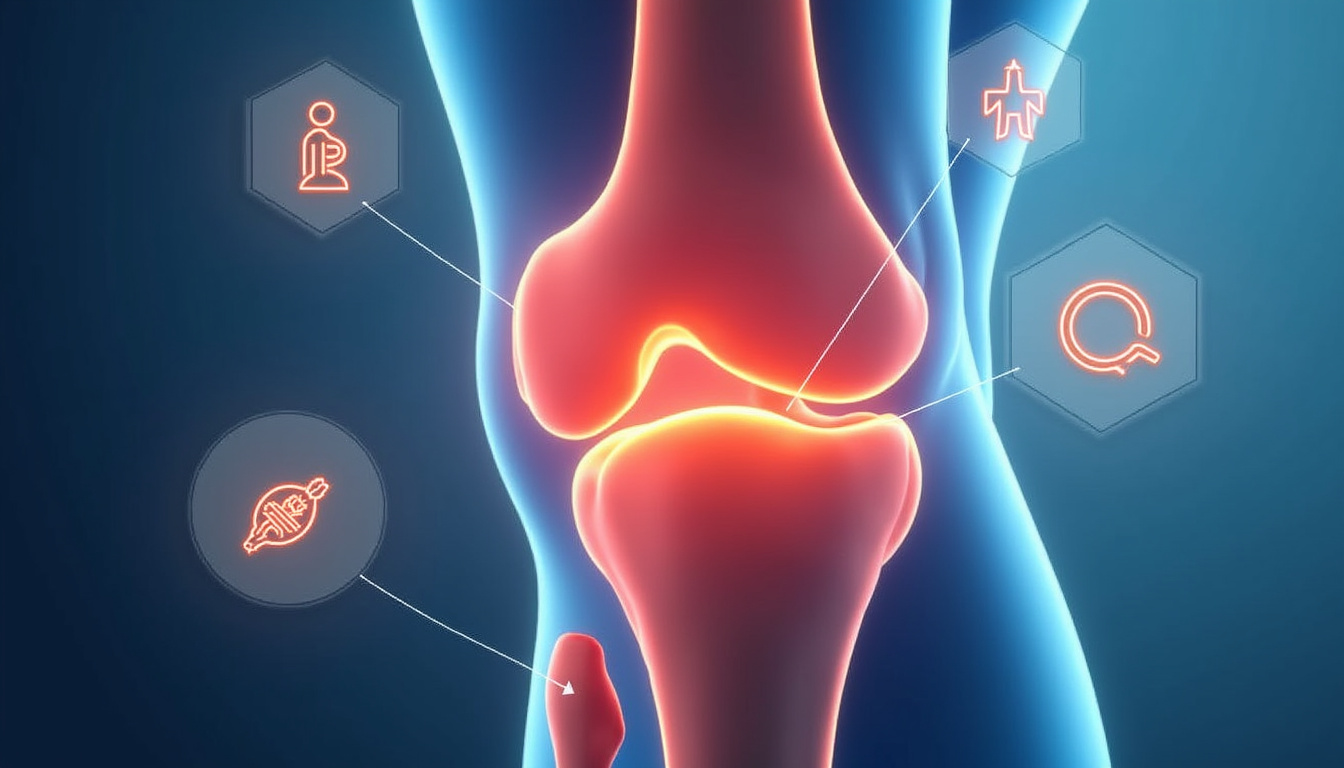
Learn the difference between regular muscle fatigue and sharp, joint pain, buckling, or catching.
When you feel the latter, slow down and talk to a professional if the pain persists.
5. Support Knee Health from the Inside: Nutrition & Supplements
Your knees are living tissues that need proper fuel.
A smart diet supports joint and muscle health along with exercise and lifestyle changes.
Good nutrition tips include:
• An anti-inflammatory diet: more vegetables, fruits, whole grains, fatty fish, nuts, and olive oil and less added sugar and processed foods.
• Enough protein: supports the muscles that stabilize your knees.
• Staying hydrated: helps joints perform their best.
Introducing Regenerix Gold: A Nutrition-Based Knee Support Solution
For extra help with healthy knee joints and muscles, many doctors and therapists suggest Regenerix Gold.
Regenerix Gold is:
• A nutrition-based supplement, not a prescription drug
• Made for people who want to support joint comfort and muscle function
• Backed by over a decade of international use with many positive reviews
• Endorsed by healthcare experts as part of a long-term joint-care plan
It is for those who are serious about knee care, not for those who wait until problems become severe.
<iframe width="560" height="315" src="https://youtu.be/mGrH5UWFxUs?si=enLOx67aeklAOHfA" title="YouTube video player" frameborder="0" allow="accelerometer; autoplay; clipboard-write; encrypted-media; gyroscope; picture-in-picture; web-share" referrerpolicy="strict-origin-when-cross-origin" allowfullscreen></iframe>
Always talk with your doctor before starting any supplement—especially if you take medications, are pregnant, nursing, or have health concerns.
Remember, supplements like Regenerix Gold support joint wellness but do not diagnose, treat, cure, or prevent disease.
6. Fix Daily Habits That Wear Down Your Knees
Small, repeated movements can slowly harm your knees over time.
Many people find that their knee problems come from:
• Sitting in deep knee bends for hours (kneeling on hard floors or squatting low)
• Twisting on a planted foot, such as when turning quickly
• Sitting with sharply bent knees for long periods and then standing up
Try these practical adjustments:
• Use kneeling pads or cushions for floor work
• Turn your whole body instead of twisting only your knee
• Change your setup at work or for hobbies to keep knees from deep bending
• Lean forward first when rising from the couch and push through your heels, using your hips and thighs instead of only your knees
Small changes made over time can greatly lessen strain on your knees.
7. Don’t Ignore Professional Help—Use It Early
Many wait until they limp or avoid stairs before they seek help.
Early guidance makes a big difference in preserving your knees.
Consider:
• A physical therapist for:
- Strengthening and stretching exercises
- Gait analysis
- Advice on braces, taping, or activity adjustments
• A primary care provider or orthopedic specialist for:
- A detailed look at your knee mechanics
- Recommendations on imaging if needed
- Guidance on safe activities and supportive care
Using professional help is part of a long-term strategy, not just an emergency option.
Putting It All Together: Your Knee Preservation Checklist
Here is a simple list to guide you:
- [ ] Listen to early signals: stiffness, twinges, grinding
- [ ] Strengthen supporting muscles (quads, hamstrings, glutes) 2–3 times a week
- [ ] Ease your knees’ load: maintain a healthy weight, wear good shoes, and choose soft surfaces
- [ ] Stay active with joint-friendly movement rather than complete rest
- [ ] Support your joints from the inside with smart nutrition and, if needed, a supplement like Regenerix Gold
- [ ] Change habits that put stress on your knees (deep bends, twisting, hard kneeling)
- [ ] Reach out to professionals early, not only when in crisis
FAQ: Common Questions About Knee Preservation
Q1: What is knee preservation?
A: Knee preservation means taking steps to keep your knees comfortable and functional as long as possible.
It covers exercise, weight management, smart activities, good nutrition, and even supplements like Regenerix Gold—all before severe problems occur.
Q2: Can exercises really help if my knees already hurt?
A: Yes. Many people see improvements when they do targeted exercises for the thighs, hips, and calves.
When done correctly and consistently (often with a therapist’s help), these exercises reduce daily knee stress and ease activities like walking and stair climbing.
Q3: How can a supplement support knee health?
A: The right joint supplement offers nutrients that support the tissues and muscles around your knees.
Regenerix Gold is one example, but it is best used with exercise, lifestyle moves, and professional advice.
It is not a cure but one piece of a long-term knee care plan.
Why Acting Now Helps Your Health and Your Life
Waiting until your knees hurt badly is a risky bet—physically, mentally, and financially.
Invasive procedures, time off work, loss of mobility, and stress can all follow.
By choosing knee preservation today—through muscle strengthening, habit changes, better nutrition, and even a supplement like Regenerix Gold—you protect your ability to work, care for loved ones, and stay independent.
You may also lower high medical costs that come with more intensive treatments.
If you want to stay mobile and feel confident about your knees, consider adding Regenerix Gold to your daily routine.
Combined with the strategies above, it is a smart move to stay a step ahead—both literally and financially.
Your knees send clear messages every day.
Answer them on your terms.
Health Note
Always consult a licensed medical doctor for your health issues.
Special Discount
If you prefer preventive nutrition to minimize expensive knee surgery and potentially addictive pharmaceuticals, Regenerix Gold is your savvy solution.
You qualify for a special discount.
Simply use the link below and a discount will automatically be applied during checkout.
Get Regenerix Gold => HERE


