
limited knee flexion: simple exercises and treatments to regain movement
by Zestora on Dec 17, 2025

If your knee does not bend much, it is more than “just a stiff knee.” When you try to bend fully, you may not be able to tie your shoes, kneel to play with your kids, or get up from the floor. For many Americans who work on their feet, drive long hours, or want to stay active as they grow older, this loss of bend slowly erodes independence and quality of life.
This guide explains why your knee stops bending as it used to, offers simple exercises and gentle treatments that can help you move better, and shows how nutrition like Regenerix Gold might fit into a joint health plan.
What does “limited knee flexion” really feel like?
People with limited knee bend often say things like:
- “My knee just won’t bend all the way.”
- “It feels tight or stuck when I try to squat.”
- “I can’t sit cross‑legged or kneel without discomfort.”
- “I walk fine, but stairs or getting in the car are hard.”
You might notice these signs:
- You cannot bend past 90 degrees (like sitting in a low chair).
- You need to grab your leg to pull it into the car.
- You feel difficulty getting off the floor or from a deep seat.
- You sense a tight pull or “hard stop” in the front or back of your knee.
There is no need to wait until the problem gets worse. Stiffness and lack of bend are easier to fix early when tissues stretch better and build strength.
Why does knee flexion become limited?
Many things can make your knee bend less. Often, several of these factors build up over time:
1. Joint stiffness from everyday wear
Long hours at your desk, driving, or watching TV make your knee stay straight. With time, the capsule and soft tissue around your knee grow tight. This makes a deep bend feel strange and restricted.
2. Tight muscles and tendons
A few key muscles and tendons may hold your knee back, such as:
- Your quadriceps at the front of the thigh.
- Your hamstrings at the back.
- Your calf muscles.
- The tissues behind your knee.
When these parts are tight, you may feel a pull when you sit on your heels or try a deep squat.
3. Past injuries or surgery
Your knee can “remember” old problems:
- Sprains or tweaked knees that did not fully recover.
- Surgeries that kept your leg straight.
- Long times on crutches or in a brace.
Scar tissue, muscle guarding, or not bending enough can all lead to long-lasting limited knee flexion.
4. Swelling and fluid
A swollen or puffy knee has less room to bend. Even a little extra fluid can stop you from bending well.
5. Weak muscles around the joint
Weak hips, thighs, and calves can increase stiffness. When your muscles do not support the joint well, your body may limit the bend to “protect” the knee.
Simple self-check: how limited is your knee flexion?
You do not need special tools to check your knee’s bend:
- Sit on a firm chair.
- Slide your heel under the chair as far as you can.
- Keep your foot flat. Notice how close your heel gets to the chair.
Compare both legs. If one heel does not come back as far or feels much tighter, you may have limited knee flexion on that side.
Another test: lie on your back and gently pull one knee toward your chest. If the knee feels blocked or you cannot bring your heel close to your buttock (while the other side can), you have limited flexion.
If you have sharp pain, locking, catching, or a visible deformity, see a healthcare professional before you try any exercises.
Simple daily exercises to improve limited knee flexion
Try these exercises within a range that feels comfortable. You should feel a stretch and a mild effort, not sharp pain. If any exercise makes your knee feel worse for many hours, do fewer reps or ask a doctor or physical therapist for advice.
1. Heel slides on the bed
This simple exercise works well for a stiff knee.
- Lie on your back with both legs straight.
- Slowly slide the heel of the affected leg toward your buttock.
- Use a towel looped around your foot if needed.
- Hold the bend for 3–5 seconds, then slide the heel out again.
• Reps: 10–15
• Sets: 2–3 per day
2. Seated knee flexion stretch
This exercise works for those who sit a lot.
- Sit firmly on a chair.
- Place your foot flat on the floor.
- Slowly slide your foot back under the chair until you feel a stretch.
- Gently move your hips forward to deepen the bend if you can.
• Hold: 20–30 seconds
• Reps: 3–5 holds
• Frequency: 1–2 times per day
3. Step flexion stretch
This stretch helps with the bend needed for stairs or getting in a car.
- Stand facing a low step.
- Place your affected leg on the step.
- Gently bend the knee as you shift your weight forward.
- Use a railing or wall for balance.
• Hold: 15–20 seconds
• Reps: 5–10
• Frequency: most days
4. Wall or counter mini-squats
This exercise builds strength in your thigh muscles while encouraging safe bending.
- Stand with your back against a wall or hold onto a counter.
- Keep your feet shoulder-width apart.
- Slowly bend your knees a little, as if you are sitting in a shallow chair.
- Keep your heels down and your knees over your toes.
• Reps: 8–12
• Sets: 2–3
• Frequency: 3–4 days per week
5. Stationary bike “rocking”
This is good if you have a stationary bike.
- Set the seat slightly higher than usual.
- Rock the pedals back and forth in a partial circle.
- As your knee loosens, work toward full pedal turns.
• Time: 5–10 minutes
• Frequency: daily if you can
Smart habits that protect and support knee movement
In addition to exercises, everyday habits help your knee move better:
• Alternate sitting and standing instead of keeping your knees straight for hours.
• Use handrails on stairs to share the load while your knee recovers.
• Avoid long periods of kneeling on hard floors without padding.
• Warm up your knee with gentle bending before heavy work like yard tasks or lifting.
• Use ice or a cool pack after busy days if your knee feels swollen or sore.
How nutrition and joint support fit into the picture
Movement and strength exercises are building blocks, but your joints also need good nutrition. Cartilage, ligaments, muscles, and soft tissues around the knee work every day to stay healthy.
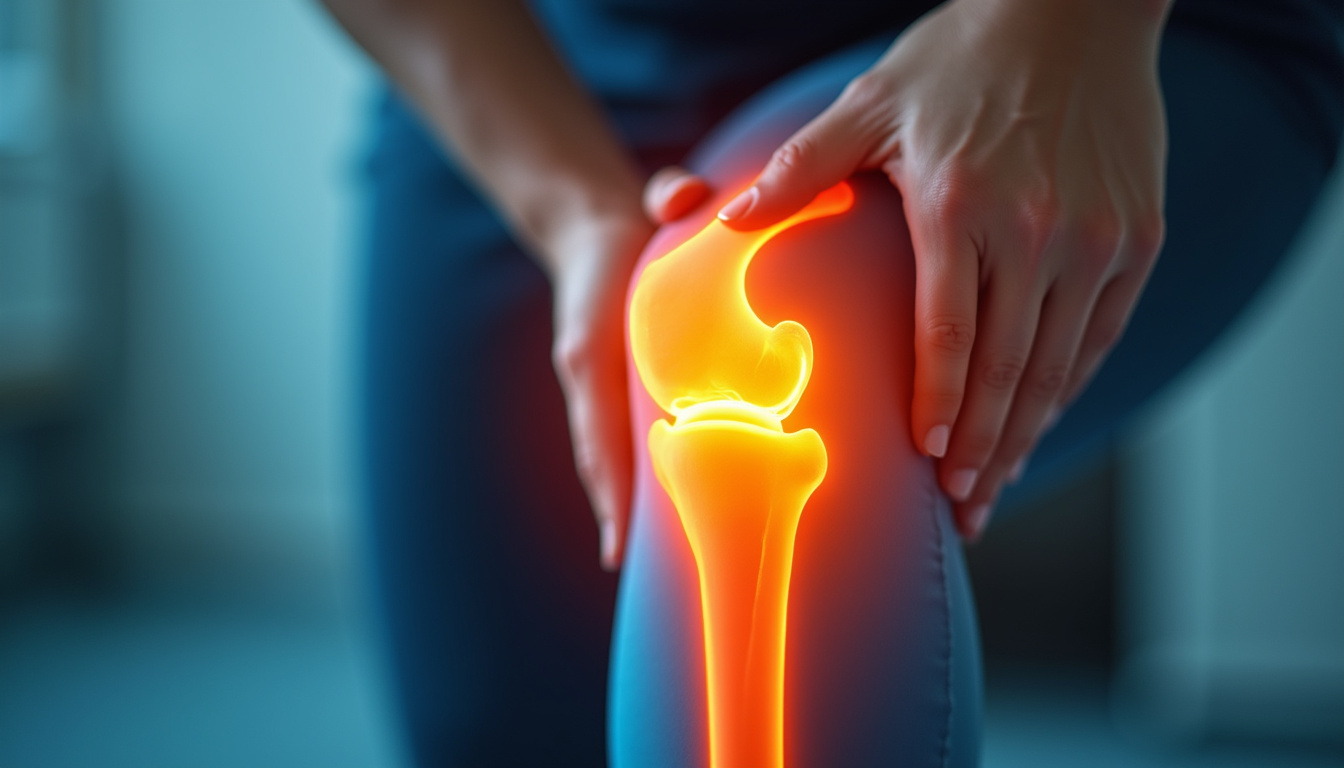
People in America often cannot get enough joint-supportive food because of busy schedules, processed meals, and irregular eating patterns. That is why a nutrition-based approach can help support:
• Comfortable joint movement
• Healthy cartilage and connective tissue
• Muscle function around the knee
Remember, supplements cannot diagnose, treat, cure, or prevent any disease. They are not a substitute for proper medical care. However, many people find that the combination of exercise, daily habits, and nutritional support helps them maintain joint wellness over time.
Regenerix Gold: a nutrition-based option for people who want healthy knees
If you face limited knee bend and want to support joint and muscle health from within, Regenerix Gold is a supplement designed for those who care about their knees.
It is:
• A nutrition-based solution made with joint and muscle support in mind
• Recommended by doctors and physical therapists as part of a joint health plan
• Used for over a decade with positive feedback from users worldwide
• Intended for adults who seek to maintain joint comfort, mobility, and muscle function
Regenerix Gold does not replace physical therapy, exercises, or proper medical care. Many see it as one part of a broader plan to help their knees bend and move freely.
Here is more information about Regenerix Gold:
<iframe width="560" height="315" src="https://www.youtube.com/embed/mGrH5UWFxUs?si=enLOx67aeklAOHfA" title="Regenerix Gold Joint Support Video" frameborder="0" allow="accelerometer; autoplay; clipboard-write; encrypted-media; gyroscope; picture-in-picture" allowfullscreen></iframe>
If you are thinking about any supplement, including Regenerix Gold, talk with your healthcare provider—especially if you take medications, are pregnant or nursing, or have other health issues.
When to get professional help for limited knee flexion
Home exercises help many people, but ask for help if you notice:
• Knee locking, catching, or giving way
• A sudden, major loss of bend after an injury
• Large or persistent swelling and warmth
• Inability to bear weight or walk normally
• Night pain that stops you from sleeping
• No improvement after several weeks of steady exercises
A doctor or physical therapist can:
• Check your movement and alignment
• Find muscle imbalances and tight tissues
• Guide you with hands-on treatments and advanced exercises
• Help decide how nutrition, including supplements like Regenerix Gold, might help
For more background on joint health, check out reputable sources like the American Academy of Orthopaedic Surgeons (AAOS) at https://orthoinfo.aaos.org/.
Putting it all together: a simple weekly game plan
Here is one way to mix exercises and habits to boost knee flexion:
• Daily
- Heel slides: 2–3 sets of 10–15 reps
- Seated or step flexion stretch: 3–5 holds of 20–30 seconds
- Short breaks every 45–60 minutes if you sit for long periods
• 3–4 days per week
- Wall or counter mini-squats: 2–3 sets of 8–12 reps
- Stationary bike rocking or easy cycling: 5–10 minutes
• Ongoing
- Check your posture and avoid locking your knees while standing
- Use knee‑friendly methods on stairs and during heavy tasks
- Discuss nutritional support, such as Regenerix Gold, with your doctor if you want better joint and muscle health
Remember, consistency matters more than intensity. Gentle daily work often brings better results than an occasional, exhaustive session that leaves your knee sore.
FAQ: limited knee flexion and knee mobility support
Q1: Can limited knee flexion improve without surgery?
Many people see meaningful gains with steady stretching, strengthening, and simple lifestyle changes. Some also include physical therapy and nutrition-based joint support. Each case is unique, so if your range is very limited or does not improve, seek a medical opinion.
Q2: What exercises are safest for knee flexion problems?
Low‑impact, controlled moves are typically safe. Exercises like heel slides, seated knee bends, mini‑squats, and gentle cycling work well. Avoid deep, forced bends, jumping, or twisting until a professional advises you. Stop any exercise that causes sharp or worsening pain.
Q3: Can supplements help with knee mobility and flexion?
Supplements do not directly “fix” knee flexion or treat a medical condition. Many people add joint and muscle support formulas—like Regenerix Gold—as part of a full strategy. The goal is to support overall joint comfort and muscle strength so you can keep up with your exercises. Always discuss supplements with your doctor first.
Take the next step for your knees—and your future
Living with limited knee flexion can make you feel older than you are. You may avoid sitting on the floor, dread stairs, or plan your day around your knee limits. The longer you wait, the more your muscles adjust to less bend. This makes it harder to regain movement.
You do not have to make this your “new normal.”
Begin with the simple exercises above. Build better daily habits and seek personalized advice if your knee does not improve. And if you want to support your joint and muscle health from within, think about trying Regenerix Gold as part of a careful, proactive plan. This nutrition-based supplement comes recommended by doctors and therapists. It has been trusted internationally for more than a decade.
When medical bills are high and time off work is hard to come by, investing early in your knees is a smart, cost‑conscious choice. Taking a bottle of Regenerix Gold and following a daily mobility routine shows that you are proactive, health‑savvy, and determined to keep moving on your own terms.
Health Note
Always consult a licensed medical doctor for your health issues.
Special Discount
If you prefer preventive nutrition to minimize expensive knee surgery and potentially addictive pharmaceuticals, Regenerix Gold is your savvy solution.
You qualify for a special discount.
Simply use the link below and a discount will automatically be applied during checkout.
Get Regenerix Gold => HERE


