
line dance injury prevention: essential warm-ups, strength, and recovery tips
by Zestora on Dec 21, 2025

When you live for the shuffle, the coaster, the rock-recover, and that final pose,
line dance injury prevention matters much more now than it did in your first beginner class.
Whether you drill “Boot Scootin’ Boogie,” battle at a comp, or teach three back‑to‑back classes a night,
your joints, feet, and back get hit by stomps, pivots, and turns that repeat.
This guide targets American line dancers who feel aches from long hours on the floor and who want to dance hard for years.
Why line dancers get sore: the “hidden load” of the dance floor
Line dancing may seem low‑impact compared to jumps and tricks in other styles.
But pay attention to what you do in a typical session:
• Do dozens (or hundreds) of heel digs, stomps, and scuffs.
• Spin in constant quarter, half, and full turns on one leg.
• Shift weight fast on floors that are sticky or very slick.
• Repeat hip bumps, vine steps, and cross‑behinds.
Over one full night at the honky‑tonk or during a weekend workshop, all this adds stress to:
• Feet and ankles (from pivots, slides, and stomps).
• Knees (from twisting under weight).
• Hips and lower back (from posture and hip moves).
• Shoulders and neck (from frame, arm styling, and tension).
Most problems come not from one big “pop” but from many tiny overloads.
Smart line dance injury prevention builds habits: warm‑up, movement, recovery, and weekly support.
Essential line dance warm‑ups: more than “one grapevine and go”
A short walk from the car to the bar does not warm you up.
A single grapevine before the first song is not enough.
Your body needs real preparation for fast footwork, spins, and stomps.
A 7–10 Minute Pre‑Dance Warm‑up for Line Dancers
Try this routine before your first track or class:
-
Floor walk‑through (1–2 minutes)
• Walk along the edge of the floor at a brisk pace.
• Gently swing your arms and roll your shoulders.
• Let your heart rate rise a bit. -
Ankle and Foot Wake‑up (2 minutes)
• Toe–heel rocks: Do 15–20 reps on each leg.
• Ankle circles: Circle 10 times each direction per foot while holding a chair or wall.
• Toe scrunches: Stand barefoot or in socks, curl and spread your toes 20 times. -
Hip and Back Mobility (2–3 minutes)
• Hip circles: Place your hands on your hips and circle slowly 10 times each way.
• Pelvic tilts: Tuck and release your pelvis slowly to find a neutral stance.
• Cat–cow: On the floor if you are comfortable, do 10–12 reps to loosen your spine. -
Dynamic Leg Prep (2–3 minutes)
• Leg swings (front/back and side/side): Swing each leg 10–15 times, small and controlled.
• Mini squats: With feet hip‑width apart, do 10–15 shallow squats to warm your knees and thighs.
• Step‑touch with arms: Step side to side and gradually move your arms more.
You want to feel lightly warm and loose, not tired.
Save static stretching (long, held stretches) for your cooldown, not before dancing.
Strength Moves Every Line Dancer Should Train Off the Floor
Dancing without interruptions means you need strength that works with your moves.
Focus on the joints that bear the load: ankles, knees, hips, and core.
1. Ankles and Calves: Your “Shock Absorbers”
Pivots and slides call for strong, stable ankles.
• Calf Raises on a Step
– Rise slowly onto your toes and lower below the step level.
– Do 2–3 sets of 12–15 reps.
– Progress to single‑leg raises.
• Single‑Leg Balance (Eyes Open → Eyes Closed)
– Stand on one foot for 30 seconds, then switch. Repeat 2–3 times.
– When you feel steady, add a gentle head turn or arm swing or close your eyes.
2. Knees and Hips: Support for Vines, Turns, and Sit‑Back Steps
Most knee pain comes from weak hips and thighs.
• Glute Bridges
– Lie on your back, feet flat, lift your hips and squeeze your glutes.
– Do 2–3 sets of 12–15 reps.
– Try single‑leg bridges when ready.
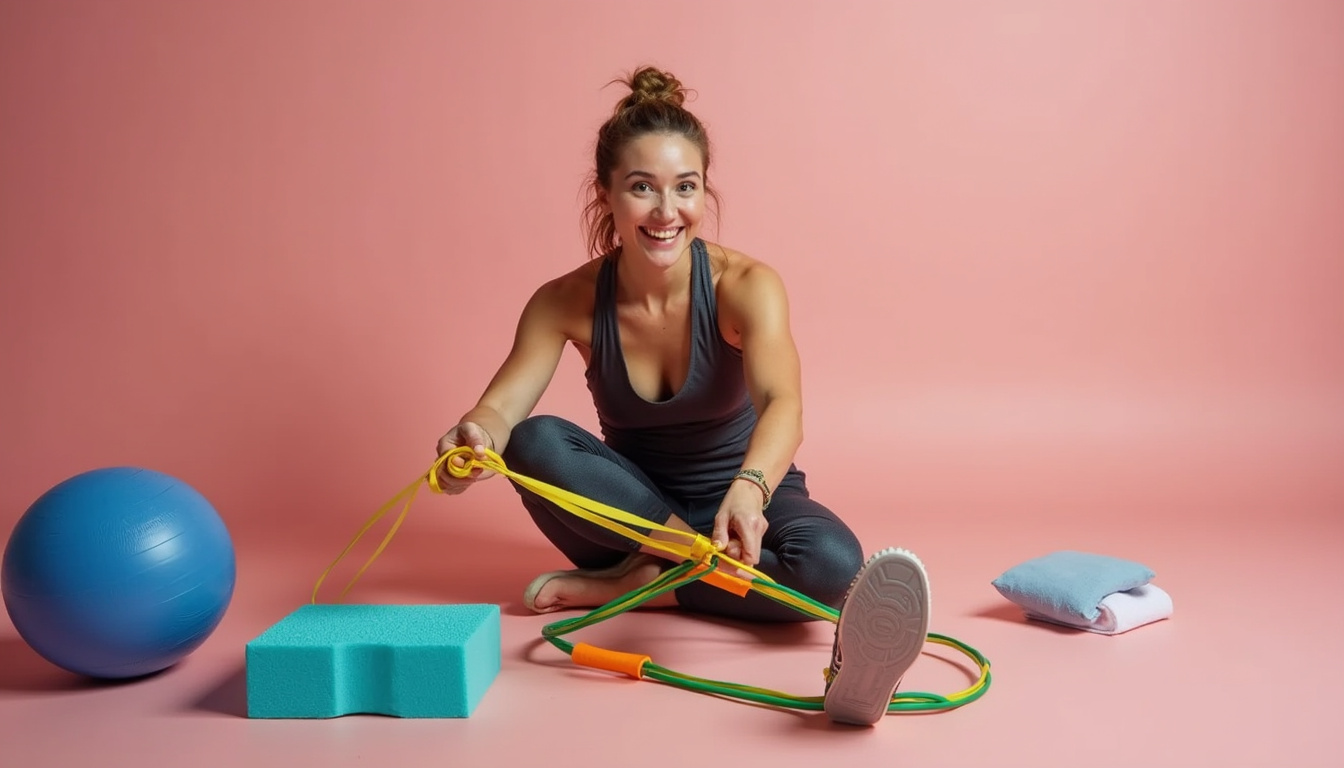
• Side Steps with a Resistance Band
– Place a band around your ankles or above your knees.
– With soft knees, step side to side.
– Do 2–3 sets of 10–15 reps in each direction.
• Split Squats or Lunges (Small Range)
– Use light, controlled movement with a focus on alignment.
– Do 2–3 sets of 8–12 reps on each side.
3. Core and Back: For Turns, Posture, and Long Nights
A tired core often leads to poor posture, increasing load on the lower back and hips.
• Dead Bug or Bird‑Dog
– These moves build deep core stability without strain.
– Do 2–3 sets of 8–10 controlled reps on each side.
• Planks (Front and Side)
– Start with a 15–20 second hold and build up from there.
– Keep a straight line from head to heel.
Aim for two or three short strength sessions a week (15–20 minutes) on days you are not dancing.
Think of it as rehearsal for your joints.
Technique Tweaks That Protect Joints on the Dance Floor
Small changes in how you move can make a big difference over time.
Master the Art of Safe Pivots
• Unstick the Foot: Do not twist your knee if your foot sticks to the floor.
– Lift your heel slightly during turns.
• Spread the Turn: Do not rotate all at once.
– Share the turn between your ankles, hips, and torso.
• Check the Floor: Grippy floors increase torque.
– Adjust your turn speed and range accordingly.
Land Your Stomps and Heel Digs Smartly
Stomps look cool, but repeated hard landings stress your feet and knees.
• Make your stomp look sharp, not heavy.
• Bend your knees to absorb each impact, especially during repeated stomps.
• Vary the intensity—try a full stomp on the chorus and lighter steps in other parts.
Watch Your Posture in Long Sets
After many hours dancing, you might:
• Lean back and arch your lower back.
• Lock your knees.
• Hunch your shoulders and crane your neck.
To reset:
• Soften your knees.
• Keep your ears over your shoulders and your shoulders over your hips.
• Gently lower your ribcage and pull your belly in.
Recovery: What You Do After Class Matters as Much as the Class
If you are over 30, dance many nights a week, or feel morning stiffness, recovery is a must.
Cooldown Checklist After Your Last Song
Take 5–10 minutes before you leave the venue:
• Take a light walk around the floor to lower your heart rate.
• Do gentle static stretches for 20–30 seconds each:
– Calves (wall stretch)
– Quads (heel to glute)
– Hamstrings (place your leg on a chair and lean forward lightly)
– Hips (figure‑4 stretch, seated or lying)
• Work on ankle mobility: Slowly circle your ankles and flex/point them to stay loose.
Between Dance Nights: Give Your Body a Break
• Alternate high‑intensity nights (fast and stompy sets) with lighter practice or teaching.
• Take at least one full rest day every week when you do not dance.
• Try low‑impact cross‑training like walking, swimming, or cycling to get the blood flowing without extra pounding.
Quality sleep, hydration, and balanced nutrition play a quiet but strong role in line dance injury prevention (source: NIH – Physical Activity Guidelines).
Supportive Habits: Shoes, Surfaces, and Smart Supplementation
Shoes and Floors: Your “Equipment” as a Line Dancer
• Choose supportive shoes that offer:
– A secure heel
– Enough cushioning for stomps
– A sole that does not grip too tightly, letting you turn smoothly
• Be careful on:
– Concrete under thin flooring
– Very sticky or dusty floors
– Uneven or warped boards
If you dance on hard floors often, consider rotating shoes and check for worn‑out soles that could change your dance mechanics.
Considering Joint and Muscle Support Supplements
Many serious line dancers add nutritional support to help keep their joints and muscles healthy.
Within FDA guidelines, note that:
• Dietary supplements cannot claim to treat, cure, or prevent diseases.
• They are meant to support normal structure and function (for example, joint comfort, muscle health, or flexibility).
• They work best as part of a routine of smart training, recovery, and healthy habits.
Look for products that:
• Share clear information about ingredients and amounts.
• Are made in facilities with good quality practices.
• Focus on joint and muscle support rather than making medical claims.
Where Regenerix Gold Can Fit into a Line Dancer’s Routine
For many serious line dancers, being on the floor is not just fun—it is part of their identity, community, and sometimes their income.
That is why some dancers add a targeted joint and muscle support supplement like Regenerix Gold to their routine.
Regenerix Gold is designed for people who want to support:
• Comfortable joints during repetitive moves.
• Healthy muscles that work hard in long classes or socials.
• Overall mobility every day as part of an active lifestyle.
Used with proper warm‑ups, strength work, and recovery, this supplement is one piece of your line dance injury prevention plan—especially if you spend many hours dancing and want to be ready for every new playlist.
Regenerix Gold
FAQ: Line Dance Injury Prevention and Staying Dance‑Ready
Q1: What is the best way to prevent line dance injuries if I dance several nights a week?
Build a routine with a 7–10 minute warm‑up before the first song, 2–3 short strength sessions each week, a cooldown with stretches after dancing, at least one full rest day weekly, supportive shoes and smart floor choices, and, if you choose, joint and muscle support through nutrition and responsible supplementation.
Q2: Are there specific stretches for line dance injury prevention?
Yes. Focus on stretching your calves, hamstrings, quads, hip flexors, and glutes after dancing. Hold each stretch for 20–30 seconds. Include gentle ankle and hip mobility work. Do this when you are warm, not just before the first track.
Q3: How can I recover faster so line dance aches do not linger?
Plan regular cooldowns, drink enough water, manage your weekly dance load, move lightly on off days (for example, by walking), and support your body with adequate sleep, balanced nutrition, and, if right for you, a daily joint and muscle support supplement.
Dance Longer, Spend Less Time on the Sidelines
You have spent years learning choreography, chasing the best socials, and building your name on the floor.
The last thing you need is to cut back because your body is slowing down.
Thoughtful line dance injury prevention—with proper warm‑ups, smart strength work, and strict recovery—lets you keep moving fast while others burn out.
Adding Regenerix Gold to your routine means you treat your body as the important asset it is.
Instead of risking discomfort, lost gigs, or downtime, you choose a structured plan that supports your joints and muscles now while you remain in control.
This is the smart move—the one that experienced dancers make to keep owning the floor for years, not just this season.
If you see yourself as more than a casual two‑stepper and you care about protecting your time, money, and role on the dance floor, consider adding Regenerix Gold to your daily routine along with the warm‑ups, strength, and recovery strategies in this guide.
Your future self, still nailing that final pose and leaving the floor comfortably at closing time, will thank you.
Health Note
Always consult a licensed medical doctor for your health issues.
Special Discount
If you prefer preventive nutrition to minimize expensive knee surgery and potentially addictive pharmaceuticals, Regenerix Gold is your savvy solution.
You qualify for a special discount.
Simply use the link below and a discount will automatically be applied during checkout.
Get Regenerix Gold => HERE


