

If you’re reading this, line dancing back pain may have joined your steps. Your two-step, shuffle, or grapevine can feel pain as your back, hips, and legs work hard. Many dancers in America report aches, tightness, and fatigue as time and dancing add up.
This guide helps line dancers dance pain-free, strong, and full of confidence. You can keep dancing without giving up long walls, high-energy playlists, or weekend events.
Below are 9 simple moves (some are stretches, some are habits) to ease back pain while you dance. You will also see how a joint and muscle health supplement like Regenerix Gold can support your body behind the scenes.
Why Line Dancing Can Trigger Back Discomfort
Line dancing seems easy. The pattern is the same, the wall is fixed. Yet dancers know there are risks. Here are some reasons for line dancing back pain:
• Repeated patterns. Shuffles, pivots, and hip bumps load the same joints and muscles over and over.
• Hard floors. Dance socials often use concrete or tile under thin wood or laminate.
• Inappropriate shoes. Boots or shoes with sticky soles force your back to absorb extra stress.
• Posture drift. Leaning forward on turns or arching too much on rolls puts extra strain on your spine.
• Poor warm-up and cool-down. Jumping from the car to “5-6-7-8” taxes your spine, hips, and core.
A few small changes in how you move and recover often make a big difference.
Move #1: The 5-Minute Pre-Dance Warm-Up
Arriving late and jumping into a fast dance can trigger pain. Instead, warm up before you hit the first wall. Do these steps near the floor:
-
March in place (1 minute)
• March slowly; lift your knees higher gradually.
• Let your arms swing naturally. -
Hip circles (1 minute)
• Place your hands on your hips.
• Make slow circles in both directions.
• Focus on loosening your hips, not forcing them. -
Gentle torso rotations (1 minute)
• Stand with your feet apart at hip width.
• Rotate your torso right and left, letting your arms move with the rotation. -
Hamstring sweep (1 minute)
• Step one foot forward. Let your heel stay down with toes up.
• Hinge at your hip and sweep your hands toward your ankle.
• Switch legs every 5–10 seconds. -
Ankle, knee, and shoulder rolls (1 minute)
• Roll each ankle.
• Gently bend and straighten your knees.
• Roll your shoulders forward and backward.
This warm-up wakes your muscles and joints. It helps your back handle shuffles and pivots.
Move #2: Neutral Spine Posture for Every Wall
Many dancers let their spine drift into a poor position. They lean forward or over-arch. When you step onto the floor, remember these cues:
• Keep your head over your shoulders. Do not push your head forward; lift your chest instead.
• Keep your ribs soft. Avoid a hard military chest or an over-arched back.
• Maintain a slight bend in your knees. Locked knees force pressure on your back.
• Engage your core and relax your shoulders. Think of your core as zipping on a snug pair of jeans while your shoulders remain loose.
Check your posture at each wall. This habit lowers the chance of back pain.
Move #3: Core-Strength Micro-Workout for Line Dancers
A strong core supports your spine, much like a built-in belt. You do not need a gym to build this strength. Try a micro-workout at home a few days a week:
• Dead Bug (2 sets of 8–10 each side)
– Lie on your back.
– Raise your arms to the ceiling and bend your knees at 90°.
– Slowly extend the opposite arm and leg. Do not let your low back lift.
• Side Plank (2 sets of 15–30 seconds per side)
– Keep your body in a straight line.
– Your elbow stays under your shoulder.
– You can keep your knees bent or legs straight.
• Bird Dog (2 sets of 8–10 each side)
– Position yourself on your hands and knees.
– Extend the opposite arm and leg.
– Keep your hips level.
These exercises build deep muscles that support your pivot, spin, and fast walk-ups.
Move #4: Hip and Glute Activation Before You Hit the Floor
Many line dancers start with sleepy hips and glutes. When your glutes do not engage, your lower back must work harder. Warm your hips and glutes before dancing with this quick drill:
• Glute squeezes (30 reps)
– Stand or lie down. Squeeze your buttocks as if you try to crack a nut, then release.
• Mini squats (2 sets of 10–15)
– Stand with your feet shoulder-width apart.
– Sit back slightly and then stand tall.
• Standing hip abduction (10 each side)
– Hold onto a chair or wall.
– Lift one leg out to the side, keeping your balance.
These moves wake up your powerhouse muscles so your spine will not bear all the work.
Move #5: Smart Footwork and Footwear
Your feet are the base for your dance. When your feet are unhappy, your back pays the price.
Shoe tips for line dancers:
• Choose shoes or boots with cushioning and flexibility instead of rock-hard soles.
• Select shoes with non-sticky soles to avoid twisting your knees and back during turns.
• Replace shoes that are worn unevenly. An uneven heel can throw off your alignment.
• Consider gel or dance-specific insoles for better shock absorption.
Ask your instructor to watch your foot landing. Are you slamming your heels or twisting from your back instead of your hips? A few tweaks in technique can help you avoid pain dance after dance.
Move #6: Mid-Social Stretch Breaks (Even 60 Seconds Help)
Do not wait until your back shouts for help. Build tiny “reset breaks” into your dance night. When you skip a song, try this 1-minute stretch:
• Standing cat-cow (30 seconds)
– Keep your hands on your thighs and knees bent.
– First, round your back (cat). Then, arch slightly (cow).
– Move slowly with your breath.
• Standing hamstring and calf stretch (30 seconds)
– Step one foot forward with your heel down.
– Hinge at your hips.
– You should feel a gentle pull along the back of your leg.
These mini-breaks help you avoid stiffness and let you dance longer without regrets.
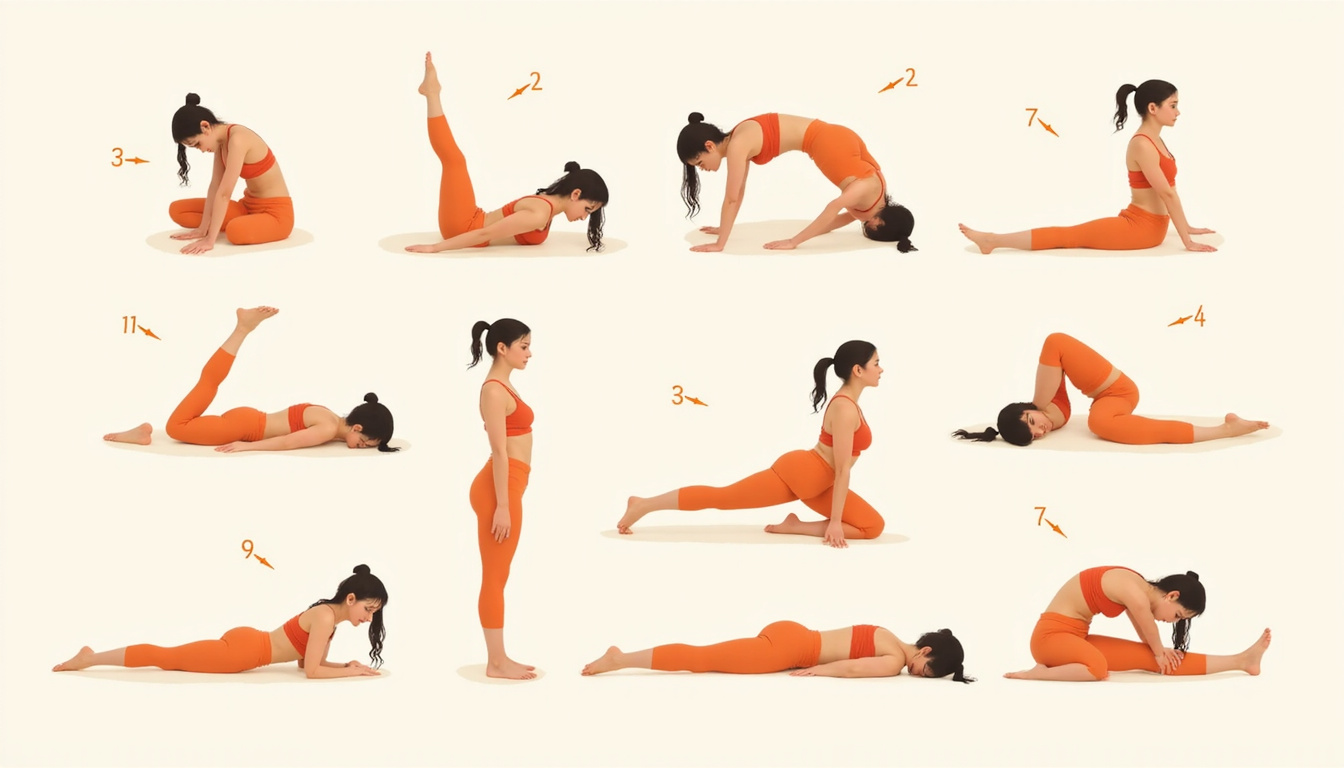
Move #7: After-Dance Cool-Down Routine
Leaving the hall while your muscles are still tense and then sitting in a car for 30 minutes can cause stiffness the next day. Take 3–5 minutes to cool down:
• Take an easy walk around the room. Allow your heart rate to drop.
• Do a gentle forward fold: Keep your feet shoulder-width apart, bend your knees slightly, and let your arms hang.
• Use a seated or standing figure-4 stretch to open up your hips and glutes.
• Practice deep breathing: Inhale slowly through your nose and exhale slowly through your mouth for 5 breaths.
You warmed your body to protect it; cooling down is part of that promise.
Move #8: Support Your Joints and Muscles from the Inside
Good hydration, proper nutrition, and balanced movement build the base of any dancer’s care. Many dancers add joint and muscle health supplements to keep their bodies comfortable and mobile. This is where Regenerix Gold helps dancers who want to feel ready for every lesson, social, and event.
<iframe width="560" height="315" src="https://www.youtube.com/embed/mGrH5UWFxUs?si=enLOx67aeklAOHfA" title="Regenerix Gold Video" frameborder="0" allow="accelerometer; autoplay; clipboard-write; encrypted-media; gyroscope; picture-in-picture" allowfullscreen></iframe>
Regenerix Gold is made to support healthy joints and muscles. It works behind the scenes while you dance. Although no supplement can prevent, treat, or cure a disease, a well-designed product can:
• Help maintain joint comfort and flexibility.
• Support muscle function and recovery after hard use.
• Complement a lifestyle of regular movement and balanced eating.
Always read labels carefully. Talk with your healthcare professional before starting any supplement. This is especially important if you take medications, are pregnant, nursing, or have health issues.
For more background on how nutrition and lifestyle affect joint and muscle comfort, see guidance from the National Institute of Arthritis and Musculoskeletal and Skin Diseases (NIAMS) (source: NIAMS – Joint Health).
Move #9: Line-Dancer Recovery Habits Between Events
What you do on your off days is as important as what you do on the dance floor. Build recovery into your week with these ideas:
• Active rest. Go for a gentle walk, easy cycle, or light swim. These moves help your blood flow without stressing your joints.
• Mobility sessions. Spend 10 minutes on hip circles, spine rotations, and leg stretches, even while watching TV.
• Sleep routine. Aim for consistent, quality sleep so your body can repair.
• Check in with your body. If a move always causes pain, discuss a modification with your instructor.
Recovery habits help make sure today’s fun does not become tomorrow’s pain.
Quick Checklist for Line Dancers with Back Discomfort
Use this as a mental pre-flight checklist before each dance night:
[ ] I warmed up for at least 3–5 minutes.
[ ] My shoes or boots feel supportive and are not worn out.
[ ] I check my posture at every front wall.
[ ] I engage my core and glutes instead of just dancing with my back.
[ ] I take short stretch breaks between song sets.
[ ] I cool down before driving home.
[ ] I support my joint and muscle health with smart lifestyle choices (and, if advised, a supplement like Regenerix Gold).
FAQ: Line Dancing Back Pain and Body Care
Q1: Why do I get a low back ache after line dancing, even with good shoes?
A1: Even with good shoes, line dancing back pain can come from poor posture, weak or tired core muscles, tight hips and hamstrings, or overdoing it without a warm-up or cool-down. Try adding core work, hip and glute activation, and mid-social stretch breaks. If pain continues or worsens, speak with a healthcare professional.
Q2: Are there specific stretches for lower back pain relief?
A2: Many dancers find relief with standing cat-cow, seated figure-4 stretches, hamstring and calf stretches, and gentle torso rotations. Keep the movement slow and avoid pain. A mild, comfortable stretch is best—not sharp pain.
Q3: Can a joint and muscle supplement help with back discomfort from line dancing?
A3: A supplement like Regenerix Gold may help support joint and muscle health as part of a plan that includes proper technique, warm-up, recovery, and nutrition. Supplements are not medicines and do not diagnose, treat, cure, or prevent any disease. Always consult with your healthcare professional before starting any new supplement.
Dance Smarter, Not Less: Why Regenerix Gold Belongs in a Line Dancer’s Routine
You have spent years perfecting your dance steps. You know every tag and restart by heart. Your experience is valuable—and so is your body.
If you want to dance long nights without worrying about back pain, treat your joints and muscles as assets to protect. Missed work or medical visits can be costly in money, stress, and joy.
Pair smart movement strategies with a premium joint and muscle health supplement like Regenerix Gold. This shows you are a prepared dancer. While others wait until pain sidelines them, you invest a little now to avoid bigger costs later.
If your goal is to stay fluid, confident, and ready for every choreography—and if you want to be known for always dancing rather than sitting out with pain—talk with your healthcare professional about adding Regenerix Gold to your routine. Support your body today so you can keep leading the line tomorrow.
Health Note
Always consult a licensed medical doctor for your health issues.
Special Discount
If you prefer preventive nutrition to minimize expensive knee surgery and potentially addictive pharmaceuticals, Regenerix Gold is your savvy solution.
You qualify for a special discount.
Simply use the link below and a discount will automatically be applied during checkout.
Get Regenerix Gold => HERE


