

If you use your weekends to chase summits or put in hard trail miles, you may feel stiff knees and tight hips.
That is why we use low‑impact hiking.
It is not slower or “acting old.”
It is moving smart so your joints and muscles keep pace with your trail life.
This guide is for American hikers.
They enjoy day hikes, section hikes, or thru‑hike dreams.
They notice muscle twinges, stiffness, or soreness that lasts longer now.
────────────────────────────
What Is Low‑Impact Hiking, Really?
Low‑impact hiking has two sides:
1. Low impact on your body.
It reduces stress on knees, ankles, hips, back, and feet on long trail days, rocky ground, and steep descents.
2. Low impact on the land.
It protects trails, stops erosion, and keeps wild places wild for the next hikers.
For hikers with discomfort, the body side is key.
They adjust their:
- Gear choices
- Pacing and mileage
- Climbing, descending, and technical techniques
- Recovery habits before and after hikes
Do it right.
Low‑impact hiking lets you log more miles instead of watching your friends post summit photos.
────────────────────────────
Why Your Joints and Muscles Care About Low‑Impact Hiking
Every downhill step with a loaded pack forces your joints to work.
Rocky switchbacks and loose scree make your knees and ankles grind.
Stress on your body comes from:
- Heavy pack weight
- Hard, compact ground or rock
- Long descents with no breaks
- Boots that do not fit well
- Tight calves, hip flexors, or hamstrings
- Weak glutes or core
Low‑impact hiking does not remove these stresses.
It spreads the load.
Your muscles work more, your joints get more help, and post‑hike stiffness fades quicker.
For American hikers with jobs and family, this is not just comfort.
It is how you stay strong for everyday life.
────────────────────────────
Smart Trail Planning for Low‑Impact Days
If you are used to “send it and see,” this may feel different.
A smart route choice can keep you hiking longer every season.
Choose Trails With Friendlier Profiles
When you use low‑impact hiking, look for trails that have:
- Moderate elevation gain over the route
- Lots of switchbacks instead of steep, straight climbs
- Stable surfaces like dirt, pine needles, or good treads instead of endless rocks
- Loop trails that avoid harsh out‑and‑back descents
The National Park Service and local trail groups give profiles and descriptions online.
(source: National Park Service)
Dial in Mileage and Pace
Your hiking ego may cheer big numbers.
But your knees may not.
- Start with less mileage if you return from a break or a tough season.
- Keep a steady, easy pace instead of sprinting and stopping.
- Take short, frequent breaks to shake out your legs.
Avoid long rests that allow muscles to tighten.
────────────────────────────
Technique: How You Move Matters More Than You Think
Even with great gear, a poor technique makes hiking high‑impact.
Your technique is a quiet superpower.
On the Climb
- Shorten your stride and keep each step close to your center of gravity.
- Lean from your ankles, not your waist.
- Use trekking poles to ease your legs rather than dragging them.
On the Descent (Where Most Damage Happens)
- Take small, controlled steps.
Overstriding downhill slams your joints. - Keep your knees slightly bent instead of locked.
- Use zigzagging micro‑switchbacks in loose areas, where they do not harm the trail.
- Plant your poles a bit ahead for extra contact, especially with a pack.
Over Rocks, Roots, and Technical Sections
- Think precision instead of speed.
Place your feet, do not drop them. - Use your whole foot to spread out impact.
- Engage your core because a solid trunk protects knees and ankles.
────────────────────────────
Essential Low‑Impact Hiking Gear for Safer Trails
Good gear can change hiking from a strain into a lifelong habit.
For sore joints and tight muscles, the right kit is essential.
Trekking Poles: Your Extra Limbs
For hikers with sore knees or hips, poles can be the biggest low‑impact upgrade.
Look for:
- Adjustable length so you can shorten them on climbs and lengthen them on descents
- Shock‑absorbing features if you feel impact strongly
- Cork or foam grips that stay comfortable over long days
Use them actively.
Plant, step, and glide with them.
Do not let them dangle.
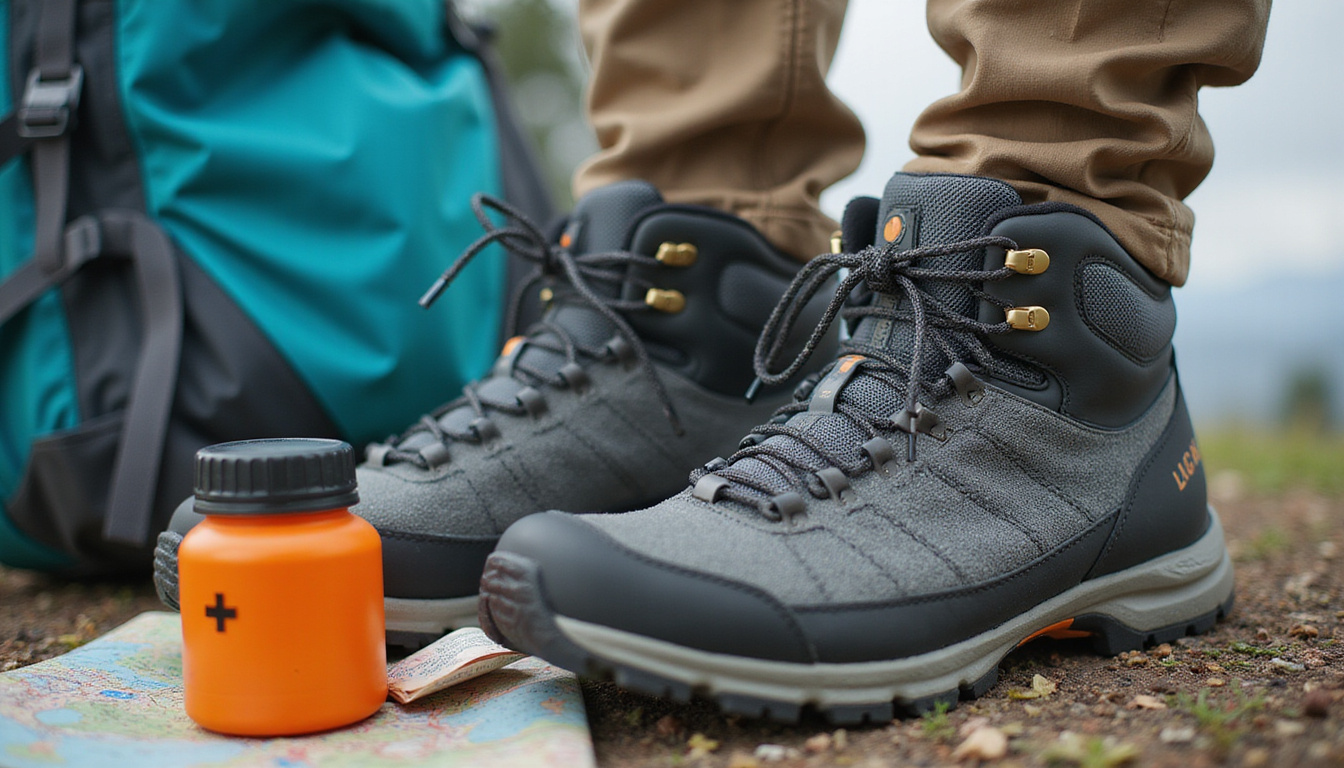
Footwear: Boots vs. Trail Runners for Low‑Impact Hiking
There is no one perfect option.
Choose what suits your body and the terrain.
-
Supportive boots work well for heavy packs on rocky ground.
They give ankle support if you roll or feel unstable. -
Cushioned trail runners are lighter.
They lower overall impact and may be more comfortable for sensitive joints.
Pick footwear that fits well.
Ensure your toes have space and that cushioning matches how tough the trail is.
Lock your heel in place with proper lacing.
Socks, Insoles, and Other Under‑the‑Radar Helpers
- Technical socks with proper cushioning soften each footfall.
- Insoles may help spread pressure evenly.
- Lightweight knee or ankle sleeves (if approved by a professional) give extra stability.
Packs and Weight: Less Is Truly More
Every excess ounce in your pack pushes extra force through your joints.
- Use a properly fitted pack.
A good hip belt passes most weight away from your shoulders. - Trim your load for day hikes to only the essentials.
- On overnight trips, gradually invest in lighter shelter, sleeping gear, and cook setups.
────────────────────────────
Pre‑Hike Prep: Warming Up the Right Way
Jumping out of your car and sprinting the first mile can hurt your knees, hips, and back.
Spend 5–10 minutes warming up before you hit the trail:
- Do dynamic leg swings in all directions.
- Walk lunges with a gentle overhead reach.
- Circle your ankles and pump your calves.
- Rotate your hips and do gentle bodyweight squats.
This helps get your body ready before you load up.
────────────────────────────
Mid‑Hike Joint and Muscle Management
On the trail, simple habits protect your body:
- Take micro‑breaks every 45–60 minutes.
Shake out your legs and roll your ankles. - Adjust your pack straps during the day.
- On flat sections, reset your form by shortening your stride and standing tall.
Listen to your body.
A bit of tightness is fine.
Sharp pain or sudden instability means you should ease off and reassess.
────────────────────────────
Post‑Hike Recovery: Where Tomorrow’s Hike Is Built
What you do after a hike can mean the difference between “pleasantly tired” and “injured on Monday.”
Cool‑Down and Stretch
Within 15–30 minutes of finishing:
- Walk on a flat section or parking lot to lower your heart rate.
- Stretch your calves, quads, hamstrings, hip flexors, and glutes gently.
Do not force any stretch.
Home Recovery Habits
- Hydrate and eat protein with complex carbs.
- Use gentle foam rolling on calves, IT bands, and glutes if you can.
- Sleep well because sleep is when your body repairs itself.
Some hikers also choose supplements for joint and muscle health.
Any supplement should be part of a balanced lifestyle with movement, nutrition, and rest.
Speak with a healthcare professional if you have questions.
────────────────────────────
A Sample Low‑Impact Hiking Checklist
Use this quick list before your next hike:
- [ ] Choose a trail with moderate grades and steady footing.
- [ ] Confirm mileage and elevation are within your comfort range.
- [ ] Wear well‑fitting footwear with proper cushioning.
- [ ] Adjust your trekking poles to your height.
- [ ] Pack only the essentials.
- [ ] Do a short dynamic warm‑up at the trailhead.
- [ ] Plan for frequent micro‑breaks along your route.
- [ ] Have a simple recovery routine ready for home.
────────────────────────────
Where a Supplement Like Regenerix Gold Fits In
As you refine your low‑impact hiking routine with better gear, pacing, and recovery, you may consider supporting your joints and muscles from the inside.
Regenerix Gold is a dietary supplement.
It is made for active people, including hikers who log miles comfortably.
It is for adults who wish to:
- Support healthy joint function on climbs and descents
- Keep muscle comfort and strength with repeated use
- Pair their active lifestyle with nutritional support
Remember, like all supplements in America, Regenerix Gold is not meant to diagnose, treat, cure, or prevent any disease.
It should work with smart training, good footwear, and proper recovery, not in place of professional medical advice.
Regenerix Gold
────────────────────────────
FAQ: Low‑Impact Hiking and Joint‑Friendly Trails
Q1: What is low‑impact hiking and who benefits from it?
Low‑impact hiking uses smart form, route choice, and gear to lower stress on your joints and muscles.
It helps hikers with discomfort or those who want to keep hiking into later years.
Q2: How can I make my hikes more joint‑friendly without cutting mileage?
Slowly adopt low‑impact hiking.
Shorten your stride, use trekking poles, choose supportive footwear, and select trails with gradual gains.
This way, you can maintain mileage while easing the grade and reducing impact.
Q3: Can low‑impact hiking still give me a good workout?
Yes.
Low‑impact hiking works your heart, lungs, and muscles while reducing harsh pounding on your joints.
Hiking more often, with less impact, builds better overall fitness.
────────────────────────────
Hike Smarter, Stay on Trail Longer
You have chosen a life that most people dream about—leaving screens, chasing ridgelines, and spending weekends on trails instead of indoors.
Low‑impact hiking does not mean you hike less.
It means you protect your joints and muscles so you can keep pushing forward.
If you truly want to stay active—taking care of your body, managing healthcare costs, and staying reliable at work—it is smart to treat your body well.
A supplement like Regenerix Gold can be a smart tool.
It helps hikers who plan ahead, invest in longevity, and avoid missed trails, high medical bills, or lost work days.
If you want your body to match your ambitions, consider Regenerix Gold as part of your low‑impact hiking plan.
Combine it with smart movement, good nutrition, and proper recovery.
Health Note
Always consult a licensed medical doctor for your health issues.
Special Discount
If you prefer preventive nutrition to minimize expensive knee surgery and potentially addictive pharmaceuticals, Regenerix Gold is your savvy solution.
You qualify for a special discount.
Simply use the link below and a discount will automatically be applied during checkout.
Get Regenerix Gold => HERE


